



Search News
Industry Portal
Popular Tags
EPC Contractors for Rail Infrastructure: Key Risks Before Contract Award
Author
Time
Click Count
For projects reviewing EPC contractors for rail infrastructure, the pre-award stage determines far more than bid price. It sets the baseline for safety, interfaces, schedule realism, and future claims exposure.
A weak review can hide signalling gaps, unrealistic procurement promises, and compliance assumptions that fail once construction begins. A strong review turns uncertainty into measurable decisions before contract signature.
This matters across complex transport programs, especially where railway control, traction power, braking, and digital integration shape operational readiness. In these settings, early discipline protects both delivery and long-term asset value.
Why pre-award risk review changes outcomes for EPC contractors for rail infrastructure
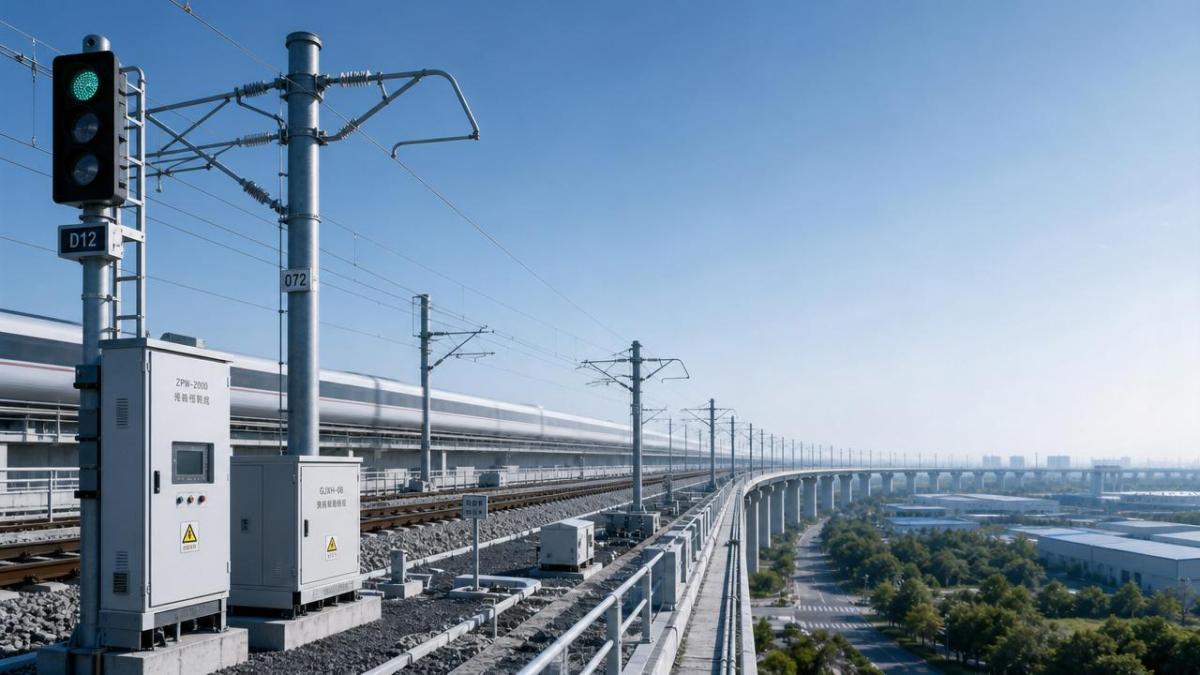
Not every rail project carries the same risk profile. A metro extension, a high-speed corridor, and a freight modernization package demand different scrutiny before selecting EPC contractors for rail infrastructure.
Urban automation projects often hinge on system interfaces and software maturity. Intercity lines depend more heavily on traction performance, civil coordination, and supply chain resilience across long delivery windows.
Where signalling sits at SIL4 safety levels, pre-award assumptions require deep validation. The contractor’s claimed integration method must match the operating concept, testing regime, and certification pathway.
In cross-border or publicly financed programs, compliance risk rises further. Local content, customs timing, environmental permits, and cybersecurity standards can each distort an otherwise competitive proposal.
Scenario one: new high-speed rail corridors with demanding system integration
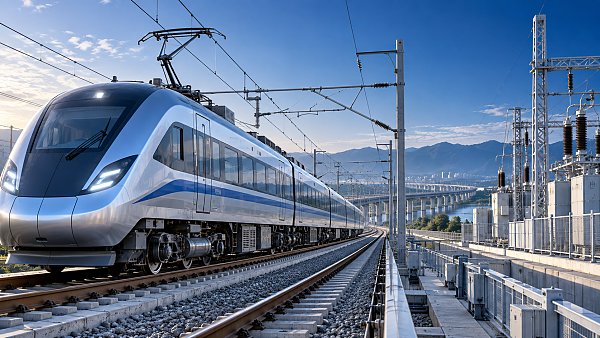
For new high-speed lines, the biggest pre-award risk is treating civil delivery and rail systems as separate packages in practice, even when one EPC contract says otherwise.
The most critical checks involve interfaces among track, power supply, signalling, telecoms, platform systems, and operation control centers. Small interface omissions create major commissioning delays later.
Core judgment points before award
- Does the bidder define interface responsibility down to subsystem level?
- Are performance guarantees linked to realistic test conditions?
- Is pantograph, overhead line, and traction compatibility proven at target speed?
- Has signalling integration been validated against rolling stock assumptions?
- Are spare parts, software tools, and lifecycle support included?
Many EPC contractors for rail infrastructure present strong references, yet those references may involve different voltage standards, train control philosophies, or environmental loads. Relevance matters more than project count.
Scenario two: metro and automated transit projects where signalling risk dominates
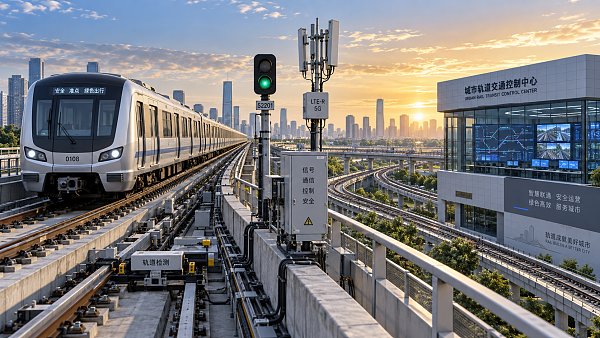
In automated metro programs, software, communications, and control logic often carry more risk than visible civil works. Pre-award reviews must examine integration evidence, not only product brochures.
Claims around unattended train operation, headway performance, and fail-safe recovery should be tied to test history, cyber hardening, and interoperability with depot and platform systems.
Frequent blind spots in automated rail awards
- Incomplete scope for interface simulation and factory acceptance testing.
- Unclear ownership of software change control during commissioning.
- Cybersecurity obligations left outside guaranteed deliverables.
- Migration risks understated for brownfield cutovers.
When assessing EPC contractors for rail infrastructure in these projects, request a clear systems engineering structure. That includes hazard logs, RAMS methodology, verification matrices, and interface registers.
Scenario three: brownfield upgrades where access, migration, and continuity drive risk
Brownfield rail projects are often underestimated before award. Existing operations restrict possession windows, shutdown planning, and testing opportunities more severely than bidders first assume.
A proposal may appear economical because it assumes uninterrupted access, simplified site conditions, or easy integration with legacy assets. Those assumptions must be challenged line by line.
What to verify in upgrade scenarios
- Track possession assumptions against operator restrictions.
- Compatibility with existing interlocking, telecom, and SCADA systems.
- Temporary works and staged migration plans.
- Emergency fallback procedures during cutover.
- Availability of obsolete component replacements.
For EPC contractors for rail infrastructure, brownfield credibility is proven through possession strategy, migration sequencing, and evidence of live-network delivery under operational constraints.
How needs differ across rail project scenarios
This comparison shows why identical tender scoring can mislead. Effective selection of EPC contractors for rail infrastructure depends on matching evidence to project scenario, not applying generic criteria.
A practical pre-award checklist for EPC contractors for rail infrastructure
A disciplined review should convert bid narratives into auditable commitments. The goal is simple: expose assumptions before they become claims.
Technical and delivery checks
- Confirm a frozen scope baseline with exclusions explicitly listed.
- Review subsystem interfaces through one responsibility matrix.
- Check compliance with EN, IEC, local railway, and fire standards.
- Validate factory capacity for long-lead items and specialist components.
- Assess logistics resilience for imported signalling, braking, or power equipment.
Commercial and contractual checks
- Tie milestones to measurable engineering outputs.
- Align liquidated damages with actual critical path risk.
- Clarify design liability where employer requirements remain incomplete.
- Require transparency on subcontractor dependence and approval rights.
- Test price assumptions against inflation, freight, and currency exposure.
This checklist helps compare EPC contractors for rail infrastructure on execution realism, not presentation quality alone. It also improves negotiation leverage before award.
Common pre-award mistakes that distort contractor selection
One common error is overvaluing low headline price while ignoring exclusions hidden in annexes. Another is accepting draft interface language that leaves responsibility unresolved between civil and systems scopes.
A second mistake is assuming past delivery in one country guarantees compliance elsewhere. Railway approvals, EMC requirements, worker safety rules, and digital security standards vary sharply by jurisdiction.
A third error is neglecting lifecycle obligations. If software licenses, spare components, specialist tools, or technical documentation are vague, operational dependency begins on day one.
For EPC contractors for rail infrastructure, pre-award gaps usually emerge later as variation claims, delayed commissioning, or unresolved safety acceptance. Early challenge is cheaper than late correction.
Next-step actions to strengthen award decisions
Build the award process around scenario-specific evidence. Ask each bidder to respond to identical interface, compliance, procurement, and migration questions with document-backed commitments.
Use workshops to pressure-test signalling integration, long-lead sourcing, and access assumptions. Record open issues and convert them into pre-award clarifications or contractual obligations.
Where transport systems involve advanced control, traction, braking, and maritime-linked supply chains, intelligence-led review adds real value. It sharpens risk visibility before capital is locked in.
The strongest outcomes come from selecting EPC contractors for rail infrastructure through evidence, scenario fit, and execution credibility. That approach protects schedule, safety, and long-term performance from the start.
Recommended News
 Sep 29, 2026What drives traction systems price differences between rail projects?Traction systems price differences explained: compare duty cycles, voltage compatibility, integration, localization, and lifecycle costs for smarter rail procurement.
 Sep 26, 2026What to assess before selecting an electric traction system manufacturerChoose an electric traction system manufacturer with confidence. Explore key criteria for performance, reliability, safety, integration, energy efficiency, and lifecycle support.
 Sep 25, 2026When do full digitalization systems justify the investment?Full digitalization systems: discover when rail and maritime operators can turn connected data into safer operations, higher availability, and measurable ROI.
 Sep 23, 2026What drives automatic train control systems cost on rail projects?Automatic train control systems cost depends on integration, migration, safety testing, communications, and lifecycle support. Explore the key budget drivers for rail projects.
 Sep 21, 2026How to assess an ocean going vessel builder’s delivery riskAssess an ocean going vessel builder’s delivery risk with proven checks for schedules, capacity, design maturity, critical equipment, quality, and project controls.
 Sep 20, 2026What drives rail safety technology costs over a project lifecycle?Rail safety technology cost goes beyond equipment—explore lifecycle drivers from integration and safety assurance to cybersecurity, commissioning, and obsolescence.
 Sep 16, 2026What to verify before choosing an advanced ocean-going vessels supplierAdvanced ocean-going vessels supplier checklist: verify design authority, build quality, digital systems, delivery reliability, and lifecycle support before you buy.
 Sep 15, 2026What rail safety technology best reduces level-crossing risks in Southeast Asia?Rail safety technology Southeast Asia: discover how fail-safe signalling, barriers, obstacle detection and remote monitoring reduce level-crossing risks.
 Sep 14, 2026How exporters can reduce customs delays in global trade logisticsGlobal trade logistics for exporters: reduce customs delays with accurate data, clearance-ready documents, early filing, and proactive exception management.
 Sep 13, 2026When do global transportation network systems reduce delivery delays?Global transportation network systems reduce delivery delays by improving rail-port-vessel coordination, real-time visibility, and proactive decisions across complex land-sea supply chains.
 Sep 09, 2026When should you choose a rail and maritime manufacturer with dual-sector capability?Rail and maritime manufacturer guide: learn when dual-sector capability reduces integration risk, improves lifecycle support, and strengthens rail-to-port operations.
 Sep 08, 2026What to verify before selecting a railway signalling equipment supplierRailway signalling equipment supplier checklist: verify safety evidence, integration, cybersecurity, delivery capability, and lifecycle support before award.
 Sep 07, 2026How to size a traction power transformer for railway load demandTraction power transformer sizing guide: model railway load demand, peak duty, voltage regulation, harmonics, and contingency capacity for reliable service.
 Sep 07, 2026How do customization options for industrial connectors affect lead times?Customization options for industrial connectors can impact lead times, cost, and compliance. Learn how to specify smarter for rail and marine projects.
 Sep 05, 2026What information should an industrial sourcing guide include?Industrial sourcing information procurement guide: evaluate suppliers, compliance, lifecycle costs, interfaces, and lead times for smarter rail and maritime purchasing decisions.
 Sep 01, 2026How to find reliable maritime tender information before biddingMaritime tender information: learn how to verify sources, define bid-ready scopes, check qualifications, and reduce risk before submitting competitive marine bids.
 Aug 30, 2026How to select railway automation equipment for depots with phased upgradesRailway automation equipment for depots: learn how to plan phased upgrades that improve safety, throughput, integration, and lifecycle control.
 Aug 27, 2026How industrial sourcing intelligence pricing data supports budget approvalIndustrial sourcing intelligence pricing data helps teams benchmark scope, assess supplier risk, and build defensible budget approvals for complex rail and maritime assets.
 Aug 26, 2026When does a marine fuel efficiency solution make financial sense in the Middle East?Marine fuel efficiency solution Middle East: learn when retrofit savings, compliance value, and vessel data align to deliver credible ROI and smarter shipping investment decisions.
 Aug 24, 2026When does maritime automation for tankers deliver a real payback?Maritime automation for tankers delivers real payback when it cuts fuel use, reduces cargo risk, and improves uptime. See how owners can time investment for stronger ROI.
 Aug 23, 2026When do maritime logistics systems in the Middle East justify the costMaritime logistics systems Middle East: discover when rising delays, manual coordination, and poor visibility make system investment the smarter move for regional operators.
 Aug 22, 2026What drives vessel navigation system price for commercial fleetsVessel navigation system price depends on integration, compliance, automation, and support—not just hardware. Learn what drives fleet costs and compare quotes with confidence.
 Aug 21, 2026How to assess shipbuilding maritime tenders before biddingShipbuilding maritime tenders require more than price checks. Learn how to assess technical scope, compliance, supply chain, and commercial risk before bidding with confidence.
 Aug 20, 2026When does working with an ocean-going vessels distributor reduce supply risk?Ocean-going vessels distributor: learn when this partner cuts supply risk through stronger compliance, faster response, and better sourcing resilience in complex maritime procurement.