



Search News
Industry Portal
Popular Tags
Intercontinental Operations: Where Hidden Costs Build Up
Author
Time
Click Count
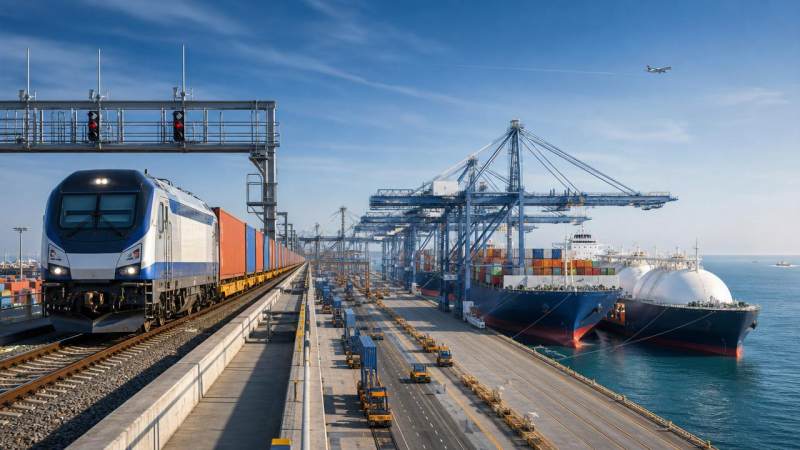
In intercontinental operations, hidden costs rarely appear as one dramatic failure. They grow through routine rail-to-port handoffs, incompatible data, delayed maintenance, and weak cross-border coordination. For long-horizon evaluation, understanding these cost layers is vital. In complex land-sea networks, intercontinental operations depend on signal reliability, traction stability, braking precision, vessel intelligence, and LNG transport resilience. When one layer slips, total efficiency falls faster than expected.
What do hidden costs in intercontinental operations actually include?
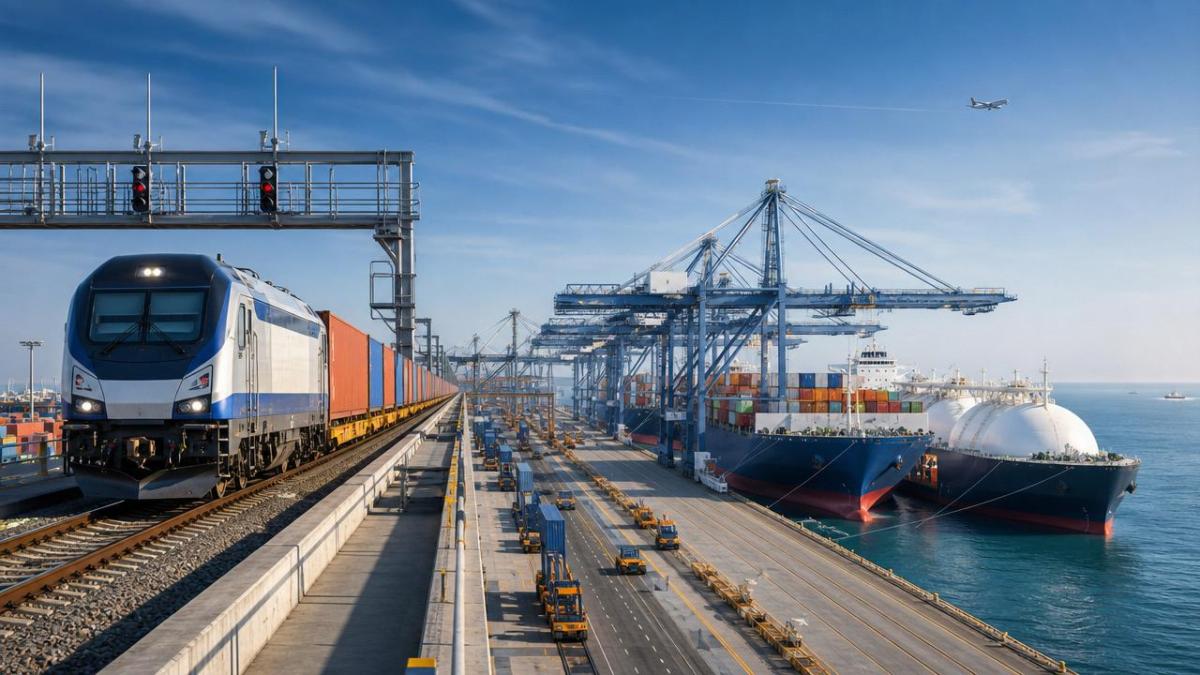
The term hidden costs in intercontinental operations covers losses not obvious in a purchase order or freight invoice. They emerge after deployment, scaling, or repeated disruption.
These costs often sit between systems rather than inside one asset. That is why they are missed during initial comparison.
Common hidden cost sources
- Signal control incompatibility across national rail standards
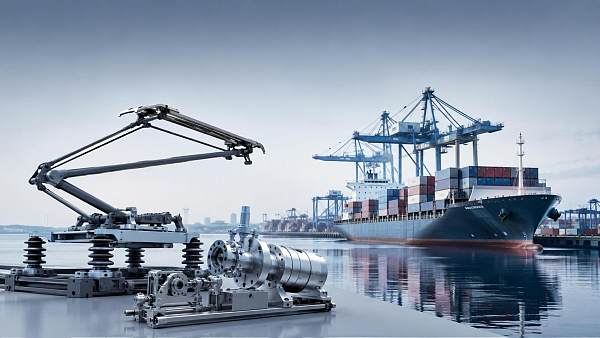
- Pantograph wear caused by unstable contact under high-speed conditions
- Braking inefficiency leading to longer stopping profiles and timetable buffers
- Port congestion from poor vessel route optimization
- LNG cargo handling delays linked to cryogenic maintenance complexity
- Decision lag caused by fragmented operational intelligence
GTOT tracks these interdependencies because modern intercontinental operations are not isolated procurement events. They are connected performance chains across railways, terminals, ships, and energy flows.
Why do routine handoffs create major losses in intercontinental operations?
A handoff looks simple on a schedule. In reality, every handoff transfers risk, data, accountability, and timing pressure.
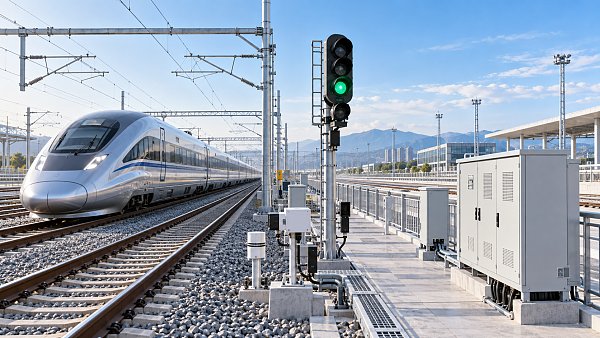
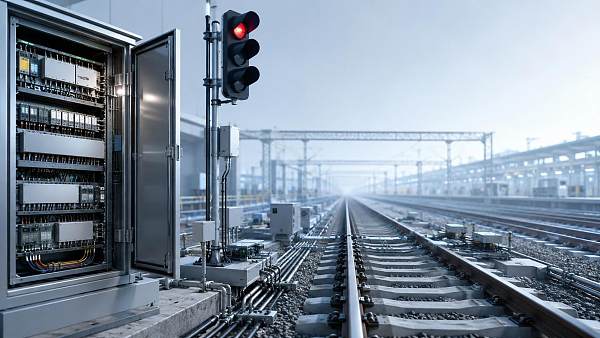
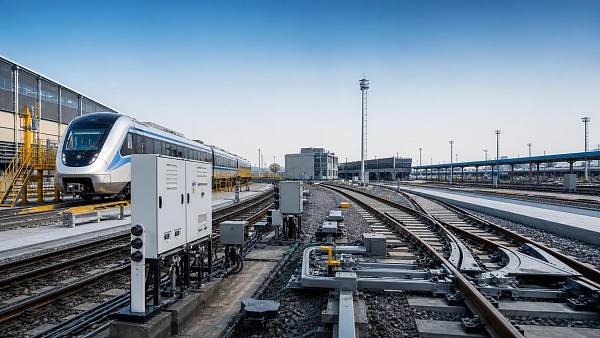
In rail segments, signal control systems act as the central nervous system. If onboard and wayside logic are poorly aligned, throughput drops before alarms appear.
At higher speeds, pantographs become another hidden cost center. Small deviations in contact stability can increase wear, trigger unscheduled maintenance, and reduce energy efficiency.
Braking systems add a further layer. In intercontinental operations, braking is not only a safety tool. It directly influences headway, turnaround time, and network confidence.
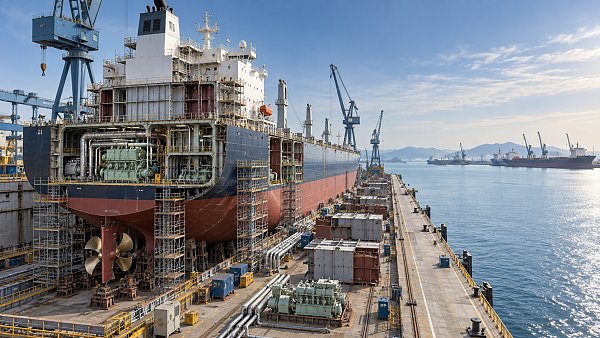
Maritime handoffs are equally sensitive. A smart container ship may optimize its voyage, yet still lose value if port systems cannot absorb arrival data in time.
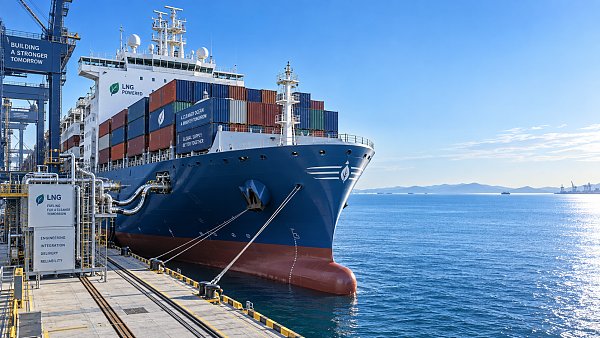
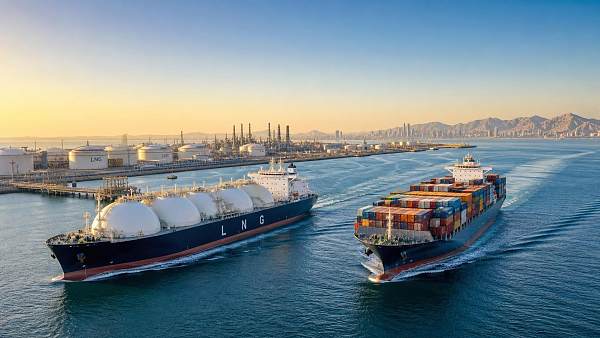
For LNG carriers, handoffs become even tighter. Cryogenic containment, berth readiness, weather windows, and dual-fuel support must align precisely.
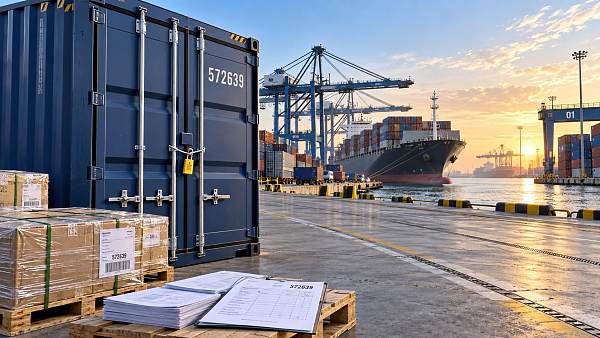
When these handoffs fail, intercontinental operations absorb hidden costs through demurrage, idle assets, energy waste, and schedule erosion.
Which technical mismatches most often erode value?
Technical mismatches in intercontinental operations usually begin with assumptions. One side expects interoperability. The other side delivers local optimization.
High-impact mismatch areas
- Safety standard gaps between railway signaling architectures
- Mechanical tolerance mismatch between pantograph and catenary environments
- Brake material performance variation under climate or load extremes
- Weak integration between shipboard AI and terminal operating systems
- Containment stress assumptions that underestimate LNG voyage conditions
A system can meet its own specification and still fail the operational mission. That distinction matters greatly in intercontinental operations.
For example, SIL4-compliant rail control may still underperform if communication latency reduces practical throughput. Likewise, an advanced LNG carrier may lose returns through maintenance complexity not reflected in basic technical brochures.
GTOT’s intelligence approach is useful here because it links component detail with corridor-level consequences. That is where many hidden costs become measurable.
How should intercontinental operations be evaluated beyond upfront price?
A strong evaluation framework for intercontinental operations should combine technical integrity, lifecycle economics, and adaptability under changing trade conditions.
Five practical judgment dimensions
- Interoperability across land and sea interfaces
- Maintenance predictability and spare part visibility
- Energy efficiency under real operating stress
- Digital readiness for monitoring, analytics, and remote support
- Resilience against regulation, route shifts, and fuel transition pressure
This wider lens prevents false savings. Lower purchase cost can produce higher network cost if reliability falls or integration time expands.
In railway systems, lifecycle questions should include contact stability, brake fade behavior, software update discipline, and fault diagnostics accuracy.
In shipping, the same principle applies through route optimization quality, hull-to-port digital coordination, boil-off management, and containment durability.
The best intercontinental operations models are designed for volatility, not ideal conditions. They assume disruption and price flexibility accordingly.
What mistakes lead to delayed decisions and compounding cost?
Delayed decisions are expensive because intercontinental operations move continuously. Waiting often shifts a manageable issue into a cascading one.
Frequent decision errors
- Reviewing equipment in isolation from corridor performance
- Using static demand assumptions in dynamic trade environments
- Ignoring maintenance data until failure rates become visible
- Separating rail and maritime planning teams completely
- Undervaluing intelligence on shipbuilding cycles and infrastructure timing
The result is often familiar. Fleet upgrades come late, signaling modernization loses sequence, and logistics nodes become bottlenecks instead of multipliers.
GTOT’s Strategic Intelligence Center addresses this issue by combining sector news with trend analysis. That combination supports earlier, better-grounded judgment.
Where do digitalization and decarbonization create both savings and new risk?
Digitalization and decarbonization are essential for intercontinental operations, yet they can introduce hidden costs when adopted without system discipline.
On rail corridors, digital signaling and LTE-M connectivity can improve visibility and automation. However, poor integration can increase cybersecurity exposure and maintenance complexity.
For traction systems, efficiency gains depend on stable current collection. If pantograph performance declines, energy targets become harder to achieve.
At sea, smart vessels promise lower fuel use and better routing. But data quality, port interoperability, and crew support determine whether promised gains become real.
LNG carriers illustrate the balance clearly. They support cleaner energy transport, yet demand strict cryogenic engineering, containment monitoring, and dual-fuel expertise.
So the question is not whether to modernize intercontinental operations. It is how to modernize without adding unmanaged complexity.
What practical checklist helps reduce hidden costs in intercontinental operations?
The following table summarizes common questions and practical checks for intercontinental operations.
This checklist keeps intercontinental operations grounded in evidence. It also supports better comparison between rail assets, smart ships, and LNG logistics systems.
Intercontinental operations succeed when technical details are connected to corridor outcomes. Hidden costs build up where that connection is weak.
A practical next step is to review one operating corridor end to end. Track where data pauses, maintenance surprises, or timing mismatches already exist.
From there, use intelligence that links rail signaling, pantographs, braking, smart vessels, and LNG shipping as one strategic system. That is how stronger intercontinental operations are built.
Recommended News
 Sep 29, 2026What drives traction systems price differences between rail projects?Traction systems price differences explained: compare duty cycles, voltage compatibility, integration, localization, and lifecycle costs for smarter rail procurement.
 Sep 26, 2026What to assess before selecting an electric traction system manufacturerChoose an electric traction system manufacturer with confidence. Explore key criteria for performance, reliability, safety, integration, energy efficiency, and lifecycle support.
 Sep 25, 2026When do full digitalization systems justify the investment?Full digitalization systems: discover when rail and maritime operators can turn connected data into safer operations, higher availability, and measurable ROI.
 Sep 23, 2026What drives automatic train control systems cost on rail projects?Automatic train control systems cost depends on integration, migration, safety testing, communications, and lifecycle support. Explore the key budget drivers for rail projects.
 Sep 21, 2026How to assess an ocean going vessel builder’s delivery riskAssess an ocean going vessel builder’s delivery risk with proven checks for schedules, capacity, design maturity, critical equipment, quality, and project controls.
 Sep 20, 2026What drives rail safety technology costs over a project lifecycle?Rail safety technology cost goes beyond equipment—explore lifecycle drivers from integration and safety assurance to cybersecurity, commissioning, and obsolescence.
 Sep 16, 2026What to verify before choosing an advanced ocean-going vessels supplierAdvanced ocean-going vessels supplier checklist: verify design authority, build quality, digital systems, delivery reliability, and lifecycle support before you buy.
 Sep 15, 2026What rail safety technology best reduces level-crossing risks in Southeast Asia?Rail safety technology Southeast Asia: discover how fail-safe signalling, barriers, obstacle detection and remote monitoring reduce level-crossing risks.
 Sep 14, 2026How exporters can reduce customs delays in global trade logisticsGlobal trade logistics for exporters: reduce customs delays with accurate data, clearance-ready documents, early filing, and proactive exception management.
 Sep 13, 2026When do global transportation network systems reduce delivery delays?Global transportation network systems reduce delivery delays by improving rail-port-vessel coordination, real-time visibility, and proactive decisions across complex land-sea supply chains.
 Sep 09, 2026When should you choose a rail and maritime manufacturer with dual-sector capability?Rail and maritime manufacturer guide: learn when dual-sector capability reduces integration risk, improves lifecycle support, and strengthens rail-to-port operations.
 Sep 08, 2026What to verify before selecting a railway signalling equipment supplierRailway signalling equipment supplier checklist: verify safety evidence, integration, cybersecurity, delivery capability, and lifecycle support before award.
 Sep 07, 2026How to size a traction power transformer for railway load demandTraction power transformer sizing guide: model railway load demand, peak duty, voltage regulation, harmonics, and contingency capacity for reliable service.
 Sep 07, 2026How do customization options for industrial connectors affect lead times?Customization options for industrial connectors can impact lead times, cost, and compliance. Learn how to specify smarter for rail and marine projects.
 Sep 05, 2026What information should an industrial sourcing guide include?Industrial sourcing information procurement guide: evaluate suppliers, compliance, lifecycle costs, interfaces, and lead times for smarter rail and maritime purchasing decisions.
 Sep 01, 2026How to find reliable maritime tender information before biddingMaritime tender information: learn how to verify sources, define bid-ready scopes, check qualifications, and reduce risk before submitting competitive marine bids.
 Aug 30, 2026How to select railway automation equipment for depots with phased upgradesRailway automation equipment for depots: learn how to plan phased upgrades that improve safety, throughput, integration, and lifecycle control.
 Aug 27, 2026How industrial sourcing intelligence pricing data supports budget approvalIndustrial sourcing intelligence pricing data helps teams benchmark scope, assess supplier risk, and build defensible budget approvals for complex rail and maritime assets.
 Aug 26, 2026When does a marine fuel efficiency solution make financial sense in the Middle East?Marine fuel efficiency solution Middle East: learn when retrofit savings, compliance value, and vessel data align to deliver credible ROI and smarter shipping investment decisions.
 Aug 24, 2026When does maritime automation for tankers deliver a real payback?Maritime automation for tankers delivers real payback when it cuts fuel use, reduces cargo risk, and improves uptime. See how owners can time investment for stronger ROI.
 Aug 23, 2026When do maritime logistics systems in the Middle East justify the costMaritime logistics systems Middle East: discover when rising delays, manual coordination, and poor visibility make system investment the smarter move for regional operators.
 Aug 22, 2026What drives vessel navigation system price for commercial fleetsVessel navigation system price depends on integration, compliance, automation, and support—not just hardware. Learn what drives fleet costs and compare quotes with confidence.
 Aug 21, 2026How to assess shipbuilding maritime tenders before biddingShipbuilding maritime tenders require more than price checks. Learn how to assess technical scope, compliance, supply chain, and commercial risk before bidding with confidence.
 Aug 20, 2026When does working with an ocean-going vessels distributor reduce supply risk?Ocean-going vessels distributor: learn when this partner cuts supply risk through stronger compliance, faster response, and better sourcing resilience in complex maritime procurement.