



Search News
Industry Portal
Popular Tags
How Smart City Transportation Infrastructure Cuts Congestion Risks
Author
Time
Click Count
Why congestion risk now depends on smarter infrastructure choices
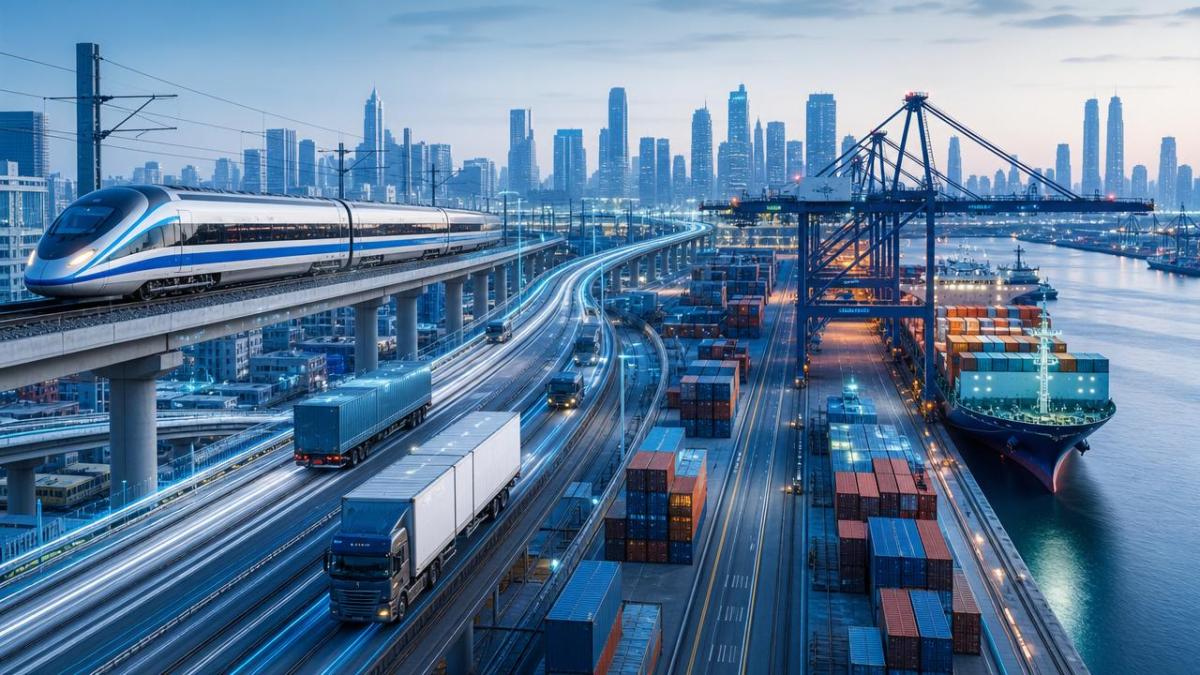
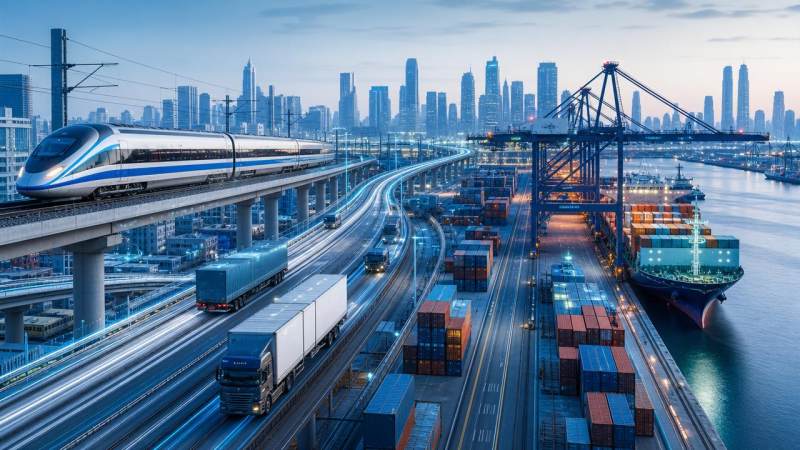
Transportation infrastructure for smart cities now shapes how reliably urban regions move people, freight, and critical services.
The real issue is not only road capacity.
It is whether signals, rail control, ports, energy systems, and data platforms respond together under pressure.
That is where congestion risk becomes operational, not theoretical.
A delayed metro interchange can spill into bus corridors.
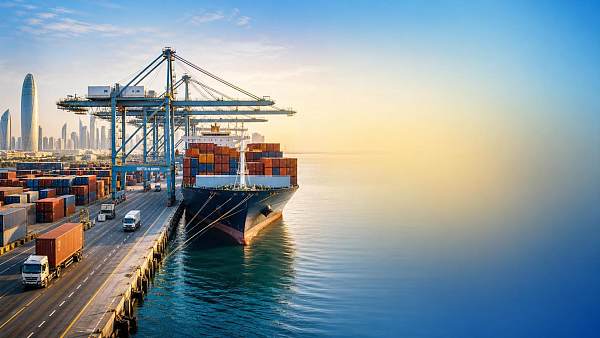
A port gate bottleneck can back up truck routes and urban logistics hubs within hours.
In this setting, transportation infrastructure for smart cities must work as a coordinated control environment.
This is also why cross-domain intelligence matters.
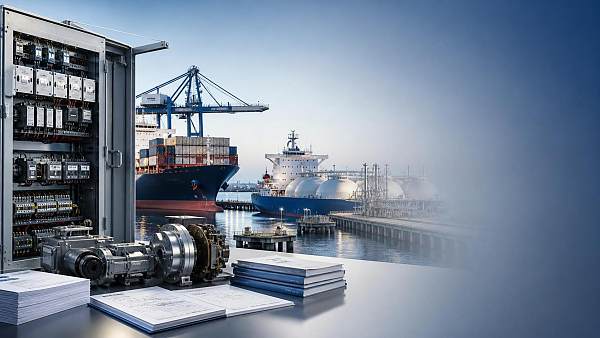
GTOT follows rail signalling, traction power, braking systems, smart vessels, and LNG shipping because urban congestion no longer sits inside one transport silo.
Land and sea networks increasingly share the same resilience question.
How fast can operators detect friction, re-route flows, and protect safety without losing throughput?
Different urban settings create different congestion pressures
In practice, transportation infrastructure for smart cities is rarely judged by one universal standard.
A dense metro core behaves differently from an industrial port district.
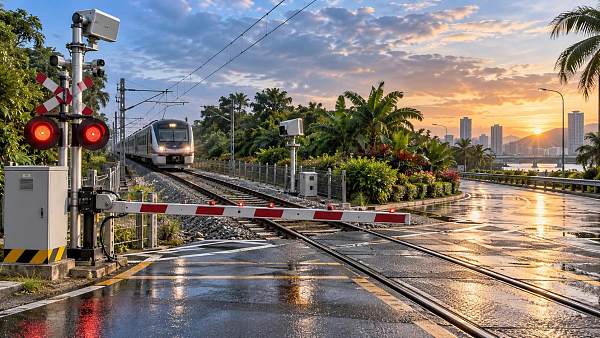
A rail-led commuter belt has different control priorities from a mixed corridor carrying buses, light rail, and delivery fleets.
The main reason is flow variability.
Some networks face predictable peak surges.
Others face disruption from weather, vessel schedules, power fluctuation, or signaling conflicts.
More common mistakes happen when planners treat similar traffic volumes as identical operating conditions.
Volume alone does not explain congestion risk.
Dwell time sensitivity, dispatch accuracy, braking distance, electrical stability, and multimodal transfer friction often matter more.
Where urban rail density changes the decision logic
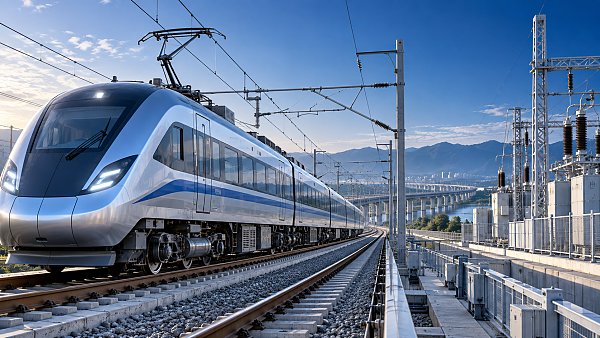
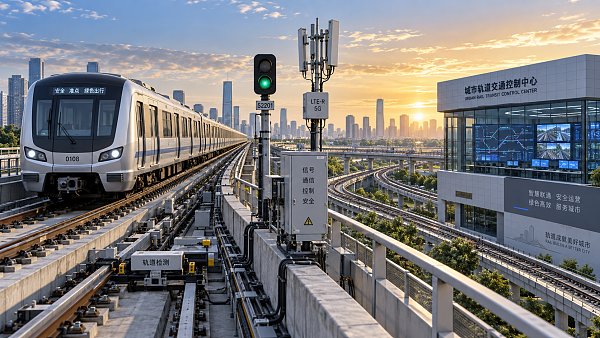
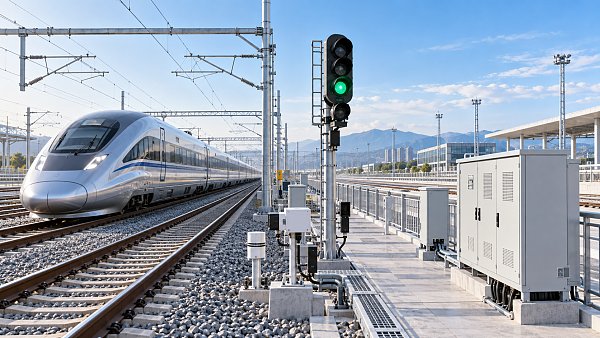
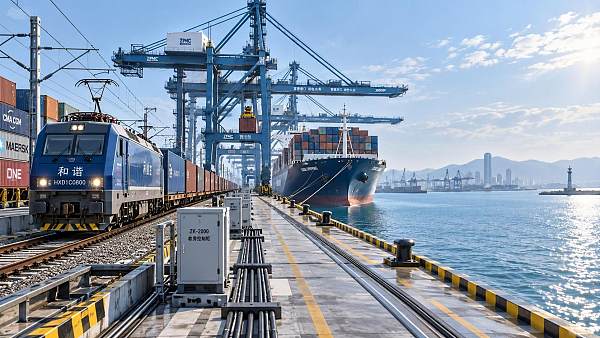
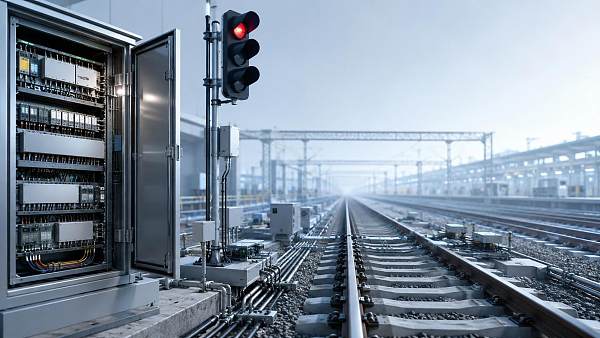
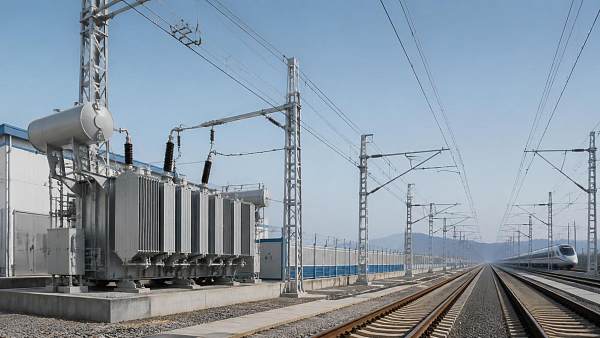
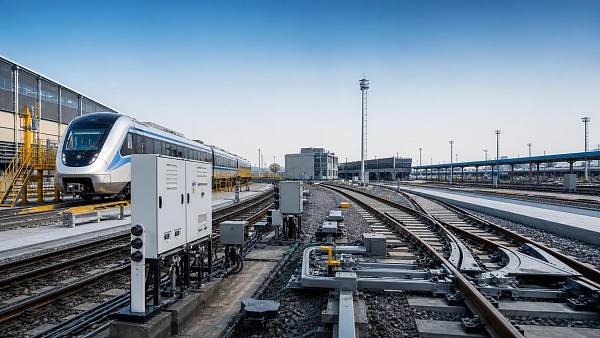
In high-frequency rail corridors, transportation infrastructure for smart cities depends heavily on signal precision and fail-safe automation.
When train headways tighten, minor control delays multiply quickly.
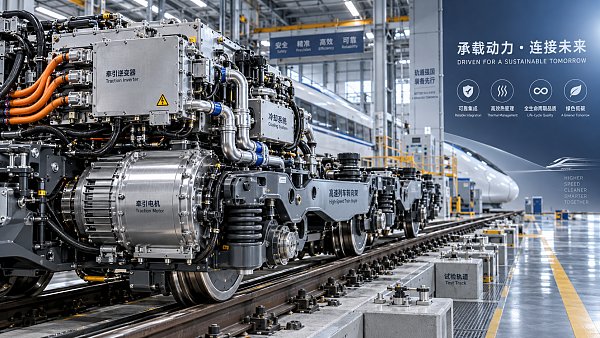
This is why SIL4-grade signalling, interlocking reliability, and stable traction interfaces matter beyond pure safety compliance.
They directly affect congestion prevention.
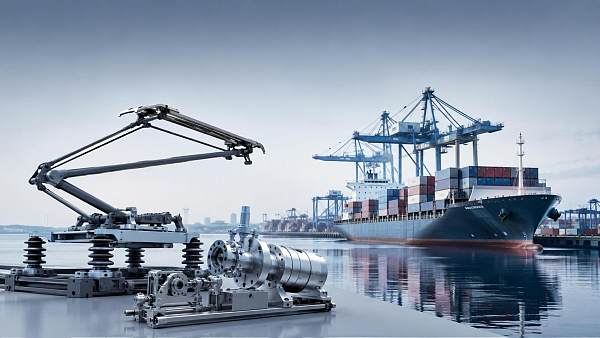
Pantograph performance also enters the equation.
Under vibration, wind load, or speed above 350 km/h, unstable current collection can create service irregularity before any major fault appears.
In actual deployment, the better judgment is to examine power continuity together with timetable density.
Where ports and logistics corridors create hidden urban congestion
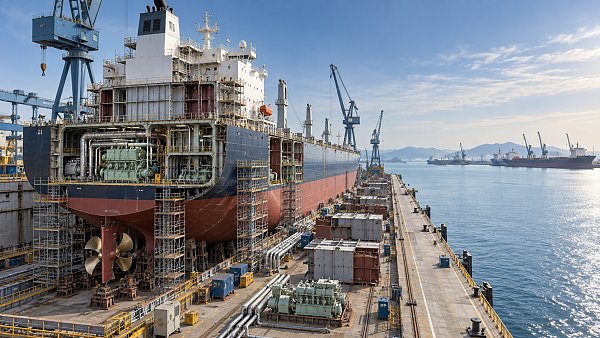
Another common scenario sits near smart ports and coastal logistics zones.
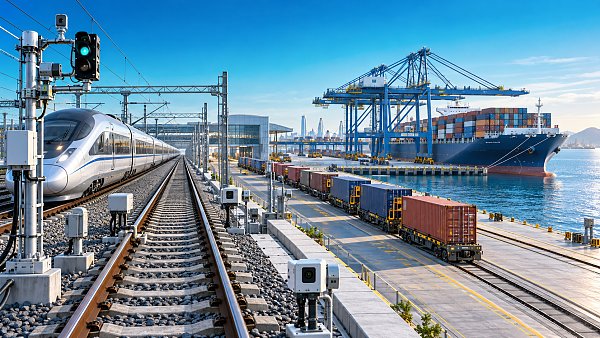
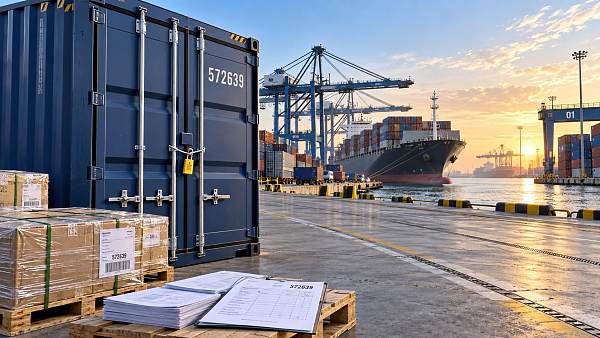
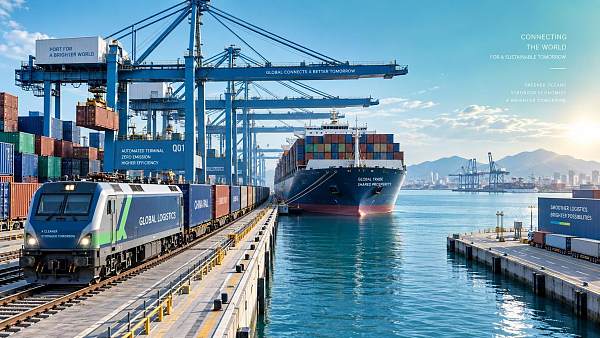
Here, transportation infrastructure for smart cities must absorb vessel arrivals, yard activity, truck dispatch, and inland rail handover.
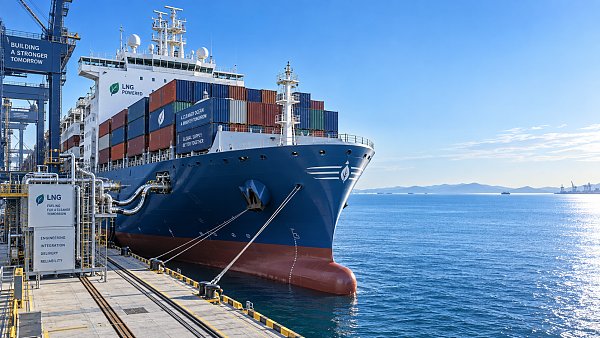
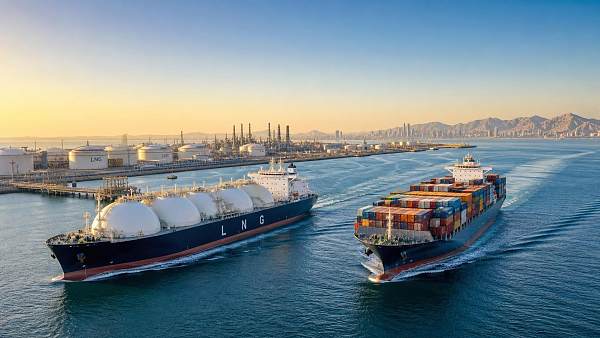
Smart container ships can optimize routes at sea, yet city-side bottlenecks still emerge if berth windows, gate systems, and rail departure slots are disconnected.
This is where GTOT’s land-sea perspective becomes useful.
The same intelligence stitching applied to vessel operations also improves urban corridor visibility.
Congestion is often reduced not by building more lanes, but by synchronizing marine, rail, and roadway decisions earlier.
What to compare before choosing transportation infrastructure for smart cities
Different conditions usually become clearer when compared side by side.
The table below highlights where decision priorities diverge.
This comparison shows why transportation infrastructure for smart cities cannot be selected through generic digitalization claims.
Each setting asks a different question about control speed, tolerance, and coordination depth.
The strongest systems connect control, power, and movement
A useful rule is to look beyond visible traffic assets.
Transportation infrastructure for smart cities performs best when control logic, traction systems, braking response, and operating data are aligned.
Rail systems make this relationship easy to see.
If braking consistency degrades, dwell margins disappear.
If traction power fluctuates, service reliability falls before dashboards show severe alarms.
If signaling recovery is slow, congestion spreads across the line.
The same pattern exists in maritime-linked infrastructure.
Route optimization at sea only helps cities when berth sequencing, inland transfer, and terminal controls are equally responsive.
That is why GTOT’s coverage of smart vessels, cryogenic shipping, and rail intelligence is not incidental.
Urban congestion is increasingly influenced by how these systems interact across the broader supply chain artery.
What usually gets misjudged before rollout
- Assuming sensor density alone creates smart performance, while control response remains slow.
- Comparing capital cost without modeling maintenance windows and recovery losses.
- Treating a commuter rail corridor like a port logistics corridor because both look capacity constrained.
- Checking equipment parameters without validating local vibration, weather, or energy conditions.
- Adding multimodal links without defining who owns dispatch decisions during disruption.
These errors often appear late, when retrofit costs are highest.
A more reliable approach is to stress-test normal operations and degraded operations separately.
How to adapt transportation infrastructure for smart cities with fewer blind spots
Adaptation works better when the network is broken into operational decision layers.
One layer covers flow prediction.
Another covers control execution.
A third covers recovery after disturbance.
For dense transit networks, prioritize low-latency signalling, braking consistency, and traction reliability as one package.
For freight-heavy districts, emphasize gate orchestration, rail slot coordination, and predictive truck staging.
For coastal energy routes, combine safety zoning with redundancy in routing logic and emergency communication.
In actual use, the most practical checklist often includes the following.
- Map where congestion starts, not only where it becomes visible.
- Confirm which assets require real-time interoperability.
- Measure tolerance for delay in seconds, not general percentages.
- Review maintenance access, spare strategy, and fault isolation rules early.
- Check whether future expansion changes control architecture or only physical capacity.
This method keeps transportation infrastructure for smart cities tied to operational reality rather than presentation-level smartness.
A practical next step for reducing congestion risk
The most effective transportation infrastructure for smart cities is usually the one that fits local flow behavior, control limits, and long-cycle maintenance demands.
That fit looks different in a high-density metro, a port rail interface, or an LNG-linked coastal corridor.
The common thread is disciplined coordination.
Signal intelligence, power stability, braking precision, vessel scheduling, and corridor visibility should be reviewed as one system.
A sensible next move is to sort current projects by operating scenario, compare failure points, and define which congestion triggers can be controlled upstream.
From there, it becomes easier to set adaptation standards, validate implementation difficulty, and identify where strategic intelligence can improve resilient mobility across land and sea.
Recommended News
 Sep 29, 2026What drives traction systems price differences between rail projects?Traction systems price differences explained: compare duty cycles, voltage compatibility, integration, localization, and lifecycle costs for smarter rail procurement.
 Sep 26, 2026What to assess before selecting an electric traction system manufacturerChoose an electric traction system manufacturer with confidence. Explore key criteria for performance, reliability, safety, integration, energy efficiency, and lifecycle support.
 Sep 25, 2026When do full digitalization systems justify the investment?Full digitalization systems: discover when rail and maritime operators can turn connected data into safer operations, higher availability, and measurable ROI.
 Sep 23, 2026What drives automatic train control systems cost on rail projects?Automatic train control systems cost depends on integration, migration, safety testing, communications, and lifecycle support. Explore the key budget drivers for rail projects.
 Sep 21, 2026How to assess an ocean going vessel builder’s delivery riskAssess an ocean going vessel builder’s delivery risk with proven checks for schedules, capacity, design maturity, critical equipment, quality, and project controls.
 Sep 20, 2026What drives rail safety technology costs over a project lifecycle?Rail safety technology cost goes beyond equipment—explore lifecycle drivers from integration and safety assurance to cybersecurity, commissioning, and obsolescence.
 Sep 16, 2026What to verify before choosing an advanced ocean-going vessels supplierAdvanced ocean-going vessels supplier checklist: verify design authority, build quality, digital systems, delivery reliability, and lifecycle support before you buy.
 Sep 15, 2026What rail safety technology best reduces level-crossing risks in Southeast Asia?Rail safety technology Southeast Asia: discover how fail-safe signalling, barriers, obstacle detection and remote monitoring reduce level-crossing risks.
 Sep 14, 2026How exporters can reduce customs delays in global trade logisticsGlobal trade logistics for exporters: reduce customs delays with accurate data, clearance-ready documents, early filing, and proactive exception management.
 Sep 13, 2026When do global transportation network systems reduce delivery delays?Global transportation network systems reduce delivery delays by improving rail-port-vessel coordination, real-time visibility, and proactive decisions across complex land-sea supply chains.
 Sep 09, 2026When should you choose a rail and maritime manufacturer with dual-sector capability?Rail and maritime manufacturer guide: learn when dual-sector capability reduces integration risk, improves lifecycle support, and strengthens rail-to-port operations.
 Sep 08, 2026What to verify before selecting a railway signalling equipment supplierRailway signalling equipment supplier checklist: verify safety evidence, integration, cybersecurity, delivery capability, and lifecycle support before award.
 Sep 07, 2026How to size a traction power transformer for railway load demandTraction power transformer sizing guide: model railway load demand, peak duty, voltage regulation, harmonics, and contingency capacity for reliable service.
 Sep 07, 2026How do customization options for industrial connectors affect lead times?Customization options for industrial connectors can impact lead times, cost, and compliance. Learn how to specify smarter for rail and marine projects.
 Sep 05, 2026What information should an industrial sourcing guide include?Industrial sourcing information procurement guide: evaluate suppliers, compliance, lifecycle costs, interfaces, and lead times for smarter rail and maritime purchasing decisions.
 Sep 01, 2026How to find reliable maritime tender information before biddingMaritime tender information: learn how to verify sources, define bid-ready scopes, check qualifications, and reduce risk before submitting competitive marine bids.
 Aug 30, 2026How to select railway automation equipment for depots with phased upgradesRailway automation equipment for depots: learn how to plan phased upgrades that improve safety, throughput, integration, and lifecycle control.
 Aug 27, 2026How industrial sourcing intelligence pricing data supports budget approvalIndustrial sourcing intelligence pricing data helps teams benchmark scope, assess supplier risk, and build defensible budget approvals for complex rail and maritime assets.
 Aug 26, 2026When does a marine fuel efficiency solution make financial sense in the Middle East?Marine fuel efficiency solution Middle East: learn when retrofit savings, compliance value, and vessel data align to deliver credible ROI and smarter shipping investment decisions.
 Aug 24, 2026When does maritime automation for tankers deliver a real payback?Maritime automation for tankers delivers real payback when it cuts fuel use, reduces cargo risk, and improves uptime. See how owners can time investment for stronger ROI.
 Aug 23, 2026When do maritime logistics systems in the Middle East justify the costMaritime logistics systems Middle East: discover when rising delays, manual coordination, and poor visibility make system investment the smarter move for regional operators.
 Aug 22, 2026What drives vessel navigation system price for commercial fleetsVessel navigation system price depends on integration, compliance, automation, and support—not just hardware. Learn what drives fleet costs and compare quotes with confidence.
 Aug 21, 2026How to assess shipbuilding maritime tenders before biddingShipbuilding maritime tenders require more than price checks. Learn how to assess technical scope, compliance, supply chain, and commercial risk before bidding with confidence.
 Aug 20, 2026When does working with an ocean-going vessels distributor reduce supply risk?Ocean-going vessels distributor: learn when this partner cuts supply risk through stronger compliance, faster response, and better sourcing resilience in complex maritime procurement.