



Search News
Industry Portal
Popular Tags
Absolute Safety in Rail Systems: Standards, Gaps, and Practical Limits
Author
Time
Click Count
Why Absolute Safety Remains a Moving Target
In rail systems, absolute safety sounds final, measurable, and non-negotiable. In practice, it is a disciplined pursuit shaped by engineering limits, operating uncertainty, and the consequences of failure.
That tension matters more now because rail networks carry higher speeds, denser traffic, and stronger expectations for automation, uptime, and decarbonized mobility.
For organizations tracking control systems, traction interfaces, braking performance, and infrastructure resilience, absolute safety is not a slogan. It is a framework for deciding what must never fail, what may degrade, and how fast operators can recover.
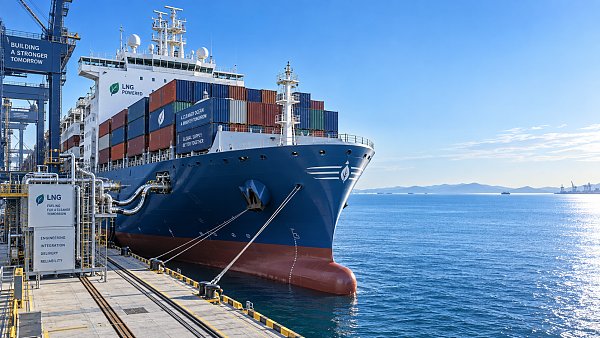
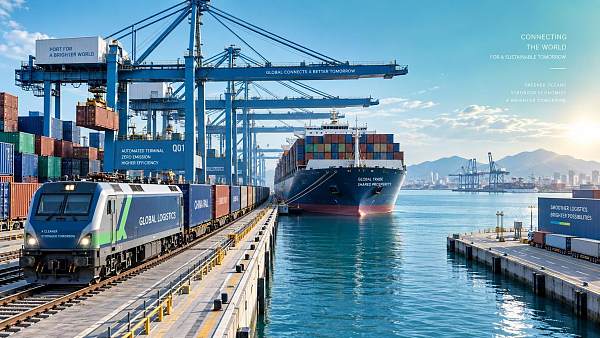
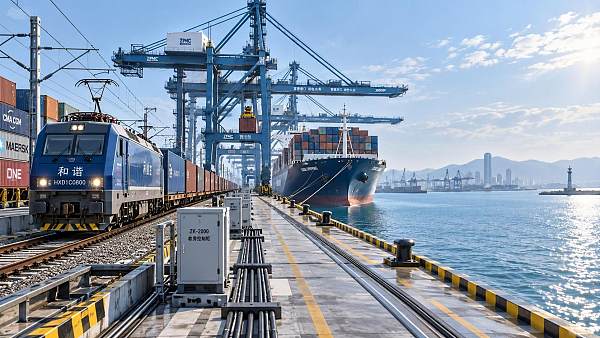
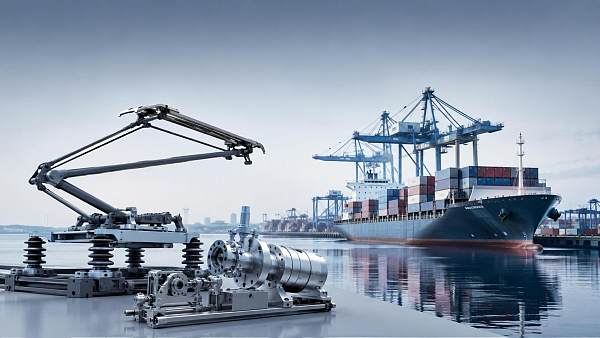
GTOT follows this question closely because railway signalling, pantographs, and braking systems are not isolated components. They sit inside a wider land-sea logistics chain where disruption in one node can ripple across ports, terminals, and supply corridors.
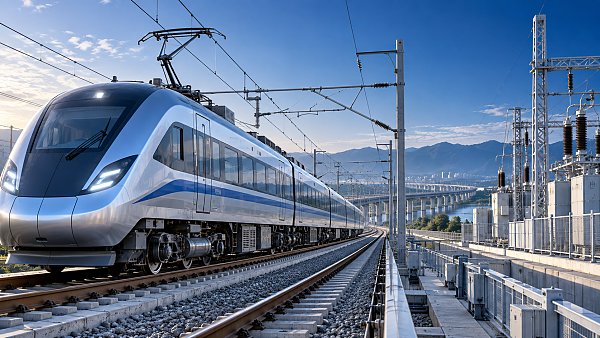
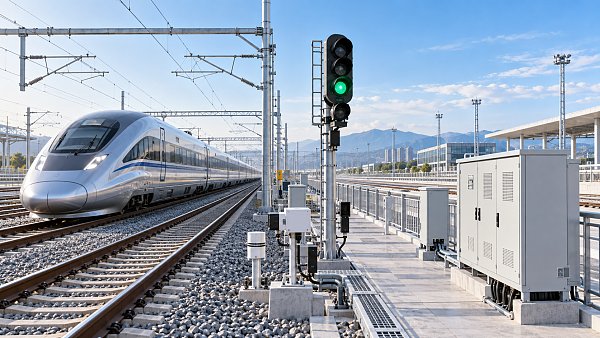
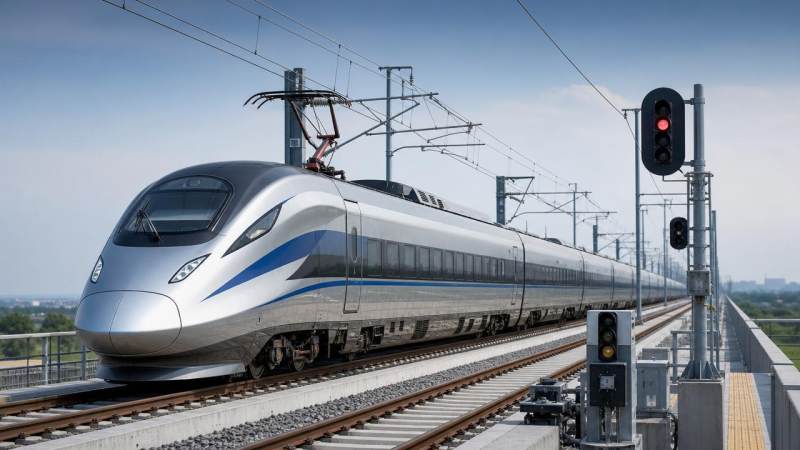
A visual view helps:
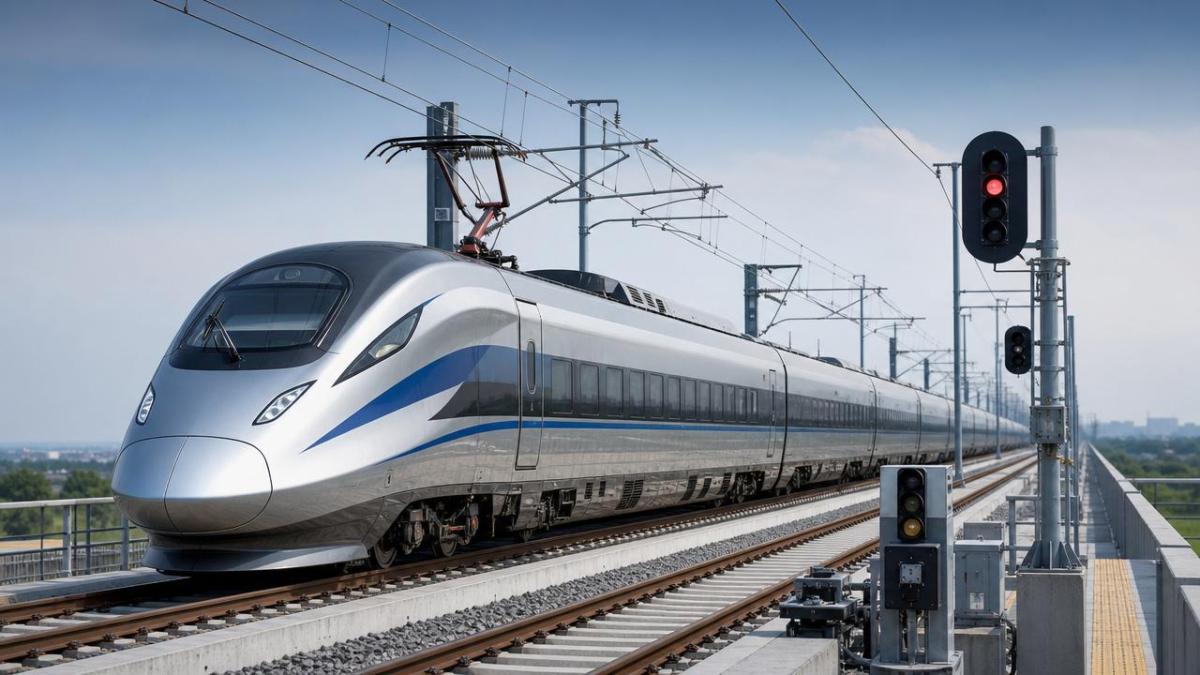
The practical issue is simple. Rail can approach extremely high safety integrity, but absolute safety in the literal sense remains constrained by human factors, interface complexity, and rare events that standards cannot fully predict.
What the Industry Means by Absolute Safety
In operational terms, absolute safety does not mean zero theoretical risk. It means reducing intolerable risk to an acceptably controlled level through design, validation, redundancy, monitoring, and disciplined maintenance.
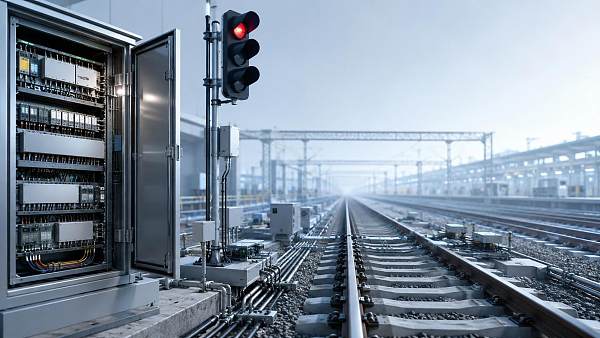
Railways express this through safety cases, fail-safe logic, hazard analysis, and integrity levels such as SIL4 for critical signalling functions.
The strongest systems assume components will fail. They are designed so failure does not automatically become catastrophe.
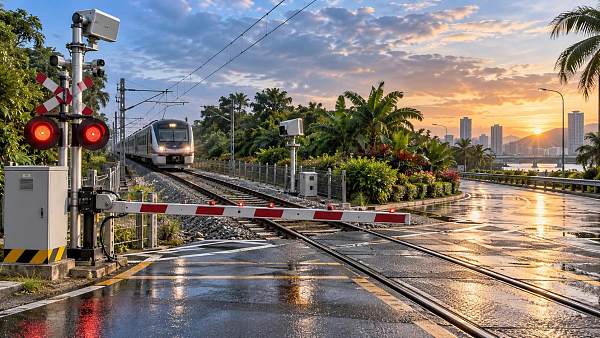
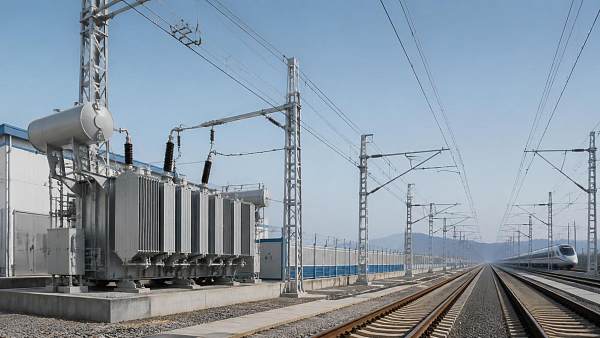
This is why interlocking systems default to restrictive states, braking systems include multiple layers of intervention, and power collection equipment is validated under wind, vibration, icing, and wear.
From a quality perspective, absolute safety depends less on a single superior part and more on the integrity of interfaces between software, hardware, maintenance routines, and operating rules.
Where Standards Deliver Real Protection
Modern standards have significantly improved rail safety performance. They create common language for risk, test discipline for critical systems, and traceability from hazard identification to field verification.
That value becomes clearer when looking at how different domains are controlled.
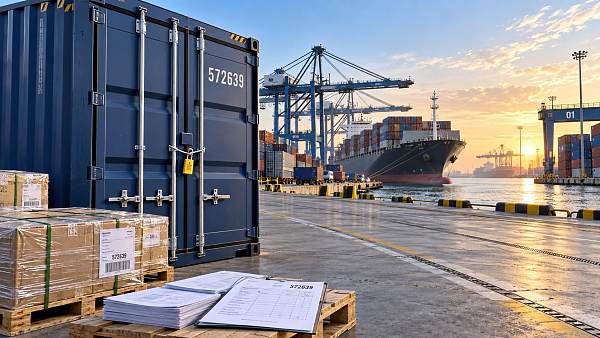
These controls matter beyond rail alone. In integrated transport chains, predictable rail safety performance supports port timing, vessel loading windows, and inland distribution reliability.
That wider systems view is one reason intelligence platforms like GTOT track rail and maritime equipment together rather than as separate worlds.
The Gaps Standards Cannot Fully Close
Even well-written standards have boundaries. They are strongest at defining expected conditions, validation procedures, and acceptable design logic.
They are less powerful when systems face interacting anomalies across organizational, environmental, and digital layers.
Complex interfaces create hidden risk
A signalling controller may be compliant. A brake subsystem may be certified. A communications link may pass testing. The operational gap often appears between these verified elements.
Timing conflicts, software updates, sensor drift, and legacy integration can produce conditions not captured during formal approval.
Human performance still shapes outcomes
Absolute safety depends on inspection quality, alarm interpretation, rule compliance, and response speed during degraded operation.
A technically safe design can still fail under workload pressure, unclear procedures, or poor handover between maintenance and operations.
Rare events are hard to model perfectly
Extreme weather, cyber intrusion, simultaneous subsystem faults, and unusual contamination patterns challenge assumptions built into testing envelopes.
This is where practical limits appear. The system may remain safe, but not necessarily uninterrupted, efficient, or easy to restore.
How Absolute Safety Looks in Daily Rail Operations
The most useful way to judge absolute safety is not by policy language alone. It is by how the system behaves under stress, drift, and degraded states.
Several operating scenarios reveal the difference between nominal compliance and real resilience.
- High-speed corridors require stable pantograph-catenary interaction, because power instability can trigger cascading control and braking consequences.
- Urban automated lines depend on signalling integrity and communications continuity, where small latency issues can reduce safety margins quickly.
- Heavy haul and mixed-traffic routes expose braking systems to different load states, adhesion changes, and longer recovery windows.
- Cross-border or legacy networks often face interface inconsistencies that are operationally manageable, but difficult to standardize perfectly.
In each case, absolute safety is sustained by verification discipline, configuration control, and the ability to detect early deviation before it becomes a hazardous trend.
What Deserves Closer Attention in Quality and Safety Review
A useful review process looks beyond certification status. It tests whether the safety promise survives real operating conditions, maintenance cycles, and digital change.
Key questions that improve judgment
- Are failure modes evaluated at component level and interface level, especially between signalling, traction power, and braking control?
- Do validation tests reflect weather extremes, vibration, contamination, thermal stress, and recovery from degraded operation?
- Is configuration management strong enough to track software revisions, spare substitutions, and field modifications?
- Are near-miss events, nuisance alarms, and repeat defects treated as leading indicators rather than minor operational noise?
- Can suppliers demonstrate traceable performance data instead of relying only on catalogue claims or one-time certification?
This approach aligns with GTOT’s intelligence model. Technical credibility grows when performance evidence, trend analysis, and commercial decisions are stitched together rather than reviewed in isolation.
From Compliance to Resilience
The next step for rail organizations is not to abandon the idea of absolute safety. It is to define it more honestly.
A mature definition combines strict standards with operational resilience. That means safe failure, rapid diagnosis, transparent data, and disciplined recovery when conditions exceed assumptions.
It also means watching adjacent signals. LTE-M adoption, brake material behavior, control software changes, and supply chain pressure can all influence safety performance before incidents become visible.
For long-cycle infrastructure and rolling stock programs, this wider perspective is increasingly valuable. Rail no longer operates as an isolated technical island.
Absolute safety remains the correct ambition. The practical discipline is knowing where standards are strong, where gaps persist, and which parameters deserve deeper verification next.
A sensible next move is to map critical interfaces, review degraded-mode evidence, and compare supplier claims against field data before the next procurement, retrofit, or safety audit cycle.
Recommended News
 Sep 29, 2026What drives traction systems price differences between rail projects?Traction systems price differences explained: compare duty cycles, voltage compatibility, integration, localization, and lifecycle costs for smarter rail procurement.
 Sep 26, 2026What to assess before selecting an electric traction system manufacturerChoose an electric traction system manufacturer with confidence. Explore key criteria for performance, reliability, safety, integration, energy efficiency, and lifecycle support.
 Sep 25, 2026When do full digitalization systems justify the investment?Full digitalization systems: discover when rail and maritime operators can turn connected data into safer operations, higher availability, and measurable ROI.
 Sep 23, 2026What drives automatic train control systems cost on rail projects?Automatic train control systems cost depends on integration, migration, safety testing, communications, and lifecycle support. Explore the key budget drivers for rail projects.
 Sep 21, 2026How to assess an ocean going vessel builder’s delivery riskAssess an ocean going vessel builder’s delivery risk with proven checks for schedules, capacity, design maturity, critical equipment, quality, and project controls.
 Sep 20, 2026What drives rail safety technology costs over a project lifecycle?Rail safety technology cost goes beyond equipment—explore lifecycle drivers from integration and safety assurance to cybersecurity, commissioning, and obsolescence.
 Sep 16, 2026What to verify before choosing an advanced ocean-going vessels supplierAdvanced ocean-going vessels supplier checklist: verify design authority, build quality, digital systems, delivery reliability, and lifecycle support before you buy.
 Sep 15, 2026What rail safety technology best reduces level-crossing risks in Southeast Asia?Rail safety technology Southeast Asia: discover how fail-safe signalling, barriers, obstacle detection and remote monitoring reduce level-crossing risks.
 Sep 14, 2026How exporters can reduce customs delays in global trade logisticsGlobal trade logistics for exporters: reduce customs delays with accurate data, clearance-ready documents, early filing, and proactive exception management.
 Sep 13, 2026When do global transportation network systems reduce delivery delays?Global transportation network systems reduce delivery delays by improving rail-port-vessel coordination, real-time visibility, and proactive decisions across complex land-sea supply chains.
 Sep 09, 2026When should you choose a rail and maritime manufacturer with dual-sector capability?Rail and maritime manufacturer guide: learn when dual-sector capability reduces integration risk, improves lifecycle support, and strengthens rail-to-port operations.
 Sep 08, 2026What to verify before selecting a railway signalling equipment supplierRailway signalling equipment supplier checklist: verify safety evidence, integration, cybersecurity, delivery capability, and lifecycle support before award.
 Sep 07, 2026How to size a traction power transformer for railway load demandTraction power transformer sizing guide: model railway load demand, peak duty, voltage regulation, harmonics, and contingency capacity for reliable service.
 Sep 07, 2026How do customization options for industrial connectors affect lead times?Customization options for industrial connectors can impact lead times, cost, and compliance. Learn how to specify smarter for rail and marine projects.
 Sep 05, 2026What information should an industrial sourcing guide include?Industrial sourcing information procurement guide: evaluate suppliers, compliance, lifecycle costs, interfaces, and lead times for smarter rail and maritime purchasing decisions.
 Sep 01, 2026How to find reliable maritime tender information before biddingMaritime tender information: learn how to verify sources, define bid-ready scopes, check qualifications, and reduce risk before submitting competitive marine bids.
 Aug 30, 2026How to select railway automation equipment for depots with phased upgradesRailway automation equipment for depots: learn how to plan phased upgrades that improve safety, throughput, integration, and lifecycle control.
 Aug 27, 2026How industrial sourcing intelligence pricing data supports budget approvalIndustrial sourcing intelligence pricing data helps teams benchmark scope, assess supplier risk, and build defensible budget approvals for complex rail and maritime assets.
 Aug 26, 2026When does a marine fuel efficiency solution make financial sense in the Middle East?Marine fuel efficiency solution Middle East: learn when retrofit savings, compliance value, and vessel data align to deliver credible ROI and smarter shipping investment decisions.
 Aug 24, 2026When does maritime automation for tankers deliver a real payback?Maritime automation for tankers delivers real payback when it cuts fuel use, reduces cargo risk, and improves uptime. See how owners can time investment for stronger ROI.
 Aug 23, 2026When do maritime logistics systems in the Middle East justify the costMaritime logistics systems Middle East: discover when rising delays, manual coordination, and poor visibility make system investment the smarter move for regional operators.
 Aug 22, 2026What drives vessel navigation system price for commercial fleetsVessel navigation system price depends on integration, compliance, automation, and support—not just hardware. Learn what drives fleet costs and compare quotes with confidence.
 Aug 21, 2026How to assess shipbuilding maritime tenders before biddingShipbuilding maritime tenders require more than price checks. Learn how to assess technical scope, compliance, supply chain, and commercial risk before bidding with confidence.
 Aug 20, 2026When does working with an ocean-going vessels distributor reduce supply risk?Ocean-going vessels distributor: learn when this partner cuts supply risk through stronger compliance, faster response, and better sourcing resilience in complex maritime procurement.