



Search News
Industry Portal
Popular Tags
How EPC Contractors for Maritime Projects Reduce Delivery Risk
Author
Time
Click Count
Why are EPC contractors for maritime projects often seen as a risk-control model?
Maritime delivery risk rarely comes from one dramatic failure. It usually grows from small disconnects between design, sourcing, fabrication, testing, and site execution.
That is why EPC contractors for maritime projects matter. They place engineering, procurement, and construction inside one accountable structure instead of spreading responsibility across several disconnected vendors.
In practical terms, this reduces handoff gaps. Technical changes move faster, procurement decisions align with design intent, and schedule pressure becomes visible earlier.
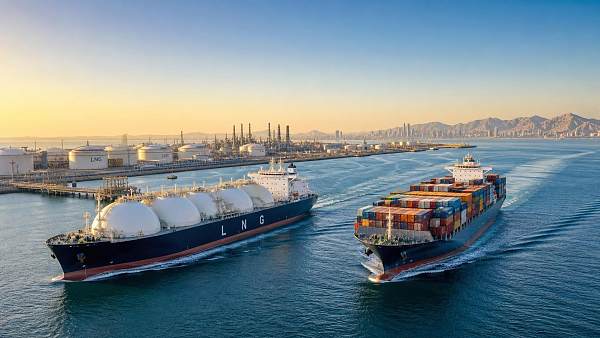
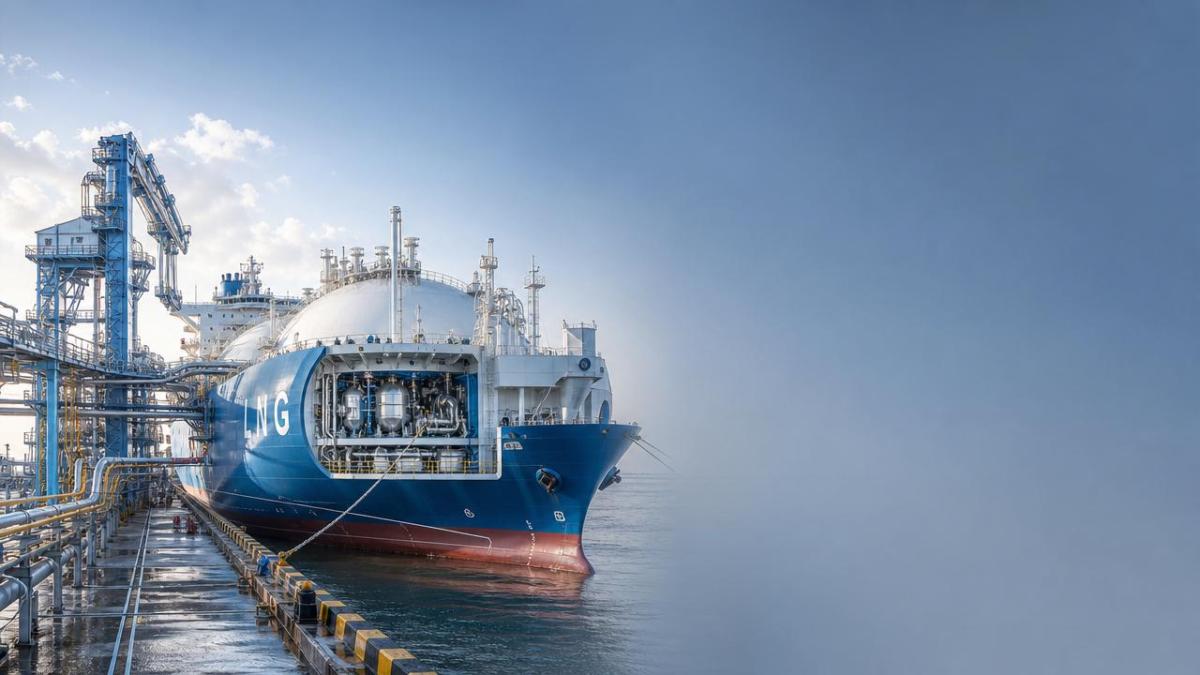
For offshore terminals, smart container ships, retrofit programs, and LNG-related assets, those links are critical. A delayed control package or an interface mismatch can affect commissioning far beyond one work package.
A strong EPC model does not eliminate uncertainty. It does, however, make uncertainty easier to identify, quantify, and manage before it turns into a delivery crisis.
This is also why intelligence-driven platforms such as GTOT stay relevant. In sectors where ship systems, rail-grade controls, traction technologies, and safety logic increasingly intersect, better information supports better execution decisions.
What delivery risks do EPC contractors for maritime projects actually reduce?
The short answer is not “all risks.” The more useful answer is that EPC contractors for maritime projects reduce the risks that usually come from fragmentation.
Those risks often appear in five areas:
- Interface risk between hull systems, cargo handling, propulsion, automation, and shore connection requirements.
- Procurement risk caused by long-lead items, specification drift, or supplier substitutions.
- Schedule risk when engineering release dates do not match yard, offshore, or commissioning sequences.
- Compliance risk linked to class rules, flag requirements, environmental standards, and safety approvals.
- Cost risk created by rework, variation orders, duplicated supervision, and late design correction.
Consider LNG carriers or smart vessel upgrades. A membrane containment detail, a cryogenic valve package, or a power management setting may affect multiple downstream systems.
When each package is managed separately, coordination depends too much on meetings and goodwill. An EPC structure replaces that with a defined chain of responsibility.
That structure becomes even more valuable when digitalization is involved. Remote monitoring, route optimization, integrated control layers, and data exchange require disciplined interface ownership.
A quick judgment table for common risk points
The table below shows where EPC contractors for maritime projects usually create the most visible risk reduction.
When does the EPC approach make the biggest difference?
Not every marine job needs the same delivery structure. The EPC approach becomes more valuable as technical coupling and schedule pressure increase.
It tends to make the biggest difference in projects with complex interfaces, restricted outage windows, and demanding compliance pathways.
Typical examples include:
- LNG carrier systems requiring cryogenic engineering, containment integrity, and dual-fuel integration.
- Smart container ship retrofits where software, sensors, power systems, and bridge logic must work together.
- Port and terminal upgrades that combine marine civil work with automation and shore-side energy systems.
- Specialized vessel programs where supplier qualification is tightly controlled by tender rules.
This is where cross-sector intelligence also starts to matter. GTOT’s focus on ship systems, control logic, braking science, and power transfer reflects a broader industry reality.
Advanced transport assets now share a similar challenge: safety-critical systems must remain stable under speed, vibration, thermal stress, and digital coordination demands.
In that environment, EPC contractors for maritime projects add value not only by building. They reduce the decision lag between technical insight and execution action.
How can you tell whether an EPC contractor will really protect schedule and cost?
This is usually the most important question. Many firms can present marine references, but fewer can show how they manage delivery logic under pressure.
A useful evaluation starts with evidence, not promises. Look for signs that the contractor can control interfaces before issues become claims.
The more reliable indicators include the following:
- A mature interface management process with named owners and escalation rules.
- Procurement visibility for long-lead equipment, including approved alternatives and inspection milestones.
- Commissioning plans developed early, not after fabrication is largely complete.
- Demonstrated experience with class approvals, safety cases, and technical documentation discipline.
- A realistic risk register tied to cost and schedule, rather than a generic compliance document.
It also helps to ask how they manage design maturity. If engineering continues to shift without clear freeze points, cost certainty will remain weak.
Another good sign is data fluency. EPC contractors for maritime projects increasingly need to interpret operational intelligence, supplier data, and testing results in one flow.
That is especially true for smart vessel programs, where software behavior and hardware readiness must be reviewed together, not in separate reporting silos.
What mistakes still create delivery risk even under an EPC contract?
An EPC contract can improve control, but it is not automatic protection. Some of the biggest risks come from assumptions made at the start.
One common mistake is treating scope definition as “good enough.” If battery limits, owner-supplied items, or digital interfaces stay vague, disputes will follow.
Another mistake is pushing award too early. Fast award can look efficient, but weak front-end definition often produces expensive rework later.
There is also a tendency to focus on price more than execution logic. The lowest bid may not include realistic allowances for testing, integration, and offshore constraints.
In actual projects, these warning signs deserve attention:
- Procurement starts before critical specifications are stable.
- Factory acceptance tests are not aligned with final operating conditions.
- Supplier documentation is accepted late and reviewed too narrowly.
- Schedule recovery depends on overtime rather than technical resequencing.
For sectors tracked by GTOT, that lesson appears repeatedly. High-performance transport systems succeed when technical rigor and commercial timing move together.
Whether the asset is an LNG carrier or a safety-critical rail subsystem, fragmented decisions usually cost more than disciplined preparation.
What should be confirmed before appointing EPC contractors for maritime projects?
Before appointment, it helps to shift the conversation from credentials to delivery behavior. The goal is to confirm how risk will be handled in daily execution.
A practical pre-award checklist usually covers these points:
- Which packages are genuinely integrated, and which remain external dependencies.
- What technical assumptions support the current price and delivery date.
- How long-lead vendors are qualified, monitored, and replaced if performance slips.
- How testing, harbor trials, and sea trials connect to acceptance milestones.
- How digital systems, safety systems, and mechanical systems share one change process.
This stage is also the right time to review external intelligence. Market data on shipbuilding cycles, equipment availability, tender restrictions, and technology shifts can refine risk assumptions.
That is where specialized insight platforms become useful without becoming promotional. GTOT’s land-sea perspective helps frame a wider question: which technical variables are likely to move during delivery?
If that question is answered early, EPC contractors for maritime projects can be assessed on their real ability to absorb complexity, not just on presentation quality.
The next sensible step is simple. Clarify your interface boundaries, test strategy, and long-lead exposure, then compare contractors against those exact delivery risks.
That approach makes selection more defensible and improves the odds of a safer, more predictable maritime project outcome.
Recommended News
 Sep 29, 2026What drives traction systems price differences between rail projects?Traction systems price differences explained: compare duty cycles, voltage compatibility, integration, localization, and lifecycle costs for smarter rail procurement.
 Sep 26, 2026What to assess before selecting an electric traction system manufacturerChoose an electric traction system manufacturer with confidence. Explore key criteria for performance, reliability, safety, integration, energy efficiency, and lifecycle support.
 Sep 25, 2026When do full digitalization systems justify the investment?Full digitalization systems: discover when rail and maritime operators can turn connected data into safer operations, higher availability, and measurable ROI.
 Sep 23, 2026What drives automatic train control systems cost on rail projects?Automatic train control systems cost depends on integration, migration, safety testing, communications, and lifecycle support. Explore the key budget drivers for rail projects.
 Sep 21, 2026How to assess an ocean going vessel builder’s delivery riskAssess an ocean going vessel builder’s delivery risk with proven checks for schedules, capacity, design maturity, critical equipment, quality, and project controls.
 Sep 20, 2026What drives rail safety technology costs over a project lifecycle?Rail safety technology cost goes beyond equipment—explore lifecycle drivers from integration and safety assurance to cybersecurity, commissioning, and obsolescence.
 Sep 16, 2026What to verify before choosing an advanced ocean-going vessels supplierAdvanced ocean-going vessels supplier checklist: verify design authority, build quality, digital systems, delivery reliability, and lifecycle support before you buy.
 Sep 15, 2026What rail safety technology best reduces level-crossing risks in Southeast Asia?Rail safety technology Southeast Asia: discover how fail-safe signalling, barriers, obstacle detection and remote monitoring reduce level-crossing risks.
 Sep 14, 2026How exporters can reduce customs delays in global trade logisticsGlobal trade logistics for exporters: reduce customs delays with accurate data, clearance-ready documents, early filing, and proactive exception management.
 Sep 13, 2026When do global transportation network systems reduce delivery delays?Global transportation network systems reduce delivery delays by improving rail-port-vessel coordination, real-time visibility, and proactive decisions across complex land-sea supply chains.
 Sep 09, 2026When should you choose a rail and maritime manufacturer with dual-sector capability?Rail and maritime manufacturer guide: learn when dual-sector capability reduces integration risk, improves lifecycle support, and strengthens rail-to-port operations.
 Sep 08, 2026What to verify before selecting a railway signalling equipment supplierRailway signalling equipment supplier checklist: verify safety evidence, integration, cybersecurity, delivery capability, and lifecycle support before award.
 Sep 07, 2026How to size a traction power transformer for railway load demandTraction power transformer sizing guide: model railway load demand, peak duty, voltage regulation, harmonics, and contingency capacity for reliable service.
 Sep 07, 2026How do customization options for industrial connectors affect lead times?Customization options for industrial connectors can impact lead times, cost, and compliance. Learn how to specify smarter for rail and marine projects.
 Sep 05, 2026What information should an industrial sourcing guide include?Industrial sourcing information procurement guide: evaluate suppliers, compliance, lifecycle costs, interfaces, and lead times for smarter rail and maritime purchasing decisions.
 Sep 01, 2026How to find reliable maritime tender information before biddingMaritime tender information: learn how to verify sources, define bid-ready scopes, check qualifications, and reduce risk before submitting competitive marine bids.
 Aug 30, 2026How to select railway automation equipment for depots with phased upgradesRailway automation equipment for depots: learn how to plan phased upgrades that improve safety, throughput, integration, and lifecycle control.
 Aug 27, 2026How industrial sourcing intelligence pricing data supports budget approvalIndustrial sourcing intelligence pricing data helps teams benchmark scope, assess supplier risk, and build defensible budget approvals for complex rail and maritime assets.
 Aug 26, 2026When does a marine fuel efficiency solution make financial sense in the Middle East?Marine fuel efficiency solution Middle East: learn when retrofit savings, compliance value, and vessel data align to deliver credible ROI and smarter shipping investment decisions.
 Aug 24, 2026When does maritime automation for tankers deliver a real payback?Maritime automation for tankers delivers real payback when it cuts fuel use, reduces cargo risk, and improves uptime. See how owners can time investment for stronger ROI.
 Aug 23, 2026When do maritime logistics systems in the Middle East justify the costMaritime logistics systems Middle East: discover when rising delays, manual coordination, and poor visibility make system investment the smarter move for regional operators.
 Aug 22, 2026What drives vessel navigation system price for commercial fleetsVessel navigation system price depends on integration, compliance, automation, and support—not just hardware. Learn what drives fleet costs and compare quotes with confidence.
 Aug 21, 2026How to assess shipbuilding maritime tenders before biddingShipbuilding maritime tenders require more than price checks. Learn how to assess technical scope, compliance, supply chain, and commercial risk before bidding with confidence.
 Aug 20, 2026When does working with an ocean-going vessels distributor reduce supply risk?Ocean-going vessels distributor: learn when this partner cuts supply risk through stronger compliance, faster response, and better sourcing resilience in complex maritime procurement.