



Search News
Industry Portal
Popular Tags
Choosing Intermodal Transportation Solutions for Global Trade
Author
Time
Click Count
Choosing Intermodal Transportation Solutions for Global Trade
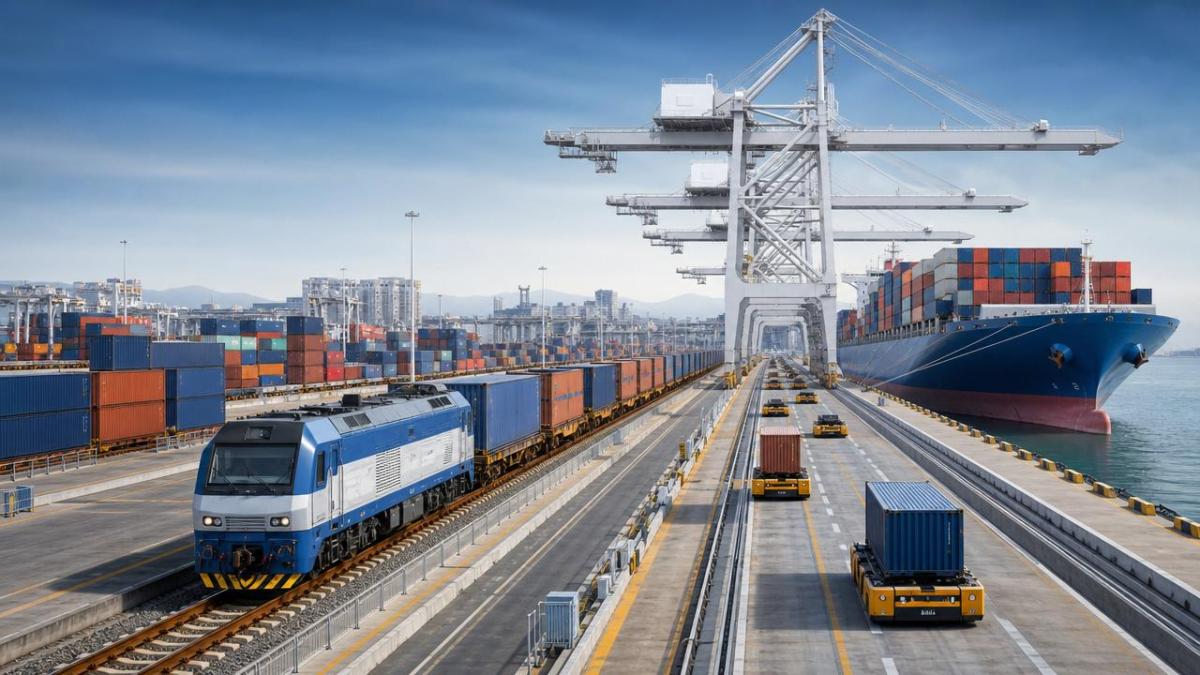
For procurement decisions, transport is no longer a simple rate comparison.
The best intermodal transportation solutions for global trade balance cost, reliability, control, and future flexibility.
That shift is becoming more visible as disruption hits both rail corridors and ocean routes.
A delayed vessel, a weak inland link, or poor cargo visibility can erase any apparent freight savings.
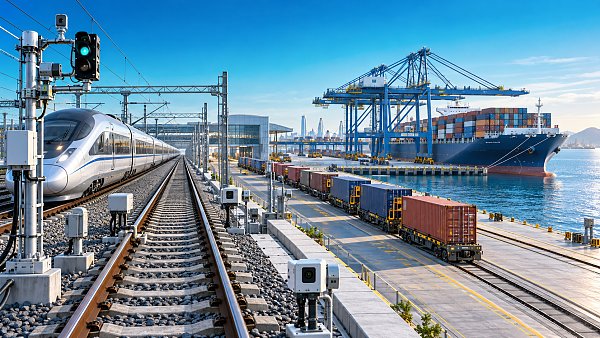
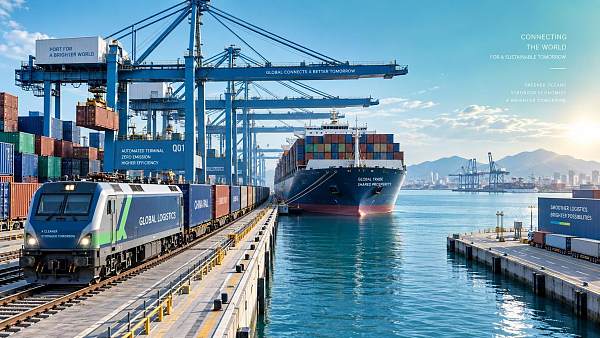
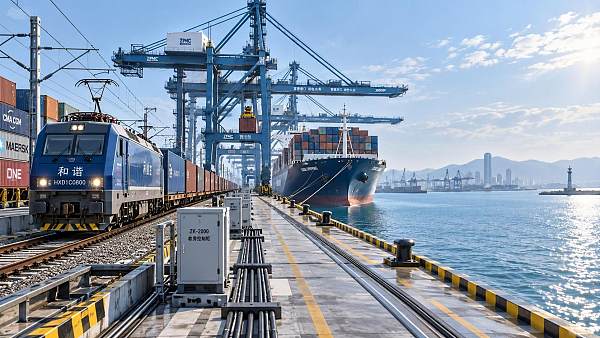
In practice, intermodal planning works best when land and sea assets are evaluated as one operating system.
This is where GTOT’s lens becomes useful.
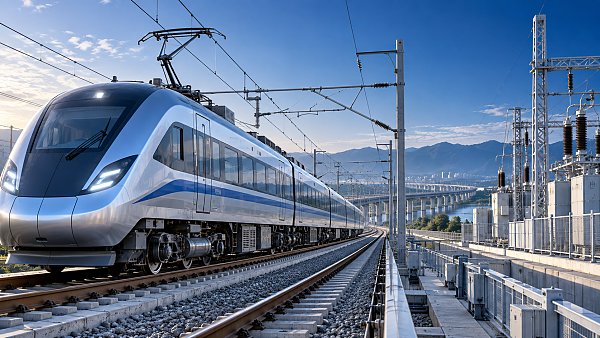
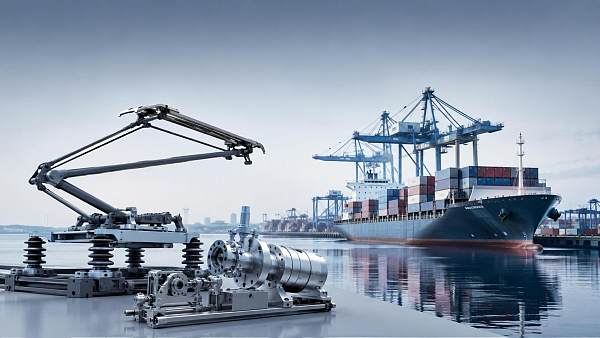
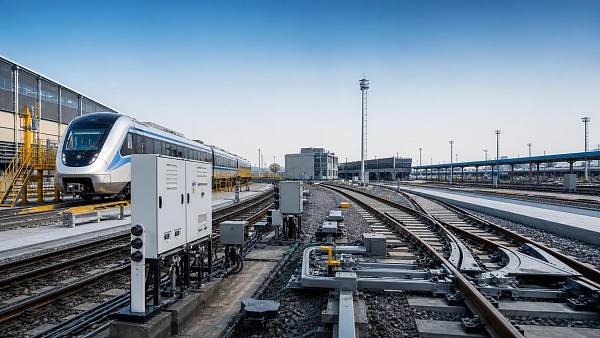
Its coverage of railway signal control systems, pantographs, braking systems, smart container ships, and LNG carriers helps connect technical performance with sourcing outcomes.
Instead of reviewing transport modes in isolation, buyers can assess how infrastructure quality shapes total delivery confidence.
Why intermodal transportation solutions for global trade matter more now
Global trade networks are moving into a more selective era.
Capacity still matters, but consistency matters more.
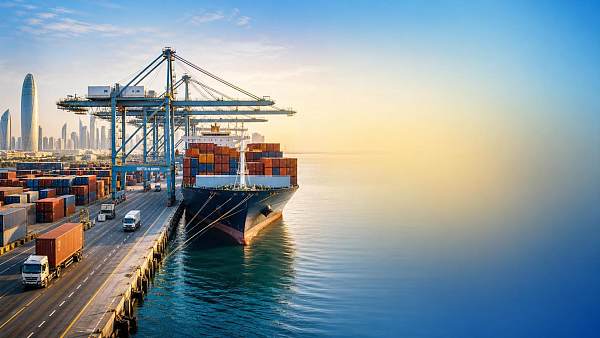
That means intermodal transportation solutions for global trade must support predictable handoffs between port, rail, terminal, and final destination.
From recent changes, three signals stand out.
- Trade routes are diversifying, which increases transfer complexity.
- Compliance demands are rising across safety, emissions, and cargo traceability.
- Customers expect tighter delivery windows despite unstable global conditions.
This also means mode selection cannot rely on headline transit time alone.
A faster leg is not helpful if transfer friction creates hidden dwell time.
The stronger approach is to compare route resilience, equipment readiness, and digital visibility across the entire chain.
Core evaluation criteria before comparing transport modes
A practical evaluation starts with a small set of decision filters.
These filters make intermodal transportation solutions for global trade easier to compare on real business value.
1. Network reliability
Look beyond published schedules.
Check congestion history, terminal efficiency, border friction, and recovery speed after disruption.
2. Technical integrity of the inland leg
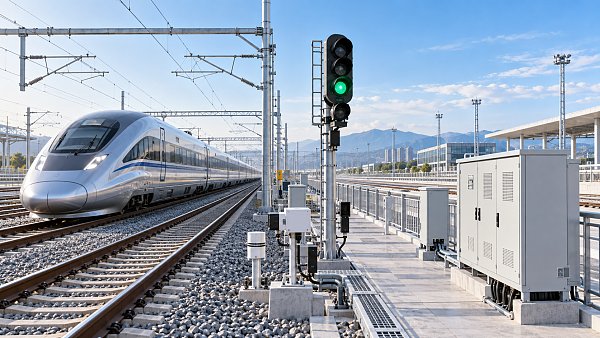
Rail performance depends on more than track access.
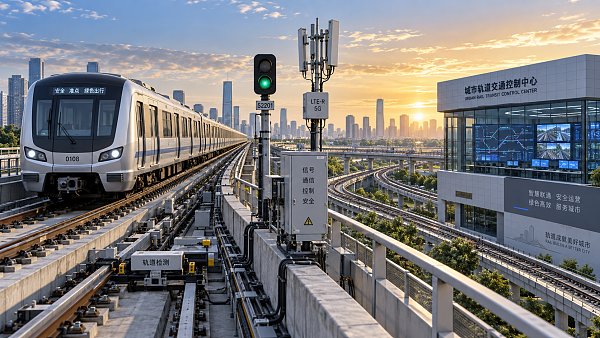
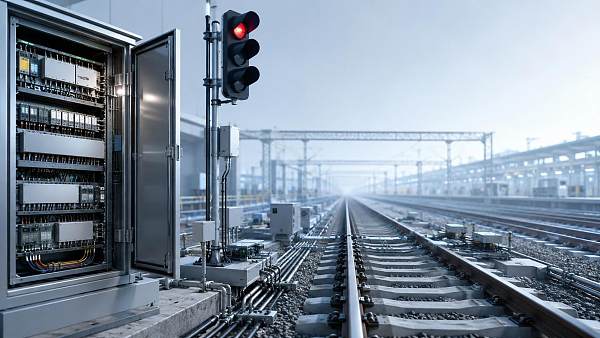
Signal control systems with SIL4 safety logic support dense, stable operations under demanding conditions.
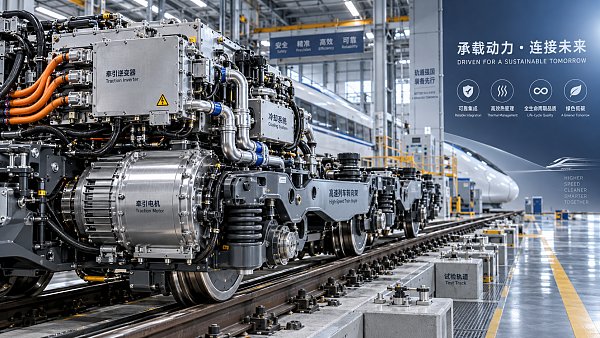
Pantographs and braking systems also influence service continuity, energy efficiency, and operational safety.
3. Ocean leg intelligence
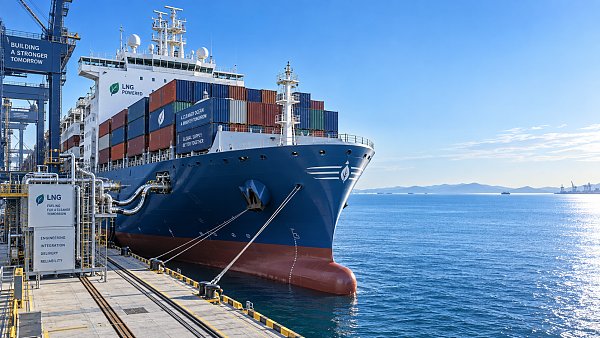
Smart container ships now add value beyond carrying capacity.
AI route optimization, ship-to-shore coordination, and connected monitoring improve schedule discipline and fuel performance.
4. Cost-to-risk ratio
The cheapest option often carries the highest exception cost.
Calculate demurrage exposure, detention risk, damage probability, and emergency rerouting expense.
5. Data visibility
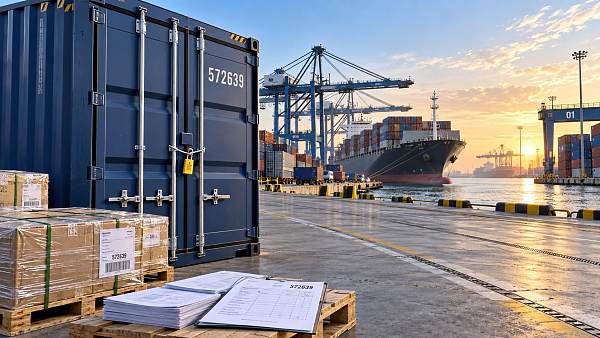
Intermodal transportation solutions for global trade should provide clean milestone data across every handoff.
Without that, planning teams end up reacting late.
How land-sea integration improves procurement decisions
A useful selection model connects asset technology with route strategy.
That is especially true when cargo moves through both rail and ocean corridors.
For example, strong rail signaling reduces inland delays and protects port connection windows.
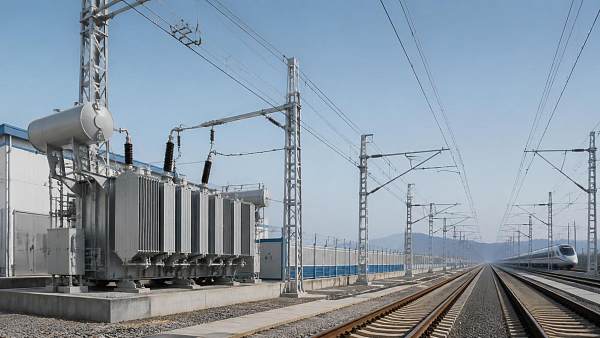
Stable pantograph performance supports high-speed or urban rail continuity where precise electrified operations are critical.
Advanced braking systems help sustain safety and timetable accuracy on heavy routes.
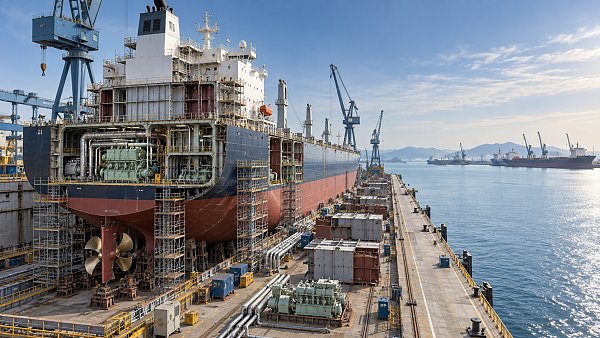
On the marine side, smart container ships strengthen voyage planning and berth coordination.
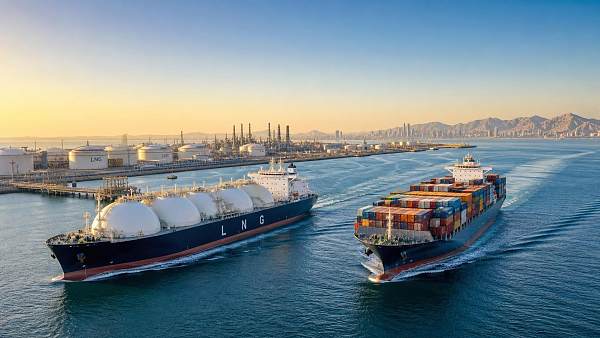
LNG carriers add another layer of strategic value for energy-linked trade, where cryogenic safety and dual-fuel efficiency are central.
Taken together, these capabilities shape stronger intermodal transportation solutions for global trade by reducing weak links between modes.
A practical scorecard for selecting intermodal transportation solutions for global trade
A scorecard keeps decisions objective.
It also helps compare providers that look similar on rate sheets.
In real sourcing work, weighted scoring is often more useful than a simple yes-or-no checklist.
A route handling critical cargo may justify higher spend if performance variance is lower.
Common mistakes when evaluating intermodal options
Several sourcing mistakes appear again and again.
Avoiding them can improve results quickly.
- Choosing only by base freight cost, without modeling disruption expense.
- Ignoring the technical maturity of rail and vessel assets.
- Treating port, rail, and ocean providers as separate decisions.
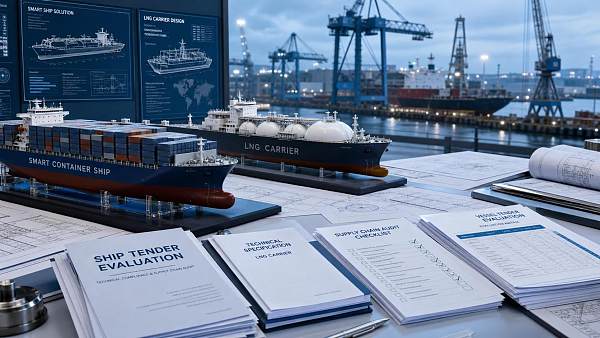
- Overlooking safety standards and emissions performance in tender review.
- Accepting limited visibility until a shipment exception appears.
A more mature approach asks how each link affects the next one.
That question usually reveals which intermodal transportation solutions for global trade are truly scalable.
What stronger decisions look like in practice
Better decisions start with a clear cargo profile.
Map shipment value, urgency, sensitivity, route complexity, and compliance exposure.
Then compare intermodal transportation solutions for global trade against those real conditions.
- Define critical lanes and failure points.
- Review inland rail capability, including signaling and traction stability.
- Assess vessel intelligence and port coordination strength.
- Score compliance, visibility, and exception response.
- Run a total landed risk comparison, not just a price comparison.
This method is especially relevant where infrastructure quality directly influences commercial performance.
GTOT’s strategic intelligence model supports that view by linking engineering depth with market direction.
That makes it easier to distinguish between temporary freight advantages and long-term operational value.
Final takeaway
The most effective intermodal transportation solutions for global trade are built on coordination, not just capacity.
Reliable rail control, stable traction systems, safe braking performance, smart vessel operations, and strong visibility all matter together.
When selection criteria reflect that reality, transport sourcing becomes more strategic and less reactive.
The next smart move is to review key lanes with a land-sea scorecard and identify where technical quality most affects delivery confidence.
That is usually where better intermodal transportation solutions for global trade create the fastest measurable return.
Recommended News
 Sep 29, 2026What drives traction systems price differences between rail projects?Traction systems price differences explained: compare duty cycles, voltage compatibility, integration, localization, and lifecycle costs for smarter rail procurement.
 Sep 26, 2026What to assess before selecting an electric traction system manufacturerChoose an electric traction system manufacturer with confidence. Explore key criteria for performance, reliability, safety, integration, energy efficiency, and lifecycle support.
 Sep 25, 2026When do full digitalization systems justify the investment?Full digitalization systems: discover when rail and maritime operators can turn connected data into safer operations, higher availability, and measurable ROI.
 Sep 23, 2026What drives automatic train control systems cost on rail projects?Automatic train control systems cost depends on integration, migration, safety testing, communications, and lifecycle support. Explore the key budget drivers for rail projects.
 Sep 21, 2026How to assess an ocean going vessel builder’s delivery riskAssess an ocean going vessel builder’s delivery risk with proven checks for schedules, capacity, design maturity, critical equipment, quality, and project controls.
 Sep 20, 2026What drives rail safety technology costs over a project lifecycle?Rail safety technology cost goes beyond equipment—explore lifecycle drivers from integration and safety assurance to cybersecurity, commissioning, and obsolescence.
 Sep 16, 2026What to verify before choosing an advanced ocean-going vessels supplierAdvanced ocean-going vessels supplier checklist: verify design authority, build quality, digital systems, delivery reliability, and lifecycle support before you buy.
 Sep 15, 2026What rail safety technology best reduces level-crossing risks in Southeast Asia?Rail safety technology Southeast Asia: discover how fail-safe signalling, barriers, obstacle detection and remote monitoring reduce level-crossing risks.
 Sep 14, 2026How exporters can reduce customs delays in global trade logisticsGlobal trade logistics for exporters: reduce customs delays with accurate data, clearance-ready documents, early filing, and proactive exception management.
 Sep 13, 2026When do global transportation network systems reduce delivery delays?Global transportation network systems reduce delivery delays by improving rail-port-vessel coordination, real-time visibility, and proactive decisions across complex land-sea supply chains.
 Sep 09, 2026When should you choose a rail and maritime manufacturer with dual-sector capability?Rail and maritime manufacturer guide: learn when dual-sector capability reduces integration risk, improves lifecycle support, and strengthens rail-to-port operations.
 Sep 08, 2026What to verify before selecting a railway signalling equipment supplierRailway signalling equipment supplier checklist: verify safety evidence, integration, cybersecurity, delivery capability, and lifecycle support before award.
 Sep 07, 2026How to size a traction power transformer for railway load demandTraction power transformer sizing guide: model railway load demand, peak duty, voltage regulation, harmonics, and contingency capacity for reliable service.
 Sep 07, 2026How do customization options for industrial connectors affect lead times?Customization options for industrial connectors can impact lead times, cost, and compliance. Learn how to specify smarter for rail and marine projects.
 Sep 05, 2026What information should an industrial sourcing guide include?Industrial sourcing information procurement guide: evaluate suppliers, compliance, lifecycle costs, interfaces, and lead times for smarter rail and maritime purchasing decisions.
 Sep 01, 2026How to find reliable maritime tender information before biddingMaritime tender information: learn how to verify sources, define bid-ready scopes, check qualifications, and reduce risk before submitting competitive marine bids.
 Aug 30, 2026How to select railway automation equipment for depots with phased upgradesRailway automation equipment for depots: learn how to plan phased upgrades that improve safety, throughput, integration, and lifecycle control.
 Aug 27, 2026How industrial sourcing intelligence pricing data supports budget approvalIndustrial sourcing intelligence pricing data helps teams benchmark scope, assess supplier risk, and build defensible budget approvals for complex rail and maritime assets.
 Aug 26, 2026When does a marine fuel efficiency solution make financial sense in the Middle East?Marine fuel efficiency solution Middle East: learn when retrofit savings, compliance value, and vessel data align to deliver credible ROI and smarter shipping investment decisions.
 Aug 24, 2026When does maritime automation for tankers deliver a real payback?Maritime automation for tankers delivers real payback when it cuts fuel use, reduces cargo risk, and improves uptime. See how owners can time investment for stronger ROI.
 Aug 23, 2026When do maritime logistics systems in the Middle East justify the costMaritime logistics systems Middle East: discover when rising delays, manual coordination, and poor visibility make system investment the smarter move for regional operators.
 Aug 22, 2026What drives vessel navigation system price for commercial fleetsVessel navigation system price depends on integration, compliance, automation, and support—not just hardware. Learn what drives fleet costs and compare quotes with confidence.
 Aug 21, 2026How to assess shipbuilding maritime tenders before biddingShipbuilding maritime tenders require more than price checks. Learn how to assess technical scope, compliance, supply chain, and commercial risk before bidding with confidence.
 Aug 20, 2026When does working with an ocean-going vessels distributor reduce supply risk?Ocean-going vessels distributor: learn when this partner cuts supply risk through stronger compliance, faster response, and better sourcing resilience in complex maritime procurement.