



Search News
Industry Portal
Popular Tags
Global Supply Chain for Rail Components: How to Reduce Sourcing Risk
Author
Time
Click Count
In today’s volatile market, building a resilient global supply chain for rail components is no longer optional for procurement teams. From signal control systems and pantographs to braking technologies, every sourcing decision affects safety, lead time, and lifecycle cost. This article explores practical ways to reduce supplier risk, strengthen continuity, and improve purchasing confidence across complex international rail projects.
When the Global Supply Chain for Rail Components Becomes a Risk Multiplier
The global supply chain for rail components behaves differently across project contexts. A metro signaling upgrade does not face the same risk pattern as a cross-border high-speed line.
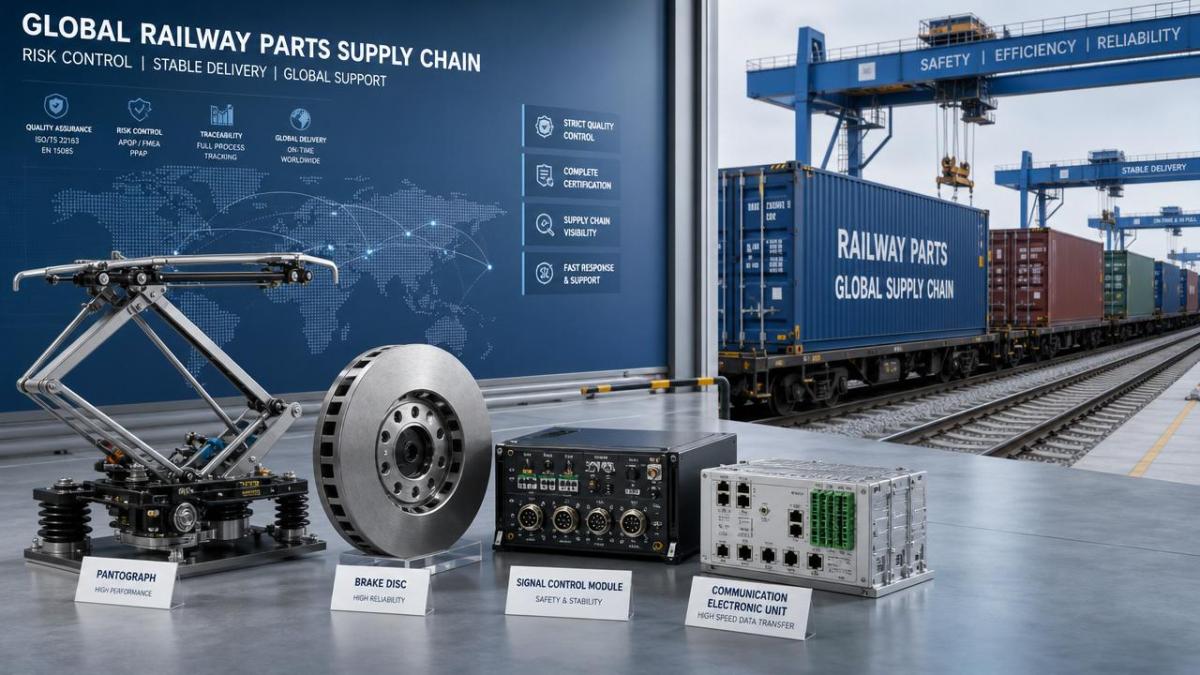
Risk grows when safety-critical parts depend on single factories, narrow certifications, or long logistics routes. Delays then spread from one subsystem into commissioning, testing, and operating readiness.
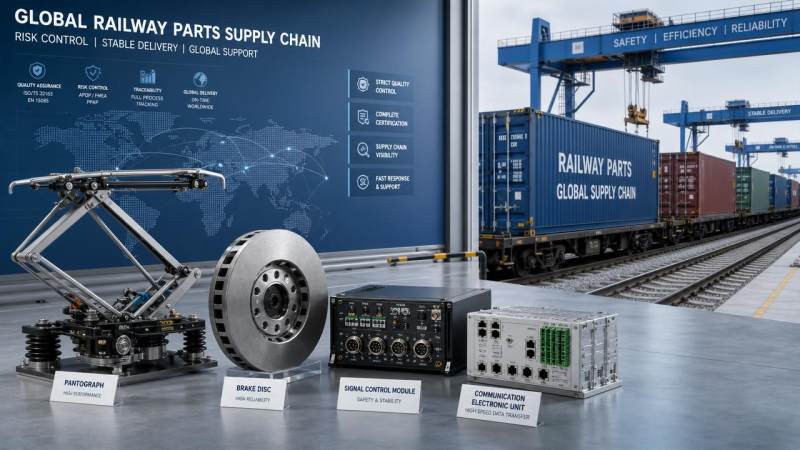
For GTOT’s focus areas, this is especially visible in interlocking modules, onboard control electronics, pantograph assemblies, and braking subsystems. These items combine technical complexity with strict compliance demands.
A practical sourcing strategy starts with scenario judgment. First identify where disruption could occur, then match mitigation tools to that specific rail application environment.
Scenario 1: High-Speed Rail Projects Need Stability Above Price
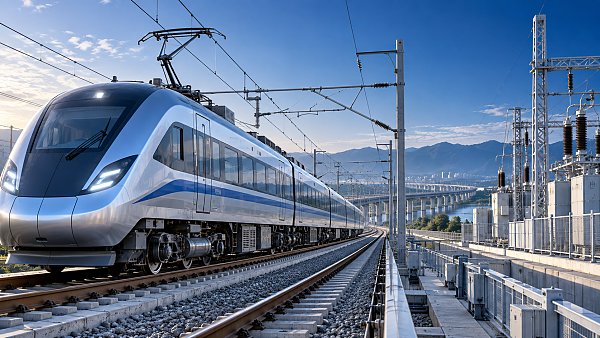
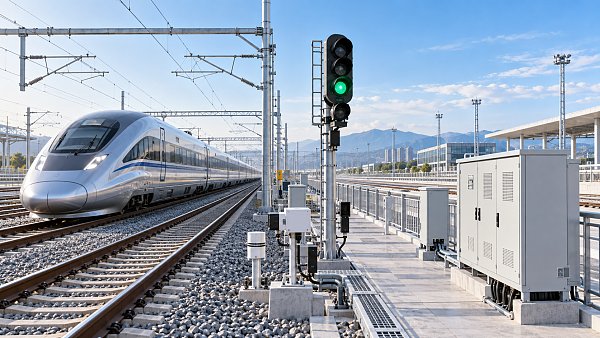
In high-speed applications, the global supply chain for rail components must protect performance consistency. Components operate under vibration, aerodynamic load, and high-frequency maintenance windows.
The key judgment point is not lowest unit cost. It is whether the supplier can maintain repeatable quality across batches, tools, materials, and validation records.
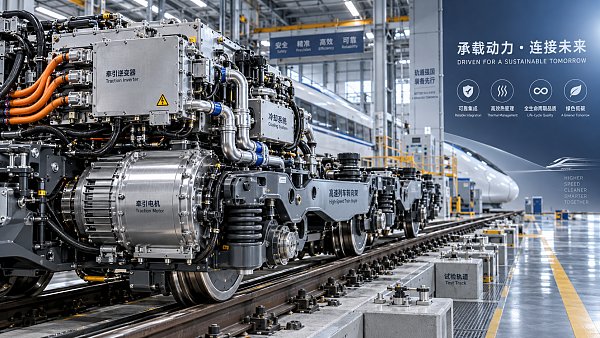
Pantographs, brake discs, sensors, and traction-related interfaces often require strict tolerances. Any quality drift can cause retesting, reduced reliability, or safety review delays.
For this scenario, dual qualification is often more valuable than broad vendor lists. Two fully approved sources reduce risk more effectively than five unverified alternatives.
Core checks for high-speed sourcing
- Traceability of materials, tooling, and process changes
- Evidence of batch stability under real operating loads
- Ability to support urgent engineering clarification
- Regional spare parts and after-sales readiness
Scenario 2: Urban Rail Expansion Requires Fast, Flexible Supply Response
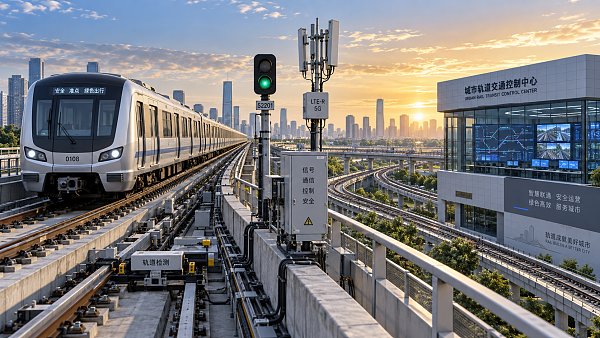
Urban rail projects often run under compressed civil schedules. The global supply chain for rail components must therefore support phased delivery and quick configuration changes.
Typical risk appears when standard parts seem interchangeable, but software interfaces, mounting dimensions, or certification scopes differ across lines and operators.
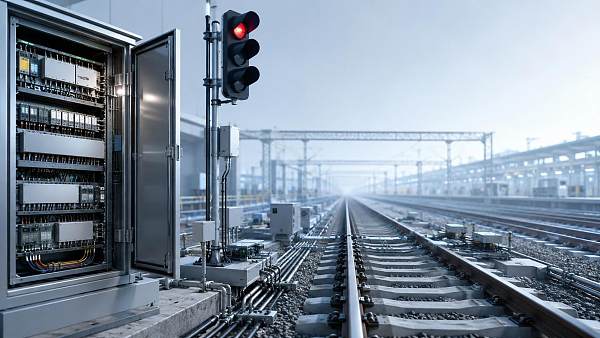
Signal cabinets, door interfaces, control relays, braking electronics, and onboard communication modules can become bottlenecks if configuration management is weak.
Here, sourcing resilience depends on modularity. Suppliers that offer configurable designs, local technical support, and stable documentation can reduce late-stage integration risk.
Judgment points for urban rail supply continuity
- Can delivery be split by station, depot, or segment?
- Are software and hardware versions tightly controlled?
- Is local warehousing available for urgent replacements?
- Can technical files match authority review timelines?
Scenario 3: Cross-Border and Export Projects Face Hidden Compliance Exposure
For export projects, the global supply chain for rail components is shaped by customs rules, local content requirements, sanctions screening, and certification translation.
A supplier may look technically capable, yet still create risk through unclear export documentation, origin ambiguity, or incomplete conformity records.
This matters strongly for control systems, safety relays, communication modules, and embedded electronics. Delays at ports or borders can stop factory acceptance and site installation.
In this scenario, resilience depends on compliance visibility. Documentation quality should be evaluated with the same seriousness as technical capability and price.
How Different Rail Scenarios Change Sourcing Priorities
The same component category can carry different sourcing priorities depending on the application. A structured comparison helps reduce misalignment early.
Practical Ways to Reduce Risk in the Global Supply Chain for Rail Components
Risk reduction works best when actions are layered. No single method can secure the global supply chain for rail components across technical, geopolitical, and operational uncertainties.
1. Segment components by criticality
Separate safety-critical, operations-critical, and standard items. Interlocking devices and brake control electronics need stronger backup plans than generic fasteners or enclosures.
2. Build approved alternatives before disruption
Second sources should be technically validated in advance. Waiting for shortages before qualification usually creates longer downtime and higher emergency logistics cost.
3. Audit change-control discipline
Many disruptions start with silent material substitutions or undocumented firmware updates. Require formal notice periods and engineering approval for any production change.
4. Shorten information distance
Weekly visibility on capacity, inventory, transit status, and bottlenecks is often more useful than quarterly supplier scorecards. Early signals support faster correction.
5. Align contracts with risk reality
Include clauses for safety stock, priority capacity, documentation obligations, spare parts continuity, and obsolescence notification. Commercial terms should reflect operational importance.
Scenario-Based Supply Recommendations for Key Rail Component Categories
- Signal control systems: Prioritize certification scope, software governance, cybersecurity support, and long-term parts availability.
- Pantographs: Focus on aerodynamic validation, wear behavior, carbon strip supply continuity, and field maintenance response.
- Braking systems: Review thermal performance data, electronics redundancy, friction material consistency, and emergency service support.
- Communication electronics: Check chipset origin, firmware lifecycle, export restrictions, and replacement lead time.
These recommendations help connect sourcing strategy with actual operating demands. They also support stronger evaluation across technical and commercial dimensions.
Common Misjudgments That Weaken Supply Resilience
One common error is treating all suppliers with similar certifications as equally interchangeable. In rail projects, process maturity and documentation quality often matter more.
Another mistake is ignoring lifecycle exposure. A low-risk launch supplier may become a high-risk maintenance supplier if spare parts planning is missing.
A third issue is overreliance on geographic diversification alone. Multiple countries do not guarantee resilience if the same sub-tier source feeds every factory.
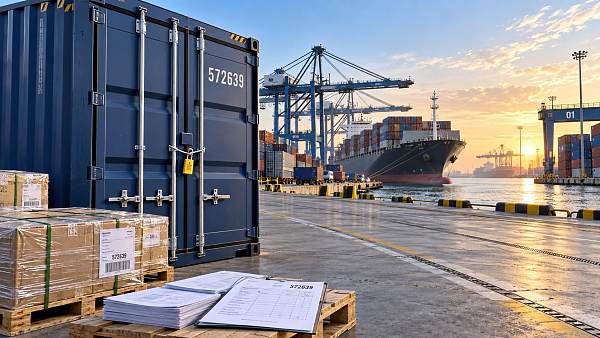
Finally, technical approval without logistics validation leaves major gaps. Packaging, customs coding, and transport conditions can damage schedules as seriously as design issues.
Next Steps to Strengthen the Global Supply Chain for Rail Components
A stronger global supply chain for rail components begins with a realistic map of critical parts, single-source exposure, compliance gaps, and spare support needs.
Then create a scenario-based checklist for high-speed, urban, export, and maintenance programs. Each rail environment should trigger different qualification and continuity actions.
GTOT supports this approach by connecting intelligence across signaling, traction interfaces, braking technologies, and wider transport infrastructure cycles. Better information leads to better sourcing decisions.
If supply resilience is now a strategic priority, start by reviewing the components most likely to stop testing, delay handover, or weaken long-term asset performance.
Recommended News
 Sep 29, 2026What drives traction systems price differences between rail projects?Traction systems price differences explained: compare duty cycles, voltage compatibility, integration, localization, and lifecycle costs for smarter rail procurement.
 Sep 26, 2026What to assess before selecting an electric traction system manufacturerChoose an electric traction system manufacturer with confidence. Explore key criteria for performance, reliability, safety, integration, energy efficiency, and lifecycle support.
 Sep 25, 2026When do full digitalization systems justify the investment?Full digitalization systems: discover when rail and maritime operators can turn connected data into safer operations, higher availability, and measurable ROI.
 Sep 23, 2026What drives automatic train control systems cost on rail projects?Automatic train control systems cost depends on integration, migration, safety testing, communications, and lifecycle support. Explore the key budget drivers for rail projects.
 Sep 21, 2026How to assess an ocean going vessel builder’s delivery riskAssess an ocean going vessel builder’s delivery risk with proven checks for schedules, capacity, design maturity, critical equipment, quality, and project controls.
 Sep 20, 2026What drives rail safety technology costs over a project lifecycle?Rail safety technology cost goes beyond equipment—explore lifecycle drivers from integration and safety assurance to cybersecurity, commissioning, and obsolescence.
 Sep 16, 2026What to verify before choosing an advanced ocean-going vessels supplierAdvanced ocean-going vessels supplier checklist: verify design authority, build quality, digital systems, delivery reliability, and lifecycle support before you buy.
 Sep 15, 2026What rail safety technology best reduces level-crossing risks in Southeast Asia?Rail safety technology Southeast Asia: discover how fail-safe signalling, barriers, obstacle detection and remote monitoring reduce level-crossing risks.
 Sep 14, 2026How exporters can reduce customs delays in global trade logisticsGlobal trade logistics for exporters: reduce customs delays with accurate data, clearance-ready documents, early filing, and proactive exception management.
 Sep 13, 2026When do global transportation network systems reduce delivery delays?Global transportation network systems reduce delivery delays by improving rail-port-vessel coordination, real-time visibility, and proactive decisions across complex land-sea supply chains.
 Sep 09, 2026When should you choose a rail and maritime manufacturer with dual-sector capability?Rail and maritime manufacturer guide: learn when dual-sector capability reduces integration risk, improves lifecycle support, and strengthens rail-to-port operations.
 Sep 08, 2026What to verify before selecting a railway signalling equipment supplierRailway signalling equipment supplier checklist: verify safety evidence, integration, cybersecurity, delivery capability, and lifecycle support before award.
 Sep 07, 2026How to size a traction power transformer for railway load demandTraction power transformer sizing guide: model railway load demand, peak duty, voltage regulation, harmonics, and contingency capacity for reliable service.
 Sep 07, 2026How do customization options for industrial connectors affect lead times?Customization options for industrial connectors can impact lead times, cost, and compliance. Learn how to specify smarter for rail and marine projects.
 Sep 05, 2026What information should an industrial sourcing guide include?Industrial sourcing information procurement guide: evaluate suppliers, compliance, lifecycle costs, interfaces, and lead times for smarter rail and maritime purchasing decisions.
 Sep 01, 2026How to find reliable maritime tender information before biddingMaritime tender information: learn how to verify sources, define bid-ready scopes, check qualifications, and reduce risk before submitting competitive marine bids.
 Aug 30, 2026How to select railway automation equipment for depots with phased upgradesRailway automation equipment for depots: learn how to plan phased upgrades that improve safety, throughput, integration, and lifecycle control.
 Aug 27, 2026How industrial sourcing intelligence pricing data supports budget approvalIndustrial sourcing intelligence pricing data helps teams benchmark scope, assess supplier risk, and build defensible budget approvals for complex rail and maritime assets.
 Aug 26, 2026When does a marine fuel efficiency solution make financial sense in the Middle East?Marine fuel efficiency solution Middle East: learn when retrofit savings, compliance value, and vessel data align to deliver credible ROI and smarter shipping investment decisions.
 Aug 24, 2026When does maritime automation for tankers deliver a real payback?Maritime automation for tankers delivers real payback when it cuts fuel use, reduces cargo risk, and improves uptime. See how owners can time investment for stronger ROI.
 Aug 23, 2026When do maritime logistics systems in the Middle East justify the costMaritime logistics systems Middle East: discover when rising delays, manual coordination, and poor visibility make system investment the smarter move for regional operators.
 Aug 22, 2026What drives vessel navigation system price for commercial fleetsVessel navigation system price depends on integration, compliance, automation, and support—not just hardware. Learn what drives fleet costs and compare quotes with confidence.
 Aug 21, 2026How to assess shipbuilding maritime tenders before biddingShipbuilding maritime tenders require more than price checks. Learn how to assess technical scope, compliance, supply chain, and commercial risk before bidding with confidence.
 Aug 20, 2026When does working with an ocean-going vessels distributor reduce supply risk?Ocean-going vessels distributor: learn when this partner cuts supply risk through stronger compliance, faster response, and better sourcing resilience in complex maritime procurement.