Decarbonization Solutions for Maritime Logistics: Cost and Compliance Risks in 2026
As 2026 emissions rules tighten across ports, fleets, and cargo contracts, decarbonization solutions for maritime logistics are shifting from sustainability initiatives to board-level risk controls.
For enterprise decision-makers, the challenge is no longer whether to reduce carbon intensity, but how to balance fuel transition costs, vessel upgrade cycles, digital compliance data, and customer expectations without weakening supply chain resilience.
This article examines the cost pressures, regulatory exposure, and technology pathways shaping maritime decarbonization strategies in the year ahead.
Why 2026 Makes Maritime Decarbonization a Commercial Risk Issue
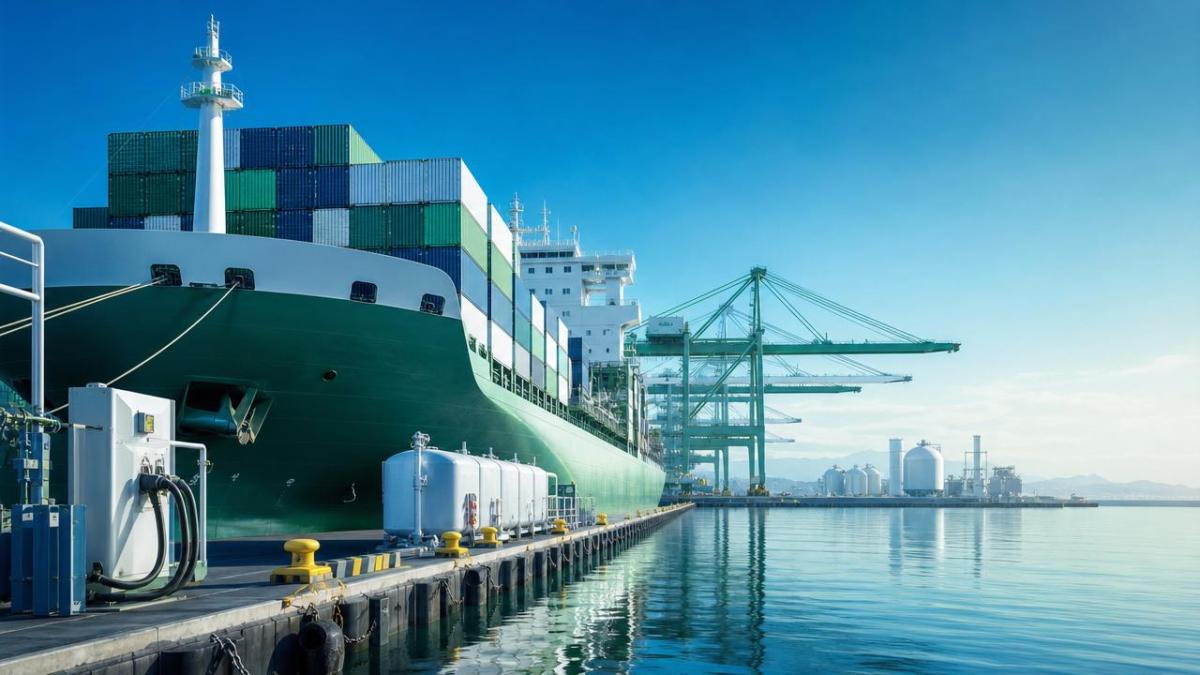
The most important judgment for 2026 is clear: maritime decarbonization is becoming a cost-control and market-access discipline, not only an environmental program.
Shipping companies, cargo owners, freight forwarders, and port operators will face overlapping pressure from carbon pricing, fuel rules, emissions reporting, and green procurement requirements.
For decision-makers, the practical question is whether current fleets, contracts, and data systems can withstand tighter scrutiny without sudden margin erosion.
Decarbonization solutions for maritime logistics must therefore be evaluated through three lenses: compliance exposure, total operating cost, and customer retention value.
A solution that reduces emissions but disrupts vessel availability, cargo schedules, or fuel security may create more operational risk than it removes.
Conversely, delaying action can increase future retrofit costs, weaken tender competitiveness, and expose companies to penalties or unfavorable charter terms.
What Enterprise Buyers Actually Need to Know Before Investing
Executives usually need fewer slogans and more decision clarity: which assets are exposed, which routes matter most, and which investments protect revenue.
The first priority is identifying emissions hotspots by lane, vessel type, cargo profile, port rotation, and contractual responsibility for fuel-related costs.
Without that baseline, companies risk purchasing isolated technologies that look innovative but fail to reduce carbon intensity where financial exposure is highest.
For many operators, the highest-value starting point is not alternative fuel adoption, but operational optimization supported by reliable voyage and emissions data.
Speed management, weather routing, berth coordination, hull performance monitoring, and cargo consolidation can deliver measurable gains before major capital expenditure.
These measures also create the data foundation needed for fuel transition planning, compliance reporting, and negotiations with cargo owners or charterers.
The Main Cost Pressures Behind Maritime Decarbonization
Decarbonization costs in 2026 will not come from a single line item. They will appear across fuel, assets, software, compliance, and financing.
Alternative fuels often carry premium pricing, uncertain availability, and infrastructure limitations, especially across long-haul routes and smaller regional ports.
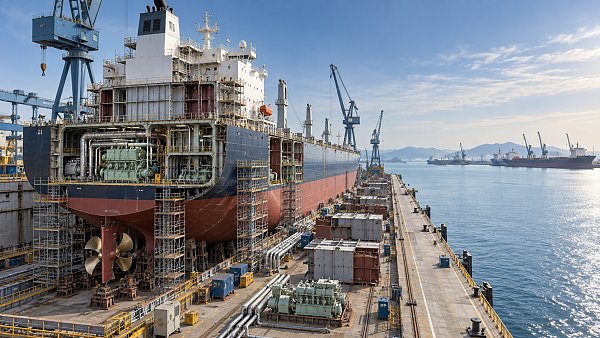
Vessel retrofits may require downtime, engineering assessment, class approval, crew training, and compatibility checks with existing propulsion or storage systems.
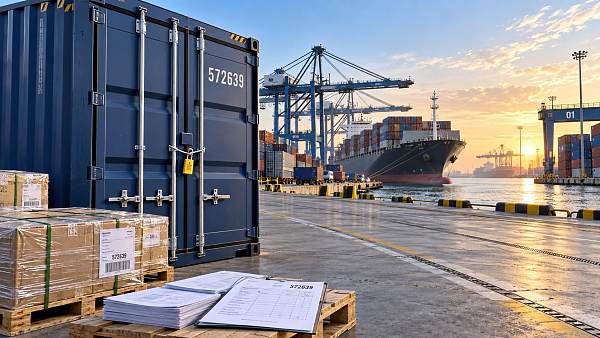
Digital compliance systems also create investment needs, because emissions data must be auditable, consistent, and connected across fleet, port, and cargo documentation.
Financing costs may shift as lenders and insurers increasingly assess vessel carbon performance, asset longevity, and regulatory readiness before pricing risk.
The key is not minimizing upfront spending at all costs, but sequencing investments so each phase reduces exposure and supports future optionality.
Compliance Risks: Where Companies Are Most Likely to Be Caught Unprepared
The most common compliance weakness is fragmented data. Many companies still rely on inconsistent vessel reports, manual spreadsheets, and disconnected port records.
As emissions rules become more detailed, inaccurate data can create penalties, contract disputes, delayed documentation, or reputational concerns with enterprise customers.
Another risk is assuming compliance responsibility belongs only to shipowners. Cargo owners and logistics buyers increasingly need emissions visibility for their own disclosures.
This changes procurement behavior. Carriers with credible carbon data may win preferred status, while opaque providers may face price pressure or exclusion.
Companies should also monitor regional differences. A vessel or route compliant in one market may face additional requirements in another jurisdiction.
For boards, the warning sign is simple: if carbon performance cannot be explained in commercial terms, compliance governance is probably immature.
Which Decarbonization Solutions Deliver Value First?
Not every maritime decarbonization solution requires immediate vessel replacement. The strongest business cases often begin with efficiency measures and digital coordination.
AI-assisted route optimization can reduce fuel consumption by aligning speed, weather, currents, port congestion, and estimated arrival windows more intelligently.
Just-in-time arrival systems can prevent vessels from burning fuel while waiting offshore, but they require port, terminal, and carrier collaboration.
Hull cleaning, propeller polishing, air lubrication, and performance monitoring help preserve efficiency over time, particularly for high-utilization ocean-going assets.
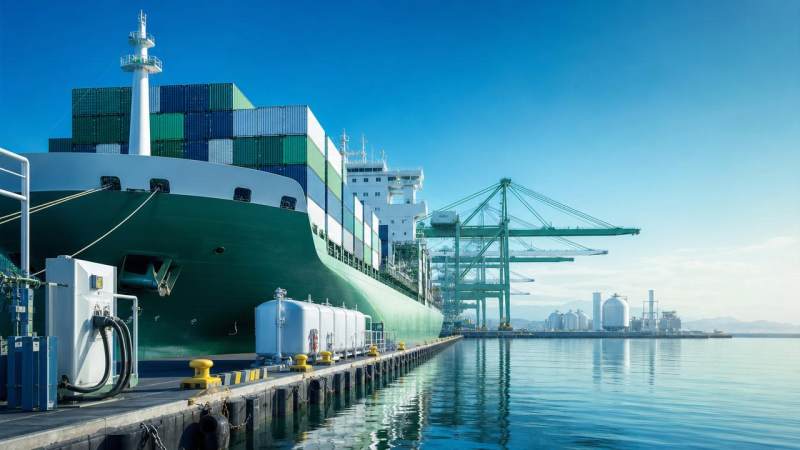
Energy-saving devices, shore power readiness, and hybrid auxiliary systems may offer route-specific benefits when supported by port infrastructure and operational discipline.
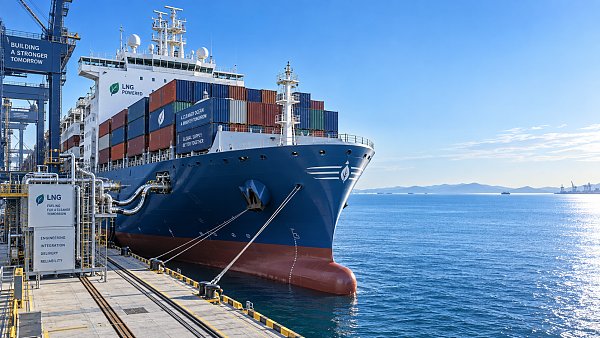
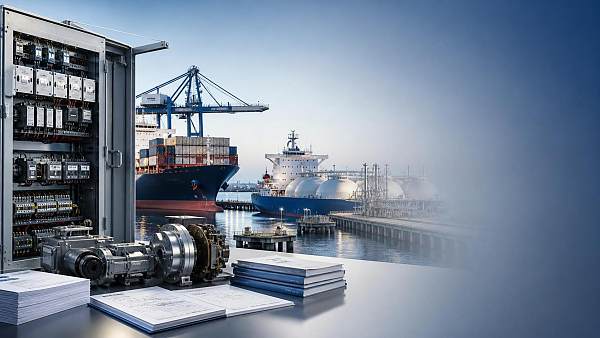
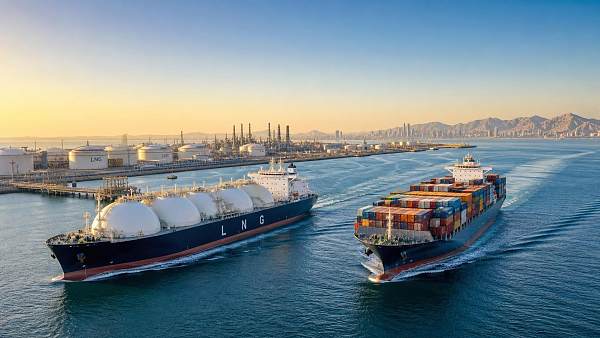
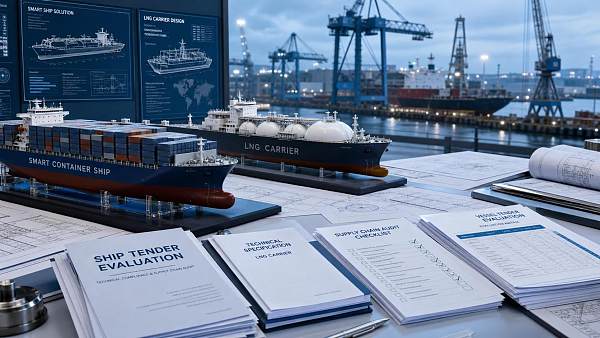
For LNG carriers and smart container ships, the value lies in integrating propulsion data, cargo schedules, and safety requirements into one operational intelligence layer.
Alternative Fuels: Strategic Option, Not Universal Answer
Alternative fuels are central to long-term decarbonization, but enterprise leaders should avoid treating any single fuel as a universal solution.
LNG, biofuels, methanol, ammonia, hydrogen, and synthetic fuels each carry different trade-offs in emissions, storage, safety, availability, and lifecycle accounting.
LNG may support transition strategies for certain vessel classes, particularly where infrastructure exists, but methane slip and lifecycle emissions require careful assessment.
Methanol is gaining attention because of handling advantages and retrofit potential, though green supply availability remains a decisive commercial limitation.
Ammonia and hydrogen may support deeper decarbonization, but safety standards, engine maturity, bunkering infrastructure, and crew competence remain major constraints.
The best fuel strategy is usually portfolio-based, matching routes, vessel age, cargo commitments, financing horizon, and customer willingness to pay.
How to Build a Practical 2026 Investment Roadmap
A credible roadmap begins with asset segmentation. Decision-makers should classify vessels by age, route exposure, fuel consumption, retrofit feasibility, and contract importance.
Next, companies should map regulatory and customer requirements by trade lane, identifying where compliance risk or tender pressure will rise fastest.
The third step is building a marginal abatement cost view, comparing emissions reduction potential against capital cost, downtime, and operational complexity.
This allows leaders to prioritize actions that deliver measurable reduction without locking the business into premature or unsuitable technology choices.
Projects should then be staged across short-term efficiency, medium-term retrofit readiness, and long-term fuel transition or fleet renewal decisions.
Each stage should include data governance, because carbon performance that cannot be measured reliably cannot be defended commercially or legally.
Contracting and Customer Expectations Are Changing Fast
In maritime logistics, decarbonization is increasingly embedded in commercial contracts, not limited to corporate sustainability reports or voluntary initiatives.
Large shippers may request route-level emissions data, lower-carbon service options, verified fuel claims, and evidence of continuous improvement.
This creates both risk and opportunity. Providers with stronger data and credible solutions can command strategic value beyond basic freight rates.
However, companies must avoid overpromising. Claims about carbon reduction should be traceable to recognized methodologies, verified data, and realistic operational boundaries.
Green corridors, premium low-emission services, and shared investment models may become more common where cargo owners accept part of the transition cost.
For enterprise decision-makers, the commercial question is whether decarbonization capability can protect key accounts and improve long-term contract quality.
Digital Compliance: The Hidden Backbone of Decarbonization
Digital infrastructure is often less visible than fuels or vessel technology, but it may determine whether decarbonization programs succeed.
Reliable platforms should connect voyage data, fuel consumption, cargo allocation, port calls, maintenance records, and emissions calculations into auditable workflows.
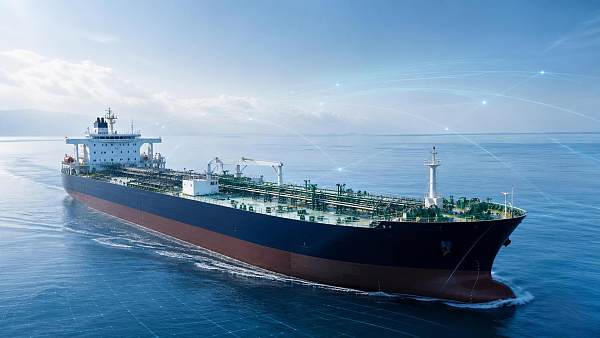
For smart container ships, ship-to-shore connectivity can support real-time optimization, predictive maintenance, and more accurate emissions allocation across customers.
For LNG carriers, digital monitoring must also respect cryogenic system complexity, boil-off gas management, propulsion conditions, and strict safety requirements.
Companies should avoid isolated dashboards that cannot support regulatory submissions, customer audits, or operational decision-making across departments.
The strongest systems help executives see carbon, cost, schedule reliability, and asset performance in the same management view.
How Boards Should Evaluate Return on Investment
Return on investment should include avoided penalties, reduced fuel consumption, improved asset valuation, stronger financing access, and higher tender competitiveness.
Some benefits are direct and measurable, such as lower fuel use from route optimization or hull performance improvements.
Other benefits are strategic, including customer retention, reduced regulatory uncertainty, and protection against stranded asset risk.
Boards should request scenario analysis rather than single-point forecasts, because fuel prices, carbon costs, and regulation may shift rapidly.
A useful business case compares doing nothing, minimum compliance, staged optimization, and accelerated transition under different market assumptions.
This approach helps leaders avoid both underinvestment and excessive spending on technologies that may not fit operational reality.
Common Mistakes That Increase Cost and Risk
The first mistake is treating decarbonization as a procurement exercise rather than an operating model transformation across fleet, ports, finance, and customers.
The second is choosing technology before understanding route economics, port readiness, fuel security, and vessel remaining life.
The third is separating compliance teams from commercial teams, which can create data gaps and inconsistent customer commitments.
Another frequent mistake is ignoring crew capability. New fuels, digital systems, and operating procedures require training, safety culture, and practical adoption.
Companies also underestimate integration complexity when emissions platforms must connect with legacy fleet management, chartering, maintenance, and enterprise reporting systems.
Effective leaders reduce these risks by establishing governance that links technical feasibility, financial discipline, and customer-facing value.
What a Resilient Maritime Decarbonization Strategy Looks Like
A resilient strategy does not depend on one regulation, one fuel, or one technology vendor. It preserves flexibility while reducing immediate exposure.
It starts with accurate emissions baselines, then applies operational efficiency, digital compliance, retrofit planning, and fuel transition according to asset logic.
It also aligns internal incentives. Operations teams, commercial teams, sustainability teams, and finance leaders should share the same performance indicators.
For global logistics networks, resilience means protecting cargo reliability while gradually lowering carbon intensity across vessels, terminals, and inland connections.
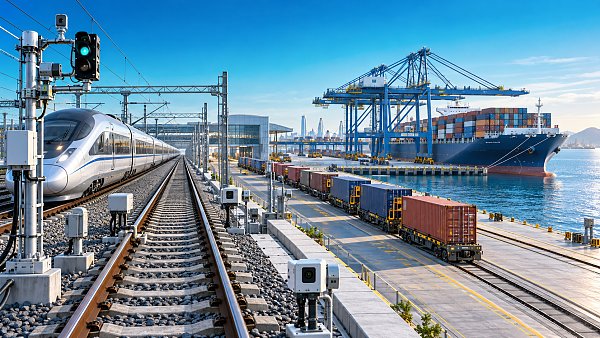
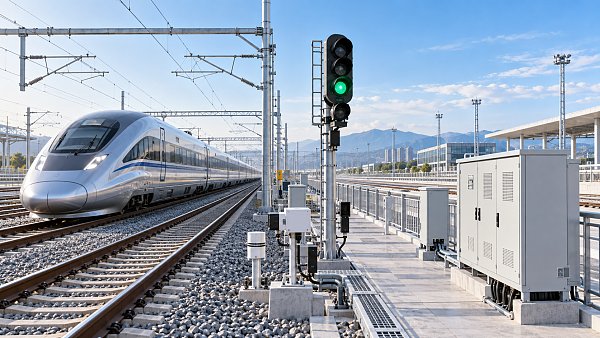
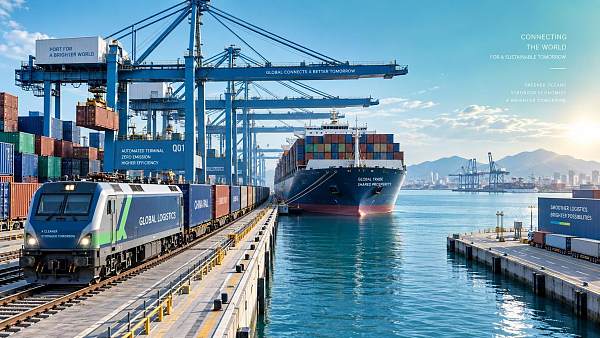
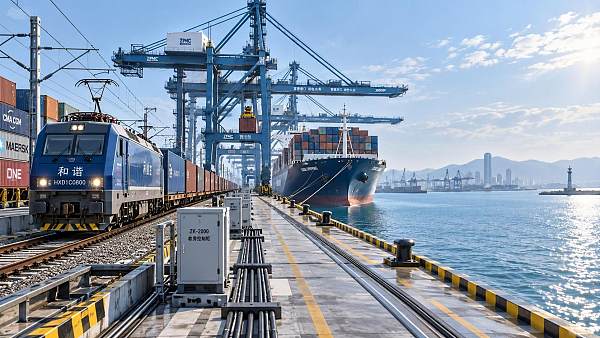
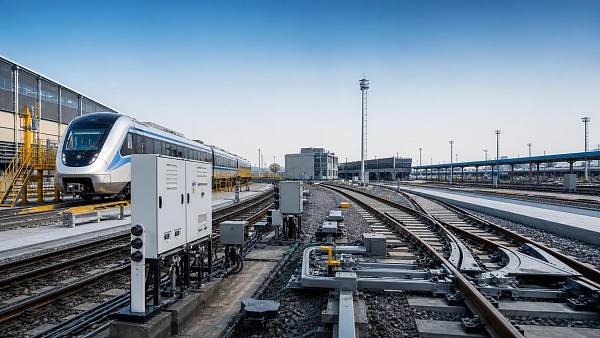
This is especially important for enterprises managing complex land-sea interconnection, where rail, ports, container ships, and LNG carriers shape supply chain performance.
The winners in 2026 will be companies that convert decarbonization from a compliance burden into a structured intelligence advantage.
Conclusion: Decarbonization Is Now a Strategic Control System
Decarbonization solutions for maritime logistics in 2026 should be judged by their ability to reduce risk, protect margins, and support market access.
Enterprise leaders should prioritize data integrity, route-specific economics, staged investment, and technologies that improve both emissions performance and operational reliability.
Alternative fuels matter, but they should be deployed through disciplined portfolio planning rather than rushed adoption or symbolic purchasing.
The clearest path forward is to build a roadmap that links compliance, cost, asset strategy, and customer expectations.
For decision-makers, the central lesson is practical: maritime decarbonization is no longer optional, but it can be managed intelligently.