Search News
Industry Portal
Popular Tags
What Causes Railway Signalling Failures During Commissioning?
Author
Time
Click Count
What causes railway signaling systems to fail during commissioning? Usually, it is not one dramatic defect. More often, a commissioning team encounters a chain of small but consequential issues: an outdated configuration file, a misunderstood interface signal, a timing parameter that behaves differently in the field, or a test that proves equipment works locally but not as part of the railway system.
That is why signalling commissioning can feel deceptively difficult. Hardware may be installed, software may load successfully, and individual subsystems may pass factory tests—yet the route cannot be released safely, axle counters remain occupied, a level crossing sequence does not complete, or an onboard system receives inconsistent movement authority data. In a SIL4-grade railway control environment, “almost correct” is not operationally acceptable. The system must demonstrate safe behavior under normal, degraded, and abnormal conditions.
This FAQ explains the most common causes of railway signalling failures during commissioning, how they affect project handover, and what project teams can do to find problems before they become possession-time emergencies.
Why do railway signalling problems often emerge during commissioning rather than earlier?
Commissioning is the point where drawings, software logic, field equipment, telecommunications, power supplies, train interfaces, operating rules, and human procedures finally meet. Earlier project stages tend to examine these elements separately. Factory acceptance testing may validate an interlocking application in a simulator; site acceptance testing may prove that a point machine moves; communication tests may confirm that a network link is live.
But a railway is a system of dependencies. A point machine that reports correctly can still be blocked by a route-locking condition. A train detection section can function electrically but be mapped to the wrong track vacancy proving zone. A radio network may be available, while message latency or handover behavior remains unsuitable for ETCS, CBTC, or other train control functions.
Commissioning exposes these boundary conditions. It is where the real railway challenges the assumptions made in design rooms, laboratories, and interface control documents.
What are the most common causes of railway signalling failures during commissioning?
1. Configuration and version-control mismatches
Configuration errors are among the most frequent and most frustrating causes of delay. Modern signalling relies heavily on controlled data: interlocking application data, route tables, geographic databases, balise or beacon telegrams, axle counter configuration, HMI layouts, network addresses, and diagnostic mappings. If one component is running a different approved revision from the rest of the system, the effect may range from a nuisance alarm to a safety-critical refusal of operation.
A common example is when revised track layouts or cable changes are incorporated into field installation but not fully reflected in the final application data. Another is the use of a temporary test configuration after the production configuration has already been approved. Teams may assume that a small edit is harmless, but in safety-related control systems, every change can affect traceability and validation evidence.
Reliable commissioning depends on a disciplined baseline: one verified software and document set, clear release ownership, and a method for proving that every installed asset matches the approved configuration.
2. Interface errors between subsystems
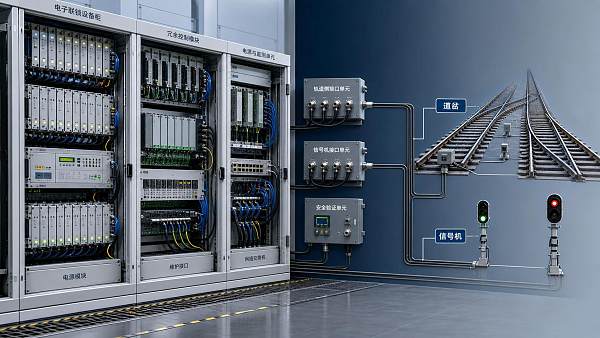
Railway signalling is rarely delivered by a single supplier. Interlockings exchange information with train detection systems, point machines, platform screen doors, level crossings, centralized traffic control centers, telecom networks, power monitoring equipment, and onboard train control systems. Each interface has its own assumptions about signal state, timing, fail-safe behavior, reset procedures, and responsibility boundaries.
Failures occur when those assumptions do not align. For example, one subsystem may interpret a loss of communication as an occupied track, while another expects an explicit “unknown” state. A route request can be rejected because the traffic management system sends it before a local interlocking has completed initialization. At a boundary between legacy and new equipment, an input may be electrically correct but logically inverted.
These are not merely integration inconveniences. An incorrect interface definition can create unsafe operational conditions or force the system into a protective shutdown. Interface control documents need to be treated as live engineering artifacts, not paperwork completed at the start of a project and forgotten thereafter.
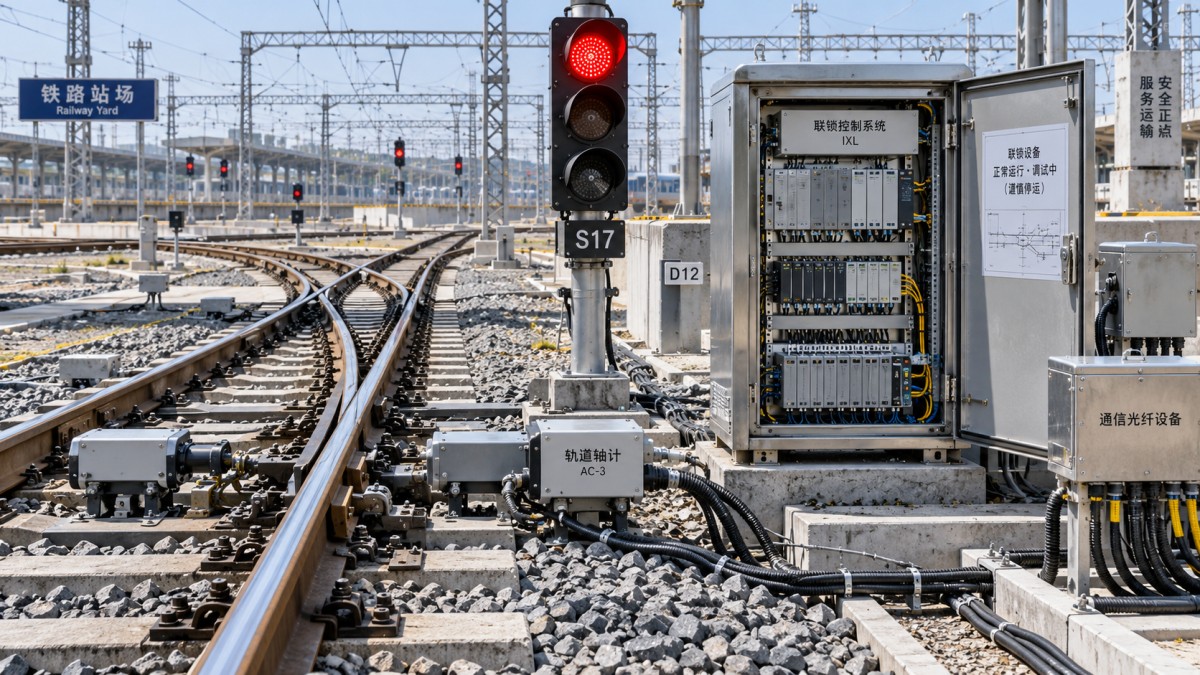
3. Incomplete or poorly sequenced testing
Testing is not simply a checklist of “pass” or “fail.” The sequence matters. If teams move into dynamic testing before static verification is complete, they risk chasing symptoms instead of causes. A failed route-setting test could be blamed on interlocking logic when the actual issue is an unverified field contact, an incorrectly terminated cable, or a missing device address.
Typical gaps include insufficient negative testing, incomplete degraded-mode scenarios, inadequate regression testing after late changes, and poor coverage of recovery behavior. A system may correctly command a point machine under normal conditions, but what happens if power drops during movement? Does the point indication recover correctly after reset? Are route releases inhibited as intended? Does the control center display an accurate state while the field device restarts?
Commissioning plans should test not only intended operations but also credible failures: communication loss, conflicting requests, equipment reset, track circuit disturbance, standby changeover, and data transmission interruptions. Those are the moments when safe design intent must become visible.
4. Communication network faults and timing instability
Digital railway systems depend on deterministic or sufficiently predictable communications. A network can pass a basic ping test and still be unsuitable for signalling service. Packet loss, duplicated messages, VLAN misconfiguration, multicast issues, incorrect quality-of-service rules, time synchronization drift, or intermittent fiber faults can all disrupt control functions.
In high-density urban rail, CBTC performance may be sensitive to radio coverage, interference, roaming, and access-point handover. On mainline railways, ETCS and LTE-M or GSM-R-related interfaces introduce additional dependencies between trackside, radio, and onboard systems. The problem may only appear when several trains, workstations, or diagnostic tools are active at once.
Timing deserves particular attention. Event logs from different systems are difficult to correlate when clocks are not synchronized. More seriously, stale timestamps or delayed state updates can cause the system to reject commands, trigger alarms, or adopt a safe restrictive condition. Network testing should therefore measure behavior under realistic load and failure conditions, not just confirm connectivity.
5. Field installation, wiring, and environmental defects
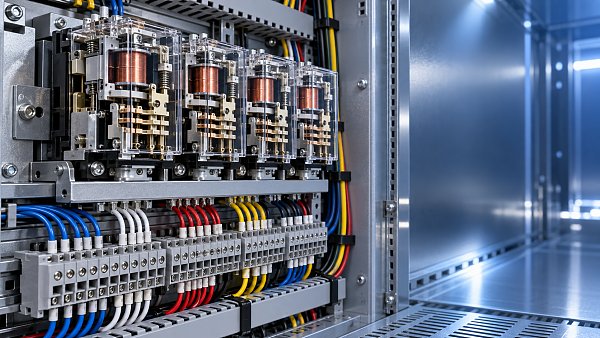
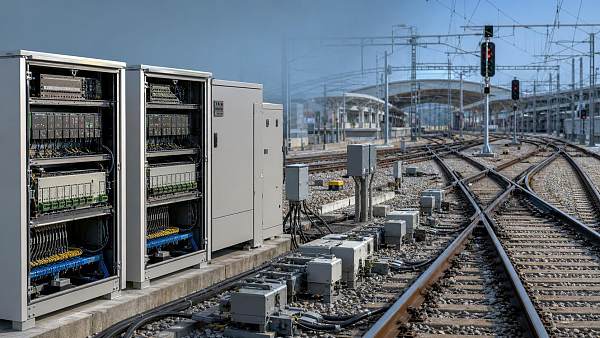
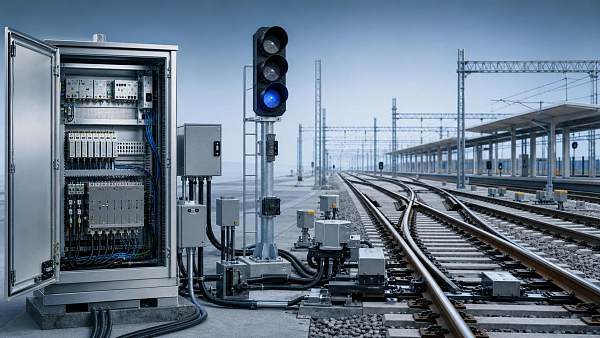
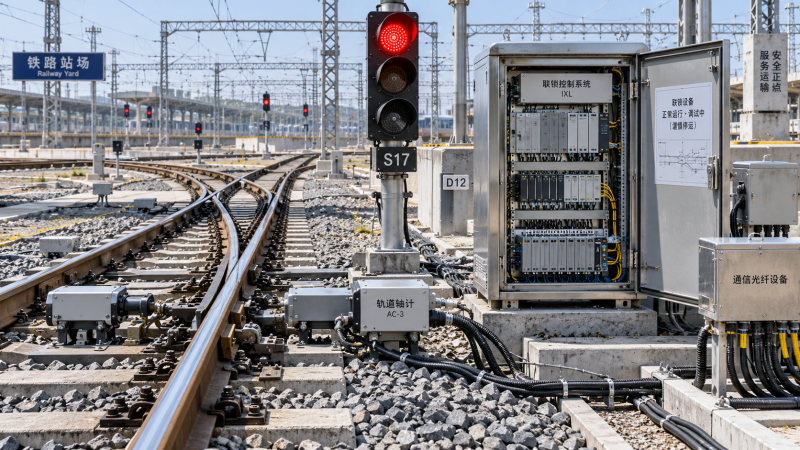
Not every commissioning failure is a software problem. Field conditions remain a major source of faults. Loose terminals, incorrect cable cores, shield grounding mistakes, swapped contacts, water ingress, unsuitable bonding, damaged fiber, poor earthing, and unstable power supplies can all produce confusing intermittent behavior.
Railway environments are unforgiving. Vibration, electromagnetic interference, temperature variation, moisture, and trackside contamination can expose weaknesses that were invisible during installation checks. A relay may operate correctly in a cabinet test but fail under a voltage dip. An axle counter head may be mounted or cabled correctly in appearance yet produce unreliable detection under actual wheel passages.
When faults appear intermittently, teams should resist the urge to immediately alter application logic. Start with evidence: voltage trends, insulation tests, cable continuity, event recorder data, network diagnostics, environmental observations, and repeatable fault conditions. Changing software to compensate for an unproven field defect often creates a second problem.
6. Data errors in route logic, train detection, or control tables
Signalling data is the operational expression of the railway layout. It determines which routes can be set, what must be locked, how overlaps are protected, when a route may release, which detection sections prove clear, and what indications are shown to operators or drivers.
Even a minor data error can have a visible effect. A wrong track section association may prevent a route from clearing. A missing flank protection condition may be detected during safety validation. A route release timer may be inappropriate for the operating context. In a migration project, legacy naming conventions can create confusion when new control tables, diagrams, and asset labels use different references for the same physical equipment.
Independent data preparation, formal checking, and scenario-based validation are essential. The question is not only “Does the route work?” but “Does it work correctly for every permitted direction, every conflicting movement, and every restoration state?”
7. Late design changes and uncontrolled site modifications
Commissioning windows are often compressed by civil works, possession constraints, supply delays, or changes in the operational plan. This pressure encourages quick adjustments: a cable reroute, a revised signal location, a temporary jumper, a changed equipment cabinet layout, or a last-minute operational request. Some changes are necessary. The danger lies in allowing them to bypass the change-control process.
A field modification may affect design drawings, cable schedules, application data, test scripts, hazard logs, maintenance documentation, and assurance evidence. If those links are not updated, the project can reach handover with an installation that no longer matches its safety case.
Strong project teams distinguish between urgent action and undocumented action. A controlled temporary measure, clearly labeled and assessed, is very different from an improvised permanent alteration hidden inside a cabinet.
How do these failures affect safety and project delivery?
The immediate effect is usually delay: extended possessions, retesting, additional engineering attendance, postponed revenue service, and pressure on the handover date. Yet the larger concern is assurance. Railway signalling exists to prevent unsafe train movements, so unexplained behavior cannot simply be accepted because the schedule is tight.
Failures also affect confidence between stakeholders. Operators need to know that alarms, indications, and degraded modes are understandable. Infrastructure managers need maintainable assets and trustworthy records. EPC contractors and system integrators need evidence that interfaces are complete. Suppliers need a controlled path for defect analysis without informal changes undermining product integrity.
For SIL4-related functions, the goal is not to claim that failures will never occur. It is to show that hazards are identified, safety functions respond predictably, and the residual risk is managed through verified engineering processes.
What should a practical pre-commissioning readiness review include?
A useful readiness review is more than a meeting where each discipline says it is ready. It should require objective proof. Teams should confirm that approved drawings, configuration data, and software versions match the installed system; all interfaces have defined owners and tested message behavior; field installation inspections are complete; test equipment is calibrated; and defects are recorded with clear disposition.
The review should also examine dependencies outside the signalling room. Are telecom links stable? Is traction power behavior understood? Are platform systems, crossings, and control-center workstations available for integrated testing? Have train crews, signallers, maintainers, and emergency responders been briefed on the new operating arrangement?
One particularly valuable practice is to walk through “day-two” scenarios before handover. What happens when a cabinet loses power? How is an axle counter reset authorized? Who owns a communication fault at the boundary between signaling and telecom? Can maintenance staff find the correct version of the circuit book and application data? These questions reveal whether the system is truly ready for operation, not merely ready for a demonstration.
How can commissioning teams troubleshoot faults without losing control of the project?
When a failure occurs, the fastest response is not always the most productive one. Random resets, parameter changes, and repeated test runs can erase useful evidence. A better approach is to establish the precise symptom, preserve logs, identify the last known good state, and isolate the fault by layer: power and hardware, field wiring, communications, configuration, application logic, or external interface.
Each corrective action should have an owner, a documented rationale, an impact assessment, and a defined retest scope. If a configuration change is made, determine whether earlier passed tests remain valid. If a field defect is repaired, confirm that the repair did not introduce new wiring or grounding problems. This discipline may seem slower during a difficult night shift, but it prevents the repetitive test-and-fail cycle that consumes entire commissioning windows.
Frequently asked questions
Can a signalling system pass factory acceptance testing and still fail on site?
Yes. Factory testing is vital, but it uses controlled equipment, simulated interfaces, and assumed field conditions. Site commissioning introduces actual cables, power supplies, radio coverage, train movements, adjacent systems, environmental influences, and operational procedures. A successful FAT reduces risk; it does not replace integrated site testing.
Are software defects the main cause of commissioning failure?
Software defects can be serious, but they are not the only—or always the primary—cause. Configuration mismatches, interface misunderstandings, wiring faults, network instability, and late changes frequently account for failures that initially look like software issues. Evidence-led diagnosis is essential.
Why are degraded-mode tests so important?
Railways must remain safe when something goes wrong. Degraded-mode tests demonstrate how the system behaves during communication loss, equipment failure, reset, standby changeover, or abnormal detection conditions. They also help operators and maintainers understand what actions are permitted when normal automation is unavailable.
What is the clearest sign that a project is not ready for commissioning?
The clearest warning sign is unresolved uncertainty at system boundaries: unclear ownership, unapproved data, incomplete interface tests, undocumented field changes, or test procedures that do not reflect the installed railway. A commissioning date cannot compensate for missing engineering evidence.
Ultimately, the answer to what causes railway signaling systems to fail during commissioning? is found in the gaps between disciplines. Safe deployment depends on making those gaps visible early—through configuration control, interface management, realistic testing, and careful fault investigation. For railway stakeholders tracking control-system evolution, operational assurance, and the wider transport technology landscape, that is where reliable performance begins.
Recommended News
 Oct 22, 2026How to verify SIL4 claims for railway interlocking componentsVerify railway control components SIL4 claims with practical checks on certificates, safety evidence, and configuration. Learn what to review before selecting interlocking components.
 Oct 12, 2026How European railway interlocking systems meet CENELEC safety standardsRailway interlocking systems Europe relies on meet CENELEC SIL4 requirements through proven architecture, lifecycle evidence, application-data control, and independent safety assessment.
 Oct 19, 2026What Documents Demonstrate SIL4 Compliance for Railway Interlocking?What documents prove railway interlocking SIL4 compliance? Explore the essential safety case, hazard logs, validation records, and independent assessment evidence.
 Oct 11, 2026What Causes Railway Signalling Failures During Commissioning?What causes railway signaling systems to fail during commissioning? Explore key risks, from configuration and interface errors to testing gaps, and prevent costly delays.
 Oct 08, 2026How to assess a railway interlocking systems supplier's safety recordRailway interlocking systems supplier safety assessment: evaluate lifecycle evidence, incidents, assurance, reliability, configuration control, and cybersecurity.
 Sep 30, 2026How to select railway signaling relays for fail-safe circuitsRailway signaling relays: learn how to select fail-safe designs with proven coil behavior, contact logic, insulation, and railway-grade reliability.
 Aug 29, 2026What to verify before choosing a railway interlocking equipment exporterRailway interlocking equipment exporter checklist: verify safety evidence, interfaces, engineering, traceability, export readiness, and long-term support before procurement.
 Aug 15, 2026How to choose railway interlocking equipment for junctionsRailway interlocking equipment for junctions: learn how to choose the right system for safety, capacity, and future expansion with confidence.
 Jul 14, 2026Rail Interlocking Systems: Common Failure Risks and Design ChecksRail interlocking systems face critical risks from route locking, point detection, track vacancy, and interface timing. Learn the key design checks that improve safety and reduce commissioning risk.
 Jul 06, 2026When to Choose a SIL4 Signalling Equipment Integrator Over Multiple VendorsSIL4 signalling equipment integrator or multiple vendors? Learn when unified integration reduces interface risk, speeds safety approval, and protects rail project delivery.
 Jul 01, 2026Electronic Railway Interlocking Systems: Key Failure Risks and Compliance ChecksRailway interlocking systems electronic risks can disrupt safety, uptime, and compliance. Explore key failure points, practical checks, and proven ways to strengthen rail resilience.
 Jun 23, 2026Interlocking Systems: Key Failure Risks and Safety Checks Before DeploymentInterlocking systems: discover key failure risks, interface hazards, and must-do safety checks before deployment to prevent costly incidents and ensure fail-safe performance.
 Jun 19, 2026Interlocking Systems for Railway Safety: Key Standards and Failure RisksInterlocking systems for railway safety: explore key standards, SIL4 expectations, and hidden failure risks to strengthen railway compliance, resilience, and safe operations.
 Jun 10, 2026How Interlocking Systems Reduce Rail Network Failure RiskInterlocking systems reduce rail network failure risk by preventing conflicts, containing faults, and speeding recovery. See how they improve safety, uptime, and operational resilience.
 Jun 05, 2026Railway Control Components: Key Failure Points to AvoidRailway control components fail in different ways across urban, high-speed, freight, and harsh outdoor routes. Discover the key failure points to avoid for safer, more reliable rail operations.
 Jun 03, 2026Railway Signal Control Systems: Common Failure Points and Safety ChecksRailway signal control systems require rigorous safety checks. Discover common failure points, inspection priorities, and practical steps to reduce risk and protect rail operations.
 Jun 02, 2026How to Evaluate Railway Control Components for System ReliabilityRailway control components evaluation guide: assess SIL compliance, interoperability, stress testing, cybersecurity, and lifecycle reliability for safer rail systems.
 May 31, 2026Interlocking Systems Technology Standards: Key Compliance RisksInterlocking systems technology standards expose critical compliance risks in SIL validation, cybersecurity, and traceability—learn how to protect rail safety and approvals.
 May 28, 2026Interlocking Systems for High-Density Rail Operations: What Improves Capacity Safely?Interlocking systems for high-density rail operations: discover how SIL4-safe architectures, redundancy, and automation interfaces boost rail capacity, resilience, and future readiness.
 May 26, 2026Interlocking Systems for Railway Safety: How to Compare Failure RisksInterlocking systems for railway safety: compare failure risks through design logic, diagnostics, redundancy, and lifecycle factors to make safer, smarter rail decisions.
 May 21, 2026Interlocking Systems Technology Standards: Key Compliance Checks for 2026Interlocking systems technology standards guide 2026 rail compliance checks on safety traceability, software control, cybersecurity, and field integrity. Learn key risks and practical actions.
 May 20, 2026Interlocking Systems for High-Density Rail: Capacity Gains vs Safety TradeoffsInterlocking systems for high-density rail operations: explore how modern architectures boost rail capacity, reduce headways, and manage safety tradeoffs for smarter network planning.
 May 19, 2026Interlocking Systems for Railway Safety: Choosing for Retrofit ProjectsInterlocking systems for railway safety: learn how to choose the best retrofit path with SIL4 assurance, legacy compatibility, lower risk, and future-ready performance.
 May 17, 2026How Computer Interlocking Cuts Rail Signaling Failure RiskInterlocking systems cut rail signaling failure risk by preventing route conflicts, reducing human error, and supporting SIL4 safety—see how computer interlocking boosts reliable, high-density operations.