



Search News
Industry Portal
Popular Tags
Interlocking Systems for High-Density Rail Operations: What Improves Capacity Safely?
Author
Time
Click Count
In modern metro and mainline networks, interlocking systems for high-density rail operations are central to increasing throughput without compromising SIL4-level safety. For technical evaluators, the real question is not only how capacity rises, but which control architectures, redundancy strategies, and automation interfaces deliver measurable gains under complex operating conditions. This article examines the factors that improve capacity safely and support reliable, future-ready rail performance.
What really improves capacity in interlocking systems for high-density rail operations?
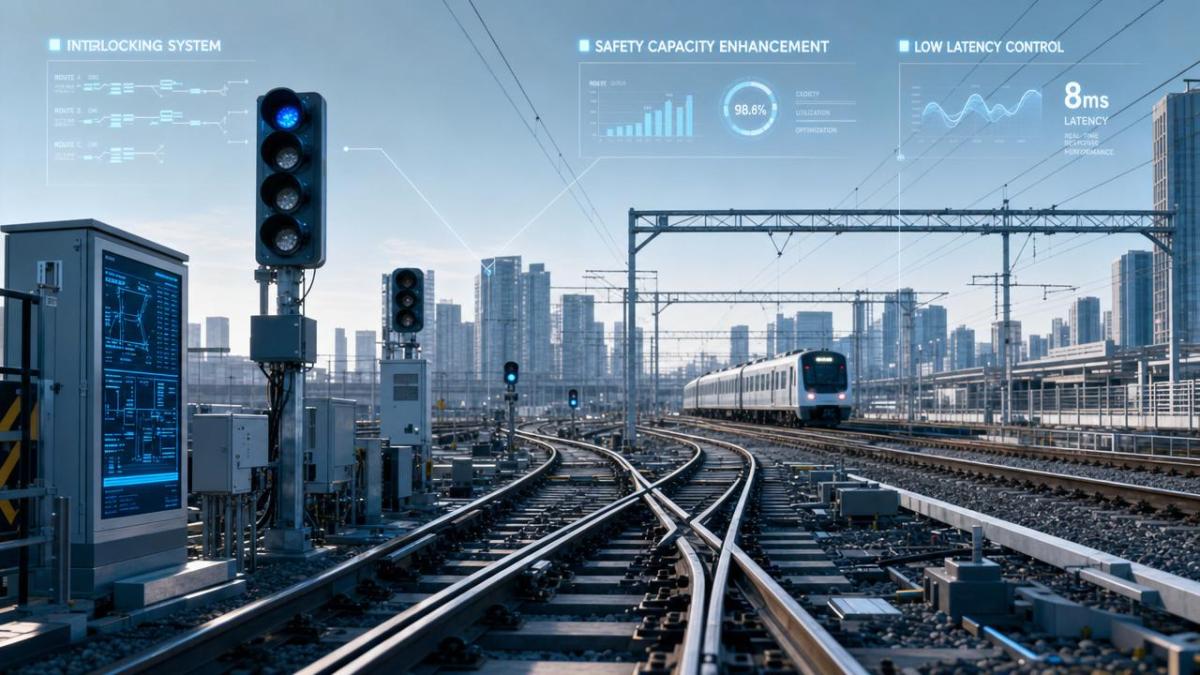
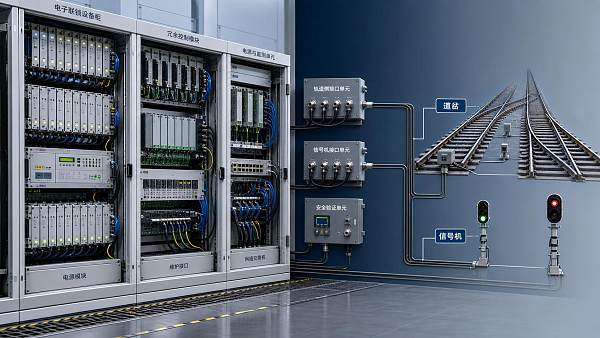
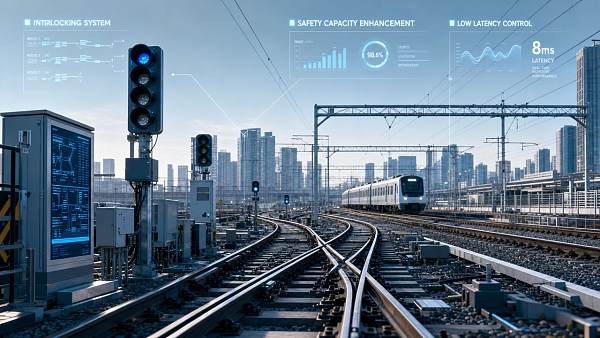
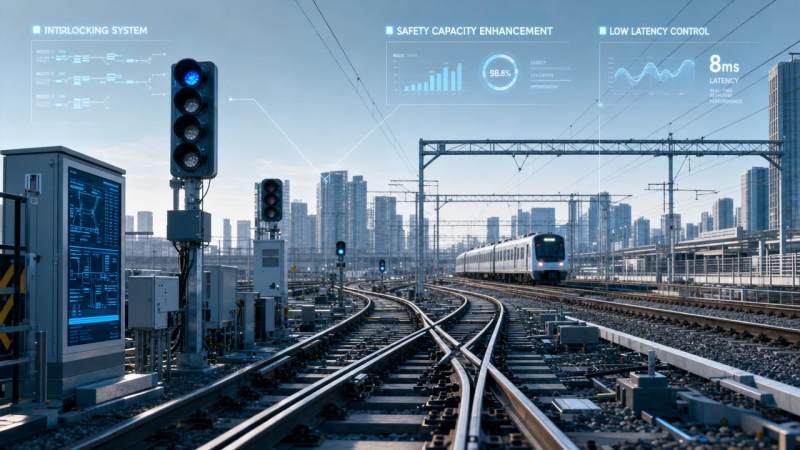
Capacity does not increase because an interlocking is simply newer or more digital. It improves when route setting, conflict management, train detection, point control, and traffic recovery work together with low latency and high fault tolerance.
For technical assessment teams, the key issue is practical headway reduction under disturbed conditions. A system that performs well only in ideal timetables may still underdeliver in dense urban corridors, terminal bottlenecks, and mixed-traffic mainline sections.
In interlocking systems for high-density rail operations, safe capacity gains usually come from the following combined design factors:
- Short and deterministic command execution for route locking, flank protection, and point movement confirmation.
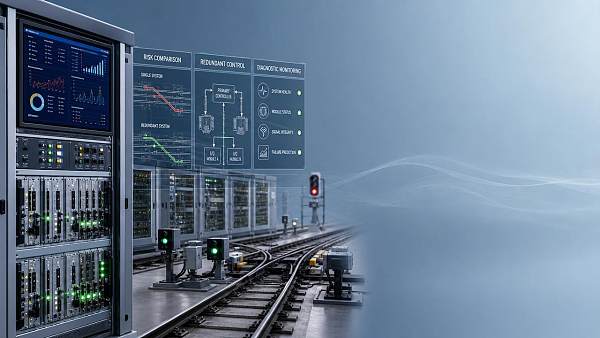
- High availability architecture with hot standby, distributed redundancy, and graceful degradation instead of full shutdown during localized failures.
- Tight integration with ATP, ATO, CBTC, ETCS, or equivalent signalling layers so movement authority and field status remain synchronized.
- Fast failure recovery tools that help operators restore service after point failures, track occupancy anomalies, or communication interruptions.
- Scalable interface capacity for future line extensions, depot links, platform screen doors, and centralized traffic control upgrades.
This is why GTOT treats the interlocking not as an isolated signalling box, but as part of a wider control ecosystem. The same intelligence discipline used to analyze high-speed traction, braking precision, and maritime system resilience also applies to rail network throughput and operational continuity.
Why headway is only one part of the decision
Many evaluations focus on minimum theoretical headway. That metric matters, but it should be read together with junction release times, point machine operating cycles, route conflict density, and timetable recovery performance after disruption.
An interlocking that supports a lower nominal headway but causes slow reset procedures after disturbances can reduce practical line capacity over an entire operating day. Technical evaluators should therefore compare resilient throughput, not brochure throughput.
Which architectures are most suitable for dense metro and mainline environments?
Architecture choice depends on traffic density, operational geography, and expansion plans. Dense metros often favor tightly integrated control with high automation support, while busy mainlines may require broader interoperability across legacy and new assets.
The table below compares common architecture directions for interlocking systems for high-density rail operations from a technical evaluation perspective.
No architecture wins in every case. The correct choice depends on how the line balances headway, maintainability, brownfield compatibility, and future migration. GTOT’s analytical value lies in helping evaluators compare these tradeoffs across real operating constraints rather than isolated specifications.
When distributed control creates safer usable capacity
In dense networks with many turnouts and route permutations, distributed object control can reduce local execution delay and improve fault containment. If one section degrades, the entire corridor does not necessarily lose control integrity.
However, distributed design only helps when communications are engineered for determinism, redundancy, and maintenance visibility. Poorly designed interfaces can erase the intended capacity benefit.
What technical parameters should evaluators check first?
Technical evaluation often fails because teams review compliance documents before defining capacity-linked parameters. For interlocking systems for high-density rail operations, a shortlist of measurable indicators should be established early in the procurement process.
The table below can be used as a practical evaluation framework during prequalification, bid comparison, and factory acceptance planning.
These indicators create a more disciplined comparison than headline claims. They also help evaluators connect software logic, field hardware behavior, and operations recovery into one decision framework.
Do not separate signalling logic from traction and braking realities
High-density rail performance is not generated by signalling alone. Pantograph stability, braking consistency, and trainborne control responsiveness affect how closely trains can safely operate in practice.
This broader system view is one reason GTOT’s intelligence model is relevant. Rail capacity decisions improve when control logic is assessed alongside train dynamics, power continuity, and operational resilience.
How do standards, safety integrity, and cybersecurity shape the selection?
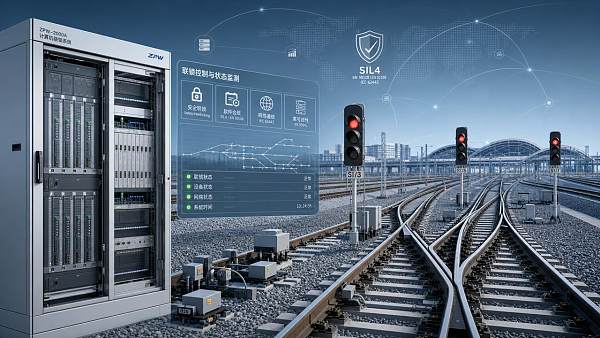
Technical evaluators rarely struggle with the idea of SIL4 itself. The challenge is understanding whether a supplier’s safety case, lifecycle discipline, and interface management can preserve safety while enabling high operational density.
- Review alignment with common rail safety lifecycle standards such as EN 50126, EN 50128, and EN 50129 where applicable.
- Check whether software changes, route data updates, and expansion packages follow controlled validation and configuration processes.
- Assess cybersecurity governance for networks, maintenance access, and remote diagnostics, especially in distributed or highly connected architectures.
- Verify how degraded modes are defined. A safe system that becomes operationally unusable during minor faults may meet compliance but still fail the capacity objective.
In dense rail operations, safety and capacity are not opposing goals. Strong safety engineering makes higher usable capacity possible because the operator can trust predictable behavior under stress, maintenance, and abnormal scenarios.
Why cybersecurity is now part of capacity assurance
When interlocking systems for high-density rail operations depend on digital interfaces, network compromise can create service restrictions long before it creates a direct safety event. Isolation design, access control, logging, and patch governance therefore affect operational continuity.
What procurement mistakes most often reduce project value?
Many buyers ask for safe capacity improvement but structure tenders around lowest upfront hardware cost. That approach can create expensive compromises in expansion flexibility, diagnostics depth, and integration workload.
For technical evaluators, the most common mistakes include:
- Treating interlocking as a standalone equipment package instead of a coordinated signalling, automation, and operations platform.
- Using generic availability claims without requiring failover logic, recovery procedures, and maintenance response detail.
- Underestimating brownfield migration complexity, especially where legacy detection systems or station equipment must coexist.
- Ignoring lifecycle software management and focusing only on initial commissioning milestones.
- Comparing capital cost without quantifying disruption risk, spare strategy, and engineering support during expansion phases.
A better procurement model links technical scoring to measurable service outcomes: route throughput, recovery speed, maintainability, interface openness, and migration risk. That is especially important in transport programs where late delivery or underperformance affects broader supply chain efficiency.
A practical shortlist for evaluator teams
Before final comparison, ask each bidder to clarify four items: expected operational headway under real constraints, failover behavior during localized faults, upgrade path for line extensions, and testing evidence for interface stability. These answers often expose the true maturity of the solution.
Which application scenarios require different interlocking priorities?
Not every high-density network needs the same interlocking strategy. Capacity drivers differ across automated metros, mixed-traffic suburban corridors, terminal stations, and freight-passenger shared lines.
The scenario table below helps technical evaluators align priorities with actual operating patterns.
This scenario-based view prevents overbuying and underengineering at the same time. It helps teams match investment to actual bottlenecks rather than defaulting to the most complex option.
FAQ: what do technical evaluators ask most about interlocking systems for high-density rail operations?
How should we compare two suppliers that both claim SIL4 compliance?
Start with operational evidence, not just safety claims. Compare architecture redundancy, fault recovery logic, route processing behavior, interface maturity, diagnostics depth, and migration risk. SIL4 indicates safety integrity discipline, but it does not by itself prove higher usable capacity or lower lifecycle disruption.
Are interlocking systems for high-density rail operations only relevant to metros?
No. They are also critical on busy suburban corridors, high-frequency mainlines, station throats, and mixed-traffic routes where route conflicts and timetable recovery determine actual throughput. The design priorities may differ, but the safe capacity question remains the same.
What is the biggest hidden cost in these projects?
Integration and migration complexity are often underestimated. Interface engineering, staged commissioning, legacy coexistence, possession planning, and software validation can affect budget and schedule more than core hardware prices. Evaluators should request clear scope boundaries and change-management rules early.
How early should maintainers be involved in evaluation?
Ideally from the start. High-density lines lose capacity quickly when troubleshooting is slow. Maintenance teams should review diagnostics, module replacement logic, remote support functions, spare strategy, and training needs before the solution is frozen.
Why consult GTOT when evaluating future-ready rail control solutions?
GTOT focuses on the core systems that determine transport performance at scale: railway signal control, traction power collection, braking reliability, and the wider intelligence logic connecting land and sea infrastructure. That cross-domain perspective is valuable for technical evaluators working under tight budgets, strict compliance demands, and fast delivery expectations.
When reviewing interlocking systems for high-density rail operations, we help teams frame the right questions before procurement risk becomes project risk. Our intelligence approach supports clearer comparisons between architectures, interfaces, lifecycle assumptions, and operational tradeoffs.
- Parameter confirmation for route logic, redundancy design, and interface scope.
- Selection support for metro, mainline, mixed-traffic, and phased upgrade scenarios.
- Discussion on delivery timing, migration constraints, and testing priorities.
- Guidance on standards alignment, safety lifecycle expectations, and documentation checkpoints.
- Commercial insight for distributors, EPC contractors, and technical teams preparing competitive tenders.
If you are comparing suppliers, validating technical parameters, checking certification expectations, or planning a customized high-density rail control roadmap, contact GTOT for a focused discussion. The most effective evaluation usually begins with a clear map of operational constraints, interface demands, delivery milestones, and long-term expansion goals.
Recommended News
 Aug 29, 2026What to verify before choosing a railway interlocking equipment exporterRailway interlocking equipment exporter checklist: verify safety evidence, interfaces, engineering, traceability, export readiness, and long-term support before procurement.
 Aug 15, 2026How to choose railway interlocking equipment for junctionsRailway interlocking equipment for junctions: learn how to choose the right system for safety, capacity, and future expansion with confidence.
 Jul 14, 2026Rail Interlocking Systems: Common Failure Risks and Design ChecksRail interlocking systems face critical risks from route locking, point detection, track vacancy, and interface timing. Learn the key design checks that improve safety and reduce commissioning risk.
 Jul 06, 2026When to Choose a SIL4 Signalling Equipment Integrator Over Multiple VendorsSIL4 signalling equipment integrator or multiple vendors? Learn when unified integration reduces interface risk, speeds safety approval, and protects rail project delivery.
 Jul 01, 2026Electronic Railway Interlocking Systems: Key Failure Risks and Compliance ChecksRailway interlocking systems electronic risks can disrupt safety, uptime, and compliance. Explore key failure points, practical checks, and proven ways to strengthen rail resilience.
 Jun 23, 2026Interlocking Systems: Key Failure Risks and Safety Checks Before DeploymentInterlocking systems: discover key failure risks, interface hazards, and must-do safety checks before deployment to prevent costly incidents and ensure fail-safe performance.
 Jun 19, 2026Interlocking Systems for Railway Safety: Key Standards and Failure RisksInterlocking systems for railway safety: explore key standards, SIL4 expectations, and hidden failure risks to strengthen railway compliance, resilience, and safe operations.
 Jun 10, 2026How Interlocking Systems Reduce Rail Network Failure RiskInterlocking systems reduce rail network failure risk by preventing conflicts, containing faults, and speeding recovery. See how they improve safety, uptime, and operational resilience.
 Jun 05, 2026Railway Control Components: Key Failure Points to AvoidRailway control components fail in different ways across urban, high-speed, freight, and harsh outdoor routes. Discover the key failure points to avoid for safer, more reliable rail operations.
 Jun 03, 2026Railway Signal Control Systems: Common Failure Points and Safety ChecksRailway signal control systems require rigorous safety checks. Discover common failure points, inspection priorities, and practical steps to reduce risk and protect rail operations.
 Jun 02, 2026How to Evaluate Railway Control Components for System ReliabilityRailway control components evaluation guide: assess SIL compliance, interoperability, stress testing, cybersecurity, and lifecycle reliability for safer rail systems.
 May 31, 2026Interlocking Systems Technology Standards: Key Compliance RisksInterlocking systems technology standards expose critical compliance risks in SIL validation, cybersecurity, and traceability—learn how to protect rail safety and approvals.
 May 28, 2026Interlocking Systems for High-Density Rail Operations: What Improves Capacity Safely?Interlocking systems for high-density rail operations: discover how SIL4-safe architectures, redundancy, and automation interfaces boost rail capacity, resilience, and future readiness.
 May 26, 2026Interlocking Systems for Railway Safety: How to Compare Failure RisksInterlocking systems for railway safety: compare failure risks through design logic, diagnostics, redundancy, and lifecycle factors to make safer, smarter rail decisions.
 May 21, 2026Interlocking Systems Technology Standards: Key Compliance Checks for 2026Interlocking systems technology standards guide 2026 rail compliance checks on safety traceability, software control, cybersecurity, and field integrity. Learn key risks and practical actions.
 May 20, 2026Interlocking Systems for High-Density Rail: Capacity Gains vs Safety TradeoffsInterlocking systems for high-density rail operations: explore how modern architectures boost rail capacity, reduce headways, and manage safety tradeoffs for smarter network planning.
 May 19, 2026Interlocking Systems for Railway Safety: Choosing for Retrofit ProjectsInterlocking systems for railway safety: learn how to choose the best retrofit path with SIL4 assurance, legacy compatibility, lower risk, and future-ready performance.
 May 17, 2026How Computer Interlocking Cuts Rail Signaling Failure RiskInterlocking systems cut rail signaling failure risk by preventing route conflicts, reducing human error, and supporting SIL4 safety—see how computer interlocking boosts reliable, high-density operations.