



Search News
Industry Portal
Popular Tags
How Computer Interlocking Cuts Rail Signaling Failure Risk
Author
Time
Click Count
In modern rail operations, even a minor signaling fault can escalate into major safety and service risks. For quality control and safety management teams, understanding how interlocking systems reduce human error, prevent route conflicts, and strengthen fail-safe performance is essential. This article explores how computer interlocking improves reliability, supports SIL4 safety goals, and helps rail networks achieve more stable, high-density operations.
How Computer Interlocking Redefines Rail Signaling Reliability
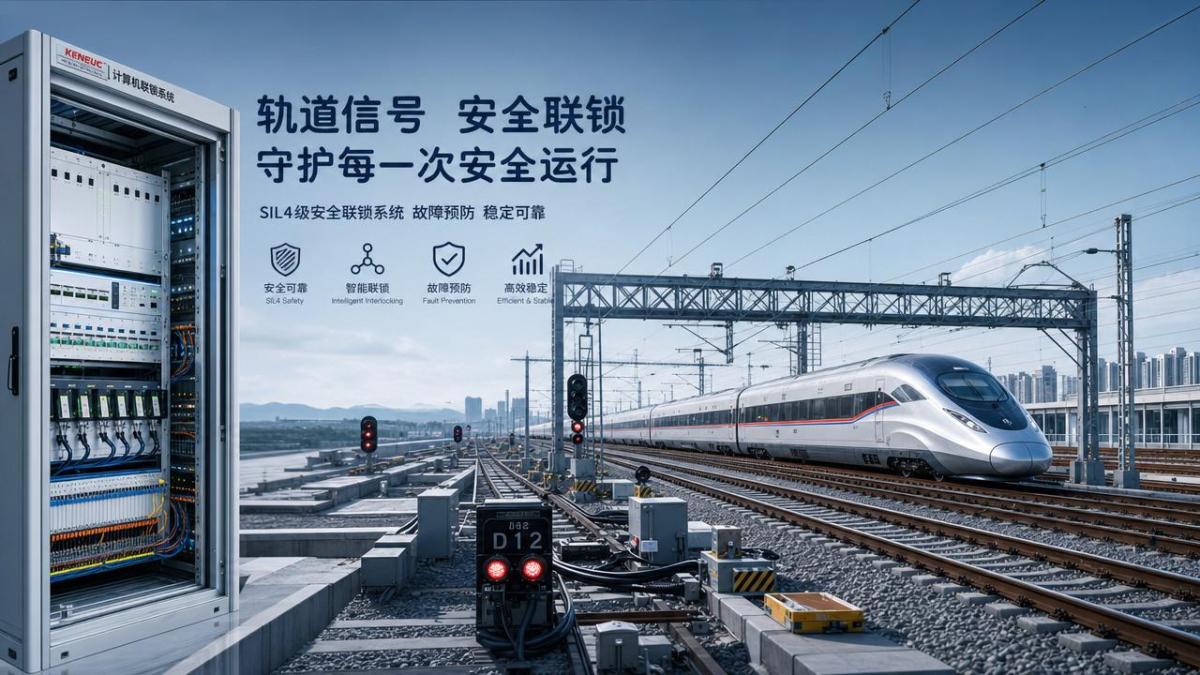
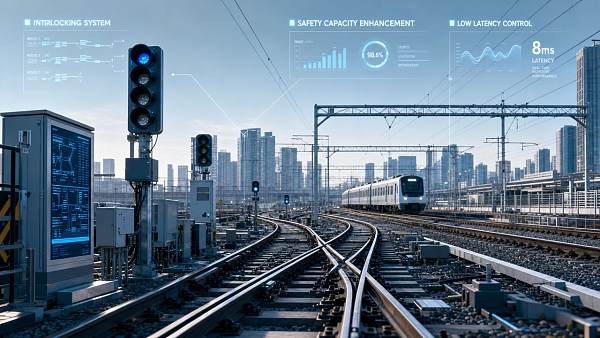
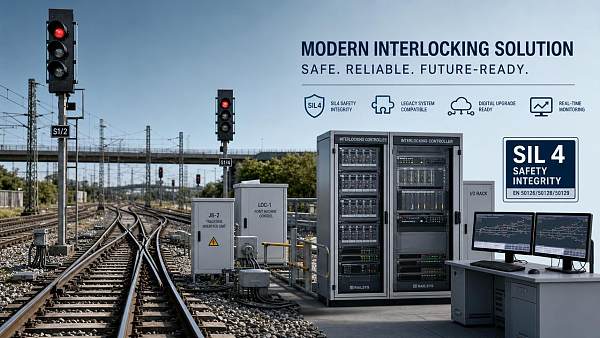
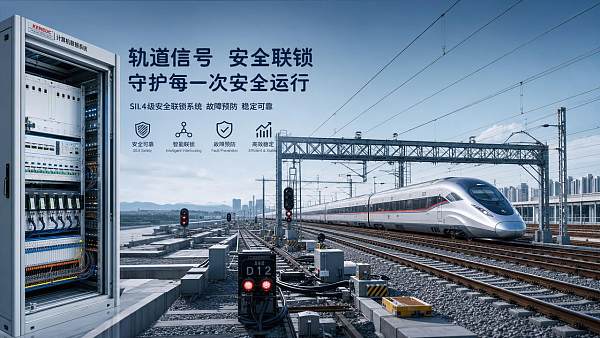
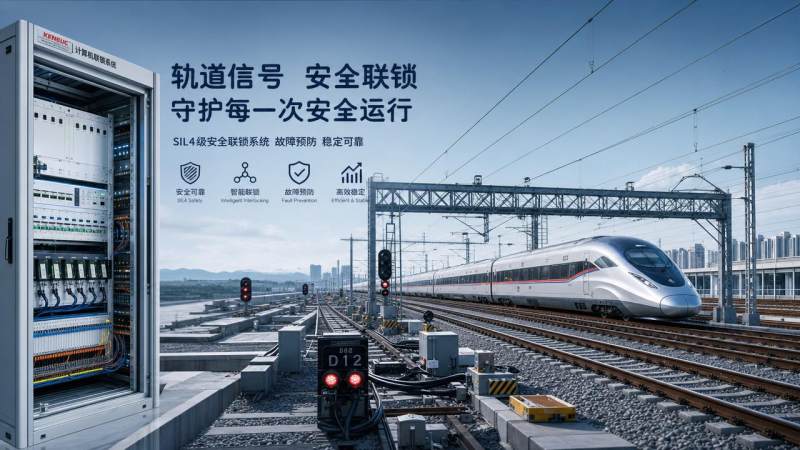
Computer interlocking is the digital core of modern railway signal control.
It replaces relay-heavy route logic with software-driven, safety-certified control rules.
Its main task is simple but critical.
It ensures that trains receive only safe movement authority.
At the same time, it blocks unsafe route combinations automatically.
Unlike manual signaling logic, computer-based interlocking systems process route checks faster and more consistently.
They verify point positions, track occupancy, flank protection, and conflicting train paths in real time.
This greatly reduces the chance of signaling failure caused by delayed reaction or operator oversight.
For networks under pressure to increase throughput, reliable interlocking systems are now a foundational safety asset.
Core Definition and Safety Logic of Interlocking Systems
Interlocking systems are designed to prevent unsafe train movements.
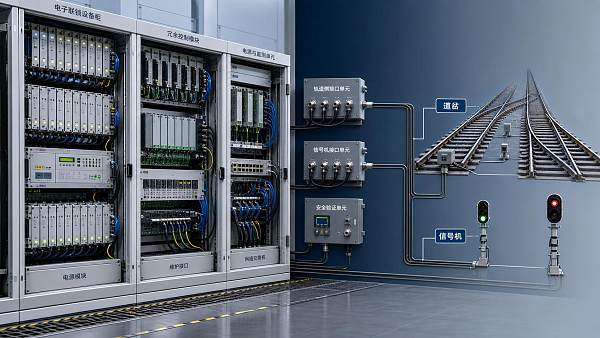
They connect signals, points, track circuits, axle counters, and route commands into one protected logic environment.
If one condition is unsafe, the system denies the route.
That fail-safe principle is central to rail signaling engineering.
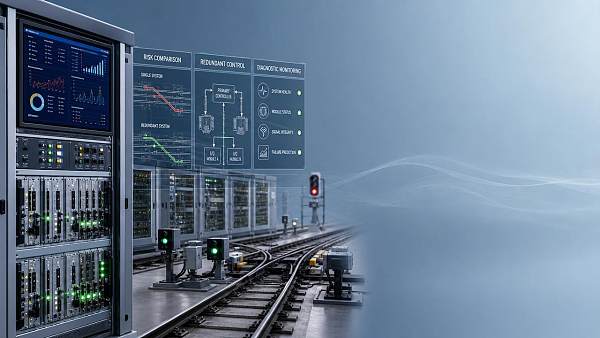
Computer interlocking improves this principle through deterministic software, redundancy, and continuous diagnostics.
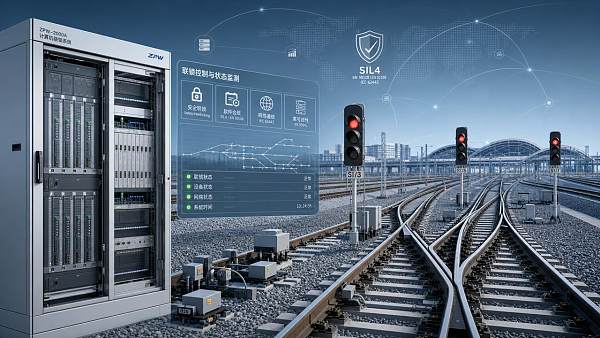
Many installations are engineered to meet SIL4 requirements, the highest railway safety integrity level.
This matters because risk reduction must be proven, not assumed.
A modern interlocking platform usually includes the following functions:
- Route setting and route locking
- Conflict detection between train paths
- Point control and position verification
- Track vacancy confirmation before movement authority
- Emergency fallback and fault isolation logic
- Event logging for audit and post-incident analysis
These functions explain why interlocking systems remain the central nervous system of safe rail operations.
Why Rail Networks Focus on Signaling Failure Risk Today
Railways are becoming denser, faster, and more automated.
This raises the consequences of even short-duration signaling disturbances.
A single route release delay can spread across a corridor within minutes.
A point detection fault can trigger speed restrictions, dispatching conflicts, and cascading timetable instability.
Computer interlocking addresses these pressures by improving consistency, traceability, and system response quality.
This industry context explains the rising importance of resilient interlocking systems across metro, mainline, and high-speed corridors.
How Computer Interlocking Cuts Failure Risk in Practice
1. It removes many manual logic dependencies
Traditional signaling often depends on human sequencing of route steps.
Computer interlocking executes validated route logic automatically.
This reduces the risk of missed checks, incorrect route release, or inconsistent command timing.
2. It prevents route conflicts before they form
Interlocking systems compare requested movements against active and reserved routes.
If overlap exists, the command is blocked instantly.
This proactive protection is far stronger than relying on human awareness alone.
3. It improves point machine supervision
Many signaling incidents begin with turnout misdetection or incomplete movement.
Computer interlocking checks commanded and detected states before signal clearance.
If mismatch appears, movement authority remains restricted.
4. It strengthens fail-safe behavior during faults
A well-designed system does not fail dangerously.
Instead, it fails to a safe state.
That may mean route rejection, restrictive signal aspects, or section isolation for controlled recovery.
5. It supports faster fault localization
Digital logs and built-in diagnostics help teams trace failure origin quickly.
This reduces mean time to repair and lowers disruption duration.
Over time, interlocking systems also provide data for preventive maintenance planning.
Operational Value Across Rail and Broader Transport Infrastructure
The value of computer interlocking is not limited to accident prevention.
It also supports network efficiency, asset utilization, and modernization planning.
For intelligence-led transport platforms such as GTOT, this matters because rail safety now connects directly with supply chain continuity.
Stable train dispatching protects ports, inland terminals, industrial corridors, and time-sensitive freight flows.
That makes interlocking systems relevant across the wider integrated transport industry.
- Higher line availability through fewer signaling-related service interruptions
- Better punctuality under dense mixed-traffic conditions
- Safer support for automatic train operation and digital control migration
- Improved confidence during network expansion and station remodeling
- Clearer safety evidence for regulators, integrators, and infrastructure owners
In other words, modern interlocking systems create both safety value and business continuity value.
Typical Application Scenarios for Interlocking Systems
Different railway environments place different demands on route control logic.
The table below shows where computer interlocking delivers the strongest impact.
Implementation Considerations and Practical Control Points
Deploying computer interlocking requires more than software installation.
Real reliability comes from disciplined engineering, verification, and lifecycle management.
- Validate route tables thoroughly before commissioning.
- Confirm interface integrity with points, track detection, and control centers.
- Use redundancy where availability targets are critical.
- Maintain cybersecurity discipline for networked signaling assets.
- Monitor event data to identify recurring fault signatures.
- Plan migration carefully when replacing relay interlocking in live traffic areas.
These actions help interlocking systems deliver their intended safety and reliability benefits over the full asset lifecycle.
Next-Step Focus for Safer and More Stable Rail Operations
Computer interlocking has become a proven method for cutting rail signaling failure risk.
It reduces manual error exposure, blocks unsafe route combinations, and supports fail-safe recovery under abnormal conditions.
As railways pursue automation, speed, and denser timetables, robust interlocking systems will remain essential.
A practical next step is to review existing signaling assets against route complexity, fault history, and SIL4 safety expectations.
That assessment can reveal where computer interlocking upgrades will produce the strongest reliability gains.
For organizations tracking advanced railway control components through GTOT, interlocking systems are not just equipment.
They are a strategic control layer for safer mobility, steadier logistics, and stronger infrastructure resilience.
Recommended News
 Aug 29, 2026What to verify before choosing a railway interlocking equipment exporterRailway interlocking equipment exporter checklist: verify safety evidence, interfaces, engineering, traceability, export readiness, and long-term support before procurement.
 Aug 15, 2026How to choose railway interlocking equipment for junctionsRailway interlocking equipment for junctions: learn how to choose the right system for safety, capacity, and future expansion with confidence.
 Jul 14, 2026Rail Interlocking Systems: Common Failure Risks and Design ChecksRail interlocking systems face critical risks from route locking, point detection, track vacancy, and interface timing. Learn the key design checks that improve safety and reduce commissioning risk.
 Jul 06, 2026When to Choose a SIL4 Signalling Equipment Integrator Over Multiple VendorsSIL4 signalling equipment integrator or multiple vendors? Learn when unified integration reduces interface risk, speeds safety approval, and protects rail project delivery.
 Jul 01, 2026Electronic Railway Interlocking Systems: Key Failure Risks and Compliance ChecksRailway interlocking systems electronic risks can disrupt safety, uptime, and compliance. Explore key failure points, practical checks, and proven ways to strengthen rail resilience.
 Jun 23, 2026Interlocking Systems: Key Failure Risks and Safety Checks Before DeploymentInterlocking systems: discover key failure risks, interface hazards, and must-do safety checks before deployment to prevent costly incidents and ensure fail-safe performance.
 Jun 19, 2026Interlocking Systems for Railway Safety: Key Standards and Failure RisksInterlocking systems for railway safety: explore key standards, SIL4 expectations, and hidden failure risks to strengthen railway compliance, resilience, and safe operations.
 Jun 10, 2026How Interlocking Systems Reduce Rail Network Failure RiskInterlocking systems reduce rail network failure risk by preventing conflicts, containing faults, and speeding recovery. See how they improve safety, uptime, and operational resilience.
 Jun 05, 2026Railway Control Components: Key Failure Points to AvoidRailway control components fail in different ways across urban, high-speed, freight, and harsh outdoor routes. Discover the key failure points to avoid for safer, more reliable rail operations.
 Jun 03, 2026Railway Signal Control Systems: Common Failure Points and Safety ChecksRailway signal control systems require rigorous safety checks. Discover common failure points, inspection priorities, and practical steps to reduce risk and protect rail operations.
 Jun 02, 2026How to Evaluate Railway Control Components for System ReliabilityRailway control components evaluation guide: assess SIL compliance, interoperability, stress testing, cybersecurity, and lifecycle reliability for safer rail systems.
 May 31, 2026Interlocking Systems Technology Standards: Key Compliance RisksInterlocking systems technology standards expose critical compliance risks in SIL validation, cybersecurity, and traceability—learn how to protect rail safety and approvals.
 May 28, 2026Interlocking Systems for High-Density Rail Operations: What Improves Capacity Safely?Interlocking systems for high-density rail operations: discover how SIL4-safe architectures, redundancy, and automation interfaces boost rail capacity, resilience, and future readiness.
 May 26, 2026Interlocking Systems for Railway Safety: How to Compare Failure RisksInterlocking systems for railway safety: compare failure risks through design logic, diagnostics, redundancy, and lifecycle factors to make safer, smarter rail decisions.
 May 21, 2026Interlocking Systems Technology Standards: Key Compliance Checks for 2026Interlocking systems technology standards guide 2026 rail compliance checks on safety traceability, software control, cybersecurity, and field integrity. Learn key risks and practical actions.
 May 20, 2026Interlocking Systems for High-Density Rail: Capacity Gains vs Safety TradeoffsInterlocking systems for high-density rail operations: explore how modern architectures boost rail capacity, reduce headways, and manage safety tradeoffs for smarter network planning.
 May 19, 2026Interlocking Systems for Railway Safety: Choosing for Retrofit ProjectsInterlocking systems for railway safety: learn how to choose the best retrofit path with SIL4 assurance, legacy compatibility, lower risk, and future-ready performance.
 May 17, 2026How Computer Interlocking Cuts Rail Signaling Failure RiskInterlocking systems cut rail signaling failure risk by preventing route conflicts, reducing human error, and supporting SIL4 safety—see how computer interlocking boosts reliable, high-density operations.