



Search News
Industry Portal
Popular Tags
Electronic Railway Interlocking Systems: Key Failure Risks and Compliance Checks
Author
Time
Click Count
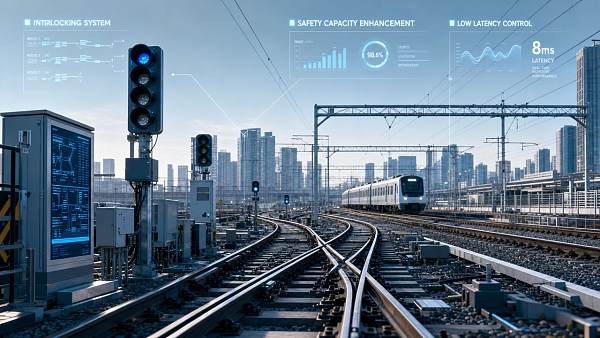
Electronic railway interlocking systems sit at the center of safe train movement. They do more than switch routes. They verify logic, lock conflict points, and prevent unsafe commands from reaching the field.
That is why failure risk in railway interlocking systems electronic design is never a narrow technical issue. A small mismatch in software logic, interface timing, or maintenance records can turn into service disruption, degraded protection, or a reportable safety event.
Across high-density rail corridors, automated metros, and cross-border freight routes, compliance checks now matter as much as core functionality. For a sector shaped by SIL-oriented control expectations, disciplined verification is part of operational resilience, not paperwork.
Why Electronic Interlocking Has Become a Strategic Risk Point
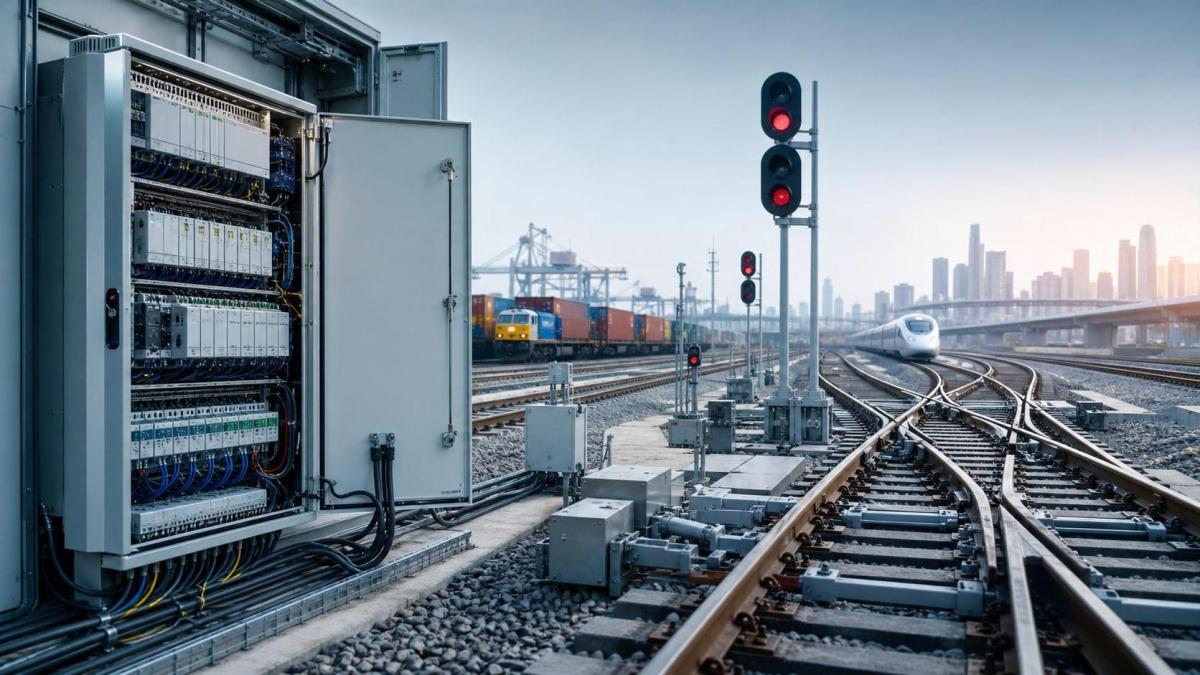
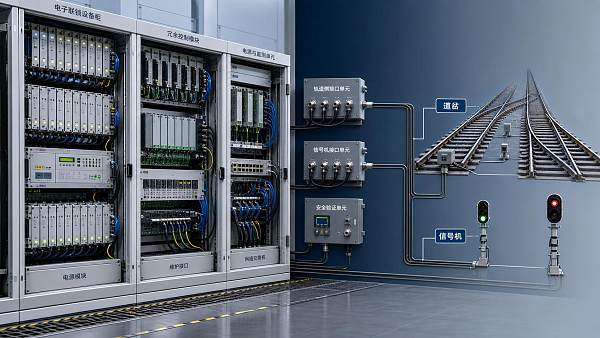
Modern railway interlocking systems electronic architectures are more connected than earlier relay-based schemes. They exchange data with wayside assets, traffic management layers, onboard interfaces, diagnostics tools, and cybersecurity controls.
This wider integration improves capacity and visibility. It also expands the number of places where assumptions can fail. A safe core processor may still be exposed by weak configuration control or an unreliable external interface.
From a broader transport perspective, that matters beyond rail alone. GTOT follows intercontinental infrastructure where signaling reliability, traction continuity, braking performance, and maritime logistics all influence supply chain stability.
In that context, interlocking is the rail network’s decision layer. When it performs well, operators gain throughput, traceability, and confidence. When it fails silently, downstream impact spreads quickly across terminals, depots, and freight schedules.
What an Electronic Interlocking System Actually Controls
At its core, the system confirms whether a route is safe before movement authority is released. It checks point positions, track occupancy, flank protection, signal aspects, route locking, and release conditions.
The key difference in railway interlocking systems electronic platforms is that these safety decisions are implemented through validated software, hardware redundancy, secure data communication, and strict lifecycle documentation.
In practice, the safety case depends on three linked layers:
- Application logic that reflects the route design and signaling principles.
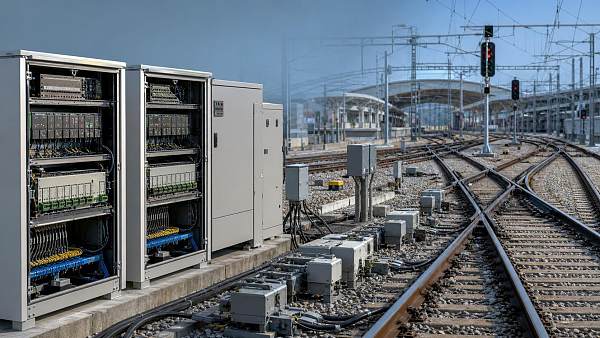
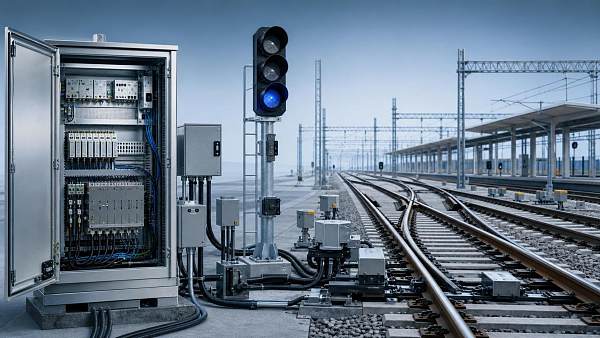
- Field interfaces connecting signals, points, track circuits, axle counters, and power supplies.
- Lifecycle controls covering change management, test evidence, maintenance records, and fault response.
Most serious problems emerge between these layers, not only within one component. That is where compliance reviews need to look harder.
Failure Risks That Deserve Closer Attention
Logic Configuration Errors
A route may be safe in the scheme plan but unsafe in the configured logic. Wrong release timing, incomplete flank locking, or incorrect overlap treatment can survive if test coverage is shallow.
This risk increases during upgrades, data migration, and station extension projects. Reused templates can hide local exceptions, especially at complex junctions.
Interface Integrity Problems
Electronic interlocking depends on reliable status exchange. If point indication, track vacancy, or signal command feedback is delayed, corrupted, or interpreted incorrectly, the safety margin narrows quickly.
Common causes include protocol mismatch, wiring faults, grounding issues, cabinet humidity, and undocumented firmware changes in adjacent equipment.
Unsafe Maintenance Intervention
Not every failure begins in design. Temporary bypasses, test jumpers left in place, incomplete restoration, and uncontrolled laptop access can compromise a compliant system after commissioning.
This is often where quality control and safety oversight intersect. The system itself may be robust, while local practices weaken the protection envelope.
Power, Redundancy, and Environmental Stress
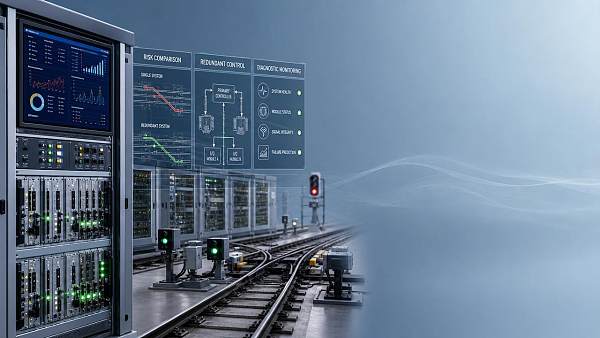
Railway interlocking systems electronic hardware is designed for high availability, yet resilience still depends on power quality, cabinet cooling, surge protection, and redundancy switching behavior.
Thermal drift, unstable DC supply, or intermittent network modules may create sporadic faults that are difficult to reproduce but operationally significant.
Compliance Drift Over Time
A system can pass acceptance and still drift away from its approved baseline. Spare parts substitution, software patching, revised operating rules, and incomplete document updates gradually separate the site from its safety case.
What Compliance Checks Should Confirm
Compliance checking should not stop at certificate review. It should confirm that the installed, configured, and maintained system still matches the approved safety intent.
A practical review usually covers the points below.
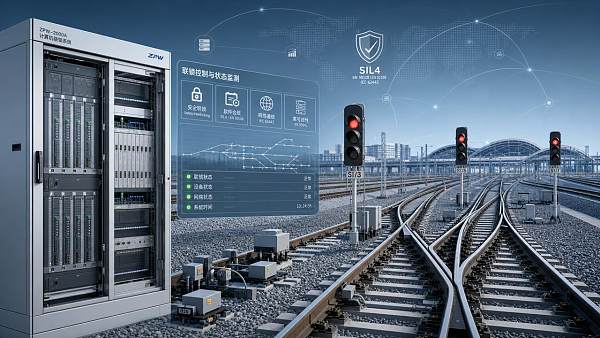
Standards frameworks vary by market, but checks often align with EN 50126, EN 50128, EN 50129, local railway authority rules, and project-specific SIL requirements.
The point is not to collect labels. The point is to prove that system behavior, evidence, and operational practice still line up.
Where Problems Usually Surface in Operations
The same interlocking architecture can behave very differently across sites. Risk exposure changes with traffic density, asset age, and interface complexity.
Urban and High-Density Networks
Short headways magnify minor faults. Recurrent point indication loss or delayed route release can create immediate service instability and dispatch pressure.
Mixed Traffic Corridors
Freight, passenger, and maintenance movements produce more route combinations. That means more edge cases in application data and more potential for hidden logic conflicts.
Modernization Projects
Legacy field devices often remain in service while the interlocking core is replaced. This transitional state is a known hotspot for interface risk and compliance gaps.
For GTOT’s wider intelligence lens, these scenarios also influence the economics of rolling stock availability, terminal scheduling, and logistics predictability across connected transport chains.
A Practical Review Method for Ongoing Assurance
A useful review cycle for railway interlocking systems electronic performance should be evidence-based and repeatable. It should also connect design intent with site reality.
- Map the approved baseline, including hardware revision, software version, application data set, and interface inventory.
- Compare fault logs with maintenance actions, then look for repeated resets, nuisance alarms, or unexplained degraded modes.
- Sample route logic against actual field conditions at complex points, junctions, and temporary operating arrangements.
- Check change records for temporary modifications that may have become permanent by habit.
- Review competence, access control, and restoration discipline for anyone touching safety-relevant equipment or data.
- Reconfirm whether compliance evidence remains current after expansion, migration, or integration with new supervisory systems.
Usually, the strongest assurance comes from combining document review, field inspection, and fault trend analysis rather than relying on any single source.
What to Prioritize Next
Electronic interlocking should be treated as a living safety system, not a one-time acceptance milestone. The real question is whether the site still behaves exactly as its safety argument claims.
A sensible next step is to build a focused checklist around the highest-risk interfaces, recent changes, recurring alarms, and any divergence between configuration records and field reality.
For organizations comparing assets across regions or projects, a common review framework helps reveal where railway interlocking systems electronic performance is genuinely robust and where compliance only looks complete on paper.
That kind of disciplined comparison is where market intelligence becomes operational value. It supports better technical judgment, cleaner tender decisions, and safer rail networks under real service pressure.
Recommended News
 Aug 29, 2026What to verify before choosing a railway interlocking equipment exporterRailway interlocking equipment exporter checklist: verify safety evidence, interfaces, engineering, traceability, export readiness, and long-term support before procurement.
 Aug 15, 2026How to choose railway interlocking equipment for junctionsRailway interlocking equipment for junctions: learn how to choose the right system for safety, capacity, and future expansion with confidence.
 Jul 14, 2026Rail Interlocking Systems: Common Failure Risks and Design ChecksRail interlocking systems face critical risks from route locking, point detection, track vacancy, and interface timing. Learn the key design checks that improve safety and reduce commissioning risk.
 Jul 06, 2026When to Choose a SIL4 Signalling Equipment Integrator Over Multiple VendorsSIL4 signalling equipment integrator or multiple vendors? Learn when unified integration reduces interface risk, speeds safety approval, and protects rail project delivery.
 Jul 01, 2026Electronic Railway Interlocking Systems: Key Failure Risks and Compliance ChecksRailway interlocking systems electronic risks can disrupt safety, uptime, and compliance. Explore key failure points, practical checks, and proven ways to strengthen rail resilience.
 Jun 23, 2026Interlocking Systems: Key Failure Risks and Safety Checks Before DeploymentInterlocking systems: discover key failure risks, interface hazards, and must-do safety checks before deployment to prevent costly incidents and ensure fail-safe performance.
 Jun 19, 2026Interlocking Systems for Railway Safety: Key Standards and Failure RisksInterlocking systems for railway safety: explore key standards, SIL4 expectations, and hidden failure risks to strengthen railway compliance, resilience, and safe operations.
 Jun 10, 2026How Interlocking Systems Reduce Rail Network Failure RiskInterlocking systems reduce rail network failure risk by preventing conflicts, containing faults, and speeding recovery. See how they improve safety, uptime, and operational resilience.
 Jun 05, 2026Railway Control Components: Key Failure Points to AvoidRailway control components fail in different ways across urban, high-speed, freight, and harsh outdoor routes. Discover the key failure points to avoid for safer, more reliable rail operations.
 Jun 03, 2026Railway Signal Control Systems: Common Failure Points and Safety ChecksRailway signal control systems require rigorous safety checks. Discover common failure points, inspection priorities, and practical steps to reduce risk and protect rail operations.
 Jun 02, 2026How to Evaluate Railway Control Components for System ReliabilityRailway control components evaluation guide: assess SIL compliance, interoperability, stress testing, cybersecurity, and lifecycle reliability for safer rail systems.
 May 31, 2026Interlocking Systems Technology Standards: Key Compliance RisksInterlocking systems technology standards expose critical compliance risks in SIL validation, cybersecurity, and traceability—learn how to protect rail safety and approvals.
 May 28, 2026Interlocking Systems for High-Density Rail Operations: What Improves Capacity Safely?Interlocking systems for high-density rail operations: discover how SIL4-safe architectures, redundancy, and automation interfaces boost rail capacity, resilience, and future readiness.
 May 26, 2026Interlocking Systems for Railway Safety: How to Compare Failure RisksInterlocking systems for railway safety: compare failure risks through design logic, diagnostics, redundancy, and lifecycle factors to make safer, smarter rail decisions.
 May 21, 2026Interlocking Systems Technology Standards: Key Compliance Checks for 2026Interlocking systems technology standards guide 2026 rail compliance checks on safety traceability, software control, cybersecurity, and field integrity. Learn key risks and practical actions.
 May 20, 2026Interlocking Systems for High-Density Rail: Capacity Gains vs Safety TradeoffsInterlocking systems for high-density rail operations: explore how modern architectures boost rail capacity, reduce headways, and manage safety tradeoffs for smarter network planning.
 May 19, 2026Interlocking Systems for Railway Safety: Choosing for Retrofit ProjectsInterlocking systems for railway safety: learn how to choose the best retrofit path with SIL4 assurance, legacy compatibility, lower risk, and future-ready performance.
 May 17, 2026How Computer Interlocking Cuts Rail Signaling Failure RiskInterlocking systems cut rail signaling failure risk by preventing route conflicts, reducing human error, and supporting SIL4 safety—see how computer interlocking boosts reliable, high-density operations.