



Railway Signal Control Systems: Common Failure Points and Safety Checks
Railway signal control systems are the safety-critical backbone of modern rail operations, where even minor component degradation, wiring faults, software anomalies, or maintenance oversights can escalate into service disruptions or serious safety risks.
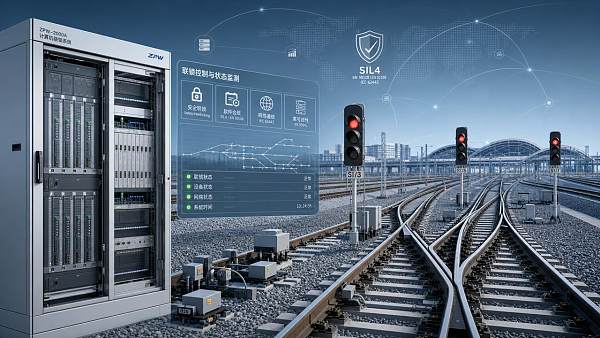
For quality control and safety management teams, understanding common failure points and conducting disciplined safety checks is essential to maintaining SIL4-level reliability, protecting passengers, and ensuring regulatory compliance.
This guide outlines practical inspection priorities and risk signals to help teams strengthen fault prevention across complex rail networks.
What Safety Teams Should Verify First
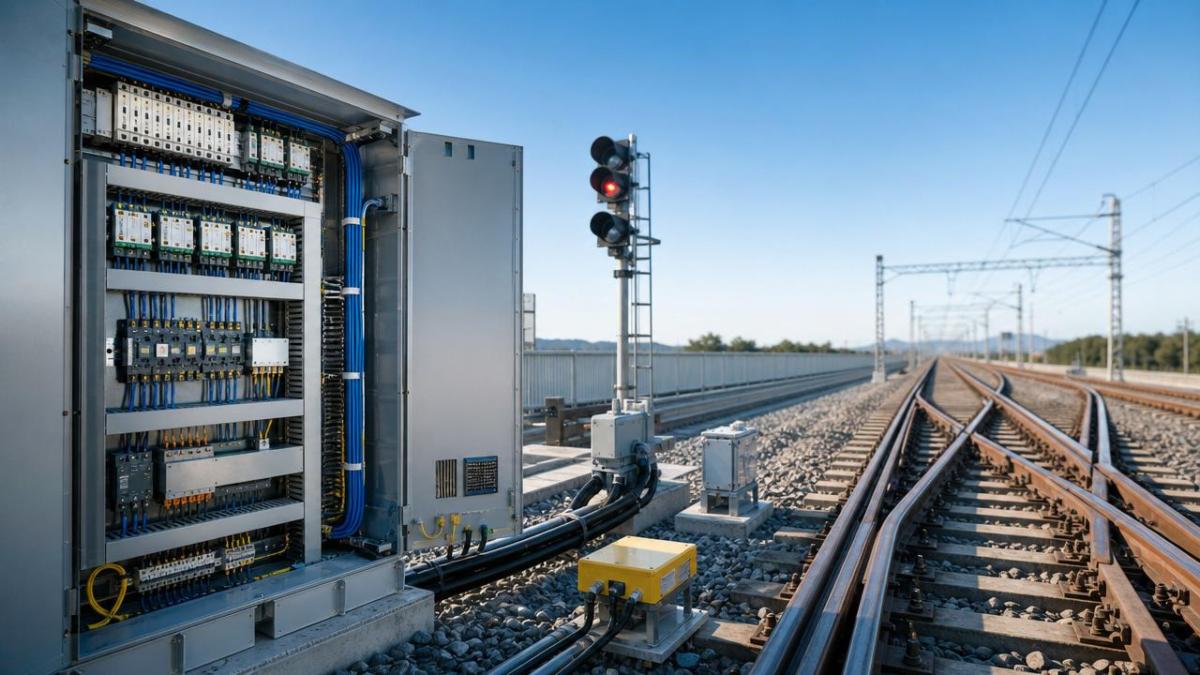
When professionals search for railway signal control systems, they usually need more than a basic definition or product overview.
The core concern is whether the system can continue making safe decisions under component failure, harsh environments, and operational pressure.
For quality control and safety managers, the first question is not whether equipment works during acceptance testing.
The real question is whether degradation can be detected before it becomes a wrong-side failure, service interruption, or regulatory incident.
A good safety check therefore focuses on failure pathways, diagnostic coverage, maintenance discipline, configuration control, and evidence quality.
Teams should prioritize verifiable risk indicators over generic inspection routines that look complete but miss system-level vulnerability.
Why Railway Signal Control Systems Fail in Practice
Most serious signal failures are not caused by one dramatic defect appearing suddenly in a perfectly maintained network.
They usually emerge from accumulated weaknesses across trackside equipment, cabling, power supply, software configuration, and maintenance execution.
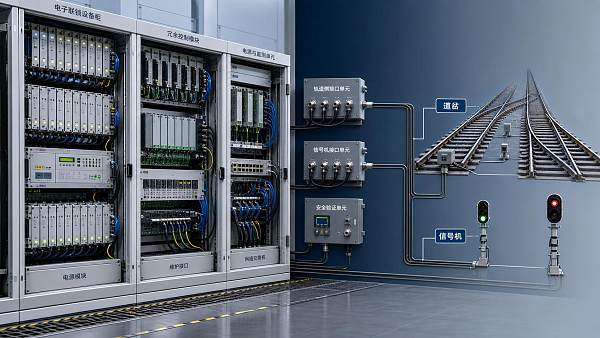
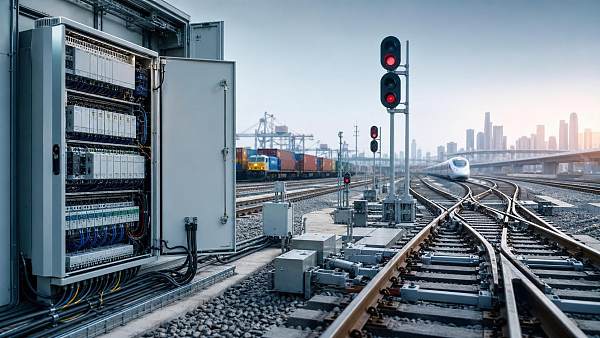
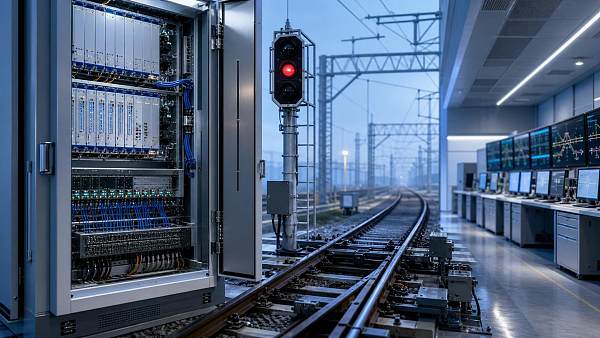
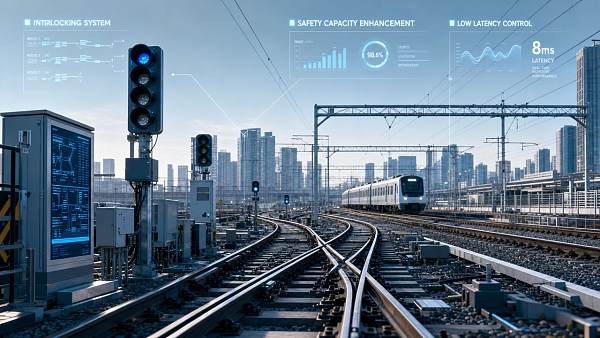
Railway signal control systems operate as distributed safety ecosystems, not isolated cabinets or individual relays.
A track circuit reading, axle counter input, interlocking command, point machine status, and communication message must remain logically consistent.
When one layer drifts outside tolerance, the system may enter a restrictive state, causing delays but preserving safety.
The greater concern is a hidden fault that remains undetected while reducing redundancy or diagnostic effectiveness.
Safety teams should separate fail-safe behavior from system health. A system can stop trains safely yet still reveal weak asset condition.
Repeated restrictive failures, intermittent alarms, or unexplained resets often indicate inspection quality problems rather than unavoidable operational noise.
Trackside Detection: Track Circuits and Axle Counters
Train detection remains one of the most important inspection areas because it directly affects route locking and movement authority.
Track circuits can fail due to ballast contamination, rail corrosion, poor bonding, insulation breakdown, and fluctuating traction return currents.
Quality teams should monitor voltage margins, shunt sensitivity, bonding integrity, and historical trends rather than only pass-fail readings.
A circuit working today with minimal margin may become unstable after heavy rain, temperature change, or intensified traffic.
Axle counters reduce some track circuit problems but introduce their own risks around head alignment, counting errors, and reset discipline.
Improper reset procedures are especially dangerous because they can restore a section without sufficient confirmation of track vacancy.
Safety checks should verify documented reset authorization, independent verification steps, and event logs matching actual field conditions.
Inspection teams should also review nuisance failure frequency, because repeated manual intervention can normalize unsafe operational shortcuts.
Point Machines and Switch Detection Risks
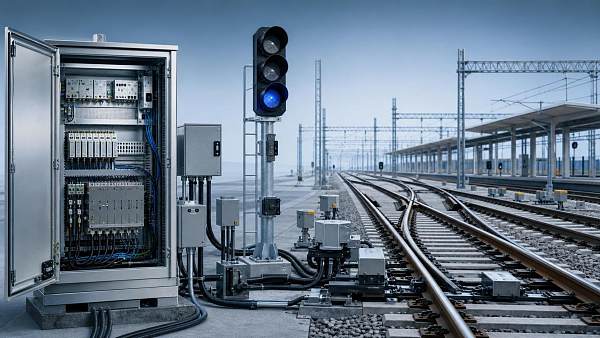
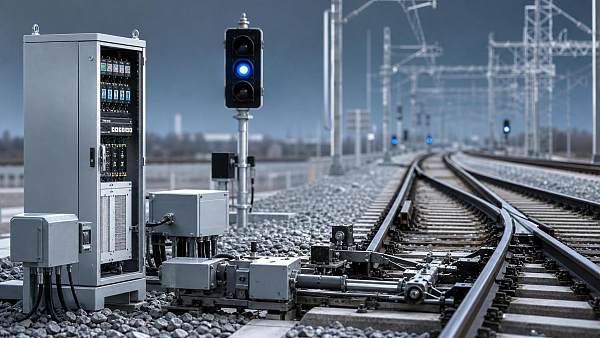
Point machines are frequent failure sources because they combine mechanical movement, electrical control, locking detection, and harsh outdoor exposure.
Common issues include obstruction, insufficient throw, worn detection contacts, water ingress, cable damage, and excessive motor current.
A safety check should confirm that points are not merely moving, but locking and detecting correctly under realistic load conditions.
Maintenance teams should compare motor current curves, operation time, and mechanical resistance across historical records.
Gradual increases in current or movement time often reveal lubrication problems, mechanical wear, or alignment drift before failure occurs.
Quality control should also verify correspondence between actual point position and indication received by the interlocking.
Any discrepancy between physical inspection, local indication, and control center status must be treated as a safety-critical abnormality.
Point inspections are most effective when mechanical technicians and signaling engineers jointly validate the same asset condition.
Interlocking Logic and Configuration Control
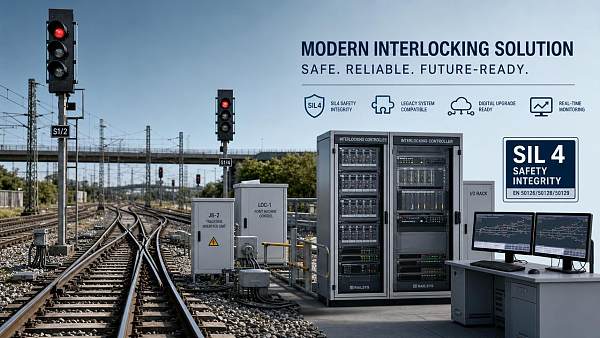
The interlocking is the decision core of railway signal control systems, enforcing safe route setting and conflict prevention.
Its reliability depends not only on certified hardware, but also on controlled logic, tested data, and disciplined change management.
Common failure points include incorrect application data, unauthorized parameter changes, incomplete regression testing, and poor version traceability.
Safety managers should require clear evidence connecting design requirements, configuration files, test cases, and final commissioned data.
Every software or data modification should have an approved change record, hazard review, validation result, and rollback plan.
Field teams sometimes treat minor timetable, route, or signal aspect changes as operational adjustments rather than safety changes.
That assumption is risky because small logical changes can affect locking tables, flank protection, overlaps, and release conditions.
A robust audit verifies that installed configuration matches approved baselines, not only that the system appears functional.
Power Supply, Earthing, and Environmental Stress
Power instability is a practical cause of intermittent failures, especially in aging networks or geographically exposed installations.
Signal equipment may face voltage dips, transient surges, battery degradation, insulation deterioration, and inadequate surge protection.
Safety checks should include standby battery autonomy, charger performance, feeder condition, fuse coordination, and alarm reporting accuracy.
Earthing and bonding deserve special attention because poor grounding can produce unreliable indications, equipment damage, or electromagnetic interference.
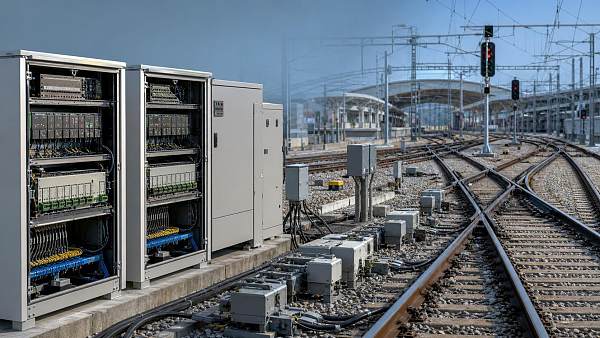
Environmental stress is equally important. Heat, humidity, dust, vibration, flooding, and rodents can compromise cabinets and cable routes.
Inspection records should include enclosure sealing, drainage, ventilation, temperature control, and evidence of water or pest intrusion.
Teams should not wait for equipment failure before acting on environmental defects. These conditions accelerate degradation across multiple assets.
Preventive investment in drainage, sealing, and power conditioning often delivers higher safety value than repeated component replacement.
Communication Links and Data Integrity
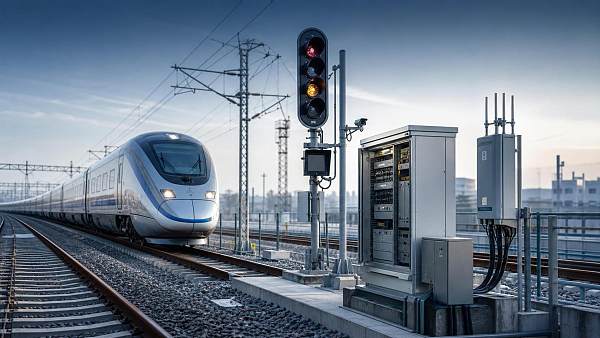
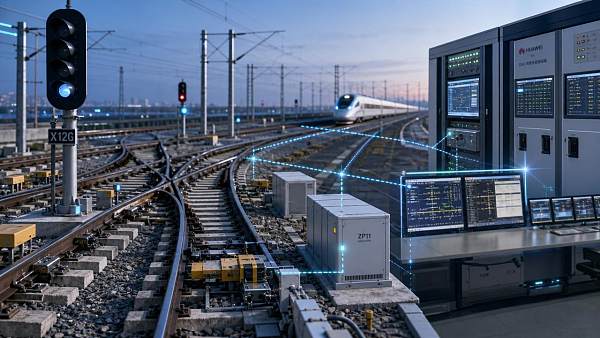
Modern railway signal control systems increasingly depend on digital communication between interlockings, object controllers, control centers, and onboard systems.
Failures may involve fiber damage, network latency, packet loss, synchronization errors, cybersecurity weakness, or degraded radio coverage.
Although many systems fail safely when communications are lost, repeated communication instability can reduce capacity and operational resilience.
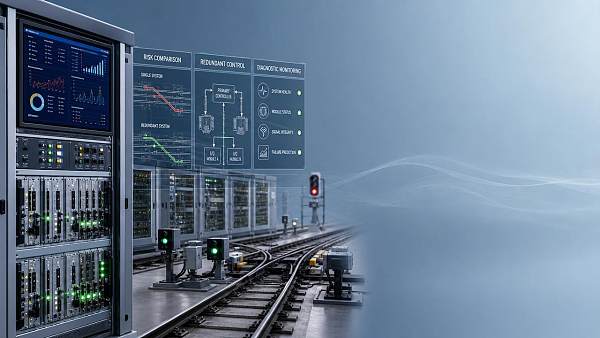
Safety managers should verify redundancy paths, failover behavior, time synchronization, network health monitoring, and alarm escalation rules.
Communication logs are valuable because they reveal intermittent patterns that short site inspections may never capture.
For radio-based train control environments, coverage mapping, handover performance, antenna condition, and interference analysis become essential checks.
Cybersecurity should also be included in safety governance, because unauthorized access or configuration tampering can affect operational integrity.
Access control, patch management, secure remote maintenance, and audit trails should be treated as engineering controls, not IT formalities.
Human Factors in Maintenance and Operations
Even highly reliable technology can be weakened by poor procedures, unclear responsibilities, or incomplete training.
Many signaling incidents involve human factors such as incorrect isolation, rushed testing, poor handover, or undocumented local workaround.
Safety checks should examine whether procedures are usable in real conditions, not only whether documents exist.
Maintenance instructions must clearly define safe states, test boundaries, communication protocols, and authority for restoration to service.
Shift handover quality is especially important after unresolved faults, temporary restrictions, or repeated equipment alarms.
Quality managers should look for evidence that field observations, control center logs, and maintenance records tell the same story.
If records are inconsistent, the organization may lack a reliable safety picture even when assets appear technically compliant.
Training should include abnormal scenarios, reset rules, degraded mode operation, and recognition of wrong-side failure risk indicators.
A Practical Safety Check Framework
An effective inspection program should combine routine verification, condition monitoring, functional testing, and independent safety assessment.
The goal is to confirm that equipment condition, system logic, and operating procedures remain aligned with the approved safety case.
Start with asset criticality. Prioritize mainline interlockings, high-density junctions, passenger hubs, high-speed routes, and interfaces with automation systems.
Next, review fault history. Repeated failures on the same route, cabinet, or component type should trigger root-cause investigation.
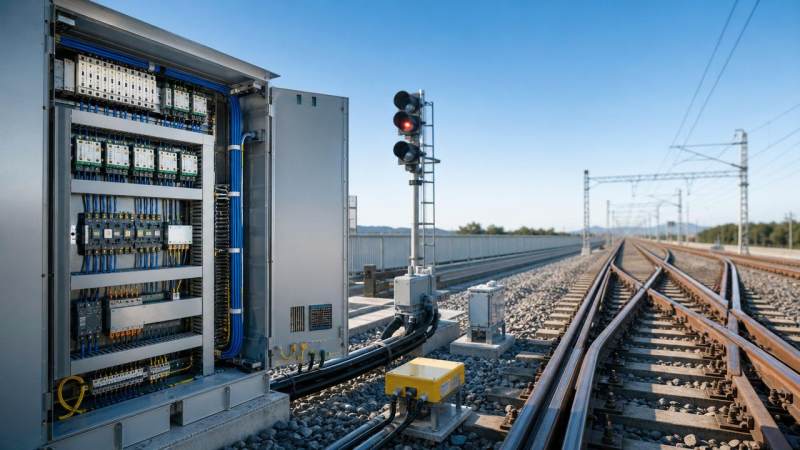
Then inspect physical condition. Cables, terminals, relays, modules, connectors, seals, batteries, and earthing points require documented verification.
Functional tests should confirm route setting, approach locking, route release, signal aspect control, point detection, and train detection response.
Data checks should verify installed versions, parameter consistency, test certificates, and traceability from requirements to commissioning evidence.
Finally, review organizational controls, including permit systems, competency records, escalation rules, and corrective action closure quality.
Warning Signs That Require Immediate Attention
Some symptoms deserve urgent escalation because they may indicate weakening protection layers or hidden systemic faults.
These include intermittent train detection loss, unexplained signal reversion, point non-correspondence, repeated communication dropouts, and unauthorized configuration changes.
Other serious indicators include reset procedure deviations, incomplete post-maintenance testing, recurring battery alarms, and water ingress in safety cabinets.
Teams should also investigate any increase in manual overrides, temporary operating instructions, or recurring restrictive failures at the same location.
A single restrictive event may be acceptable system behavior. A repeating pattern is a signal that prevention is failing.
Safety managers should require fault trend reviews at defined intervals, especially before timetable increases or infrastructure renewal transitions.
The most valuable metric is not only mean time between failures, but also the quality of diagnosis and closure.
If corrective actions repeatedly replace parts without eliminating causes, the inspection regime is not mature enough.
How to Judge Supplier and Maintenance Quality
For procurement and safety oversight, the best suppliers provide evidence, not just claims about reliability or SIL4 compliance.
Quality teams should request safety cases, failure mode analysis, diagnostic coverage data, test reports, and configuration management procedures.
Maintenance partners should demonstrate competency management, calibrated tools, incident learning, and traceable records for every safety-critical intervention.
Ask how the supplier handles software updates, obsolete components, cybersecurity advisories, and field feedback from similar networks.
A strong partner can explain failure mechanisms, inspection thresholds, and corrective actions in operational language.
A weak partner relies on generic certificates while offering limited evidence about installed conditions and lifecycle support.
For railway signal control systems, lifecycle assurance matters as much as initial design approval.
Safety performance depends on how equipment is installed, maintained, monitored, modified, and eventually renewed.
Building a Stronger Safety Culture Around Signaling Assets
Technical inspections work best when supported by a culture that treats weak signals seriously before incidents occur.
Organizations should encourage reporting of intermittent faults, field anomalies, and procedural difficulties without blaming frontline staff.
Safety reviews should involve signaling engineers, operations controllers, maintenance planners, quality auditors, and management decision makers.
This cross-functional approach prevents a common problem where each team sees only part of the risk picture.
Digital maintenance platforms can help by linking alarms, work orders, test results, asset history, and corrective actions.
However, digital tools are only useful when data quality is controlled and responsibilities are clearly assigned.
Management should track whether inspections reduce repeat failures, improve closure time, and strengthen compliance evidence.
The practical objective is simple: fewer surprises, faster diagnosis, stronger assurance, and safer train movement.
Conclusion: From Fault Response to Risk Prevention
Railway signal control systems protect rail operations by continuously enforcing safe decisions across complex and changing network conditions.
For quality control and safety management teams, the highest value comes from identifying degradation before it reaches operational impact.
The most important failure points include train detection assets, point machines, interlocking configuration, power systems, communications, and maintenance controls.
Disciplined safety checks should combine physical inspection, functional testing, data verification, trend analysis, and procedure audits.
Teams should focus less on whether a checklist is complete and more on whether evidence proves risk remains controlled.
When inspections are connected to asset history and safety requirements, they become a prevention system rather than a compliance exercise.
That is the standard modern rail networks need: reliable signaling, accountable maintenance, and safety assurance strong enough for high-density operations.