Search News
Industry Portal
Popular Tags
Rail Interlocking Systems: Common Failure Risks and Design Checks
Author
Time
Click Count
Rail Interlocking Systems: Common Failure Risks and Design Checks
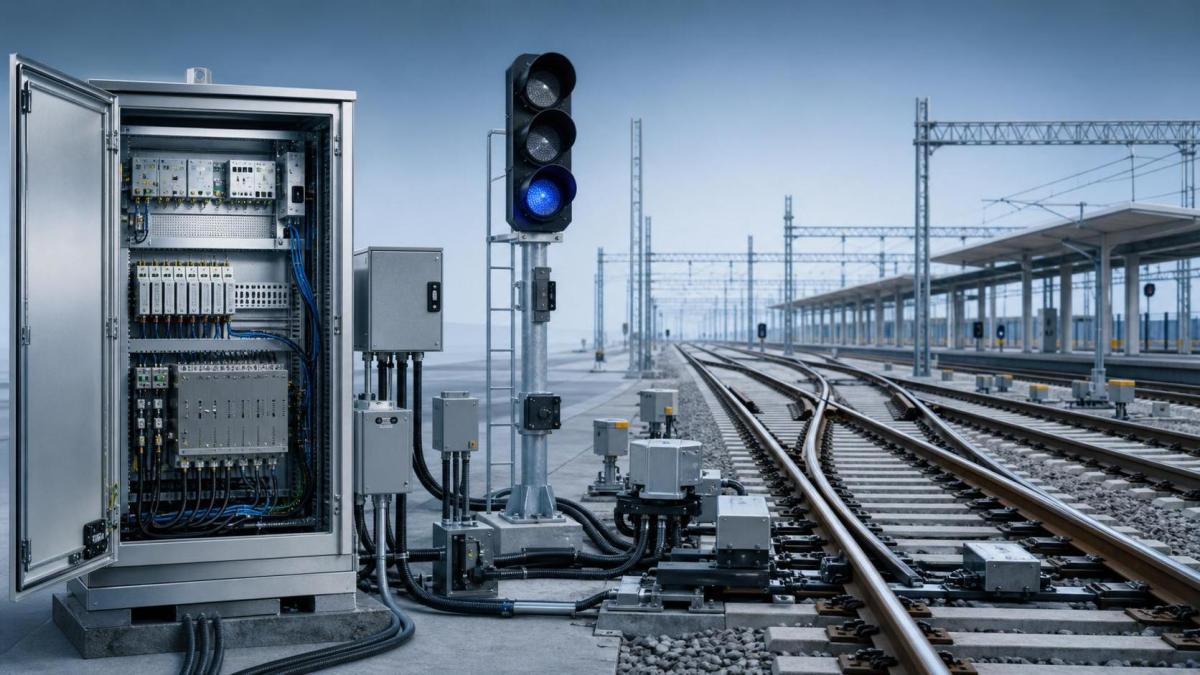
Rail interlocking systems sit at the center of rail safety. When they fail, the result is rarely a minor inconvenience.
A single design gap can create unsafe route release, conflicting movements, or false confidence in field status.
That is why rail interlocking systems demand more than standards compliance. They need disciplined design review and realistic failure thinking.
From recent project experience, the bigger risks usually come from interfaces, assumptions, and incomplete validation, not from obvious logic mistakes alone.
This article focuses on the failure risks that matter most and the design checks that reduce exposure before commissioning and during operation.
Why Rail Interlocking Systems Fail in Practice
Most rail interlocking systems do not fail because the concept is weak. They fail when the real railway differs from the design assumptions.
Track layouts change. Point machine behavior shifts. Interface timing drifts. Maintenance records become uneven across sites and contractors.
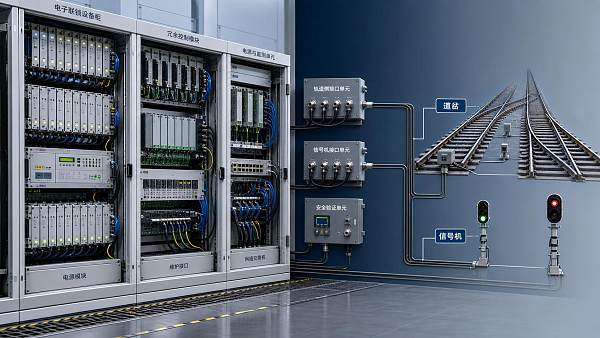
More importantly, modern rail interlocking systems rarely work alone. They depend on signals, axle counters, track circuits, power supplies, ATP, ATS, and communication layers.
This means a safe logic core can still support unsafe outcomes if surrounding data is late, wrong, unavailable, or interpreted differently.
The most common failure pattern
In many incidents, the chain starts with a small mismatch. A wrong status, delayed indication, or configuration error slips through.
Then the interlocking permits a route, fails to lock a conflict, or releases control earlier than intended.
For safety teams, this is the practical lesson: review the whole decision path, not just the relay logic or software function.
High-Risk Failure Modes to Check First
A useful review starts with the failure modes that can directly create unsafe train movement or severe operational disruption.
1. Incorrect route locking logic
This remains one of the most critical risks in rail interlocking systems. The route may be accepted without all required track, flank, or overlap conditions.
Typical causes include logic table errors, incomplete route matrices, and missed exception handling during degraded operation.
2. Point detection mismatch
A switch may appear locked in the system but not fully secure in the field. That gap can quickly escalate under vibration or wear.
Design reviews should question detection tolerances, contact proving logic, and how the system treats ambiguous point feedback.
3. Track vacancy proving errors
Rail interlocking systems depend on reliable occupancy information. False clear indications are more dangerous than false occupied states.
The core checks should cover shunt sensitivity, axle counter reset rules, recovery logic, and protection after communication interruption.
4. Premature route release
A route that releases too early can expose points or conflicting routes before the train fully clears the protected area.
This issue often appears when sectional release logic is copied across layouts without checking train length, speed profile, and overlap behavior.
5. Interface timing and status inconsistency
Modern rail interlocking systems exchange status with many subsystems. Timing assumptions are often hidden until site testing.
A delayed telegram or stale indication can create a believable but wrong operating picture, especially during restart or fallback modes.
Core Design Checks That Prevent Unsafe Outcomes
The most effective design checks are specific, repeatable, and tied to actual hazards. Generic verification is rarely enough.
Verify the control table against the physical railway
Start with route locking, flank protection, overlaps, and release conditions. Then compare every condition with the latest track plan and operating rule.
This sounds basic, but outdated drawings remain a common source of rail interlocking systems defects during extensions and phased upgrades.
Check fail-safe state definitions
Every input and output should have a clearly defined safe response to loss, corruption, disagreement, restart, and power disturbance.
If the safe state depends on operator interpretation, the design is still incomplete.
Challenge all interface assumptions
Review message timing, sequence control, watchdog behavior, startup order, and data freshness rules between subsystems.
In actual projects, many rail interlocking systems issues appear only when one side restarts while the other keeps operating.
Confirm degraded mode protection
Manual release, emergency route setting, maintenance bypass, and local control transfer need the same rigor as normal operation.
These functions are less frequent, but they carry high exposure because staff act under pressure and with limited time.
Test for wrong-side failure scenarios
Do not stop at expected failures. Test conflicting indications, stuck inputs, duplicated telegrams, partial resets, and inconsistent field feedback.
That is where rail interlocking systems reveal whether fail-safe principles truly hold under stress.
A Practical Review Checklist for Quality and Safety Teams
A practical checklist helps keep rail interlocking systems reviews consistent across suppliers, project stages, and site conditions.
- Confirm each route has complete locking, flank, overlap, and release conditions.
- Verify each point indication matches physical detection, locking status, and timeout rules.
- Review track clear logic for false clear prevention, reset control, and loss-of-data handling.
- Check interface specifications against field-tested timing and restart behavior.
- Validate power supply changeover effects on inputs, outputs, and retained states.
- Inspect software version control, parameter baselines, and change approval history.
- Test degraded operation procedures with realistic operator steps and communication delays.
- Link every test case to a hazard, requirement, or known failure scenario.
This kind of checklist turns rail interlocking systems review from paperwork into a measurable safety control.
Where Projects Commonly Miss the Real Risk
The most common blind spot is treating approval documents as proof of field readiness. They are not the same thing.
Another weak point is fragmented responsibility. One team owns logic, another owns testing, and another owns maintenance data.
In that setup, rail interlocking systems can pass reviews while critical assumptions remain unchallenged between disciplines.
A stronger approach is to review incidents, near misses, and fault logs together with design artifacts. That exposes repeated weak signals early.
Simple warning signs worth escalating
- Frequent nuisance alarms around points or track detection.
- Repeated temporary bypasses during maintenance windows.
- Unclear ownership of parameter changes after commissioning.
- Test reports that confirm pass or fail without field conditions.
- Differences between operator rules and interlocking release logic.
Final Takeaway for Safer Rail Interlocking Systems
Reliable rail interlocking systems are built through detailed checks, not broad confidence statements. Safety comes from verified conditions, not assumed behavior.
The priority is clear: focus first on route logic, point proving, track vacancy, interface timing, and degraded mode control.
Then make every review traceable to real hazards and operating scenarios. That is how rail interlocking systems become more resilient in service, not just compliant on paper.
For teams managing risk today, the next practical step is simple: review one live interlocking area against this checklist and test where assumptions are still carrying the safety case.
Recommended News
 Aug 29, 2026What to verify before choosing a railway interlocking equipment exporterRailway interlocking equipment exporter checklist: verify safety evidence, interfaces, engineering, traceability, export readiness, and long-term support before procurement.
 Aug 15, 2026How to choose railway interlocking equipment for junctionsRailway interlocking equipment for junctions: learn how to choose the right system for safety, capacity, and future expansion with confidence.
 Jul 14, 2026Rail Interlocking Systems: Common Failure Risks and Design ChecksRail interlocking systems face critical risks from route locking, point detection, track vacancy, and interface timing. Learn the key design checks that improve safety and reduce commissioning risk.
 Jul 06, 2026When to Choose a SIL4 Signalling Equipment Integrator Over Multiple VendorsSIL4 signalling equipment integrator or multiple vendors? Learn when unified integration reduces interface risk, speeds safety approval, and protects rail project delivery.
 Jul 01, 2026Electronic Railway Interlocking Systems: Key Failure Risks and Compliance ChecksRailway interlocking systems electronic risks can disrupt safety, uptime, and compliance. Explore key failure points, practical checks, and proven ways to strengthen rail resilience.
 Jun 23, 2026Interlocking Systems: Key Failure Risks and Safety Checks Before DeploymentInterlocking systems: discover key failure risks, interface hazards, and must-do safety checks before deployment to prevent costly incidents and ensure fail-safe performance.
 Jun 19, 2026Interlocking Systems for Railway Safety: Key Standards and Failure RisksInterlocking systems for railway safety: explore key standards, SIL4 expectations, and hidden failure risks to strengthen railway compliance, resilience, and safe operations.
 Jun 10, 2026How Interlocking Systems Reduce Rail Network Failure RiskInterlocking systems reduce rail network failure risk by preventing conflicts, containing faults, and speeding recovery. See how they improve safety, uptime, and operational resilience.
 Jun 05, 2026Railway Control Components: Key Failure Points to AvoidRailway control components fail in different ways across urban, high-speed, freight, and harsh outdoor routes. Discover the key failure points to avoid for safer, more reliable rail operations.
 Jun 03, 2026Railway Signal Control Systems: Common Failure Points and Safety ChecksRailway signal control systems require rigorous safety checks. Discover common failure points, inspection priorities, and practical steps to reduce risk and protect rail operations.
 Jun 02, 2026How to Evaluate Railway Control Components for System ReliabilityRailway control components evaluation guide: assess SIL compliance, interoperability, stress testing, cybersecurity, and lifecycle reliability for safer rail systems.
 May 31, 2026Interlocking Systems Technology Standards: Key Compliance RisksInterlocking systems technology standards expose critical compliance risks in SIL validation, cybersecurity, and traceability—learn how to protect rail safety and approvals.
 May 28, 2026Interlocking Systems for High-Density Rail Operations: What Improves Capacity Safely?Interlocking systems for high-density rail operations: discover how SIL4-safe architectures, redundancy, and automation interfaces boost rail capacity, resilience, and future readiness.
 May 26, 2026Interlocking Systems for Railway Safety: How to Compare Failure RisksInterlocking systems for railway safety: compare failure risks through design logic, diagnostics, redundancy, and lifecycle factors to make safer, smarter rail decisions.
 May 21, 2026Interlocking Systems Technology Standards: Key Compliance Checks for 2026Interlocking systems technology standards guide 2026 rail compliance checks on safety traceability, software control, cybersecurity, and field integrity. Learn key risks and practical actions.
 May 20, 2026Interlocking Systems for High-Density Rail: Capacity Gains vs Safety TradeoffsInterlocking systems for high-density rail operations: explore how modern architectures boost rail capacity, reduce headways, and manage safety tradeoffs for smarter network planning.
 May 19, 2026Interlocking Systems for Railway Safety: Choosing for Retrofit ProjectsInterlocking systems for railway safety: learn how to choose the best retrofit path with SIL4 assurance, legacy compatibility, lower risk, and future-ready performance.
 May 17, 2026How Computer Interlocking Cuts Rail Signaling Failure RiskInterlocking systems cut rail signaling failure risk by preventing route conflicts, reducing human error, and supporting SIL4 safety—see how computer interlocking boosts reliable, high-density operations.