



Search News
Industry Portal
Popular Tags
When to Choose a SIL4 Signalling Equipment Integrator Over Multiple Vendors
Author
Time
Click Count
When integration risk matters more than component sourcing
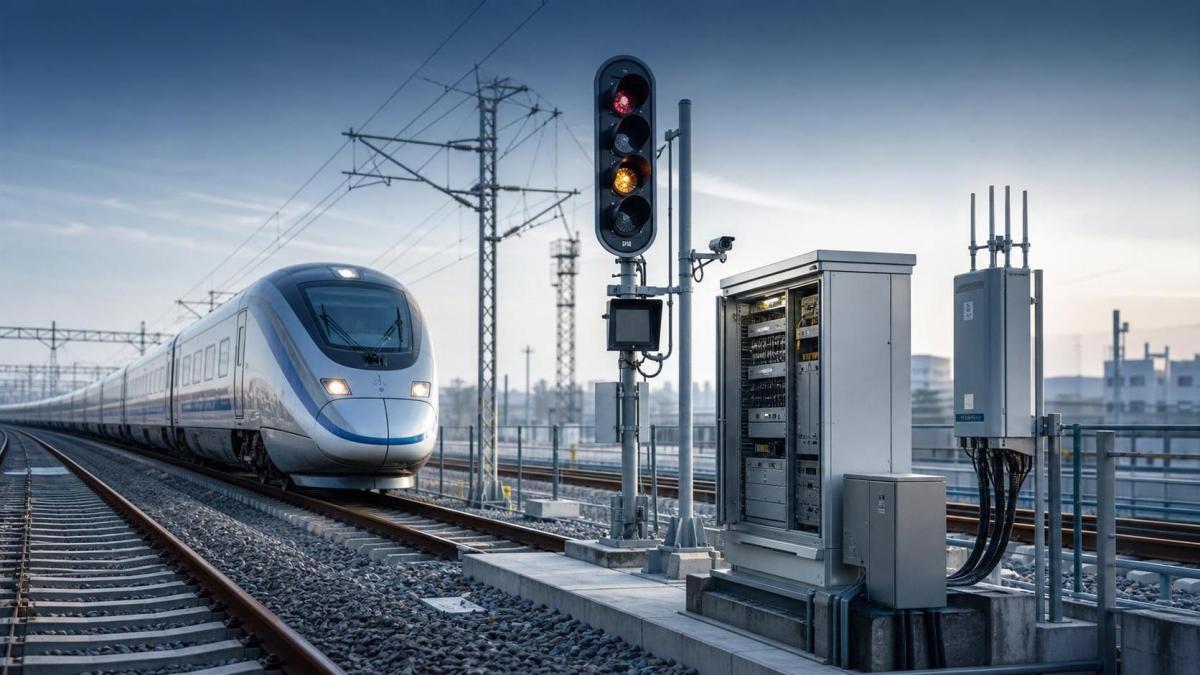
A SIL4 signalling equipment integrator becomes valuable when a rail project is judged by system behavior, not by individual hardware delivery.
That distinction matters in dense metro upgrades, cross-border corridors, and automated mainline programs where validation paths are tightly linked.
In those conditions, managing several vendors may look flexible on paper, yet accountability often fragments during interface testing and safety case closure.
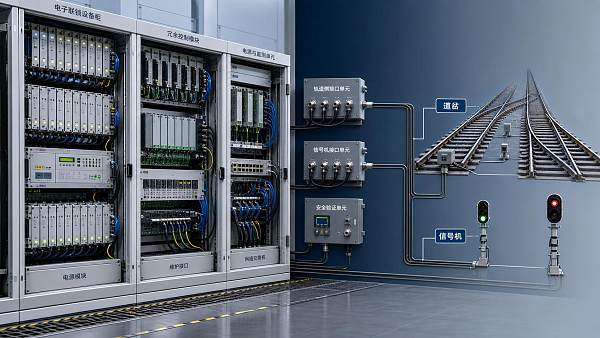
A SIL4 signalling equipment integrator usually offers one engineering thread across interlocking, onboard interfaces, wayside devices, software baselines, and certification evidence.
For GTOT, this question fits a wider transport reality.
Rail signalling, traction power collection, braking, smart vessels, and LNG shipping all show the same pattern: the harder the safety envelope, the higher the value of disciplined integration.
Choosing a SIL4 signalling equipment integrator is therefore less about supplier count and more about controlling interfaces, proving compliance, and protecting delivery logic.
Actual projects diverge long before procurement starts
Not every program needs the same integration model.
A brownfield resignalling project carries different pressures than a greenfield high-speed line, even if both demand SIL4 performance.
In brownfield work, legacy interfaces dominate.
Relay logic, existing ATP layers, telecom constraints, and possession windows can create more risk than the new equipment itself.
In greenfield work, the challenge usually shifts toward architecture consistency, subsystem timing, and faster end-to-end validation.
The same applies across GTOT’s broader sectors.
A pantograph is never judged only by nominal current collection, just as an LNG carrier is not judged only by tank specification.
What matters is performance under combined conditions.
That is why the decision around a SIL4 signalling equipment integrator should begin with scenario mapping, not vendor comparison alone.
Where a single integration lead usually makes sense
- Projects with mixed legacy and digital signalling layers.
- Networks requiring staged commissioning under live traffic.
- Lines with CBTC, ETCS, ATP, or interlocking interfaces from different generations.
- Programs facing strict independent safety assessment milestones.
- Contracts where delay responsibility must be traceable to one engineering authority.
Different operating scenes change the decision logic
In practice, the strongest case for a SIL4 signalling equipment integrator appears in three recurring environments.
Busy urban automation with tight headways
High-frequency metro systems depend on synchronized behavior between signalling, braking response, rolling stock interfaces, and control center logic.
Here, small timing mismatches can expand into operational instability.
A SIL4 signalling equipment integrator helps by treating performance and safety as one coordinated envelope.
Multiple vendors can still work, but only when interface governance is unusually mature and testing authority is clearly centralized.
High-speed corridors with little tolerance for rework
At higher speeds, signalling decisions interact with traction collection stability, braking precision, and telecom resilience.
GTOT tracks these links closely because high-speed rail behaves like an integrated kinetic system, not a stack of isolated packages.
When commissioning windows are short, a SIL4 signalling equipment integrator can reduce repeated field adjustments by aligning subsystem assumptions earlier.
Cross-border or standards-mixed mainline projects
These programs often face national rules, mixed approval cultures, and inherited equipment strategies.
The risk is not only technical incompatibility.
It is also documentary inconsistency across hazard logs, software changes, and evidence chains.
A SIL4 signalling equipment integrator is often better positioned to keep one safety narrative through design, test, and approval.
What changes from one scene to another
The choice is easier when the decision criteria are compared directly.
This does not mean multiple vendors are always the wrong route.
They can suit repeatable deployments with fixed interfaces, proven local standards, and strong in-house system authority.
The key is matching the delivery model to the integration burden actually present.
Where projects often misread the real exposure
One common mistake is comparing equipment specifications while ignoring validation ownership.
If four suppliers each meet their own scope, the system can still fail at the boundaries.
Another frequent misread is treating similar rail lines as identical environments.
A port connector, airport link, and intercity spur may all use SIL4 logic, yet traffic patterns and fallback modes differ sharply.
There is also a cost illusion.
A fragmented supplier model may reduce package price while increasing interface engineering, retesting, and schedule exposure.
GTOT sees similar distortions in maritime systems.
Ship automation and cryogenic containment also punish teams that optimize line items while underestimating integration depth.
Checks worth making before the model is fixed
- Count the critical interfaces, not just the major subsystems.
- Review who owns hazard closure after software revisions.
- Map possession windows against test dependencies.
- Verify whether certification evidence can stay traceable across suppliers.
- Estimate revalidation effort after one package changes late.
A practical way to decide before commitments harden
A useful approach is to judge the project by integration criticality first, then by sourcing flexibility.
If system safety, software baselines, and test logic are tightly coupled, a SIL4 signalling equipment integrator often brings better control.
If interfaces are mature and operational conditions are stable, multiple vendors may remain practical.
Before final selection, it helps to build a short decision matrix around five points.
- How many safety-critical interfaces can change during delivery.
- How much legacy equipment must remain live.
- How strict the commissioning window will be.
- How complex the approval path is across authorities.
- How costly a late integration fault would become.
That kind of review produces a better answer than price comparison alone.
It also aligns with GTOT’s broader intelligence view across land and sea systems, where performance depends on coordinated architecture under real operating pressure.
The next step is straightforward: map the actual operating scene, identify the interfaces that carry SIL4 consequence, compare validation ownership models, and test whether schedule risk stays acceptable under each option.
Once those conditions are visible, the case for a SIL4 signalling equipment integrator or a multi-vendor structure usually becomes much clearer.
Recommended News
 Aug 29, 2026What to verify before choosing a railway interlocking equipment exporterRailway interlocking equipment exporter checklist: verify safety evidence, interfaces, engineering, traceability, export readiness, and long-term support before procurement.
 Aug 15, 2026How to choose railway interlocking equipment for junctionsRailway interlocking equipment for junctions: learn how to choose the right system for safety, capacity, and future expansion with confidence.
 Jul 14, 2026Rail Interlocking Systems: Common Failure Risks and Design ChecksRail interlocking systems face critical risks from route locking, point detection, track vacancy, and interface timing. Learn the key design checks that improve safety and reduce commissioning risk.
 Jul 06, 2026When to Choose a SIL4 Signalling Equipment Integrator Over Multiple VendorsSIL4 signalling equipment integrator or multiple vendors? Learn when unified integration reduces interface risk, speeds safety approval, and protects rail project delivery.
 Jul 01, 2026Electronic Railway Interlocking Systems: Key Failure Risks and Compliance ChecksRailway interlocking systems electronic risks can disrupt safety, uptime, and compliance. Explore key failure points, practical checks, and proven ways to strengthen rail resilience.
 Jun 23, 2026Interlocking Systems: Key Failure Risks and Safety Checks Before DeploymentInterlocking systems: discover key failure risks, interface hazards, and must-do safety checks before deployment to prevent costly incidents and ensure fail-safe performance.
 Jun 19, 2026Interlocking Systems for Railway Safety: Key Standards and Failure RisksInterlocking systems for railway safety: explore key standards, SIL4 expectations, and hidden failure risks to strengthen railway compliance, resilience, and safe operations.
 Jun 10, 2026How Interlocking Systems Reduce Rail Network Failure RiskInterlocking systems reduce rail network failure risk by preventing conflicts, containing faults, and speeding recovery. See how they improve safety, uptime, and operational resilience.
 Jun 05, 2026Railway Control Components: Key Failure Points to AvoidRailway control components fail in different ways across urban, high-speed, freight, and harsh outdoor routes. Discover the key failure points to avoid for safer, more reliable rail operations.
 Jun 03, 2026Railway Signal Control Systems: Common Failure Points and Safety ChecksRailway signal control systems require rigorous safety checks. Discover common failure points, inspection priorities, and practical steps to reduce risk and protect rail operations.
 Jun 02, 2026How to Evaluate Railway Control Components for System ReliabilityRailway control components evaluation guide: assess SIL compliance, interoperability, stress testing, cybersecurity, and lifecycle reliability for safer rail systems.
 May 31, 2026Interlocking Systems Technology Standards: Key Compliance RisksInterlocking systems technology standards expose critical compliance risks in SIL validation, cybersecurity, and traceability—learn how to protect rail safety and approvals.
 May 28, 2026Interlocking Systems for High-Density Rail Operations: What Improves Capacity Safely?Interlocking systems for high-density rail operations: discover how SIL4-safe architectures, redundancy, and automation interfaces boost rail capacity, resilience, and future readiness.
 May 26, 2026Interlocking Systems for Railway Safety: How to Compare Failure RisksInterlocking systems for railway safety: compare failure risks through design logic, diagnostics, redundancy, and lifecycle factors to make safer, smarter rail decisions.
 May 21, 2026Interlocking Systems Technology Standards: Key Compliance Checks for 2026Interlocking systems technology standards guide 2026 rail compliance checks on safety traceability, software control, cybersecurity, and field integrity. Learn key risks and practical actions.
 May 20, 2026Interlocking Systems for High-Density Rail: Capacity Gains vs Safety TradeoffsInterlocking systems for high-density rail operations: explore how modern architectures boost rail capacity, reduce headways, and manage safety tradeoffs for smarter network planning.
 May 19, 2026Interlocking Systems for Railway Safety: Choosing for Retrofit ProjectsInterlocking systems for railway safety: learn how to choose the best retrofit path with SIL4 assurance, legacy compatibility, lower risk, and future-ready performance.
 May 17, 2026How Computer Interlocking Cuts Rail Signaling Failure RiskInterlocking systems cut rail signaling failure risk by preventing route conflicts, reducing human error, and supporting SIL4 safety—see how computer interlocking boosts reliable, high-density operations.