



Search News
Industry Portal
Popular Tags
Interlocking Systems for Railway Safety: Key Standards and Failure Risks
Author
Time
Click Count
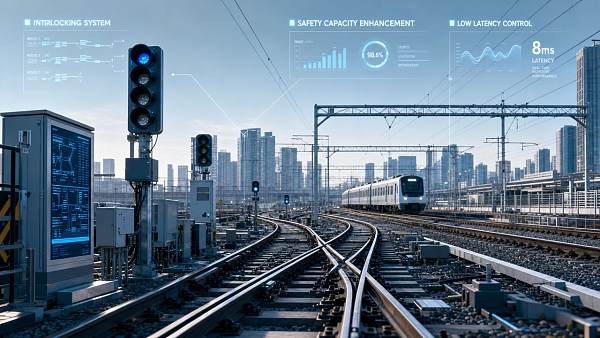
Interlocking systems for railway safety sit at the center of route protection, signal logic, and conflict prevention across modern railways. When traffic density rises, automation deepens, and asset lifecycles stretch, these systems become more than signalling hardware. They become a control discipline that directly shapes operational resilience, compliance confidence, and the margin between safe movement and serious disruption.
Why interlocking performance matters now
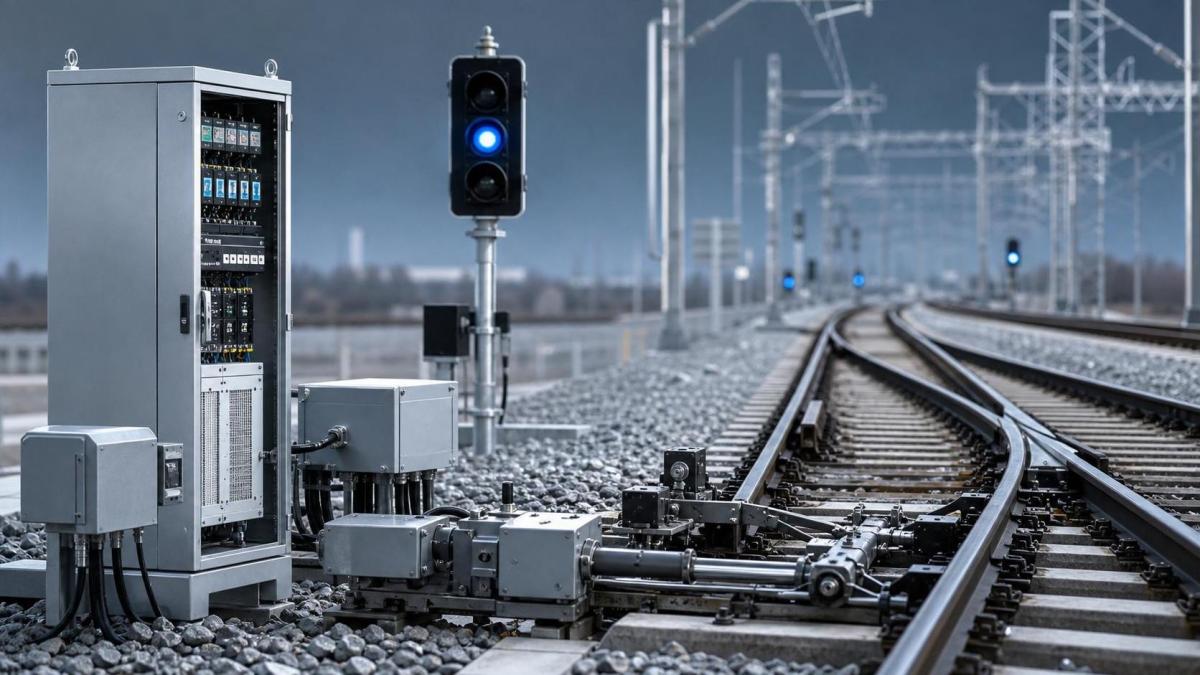
Rail networks are carrying more passengers, heavier freight, and stricter punctuality targets. At the same time, projects increasingly connect legacy lines, CBTC sections, ETCS corridors, and remote maintenance platforms.
That complexity makes interlocking systems for railway safety a strategic topic across the wider transport sector. A single unsafe route release, point detection error, or interface mismatch can cascade into operational delay, infrastructure damage, or accident exposure.
This is also where GTOT’s industry perspective becomes relevant. Rail signalling does not operate in isolation from traction, braking, and corridor-level logistics. Safe train movement depends on coordinated intelligence across the rail control chain.
In practical terms, interlocking quality is now judged not only by design intent, but by verification depth, maintainability, cyber awareness, and performance under mixed operational conditions.
What an interlocking system actually controls
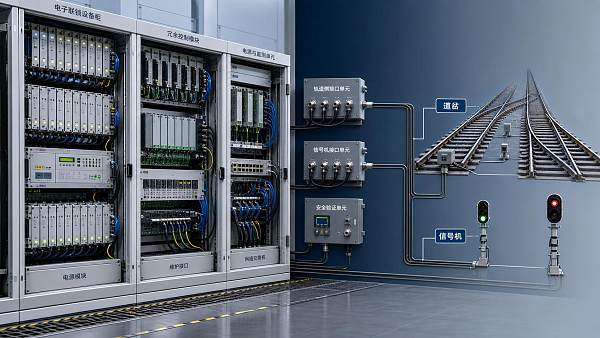
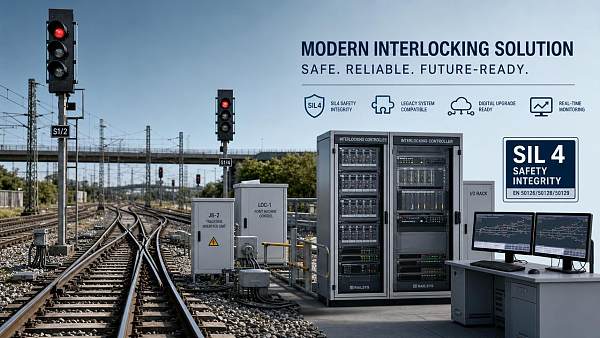
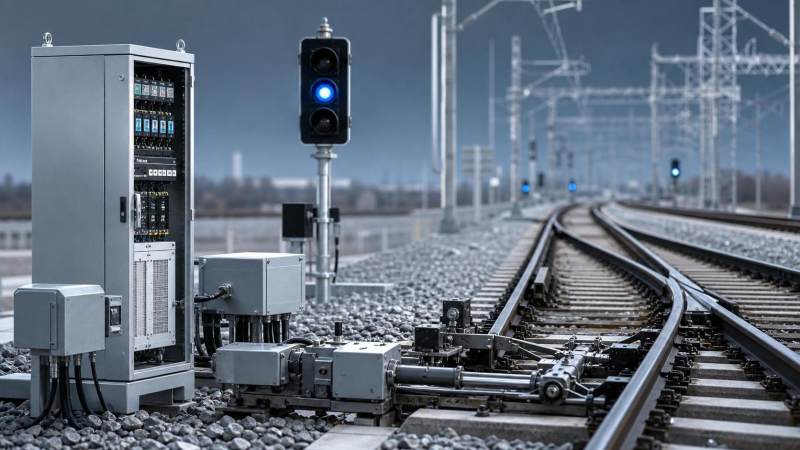
An interlocking system establishes safe movement authority by ensuring that signals, points, track occupancy inputs, and route commands remain logically compatible.
If one route conflicts with another, the system must block it. If a point is not proved in the correct position, the signal must remain restrictive. If track detection is uncertain, fail-safe behavior must dominate.
Older installations often used relay logic. Current projects rely heavily on computer-based interlocking, distributed I/O, and software-driven configuration management.
Even so, the safety principle remains unchanged: no unsafe train movement should be permitted because of a single foreseeable failure.
Core functional elements
- Route locking to prevent conflicting train paths.
- Point locking and detection to confirm switch position.
- Approach and flank protection for adjacent movement risk.
- Signal control based on proven infrastructure status.
- Release logic after train passage or timed conditions.
Understanding these functions helps separate cosmetic issues from genuine safety risks during inspections, audits, and acceptance reviews.
The standards that shape interlocking systems for railway safety
The most important reference framework in many regions comes from the CENELEC railway safety standards. These include EN 50126, EN 50128, and EN 50129.
EN 50126 focuses on RAMS lifecycle management. EN 50128 addresses software for railway control and protection. EN 50129 deals with safety-related electronic systems and the safety case.
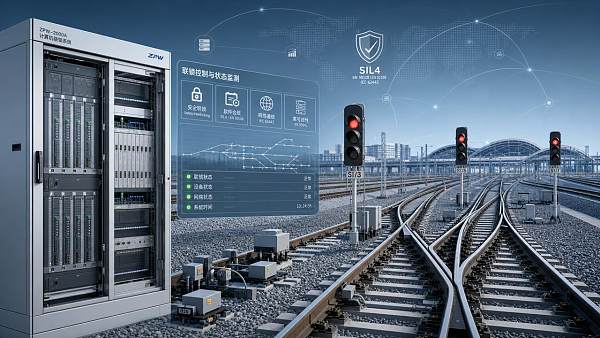
For interlocking systems for railway safety, SIL4 is often the target integrity level for the most critical functions. That designation matters, but it should never be treated as a marketing label.
A credible SIL4 claim must be supported by hazard analysis, architecture constraints, verification evidence, independence rules, and controlled change management.
Depending on the project, other references also apply, including cybersecurity requirements, national railway rules, interface standards, and operator-specific acceptance criteria.
Where failure risks usually emerge
Most serious problems do not start with one dramatic fault. They start with small weaknesses that align across design, configuration, installation, and maintenance.
In interlocking systems for railway safety, the most common risk clusters are predictable and therefore manageable if they are reviewed early.
High-priority failure sources
- Incorrect application data, including route tables and point associations.
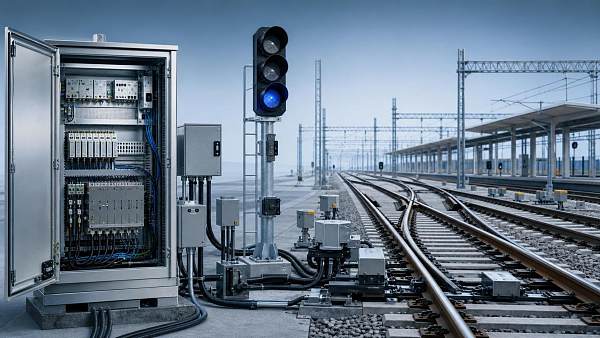
- Interface failures between interlocking, axle counters, signals, ATP, or SCADA.
- Incomplete factory testing that misses rare sequence conditions.
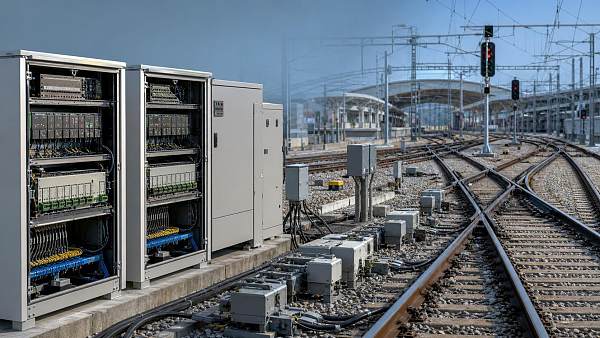
- Field wiring or termination errors after installation work.
- Uncontrolled software updates or parameter changes.
- Environmental stress affecting relays, cabinets, power supplies, or communications.
Another overlooked risk is degraded organizational memory. As systems age, experienced signalling knowledge can disappear faster than the asset itself.
That issue is especially relevant on mixed networks where older relay areas meet newer digital control zones. Documentation gaps can become a safety issue long before hardware failure appears.
How to assess real-world safety confidence
A sound review of interlocking systems for railway safety goes beyond checking whether certificates exist. The stronger question is whether evidence matches the operating context.
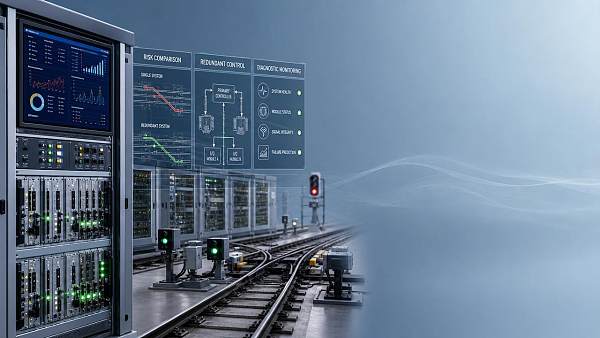
For example, route logic may be valid in a laboratory model yet weak under degraded mode operation, maintenance override conditions, or timetable compression.
Useful verification points
- Trace each hazard to a mitigation, test record, and approval status.
- Confirm independence between development, verification, and validation roles.
- Review change logs for application data, firmware, and maintenance interventions.
- Check failure reporting discipline, not only failure count.
- Examine how degraded operation rules are communicated to operators.
From a broader transport intelligence angle, this is where GTOT’s focus on signalling, braking, and traction becomes useful. Safe interlocking cannot be evaluated as a standalone box. It should be read as part of a control ecosystem.
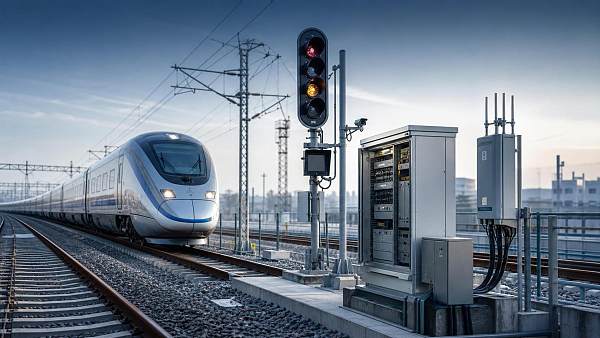
For high-speed lines, that ecosystem includes braking curves, power continuity, route release timing, and automated supervision. For freight corridors, it includes axle load patterns, turnout stress, and maintenance intervals.
Typical operating scenarios that deserve closer attention
Not all interlocking applications face the same exposure profile. Risk assessment becomes more meaningful when tied to operating scenarios rather than generic product descriptions.
This scenario-based view helps decision teams avoid a common mistake: accepting generic compliance claims without checking route complexity, operational intensity, and lifecycle support readiness.
What stronger control looks like in daily practice
The best-performing organizations treat interlocking systems for railway safety as a governed process, not only as installed equipment.
That means configuration discipline, independent review, test repeatability, and a clear link between incident learning and design updates.
It also means resisting the temptation to normalize workarounds. Temporary bypasses, manual overrides, or undocumented field fixes often reveal where formal assurance is weakest.
Practical priorities
- Maintain a live configuration baseline for hardware, logic, and interfaces.
- Re-test critical scenarios after every approved modification.
- Use incident trends to refine preventive inspections and renewal timing.
- Integrate cybersecurity checks into safety-related change control.
- Preserve design rationale, not only final drawings and certificates.
These measures support safer acceptance decisions, better supplier evaluation, and more defensible audits across complex transport programs.
A useful next step for evaluation
A realistic review of interlocking systems for railway safety starts with a simple question: which risks are already proven controlled, and which are only assumed controlled?
From there, it becomes easier to compare standards evidence, route logic quality, interface robustness, and lifecycle support capability on equal terms.
Where network modernization, high-speed expansion, or cross-border freight growth is involved, that disciplined approach becomes even more valuable. It aligns technical assurance with the wider land-and-sea transport intelligence that platforms such as GTOT continue to track.
The strongest decisions usually come from combining field data, standards-based verification, and scenario-specific judgement. That is the most reliable way to reduce hidden failure exposure before it turns into an operational event.
Recommended News
 Aug 29, 2026What to verify before choosing a railway interlocking equipment exporterRailway interlocking equipment exporter checklist: verify safety evidence, interfaces, engineering, traceability, export readiness, and long-term support before procurement.
 Aug 15, 2026How to choose railway interlocking equipment for junctionsRailway interlocking equipment for junctions: learn how to choose the right system for safety, capacity, and future expansion with confidence.
 Jul 14, 2026Rail Interlocking Systems: Common Failure Risks and Design ChecksRail interlocking systems face critical risks from route locking, point detection, track vacancy, and interface timing. Learn the key design checks that improve safety and reduce commissioning risk.
 Jul 06, 2026When to Choose a SIL4 Signalling Equipment Integrator Over Multiple VendorsSIL4 signalling equipment integrator or multiple vendors? Learn when unified integration reduces interface risk, speeds safety approval, and protects rail project delivery.
 Jul 01, 2026Electronic Railway Interlocking Systems: Key Failure Risks and Compliance ChecksRailway interlocking systems electronic risks can disrupt safety, uptime, and compliance. Explore key failure points, practical checks, and proven ways to strengthen rail resilience.
 Jun 23, 2026Interlocking Systems: Key Failure Risks and Safety Checks Before DeploymentInterlocking systems: discover key failure risks, interface hazards, and must-do safety checks before deployment to prevent costly incidents and ensure fail-safe performance.
 Jun 19, 2026Interlocking Systems for Railway Safety: Key Standards and Failure RisksInterlocking systems for railway safety: explore key standards, SIL4 expectations, and hidden failure risks to strengthen railway compliance, resilience, and safe operations.
 Jun 10, 2026How Interlocking Systems Reduce Rail Network Failure RiskInterlocking systems reduce rail network failure risk by preventing conflicts, containing faults, and speeding recovery. See how they improve safety, uptime, and operational resilience.
 Jun 05, 2026Railway Control Components: Key Failure Points to AvoidRailway control components fail in different ways across urban, high-speed, freight, and harsh outdoor routes. Discover the key failure points to avoid for safer, more reliable rail operations.
 Jun 03, 2026Railway Signal Control Systems: Common Failure Points and Safety ChecksRailway signal control systems require rigorous safety checks. Discover common failure points, inspection priorities, and practical steps to reduce risk and protect rail operations.
 Jun 02, 2026How to Evaluate Railway Control Components for System ReliabilityRailway control components evaluation guide: assess SIL compliance, interoperability, stress testing, cybersecurity, and lifecycle reliability for safer rail systems.
 May 31, 2026Interlocking Systems Technology Standards: Key Compliance RisksInterlocking systems technology standards expose critical compliance risks in SIL validation, cybersecurity, and traceability—learn how to protect rail safety and approvals.
 May 28, 2026Interlocking Systems for High-Density Rail Operations: What Improves Capacity Safely?Interlocking systems for high-density rail operations: discover how SIL4-safe architectures, redundancy, and automation interfaces boost rail capacity, resilience, and future readiness.
 May 26, 2026Interlocking Systems for Railway Safety: How to Compare Failure RisksInterlocking systems for railway safety: compare failure risks through design logic, diagnostics, redundancy, and lifecycle factors to make safer, smarter rail decisions.
 May 21, 2026Interlocking Systems Technology Standards: Key Compliance Checks for 2026Interlocking systems technology standards guide 2026 rail compliance checks on safety traceability, software control, cybersecurity, and field integrity. Learn key risks and practical actions.
 May 20, 2026Interlocking Systems for High-Density Rail: Capacity Gains vs Safety TradeoffsInterlocking systems for high-density rail operations: explore how modern architectures boost rail capacity, reduce headways, and manage safety tradeoffs for smarter network planning.
 May 19, 2026Interlocking Systems for Railway Safety: Choosing for Retrofit ProjectsInterlocking systems for railway safety: learn how to choose the best retrofit path with SIL4 assurance, legacy compatibility, lower risk, and future-ready performance.
 May 17, 2026How Computer Interlocking Cuts Rail Signaling Failure RiskInterlocking systems cut rail signaling failure risk by preventing route conflicts, reducing human error, and supporting SIL4 safety—see how computer interlocking boosts reliable, high-density operations.