



Search News
Industry Portal
Popular Tags
Interlocking Systems Technology Standards: Key Compliance Checks for 2026
Author
Time
Click Count
As rail networks move toward higher automation and tighter safety expectations, interlocking systems technology standards are becoming a critical benchmark for quality and risk control.
For 2026 readiness, the focus is no longer basic conformity.
It is about proving traceable safety, software integrity, cyber resilience, and operational consistency across mixed fleets, dense corridors, and digital signaling environments.
Within the broader transport ecosystem observed by GTOT, these standards matter because interlocking performance directly affects railway signal control systems, braking coordination, timetable reliability, and infrastructure asset value.
Interlocking Systems Technology Standards in Practical Terms
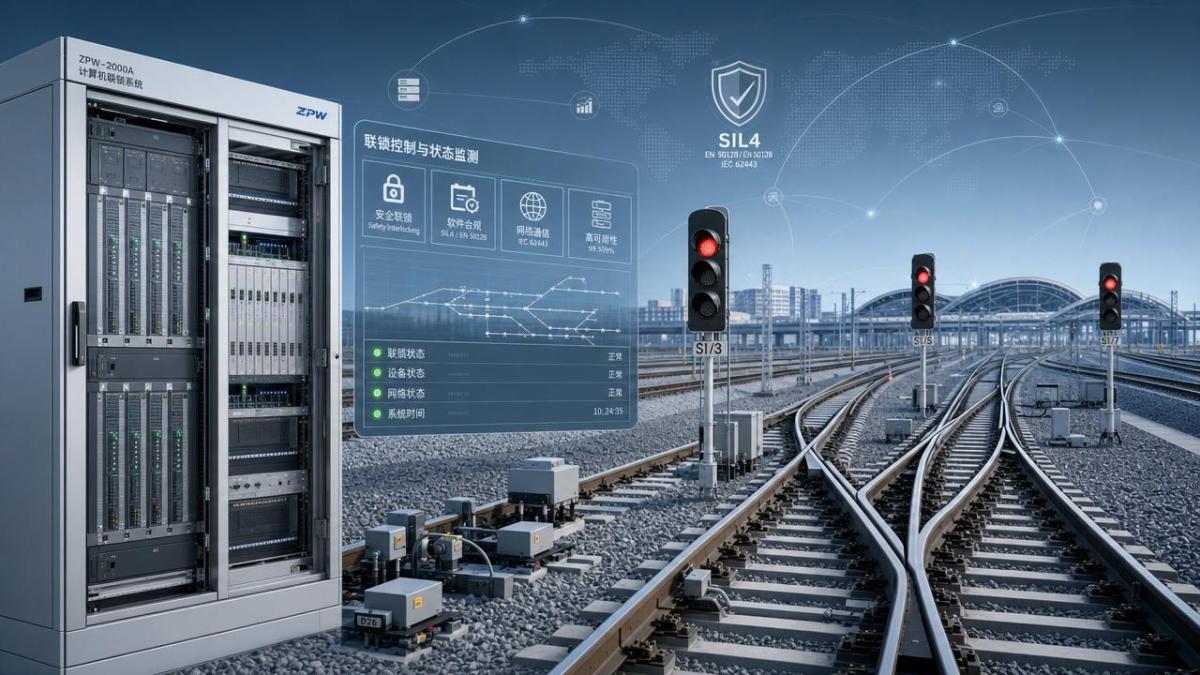
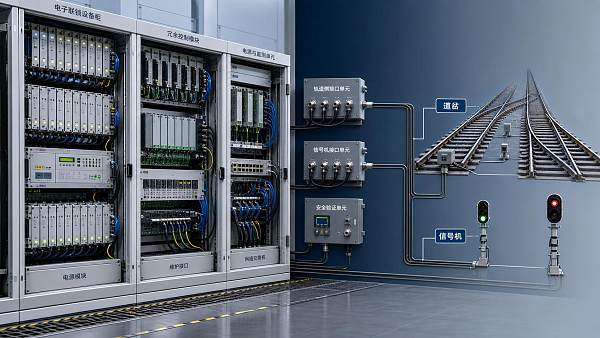
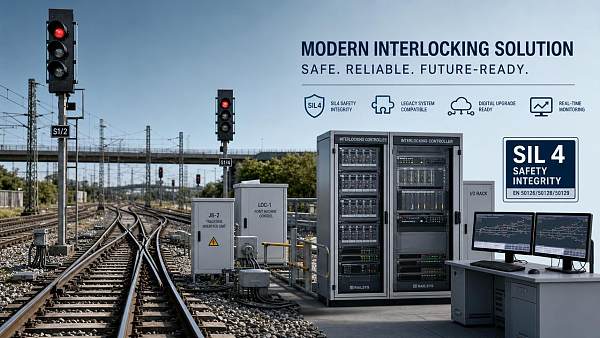
In simple terms, an interlocking system prevents conflicting train movements through defined route logic, point control, signal locking, and release conditions.
The phrase interlocking systems technology standards covers design rules, safety validation, hardware reliability, software lifecycle control, communication integrity, and maintenance evidence.
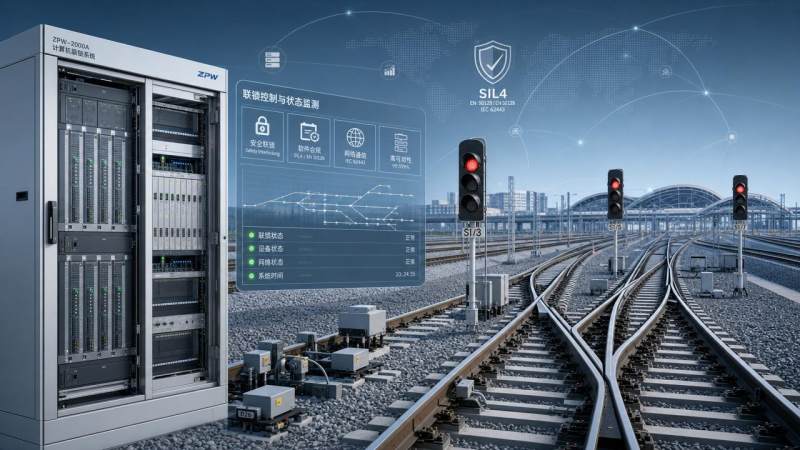
For 2026, compliance checks increasingly connect traditional fail-safe engineering with networked operations, remote diagnostics, and digital interfaces.
Core compliance domains
- Functional safety alignment with SIL targets and hazard controls
- Route logic correctness under normal, degraded, and recovery modes
- Hardware tolerance for faults, power variation, and environmental stress
- Software configuration management and verification traceability
- Secure data exchange with control centers and field elements
- Lifecycle documentation for audits, upgrades, and incident review
These domains shape how interlocking systems technology standards are interpreted during certification, acceptance testing, and periodic reassessment.
2026 Industry Context and Main Compliance Signals
Several industry shifts are redefining what “compliant” means.
High-density traffic, autonomous operation, retrofit projects, and cross-border interoperability are all raising the bar.
At the same time, transport operators want shorter possession windows and faster software updates.
That creates pressure to balance engineering speed with evidence quality.
This is why interlocking systems technology standards now sit at the center of operational assurance, not just technical approval.
Key Compliance Checks for 2026
The most important checks are the ones that reveal hidden mismatches between design intent, field behavior, and documented evidence.
1. Safety requirement traceability
Every safety function should map clearly from hazard analysis to design requirement, test case, and approval record.
Gaps here often delay acceptance more than hardware defects.
2. Route locking and flank protection verification
Route setting logic must prevent unsafe overlaps, conflicting movements, and premature release.
Flank protection needs validation under abnormal states, not only ideal operating sequences.
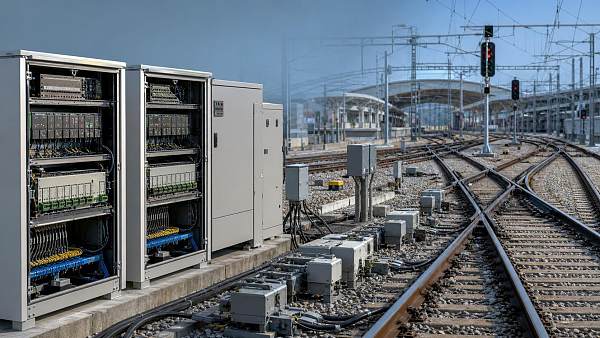
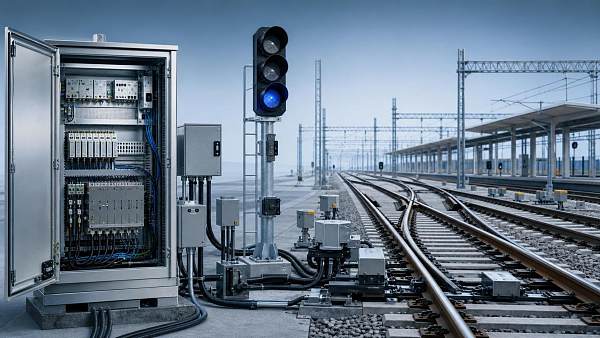
3. Point machine and field interface integrity
Checks should confirm command execution, feedback reliability, timeout handling, and fail-safe response during power or communication disturbance.
4. Software lifecycle control
Review coding standards, independent verification, change approval, regression scope, and rollback readiness.
For modern projects, this is a leading indicator of future audit performance.
5. Cybersecurity integration
Security checks now support safety assurance.
Access control, network segmentation, patch governance, and event logs should be reviewed alongside interlocking functions.
6. Human-machine interface consistency
Operator displays, alarms, route indications, and degraded-mode prompts must reflect actual field logic without ambiguity.
7. Maintenance and proof-test discipline
Periodic inspection intervals, diagnostic thresholds, spare strategy, and fault history reviews should match the approved safety assumptions.
These checks give substance to interlocking systems technology standards and reduce the risk of formal compliance that fails in real operations.
Operational and Business Value of Strong Standard Alignment
Strong compliance is not only a safety requirement.
It also improves project delivery confidence, maintenance planning, incident defensibility, and asset modernization efficiency.
In integrated transport intelligence, dependable interlocking logic supports timetable precision and supports coordination with traction and braking systems.
- Fewer approval delays during renewal and expansion projects
- Lower risk of hidden software or interface defects
- Better evidence during incident investigation
- More predictable integration with centralized traffic control
- Improved long-term asset value in regulated networks
For complex infrastructure portfolios, interlocking systems technology standards also create a common language between engineering, safety assurance, operations, and lifecycle planning.
Typical Application Scenarios and Review Priorities
Not every project carries the same compliance risk.
Review priorities should match system architecture, traffic density, and migration complexity.
Using interlocking systems technology standards this way helps direct testing resources toward the highest-risk conditions.
Implementation Guidance for 2026 Preparation
A practical preparation plan should combine technical review, field evidence, and documentation control.
- Create a compliance matrix linked to hazards, functions, tests, and approvals.
- Review all interface assumptions between interlocking, point machines, axle counters, and control centers.
- Run scenario-based validation for degraded modes, recovery sequences, and maintenance bypass conditions.
- Check software baselines against actual field versions and patch records.
- Audit cybersecurity controls where remote access or networked diagnostics exist.
- Reconfirm maintenance intervals against updated operational loads and fault history.
- Prepare concise evidence packs for future authority or third-party review.
One recurring mistake is treating standards review as a paperwork exercise.
In reality, the strongest results come from comparing documents with field behavior, event logs, and actual change practice.
That approach makes interlocking systems technology standards a living control framework rather than a static checklist.
Next-Step Focus for Reliable Compliance
As 2026 approaches, the most effective path is to prioritize evidence quality, interface certainty, and realistic failure testing.
A structured review of interlocking systems technology standards should start with safety traceability, then move through software, field devices, cybersecurity, and lifecycle maintenance.
For organizations tracking rail intelligence through GTOT, this level of discipline supports safer automation, stronger technical credibility, and better long-range infrastructure decisions across connected land transport systems.
The next practical step is simple: build a 2026 compliance map now, test it against real operating scenarios, and close gaps before they become certification or safety liabilities.
Recommended News
 Aug 29, 2026What to verify before choosing a railway interlocking equipment exporterRailway interlocking equipment exporter checklist: verify safety evidence, interfaces, engineering, traceability, export readiness, and long-term support before procurement.
 Aug 15, 2026How to choose railway interlocking equipment for junctionsRailway interlocking equipment for junctions: learn how to choose the right system for safety, capacity, and future expansion with confidence.
 Jul 14, 2026Rail Interlocking Systems: Common Failure Risks and Design ChecksRail interlocking systems face critical risks from route locking, point detection, track vacancy, and interface timing. Learn the key design checks that improve safety and reduce commissioning risk.
 Jul 06, 2026When to Choose a SIL4 Signalling Equipment Integrator Over Multiple VendorsSIL4 signalling equipment integrator or multiple vendors? Learn when unified integration reduces interface risk, speeds safety approval, and protects rail project delivery.
 Jul 01, 2026Electronic Railway Interlocking Systems: Key Failure Risks and Compliance ChecksRailway interlocking systems electronic risks can disrupt safety, uptime, and compliance. Explore key failure points, practical checks, and proven ways to strengthen rail resilience.
 Jun 23, 2026Interlocking Systems: Key Failure Risks and Safety Checks Before DeploymentInterlocking systems: discover key failure risks, interface hazards, and must-do safety checks before deployment to prevent costly incidents and ensure fail-safe performance.
 Jun 19, 2026Interlocking Systems for Railway Safety: Key Standards and Failure RisksInterlocking systems for railway safety: explore key standards, SIL4 expectations, and hidden failure risks to strengthen railway compliance, resilience, and safe operations.
 Jun 10, 2026How Interlocking Systems Reduce Rail Network Failure RiskInterlocking systems reduce rail network failure risk by preventing conflicts, containing faults, and speeding recovery. See how they improve safety, uptime, and operational resilience.
 Jun 05, 2026Railway Control Components: Key Failure Points to AvoidRailway control components fail in different ways across urban, high-speed, freight, and harsh outdoor routes. Discover the key failure points to avoid for safer, more reliable rail operations.
 Jun 03, 2026Railway Signal Control Systems: Common Failure Points and Safety ChecksRailway signal control systems require rigorous safety checks. Discover common failure points, inspection priorities, and practical steps to reduce risk and protect rail operations.
 Jun 02, 2026How to Evaluate Railway Control Components for System ReliabilityRailway control components evaluation guide: assess SIL compliance, interoperability, stress testing, cybersecurity, and lifecycle reliability for safer rail systems.
 May 31, 2026Interlocking Systems Technology Standards: Key Compliance RisksInterlocking systems technology standards expose critical compliance risks in SIL validation, cybersecurity, and traceability—learn how to protect rail safety and approvals.
 May 28, 2026Interlocking Systems for High-Density Rail Operations: What Improves Capacity Safely?Interlocking systems for high-density rail operations: discover how SIL4-safe architectures, redundancy, and automation interfaces boost rail capacity, resilience, and future readiness.
 May 26, 2026Interlocking Systems for Railway Safety: How to Compare Failure RisksInterlocking systems for railway safety: compare failure risks through design logic, diagnostics, redundancy, and lifecycle factors to make safer, smarter rail decisions.
 May 21, 2026Interlocking Systems Technology Standards: Key Compliance Checks for 2026Interlocking systems technology standards guide 2026 rail compliance checks on safety traceability, software control, cybersecurity, and field integrity. Learn key risks and practical actions.
 May 20, 2026Interlocking Systems for High-Density Rail: Capacity Gains vs Safety TradeoffsInterlocking systems for high-density rail operations: explore how modern architectures boost rail capacity, reduce headways, and manage safety tradeoffs for smarter network planning.
 May 19, 2026Interlocking Systems for Railway Safety: Choosing for Retrofit ProjectsInterlocking systems for railway safety: learn how to choose the best retrofit path with SIL4 assurance, legacy compatibility, lower risk, and future-ready performance.
 May 17, 2026How Computer Interlocking Cuts Rail Signaling Failure RiskInterlocking systems cut rail signaling failure risk by preventing route conflicts, reducing human error, and supporting SIL4 safety—see how computer interlocking boosts reliable, high-density operations.