



Search News
Industry Portal
Popular Tags
Interlocking Systems: Key Failure Risks and Safety Checks Before Deployment
Author
Time
Click Count
Why do interlocking systems fail after passing factory tests?
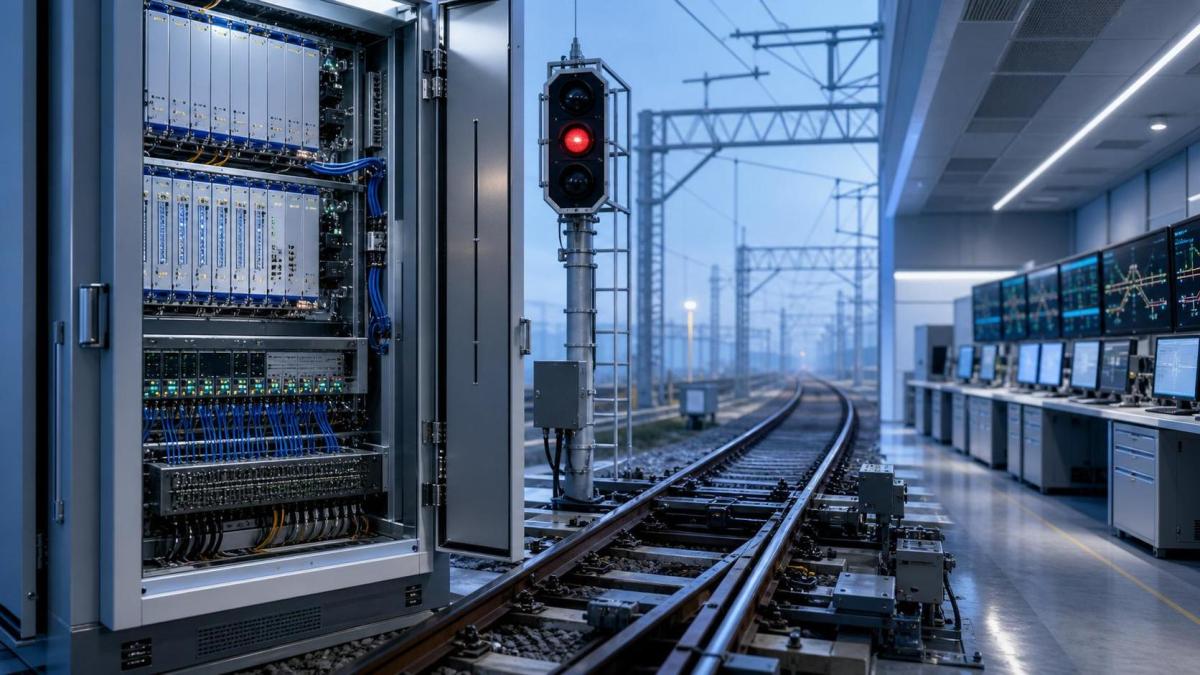
That question appears more often than many teams expect. On paper, the interlocking systems work. In service, hidden interactions start to matter.
A factory test usually proves functions. Deployment safety demands more. It asks whether the system remains fail-safe during noise, timing drift, incomplete data, and maintenance activity.
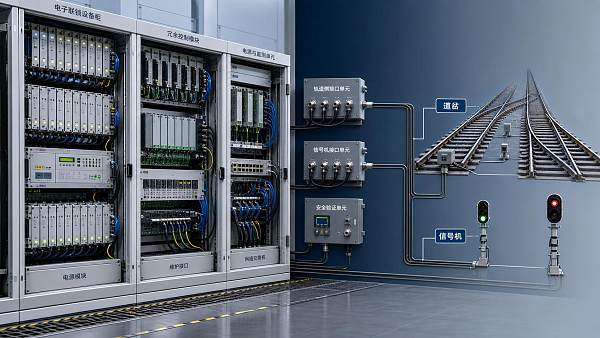
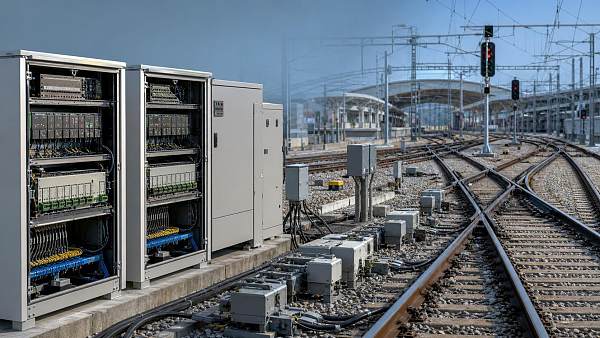
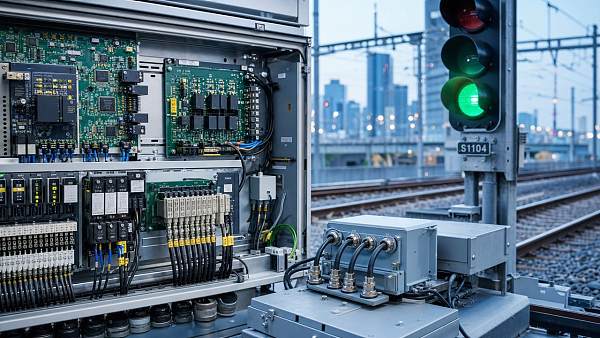
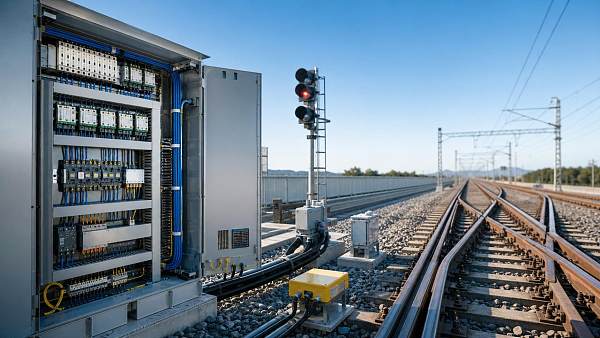
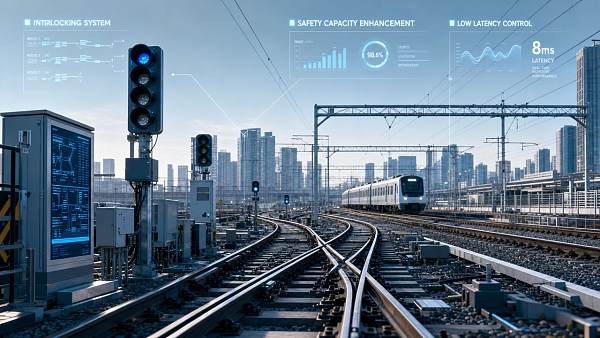
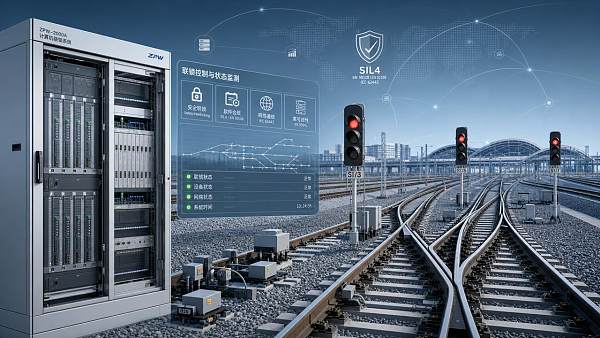
In rail environments, interlocking systems sit at the center of route protection, point control, signal release, and movement authority logic. A small defect can spread quickly.
The same discipline also matters beyond rail. In smart vessels and LNG carriers, safety-critical control chains face similar interface and verification pressures.
GTOT often frames this as a land-and-sea reliability problem. Whether the asset is a railway network or a digitally connected ship, control logic must survive real operating stress.
The most common reason for late failure is simple: validation scope was narrower than operational reality. Logic passed, but assumptions failed.
What are the key failure risks to check before deployment?
When teams review interlocking systems, they often focus first on software defects. That matters, but it is rarely the whole picture.
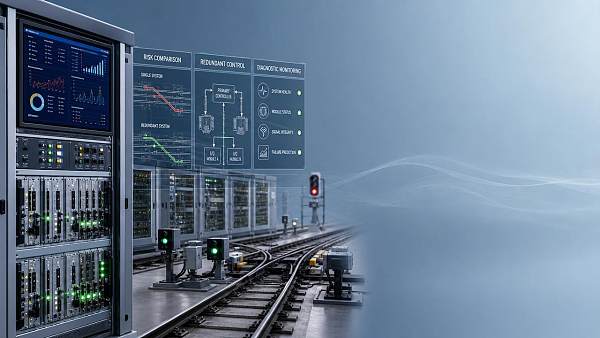
More common risk clusters usually include logic, interfaces, timing, field devices, and maintainability. If one layer is weak, fail-safe behavior may degrade.
- Route logic conflicts, especially around overlap release, flank protection, and emergency degradation modes.
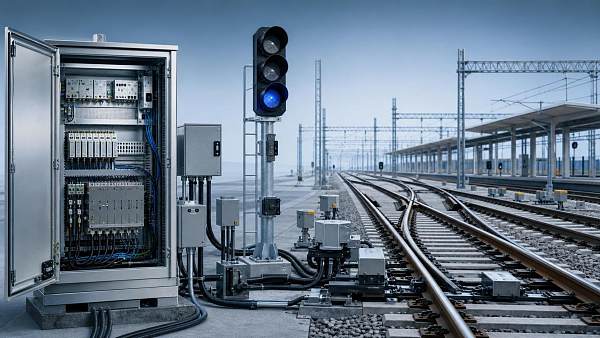
- I/O mapping errors between interlocking systems and points, signals, axle counters, track circuits, or onboard interfaces.
- Communication latency and packet loss that do not break functions immediately, but distort sequencing under peak load.
- Configuration version mismatch between test files, field data, and approved design baselines.
- Maintenance-related vulnerabilities, such as bypass logic, temporary jumpers, or poor restoration control after inspections.
- Human-machine interface ambiguity that causes operators to misread route status or alarm priority.
A useful check is to ask not only “Can it run?” but “Can it fail safely when inputs become inconsistent?” That shift improves deployment decisions.
Which safety checks reveal problems that routine testing may miss?
Routine tests often prove expected behavior. Pre-deployment safety checks should deliberately search for unexpected combinations and abnormal recovery paths.
In practical terms, the strongest review program combines document traceability, dynamic simulation, field interface proving, and controlled fault insertion.
The most valuable checks are the ones that challenge recovery behavior. Many incidents begin not with the first fault, but with poor system response after it.
That is why interlocking systems should be tested in combinations: degraded communications, partial device loss, and operator action under time pressure.
How can you judge whether interface risk is higher than logic risk?
This is rarely obvious from a test report alone. Logic defects are easier to classify. Interface defects are often intermittent, site-specific, and expensive to reproduce.
A practical judgment method is to look at evidence quality. If logic is fully traced, simulated, and independently reviewed, but field device mapping changed late, interface risk may be higher.
Watch for these warning signs:
- Commissioning drawings differ from approved design data.
- Point machine feedback shows unstable transitions near tolerance limits.
- Alarm logs contain repeated communication retries without clear root cause.
- Signal aspects, route states, or occupancy indications are correct in isolation, but inconsistent in sequence.
In actual deployment, interface risk tends to rise where systems cross organizational boundaries. That includes telecom, SCADA, onboard integration, and port-side digital platforms.
GTOT’s broader transport perspective is useful here. The same boundary failures seen in rail interlocking systems also appear in ship automation and cargo data chains.
Are maintenance and lifecycle issues really deployment concerns?
Yes, and often more than teams expect. A system can be safe on day one and become vulnerable because maintenance paths were poorly controlled.
Interlocking systems should be reviewed not only for operation, but also for inspection, update, replacement, and fault recovery routines.
For example, ask whether maintenance access creates any hidden route-release path. Ask whether temporary configuration files are locked and logged. Ask how rollback is verified.
Another useful check is spare-part equivalence. A component may fit physically, yet behave differently in timing, diagnostics, or firmware handshake.
This matters in high-integrity transport networks, where uptime pressure can encourage quick substitutions. Safety assurance must be stronger than schedule pressure.
If the site lacks a controlled restoration checklist, deployment is not truly complete. It is only functionally active.
What does a strong pre-deployment decision look like in practice?
A strong decision is not based on one pass or fail line. It combines evidence from design, testing, field conditions, and operational readiness.
More mature teams use a deployment gate with explicit criteria. That makes safety decisions repeatable and easier to defend during audits.
- Confirmed safety requirements traceability, including exceptions and temporary restrictions.
- Closed interface discrepancy list with signed field verification.
- Proven fail-safe response for restart, power disturbance, and communications degradation.
- Validated maintenance controls, access rights, and restoration procedures.
- Operational briefing aligned with alarm handling and degraded mode actions.
If one of these areas is weak, the right decision may be limited deployment, staged activation, or additional simulation before full cutover.
That approach supports both safety and commercial continuity. It protects passengers, cargo, infrastructure availability, and long-term asset credibility.
So what should be reviewed first when time is limited?
Start with the areas where interlocking systems can create silent unsafe assumptions. Those are usually interfaces, degraded modes, and maintenance overrides.
Then review evidence, not claims. A checklist is useful only when every item links to test records, configuration control, and field confirmation.
In fast-moving rail and maritime programs, that discipline prevents expensive surprises after activation. It also fits the GTOT view of interconnection: safe systems depend on verified boundaries.
Before deployment, narrow the focus to three questions. Can the system fail safely? Can it recover safely? Can it be maintained safely?
If the answers are supported by evidence, interlocking systems are far more likely to deliver reliable service under real operating conditions. If not, more checking is still cheaper than one live incident.
Recommended News
 Aug 29, 2026What to verify before choosing a railway interlocking equipment exporterRailway interlocking equipment exporter checklist: verify safety evidence, interfaces, engineering, traceability, export readiness, and long-term support before procurement.
 Aug 15, 2026How to choose railway interlocking equipment for junctionsRailway interlocking equipment for junctions: learn how to choose the right system for safety, capacity, and future expansion with confidence.
 Jul 14, 2026Rail Interlocking Systems: Common Failure Risks and Design ChecksRail interlocking systems face critical risks from route locking, point detection, track vacancy, and interface timing. Learn the key design checks that improve safety and reduce commissioning risk.
 Jul 06, 2026When to Choose a SIL4 Signalling Equipment Integrator Over Multiple VendorsSIL4 signalling equipment integrator or multiple vendors? Learn when unified integration reduces interface risk, speeds safety approval, and protects rail project delivery.
 Jul 01, 2026Electronic Railway Interlocking Systems: Key Failure Risks and Compliance ChecksRailway interlocking systems electronic risks can disrupt safety, uptime, and compliance. Explore key failure points, practical checks, and proven ways to strengthen rail resilience.
 Jun 23, 2026Interlocking Systems: Key Failure Risks and Safety Checks Before DeploymentInterlocking systems: discover key failure risks, interface hazards, and must-do safety checks before deployment to prevent costly incidents and ensure fail-safe performance.
 Jun 19, 2026Interlocking Systems for Railway Safety: Key Standards and Failure RisksInterlocking systems for railway safety: explore key standards, SIL4 expectations, and hidden failure risks to strengthen railway compliance, resilience, and safe operations.
 Jun 10, 2026How Interlocking Systems Reduce Rail Network Failure RiskInterlocking systems reduce rail network failure risk by preventing conflicts, containing faults, and speeding recovery. See how they improve safety, uptime, and operational resilience.
 Jun 05, 2026Railway Control Components: Key Failure Points to AvoidRailway control components fail in different ways across urban, high-speed, freight, and harsh outdoor routes. Discover the key failure points to avoid for safer, more reliable rail operations.
 Jun 03, 2026Railway Signal Control Systems: Common Failure Points and Safety ChecksRailway signal control systems require rigorous safety checks. Discover common failure points, inspection priorities, and practical steps to reduce risk and protect rail operations.
 Jun 02, 2026How to Evaluate Railway Control Components for System ReliabilityRailway control components evaluation guide: assess SIL compliance, interoperability, stress testing, cybersecurity, and lifecycle reliability for safer rail systems.
 May 31, 2026Interlocking Systems Technology Standards: Key Compliance RisksInterlocking systems technology standards expose critical compliance risks in SIL validation, cybersecurity, and traceability—learn how to protect rail safety and approvals.
 May 28, 2026Interlocking Systems for High-Density Rail Operations: What Improves Capacity Safely?Interlocking systems for high-density rail operations: discover how SIL4-safe architectures, redundancy, and automation interfaces boost rail capacity, resilience, and future readiness.
 May 26, 2026Interlocking Systems for Railway Safety: How to Compare Failure RisksInterlocking systems for railway safety: compare failure risks through design logic, diagnostics, redundancy, and lifecycle factors to make safer, smarter rail decisions.
 May 21, 2026Interlocking Systems Technology Standards: Key Compliance Checks for 2026Interlocking systems technology standards guide 2026 rail compliance checks on safety traceability, software control, cybersecurity, and field integrity. Learn key risks and practical actions.
 May 20, 2026Interlocking Systems for High-Density Rail: Capacity Gains vs Safety TradeoffsInterlocking systems for high-density rail operations: explore how modern architectures boost rail capacity, reduce headways, and manage safety tradeoffs for smarter network planning.
 May 19, 2026Interlocking Systems for Railway Safety: Choosing for Retrofit ProjectsInterlocking systems for railway safety: learn how to choose the best retrofit path with SIL4 assurance, legacy compatibility, lower risk, and future-ready performance.
 May 17, 2026How Computer Interlocking Cuts Rail Signaling Failure RiskInterlocking systems cut rail signaling failure risk by preventing route conflicts, reducing human error, and supporting SIL4 safety—see how computer interlocking boosts reliable, high-density operations.