



Search News
Industry Portal
Popular Tags
Interlocking Systems Technology Standards: Key Compliance Risks
Author
Time
Click Count
For quality control and safety managers, interlocking systems technology standards are more than technical references—they define the boundary between predictable rail operations and unacceptable compliance exposure. As signaling architectures become increasingly digital, automated, and interconnected, gaps in SIL validation, interface control, cybersecurity, maintenance traceability, or supplier documentation can quickly escalate into audit failures and operational risk. This article outlines the key compliance risks behind modern interlocking systems and highlights what teams must verify to protect safety integrity, project approval, and long-term asset reliability.
In high-density rail corridors, a single interlocking decision can affect route setting, point locking, signal clearance, train detection, platform operations, and emergency recovery. For organizations managing tenders, factory acceptance tests, site integration, and lifecycle audits, interlocking systems technology standards provide the common language for proving that these functions remain safe under normal, degraded, and failure conditions.
Why Interlocking Compliance Has Become a Board-Level Risk
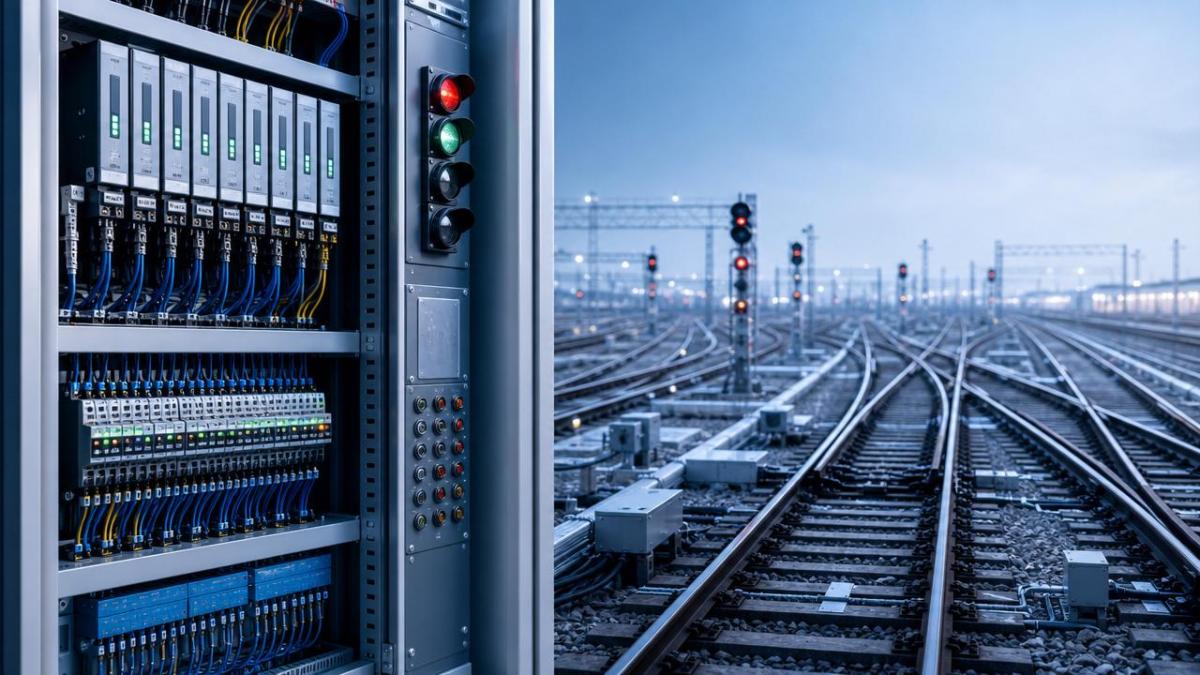
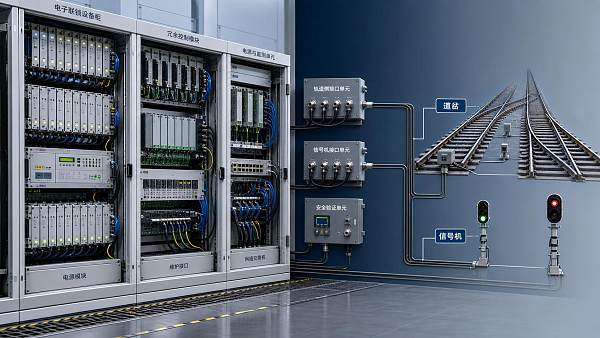
Modern railway signaling is no longer a closed cabinet with isolated relay logic. It is a software-driven, network-connected, safety-critical platform that may interact with CBTC, ETCS, axle counters, object controllers, LTE-M or FRMCS communications, and remote diagnostic systems. This wider architecture increases both operational capability and compliance exposure.
For safety managers, the key issue is not whether the interlocking can function during demonstration. The key issue is whether the project can prove, with controlled evidence, that the system satisfies interlocking systems technology standards across at least 3 layers: safety integrity, functional behavior, and lifecycle management.
The Shift from Equipment Acceptance to Lifecycle Assurance
Traditional acceptance often focused on hardware configuration, wiring verification, and route testing. Digital interlockings require broader evidence, including software version control, safety case structure, cybersecurity hardening, configuration baselines, and maintenance record traceability over a lifecycle that may exceed 20 years.
A quality team should expect auditors to ask for more than pass-or-fail test sheets. They may request hazard logs, independent assessment reports, change impact analysis, verification matrices, and proof that corrective actions were closed within defined cycles such as 7, 14, or 30 days depending on severity.
Typical Compliance Pressure Points
- Incomplete mapping between project requirements and applicable standards such as EN 50126, EN 50128, EN 50129, IEC 62443, or local railway authority rules.
- Uncontrolled interface changes between interlocking, train detection, level crossings, platform screen doors, or traffic management systems.
- Weak evidence that software tools, test environments, and configuration files were validated before use.
- Insufficient independence between design, verification, validation, and safety assessment functions.
These pressure points are especially visible in brownfield upgrades, where legacy relay rooms, mixed supplier interfaces, and restricted engineering possessions can compress the testing window to a few nights or weekends. Under such constraints, documentation discipline becomes as important as technical performance.
Core Standards and Evidence Quality Teams Must Control
Interlocking systems technology standards are usually applied as a framework rather than a single checklist. The practical challenge is aligning international safety standards, national signaling rules, project specifications, supplier manuals, and operator maintenance procedures into one auditable evidence chain.
The following table summarizes the main compliance areas that quality control and safety teams should verify before design freeze, factory testing, site commissioning, and operational handover.
The table shows that compliance risk rarely comes from one missing document. It usually emerges when evidence is fragmented across departments, suppliers, test teams, and maintenance owners. A robust control plan should connect each requirement to a test result, responsible person, approval date, and retained record.
Safety Integrity: More Than a SIL4 Label
Many procurement documents specify SIL4, the highest common safety integrity expectation for core railway signaling functions. However, a SIL4 claim has limited value unless the supplier can demonstrate development process compliance, quantitative failure analysis, systematic capability, and independent safety assessment.
Quality teams should verify whether the safety requirements are allocated at function level, not merely at product level. Route locking, flank protection, point detection, approach locking, overlap control, and release timing may each require separate verification criteria and repeatable test cases.
Software Baselines and Change Discipline
A common audit failure is the inability to prove which software build, configuration data set, and hardware revision were tested together. For projects with multiple stations or depots, even a minor data file mismatch can create inconsistent route behavior.
A practical baseline rule is to freeze safety-related data before factory acceptance testing, reopen it only through approved change control, and repeat defined regression tests when any modification affects route logic, timing parameters, or vital communications.
Key Compliance Risks in Digital Interlocking Projects
As interlocking platforms become more modular, the highest risks often sit between systems rather than inside one device. GTOT’s rail signaling intelligence perspective emphasizes that land transportation safety depends on rigorous “stitching” between components, data, procedures, and operating responsibilities.
Risk 1: Interface Gaps Across Multi-Supplier Architectures
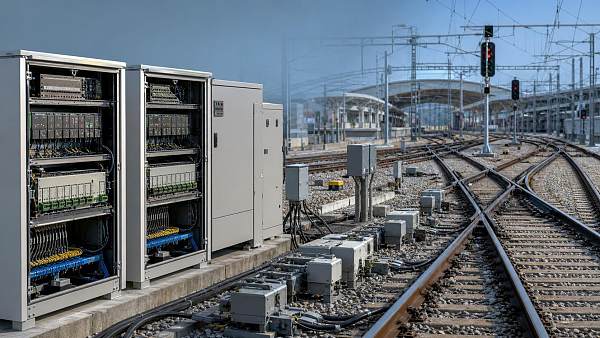
Interlocking may communicate with object controllers, point machines, track circuits, axle counters, level crossing controllers, RBC equipment, traffic management platforms, and diagnostic servers. Each interface can introduce timing, state, protocol, or responsibility gaps if not locked early.
For a medium-size station, teams may manage 200–800 I/O points, dozens of routes, and hundreds of locking conditions. Without a controlled interface register, late changes can create design contradictions that only appear during site testing.
Risk 2: Cybersecurity Treated as an IT Add-On
Connected signaling equipment needs cybersecurity controls designed around railway safety, not generic office IT practice. Remote access, engineering laptops, diagnostic ports, and maintenance servers must be governed by role-based permissions and documented approval paths.
A reasonable verification package should include network segmentation, account management rules, backup frequency, patch assessment cycles, and incident escalation timeframes. For critical systems, access logs should be retained for periods aligned with operator policy, often 6–24 months.
Risk 3: Weak Maintenance Traceability
Compliance does not end at handover. Safety managers must prove that maintenance actions preserve the approved configuration. Replacement modules, firmware updates, relay interface boards, power supplies, and network switches require traceable records from installation to retirement.
A strong maintenance regime defines inspection intervals, spare part acceptance criteria, calibration requirements, and escalation triggers. For example, recurring communication faults within 30 days should trigger root cause analysis rather than repeated reset actions.
Common Warning Signs During Audit Preparation
- Test cases are listed, but pass criteria are not linked to specific safety requirements.
- Supplier documents use different revision numbers from the operator’s approved document register.
- Cybersecurity procedures exist, but maintenance staff cannot explain how access is granted or revoked.
- Site deviations were accepted verbally, with no impact assessment on signaling safety functions.
These warning signs should be treated as early indicators of systemic weakness. Correcting them before formal assessment is usually faster and less costly than defending them during approval review.
A Practical Verification Framework for QC and Safety Teams
Quality control teams need a verification framework that turns interlocking systems technology standards into daily project controls. The framework should be simple enough for engineers to use, but rigorous enough to satisfy independent assessors, railway authorities, and asset owners.
The following matrix can help teams prioritize checks across design, factory acceptance, site testing, and operational readiness. It is especially useful when several suppliers contribute hardware, software, communications, and civil interface works.
The practical value of this matrix is sequence control. If design evidence is incomplete, factory testing becomes less defensible. If factory baselines are unclear, site commissioning becomes vulnerable to repeated retesting and approval delay.
Five-Step Compliance Workflow
- Map applicable interlocking systems technology standards to project requirements before supplier design submission.
- Assign each safety requirement to a verification method: inspection, analysis, simulation, test, or independent assessment.
- Control all software, data, and interface changes through a single change register with impact classification.
- Review open defects weekly during FAT and daily during commissioning possessions when safety impact exists.
- Transfer the approved baseline into maintenance systems with spare part, training, and cybersecurity records.
This workflow gives safety managers a defensible operating rhythm. It also helps procurement teams evaluate whether a supplier has a mature delivery process or simply a technically capable product.
Supplier Evaluation and Procurement Questions
Procurement decisions for interlocking equipment should not be based only on unit price, cabinet footprint, or claimed delivery time. For safety-critical rail assets, supplier evidence quality can affect approval probability, maintenance cost, and network availability for decades.
A well-prepared buyer should require suppliers to demonstrate how their design, verification, cybersecurity, and documentation practices align with interlocking systems technology standards. Claims should be supported by sample documents, process descriptions, and role responsibilities.
Questions to Ask Before Technical Award
- Can the supplier provide a sample safety case structure and explain how hazards are traced to tests?
- How are application data, software builds, and hardware revisions baselined across multiple sites?
- What is the standard defect classification method, and what closure evidence is required for each severity?
- How are cybersecurity patches assessed without compromising validated safety behavior?
- What training, spare part documentation, and maintenance tools are included at handover?
For complex corridors, buyers may request a 2–4 week technical clarification period before final award. This period can reveal whether the supplier understands local operating rules, legacy interfaces, and documentation expectations.
Commercial Risk Hidden in Documentation Gaps
A low-cost proposal can become expensive if safety documentation is incomplete or late. Repeated design resubmissions, added night possessions, independent assessment delays, and site retesting can quickly offset initial savings.
Quality and safety managers should therefore treat documentation deliverables as contractual outputs. Submission dates, review cycles, language requirements, electronic formats, and retention periods should be defined as clearly as hardware delivery milestones.
Maintaining Compliance After Commissioning
Once a line enters passenger service, the compliance focus shifts from project approval to controlled operation. Interlocking systems technology standards remain relevant because asset owners must manage modifications, failures, cybersecurity threats, and aging components without eroding the approved safety case.
Configuration Management in Live Rail Operations
Every change to route data, timer values, object controller settings, communication parameters, or maintenance tools should be evaluated against the approved baseline. Even when the technical change appears minor, its impact on locking logic or degraded operation may be significant.
Operators should maintain a controlled asset register covering cabinet location, module serial number, firmware version, application data revision, maintenance history, and last verification date. For critical assets, quarterly sampling can detect record drift before annual audits.
Incident Learning and Continuous Assurance
Operational incidents should feed back into hazard management. A point detection fault, false alarm, communication dropout, or emergency route release issue may indicate deeper weaknesses in design assumptions, maintenance intervals, or diagnostic thresholds.
A mature assurance program categorizes incidents by safety impact, recurrence, detection method, and corrective action effectiveness. Actions should have owners and target dates, commonly within 7 days for urgent containment and 30–90 days for engineered prevention.
Practical Maintenance Controls
- Keep validated backup copies of approved application data and recovery procedures.
- Restrict engineering access to authorized personnel with time-bound permissions.
- Verify spare parts against approved compatibility lists before installation.
- Use post-maintenance functional checks for any work affecting vital I/O or route control.
These controls are not administrative overhead. They protect the safety argument that allowed the system to enter service, while helping maintenance teams reduce repeat faults and unplanned service restrictions.
How GTOT Supports Safer Interlocking Decisions
GTOT focuses on the intelligence layer behind land and sea transportation assets, from railway signal control systems to smart vessels and LNG carriers. For rail signaling stakeholders, this means translating complex engineering standards into practical decision support for tenders, audits, upgrades, and lifecycle planning.
For quality control and safety managers, the most valuable insight is often not a product claim but a structured view of risk. Interlocking systems technology standards help teams compare suppliers, challenge weak evidence, and protect approval timelines before problems become contractual disputes.
The critical compliance risks are clear: weak SIL justification, uncontrolled interfaces, poor software traceability, cybersecurity blind spots, and incomplete maintenance records. Managing these risks requires early planning, disciplined evidence control, and a verification process that continues beyond commissioning.
If your team is preparing a rail signaling tender, interlocking upgrade, supplier audit, or safety case review, GTOT can help you structure the right questions and identify the evidence that matters. Contact us to explore tailored intelligence, compliance checklists, and solution insights for safer, more reliable railway operations.
Recommended News
 Aug 29, 2026What to verify before choosing a railway interlocking equipment exporterRailway interlocking equipment exporter checklist: verify safety evidence, interfaces, engineering, traceability, export readiness, and long-term support before procurement.
 Aug 15, 2026How to choose railway interlocking equipment for junctionsRailway interlocking equipment for junctions: learn how to choose the right system for safety, capacity, and future expansion with confidence.
 Jul 14, 2026Rail Interlocking Systems: Common Failure Risks and Design ChecksRail interlocking systems face critical risks from route locking, point detection, track vacancy, and interface timing. Learn the key design checks that improve safety and reduce commissioning risk.
 Jul 06, 2026When to Choose a SIL4 Signalling Equipment Integrator Over Multiple VendorsSIL4 signalling equipment integrator or multiple vendors? Learn when unified integration reduces interface risk, speeds safety approval, and protects rail project delivery.
 Jul 01, 2026Electronic Railway Interlocking Systems: Key Failure Risks and Compliance ChecksRailway interlocking systems electronic risks can disrupt safety, uptime, and compliance. Explore key failure points, practical checks, and proven ways to strengthen rail resilience.
 Jun 23, 2026Interlocking Systems: Key Failure Risks and Safety Checks Before DeploymentInterlocking systems: discover key failure risks, interface hazards, and must-do safety checks before deployment to prevent costly incidents and ensure fail-safe performance.
 Jun 19, 2026Interlocking Systems for Railway Safety: Key Standards and Failure RisksInterlocking systems for railway safety: explore key standards, SIL4 expectations, and hidden failure risks to strengthen railway compliance, resilience, and safe operations.
 Jun 10, 2026How Interlocking Systems Reduce Rail Network Failure RiskInterlocking systems reduce rail network failure risk by preventing conflicts, containing faults, and speeding recovery. See how they improve safety, uptime, and operational resilience.
 Jun 05, 2026Railway Control Components: Key Failure Points to AvoidRailway control components fail in different ways across urban, high-speed, freight, and harsh outdoor routes. Discover the key failure points to avoid for safer, more reliable rail operations.
 Jun 03, 2026Railway Signal Control Systems: Common Failure Points and Safety ChecksRailway signal control systems require rigorous safety checks. Discover common failure points, inspection priorities, and practical steps to reduce risk and protect rail operations.
 Jun 02, 2026How to Evaluate Railway Control Components for System ReliabilityRailway control components evaluation guide: assess SIL compliance, interoperability, stress testing, cybersecurity, and lifecycle reliability for safer rail systems.
 May 31, 2026Interlocking Systems Technology Standards: Key Compliance RisksInterlocking systems technology standards expose critical compliance risks in SIL validation, cybersecurity, and traceability—learn how to protect rail safety and approvals.
 May 28, 2026Interlocking Systems for High-Density Rail Operations: What Improves Capacity Safely?Interlocking systems for high-density rail operations: discover how SIL4-safe architectures, redundancy, and automation interfaces boost rail capacity, resilience, and future readiness.
 May 26, 2026Interlocking Systems for Railway Safety: How to Compare Failure RisksInterlocking systems for railway safety: compare failure risks through design logic, diagnostics, redundancy, and lifecycle factors to make safer, smarter rail decisions.
 May 21, 2026Interlocking Systems Technology Standards: Key Compliance Checks for 2026Interlocking systems technology standards guide 2026 rail compliance checks on safety traceability, software control, cybersecurity, and field integrity. Learn key risks and practical actions.
 May 20, 2026Interlocking Systems for High-Density Rail: Capacity Gains vs Safety TradeoffsInterlocking systems for high-density rail operations: explore how modern architectures boost rail capacity, reduce headways, and manage safety tradeoffs for smarter network planning.
 May 19, 2026Interlocking Systems for Railway Safety: Choosing for Retrofit ProjectsInterlocking systems for railway safety: learn how to choose the best retrofit path with SIL4 assurance, legacy compatibility, lower risk, and future-ready performance.
 May 17, 2026How Computer Interlocking Cuts Rail Signaling Failure RiskInterlocking systems cut rail signaling failure risk by preventing route conflicts, reducing human error, and supporting SIL4 safety—see how computer interlocking boosts reliable, high-density operations.