



Search News
Industry Portal
Popular Tags
How Interlocking Systems Reduce Rail Network Failure Risk
Author
Time
Click Count
How Interlocking Systems Reduce Rail Network Failure Risk
For enterprise decision-makers responsible for rail reliability, interlocking systems are more than signaling assets—they are a frontline defense against network disruption, safety incidents, and costly downtime.
By coordinating routes, protecting train movements, and supporting high-density operations, modern interlocking systems reduce rail network failure risk and improve long-term resilience.
Why Interlocking Systems Matter More Than Ever
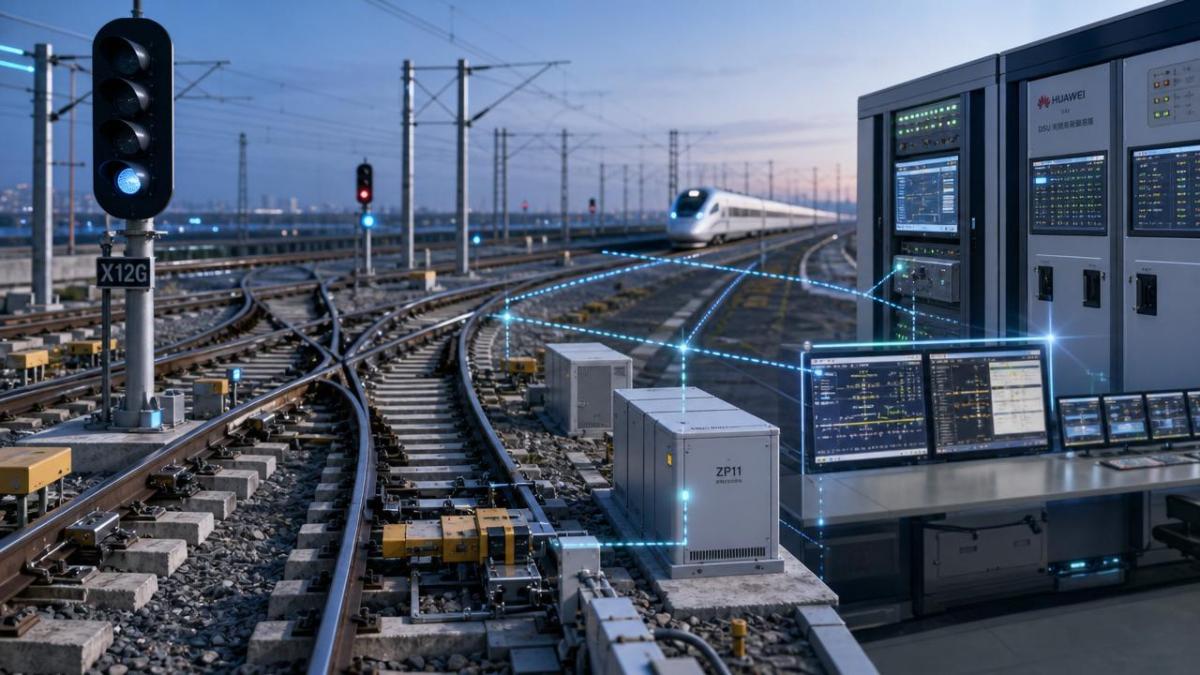
Rail networks now carry more trains, tighter schedules, and greater public expectations. That makes every control decision more critical than before.
When a route is set incorrectly, the impact spreads quickly. Delays multiply, asset utilization drops, and recovery costs climb.
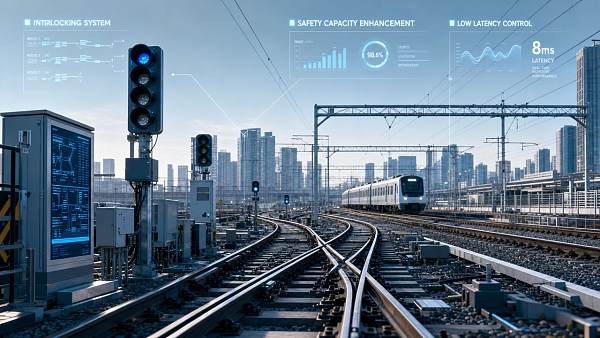
This is where interlocking systems make a measurable difference. They prevent conflicting train movements and enforce safe route logic in real time.
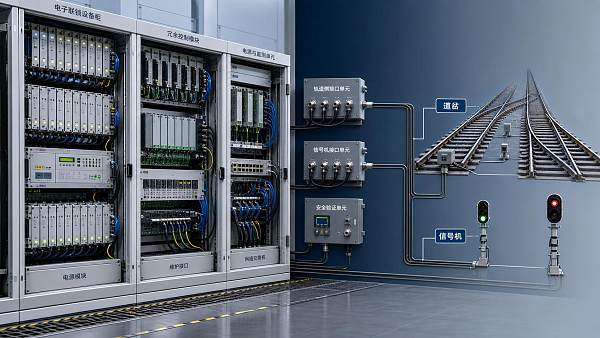
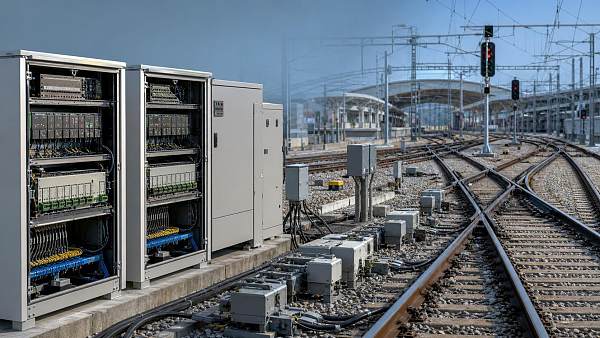
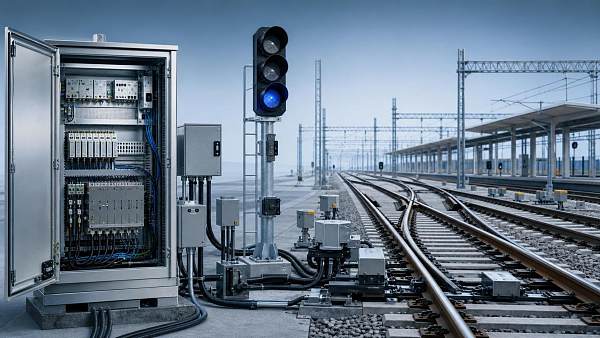
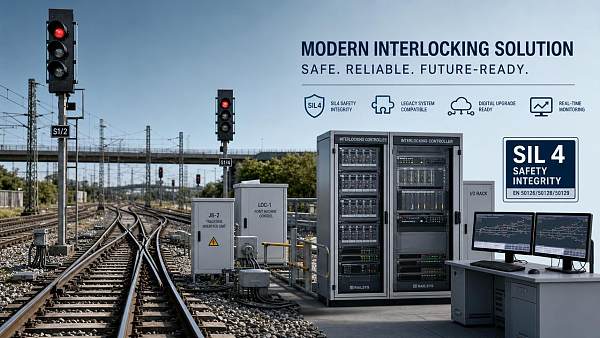
In practical terms, interlocking systems sit at the center of operational risk control. They connect field devices, signaling logic, dispatch priorities, and fail-safe protections.
For operators expanding automation, the role becomes even bigger. Interlocking systems are essential for stable headways, predictable throughput, and safer degraded-mode operations.
From a capital planning angle, this also changes procurement thinking. The discussion is no longer about hardware alone, but about failure containment across the whole network.
How Interlocking Systems Actually Reduce Failure Risk
The most direct value of interlocking systems is conflict prevention. A valid route can only be established when points, signals, and track conditions meet approved logic.
That logic sharply reduces the chance of human error turning into a network event. In busy corridors, that protection is not optional.
1. Route protection under normal and degraded conditions
Reliable interlocking systems do more than handle routine routing. They also manage transitions during maintenance, equipment faults, and partial subsystem loss.
That matters because many serious disruptions begin during abnormal operations. The strongest designs assume faults will happen and control the consequences.
2. Fail-safe architecture limits escalation
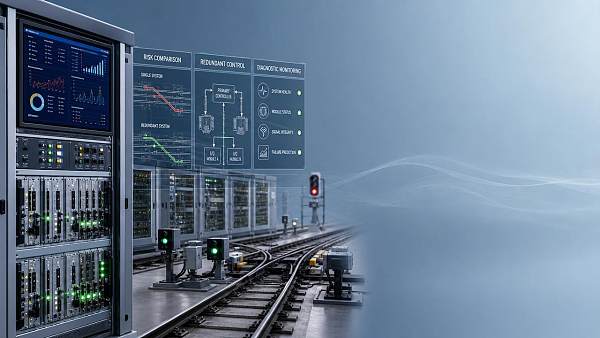
Modern interlocking systems are built around fail-safe principles. When uncertainty appears, the system moves to the safest permitted state rather than an optimistic one.
This approach may temporarily reduce capacity, but it prevents minor data issues from becoming severe incidents. That trade-off is often the right one.
3. Faster fault isolation and recovery
Well-designed interlocking systems improve visibility. Operators can identify whether the issue lies in the logic layer, point machine response, track circuit status, or interface behavior.
Faster diagnosis reduces mean time to repair. Just as important, it reduces the uncertainty that often slows dispatch decisions.
The Standards and Technical Signals Decision-Makers Should Watch
Not all interlocking systems deliver the same level of protection. Safety integrity, integration discipline, and lifecycle support create major differences in real-world performance.
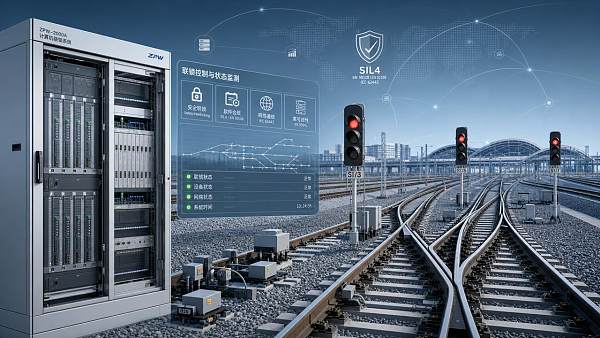
A useful starting point is alignment with recognized railway safety standards. SIL4 remains a critical reference for high-consequence applications.
Still, compliance alone is not enough. The bigger question is how interlocking systems behave across interfaces, upgrades, and mixed-vendor environments.
- Check whether route logic validation covers both nominal and abnormal operating scenarios.
- Review interface maturity with ATP, CTC, ETCS, CBTC, or local control systems.
- Confirm cybersecurity governance for remote diagnostics and software updates.
- Assess spare parts strategy and long-term software maintenance commitments.
- Examine how configuration control is managed after network expansions or timetable changes.
From recent market shifts, one signal is especially clear. Buyers increasingly prefer interlocking systems that support phased modernization without disrupting current service patterns.
That also means lifecycle intelligence is becoming a procurement factor. Decision-makers want proof of maintainability, not just proof of installation.
Where Interlocking Systems Create Business Value Beyond Safety
Safety is the first priority, but not the only one. Strong interlocking systems also improve punctuality, throughput, and asset productivity.
That wider value matters during board-level investment reviews. Projects compete for capital, and reliability gains must be expressed in operational and financial terms.
Lower delay propagation
When interlocking systems respond consistently, small schedule deviations stay manageable. That reduces the cascade effect across junctions and terminal approaches.
Better use of network capacity
Higher route availability supports denser operations. In urban and high-speed corridors, that can postpone costly civil expansion.
More predictable maintenance windows
Data-rich interlocking systems help teams plan interventions with less guesswork. That makes night work, closures, and traffic diversions easier to manage.
In actual business operations, these benefits shape contract performance too. Freight reliability, passenger satisfaction, and public accountability all depend on network stability.
A Practical Evaluation Framework for Interlocking Systems
A technical review becomes more effective when it follows a simple framework. This keeps attention on risk reduction, not only on feature lists.
- Map critical junctions, bottlenecks, and single points of failure across the network.
- Match interlocking systems to required safety levels, traffic density, and automation goals.
- Test degraded-mode logic against realistic disruption scenarios, not ideal operating conditions.
- Review lifecycle costs, including obsolescence management, software support, and training.
- Demand evidence from comparable deployments with measurable availability and recovery data.
This is also where supplier quality becomes visible. The best interlocking systems come with strong engineering governance, not just polished product claims.
For organizations managing broader mobility portfolios, this discipline supports cross-system thinking. It connects signaling reliability with traction power, braking performance, and network-level resilience planning.
That perspective is increasingly important in global transport strategy. Reliable control architecture is now part of infrastructure competitiveness, not just compliance management.
Conclusion: Interlocking Systems as a Strategic Reliability Asset
Interlocking systems reduce rail network failure risk by preventing conflicts, containing faults, and supporting faster recovery. Their value reaches far beyond the signal room.
For rail operators and infrastructure investors, the real decision is not whether interlocking systems matter. It is whether current systems are strong enough for future traffic, automation, and resilience demands.
A disciplined review of architecture, standards, interfaces, and lifecycle support can reveal hidden exposure before it becomes disruption.
The next smart move is clear: evaluate interlocking systems as strategic reliability assets, and align upgrade decisions with measurable safety and performance outcomes.
Recommended News
 Aug 29, 2026What to verify before choosing a railway interlocking equipment exporterRailway interlocking equipment exporter checklist: verify safety evidence, interfaces, engineering, traceability, export readiness, and long-term support before procurement.
 Aug 15, 2026How to choose railway interlocking equipment for junctionsRailway interlocking equipment for junctions: learn how to choose the right system for safety, capacity, and future expansion with confidence.
 Jul 14, 2026Rail Interlocking Systems: Common Failure Risks and Design ChecksRail interlocking systems face critical risks from route locking, point detection, track vacancy, and interface timing. Learn the key design checks that improve safety and reduce commissioning risk.
 Jul 06, 2026When to Choose a SIL4 Signalling Equipment Integrator Over Multiple VendorsSIL4 signalling equipment integrator or multiple vendors? Learn when unified integration reduces interface risk, speeds safety approval, and protects rail project delivery.
 Jul 01, 2026Electronic Railway Interlocking Systems: Key Failure Risks and Compliance ChecksRailway interlocking systems electronic risks can disrupt safety, uptime, and compliance. Explore key failure points, practical checks, and proven ways to strengthen rail resilience.
 Jun 23, 2026Interlocking Systems: Key Failure Risks and Safety Checks Before DeploymentInterlocking systems: discover key failure risks, interface hazards, and must-do safety checks before deployment to prevent costly incidents and ensure fail-safe performance.
 Jun 19, 2026Interlocking Systems for Railway Safety: Key Standards and Failure RisksInterlocking systems for railway safety: explore key standards, SIL4 expectations, and hidden failure risks to strengthen railway compliance, resilience, and safe operations.
 Jun 10, 2026How Interlocking Systems Reduce Rail Network Failure RiskInterlocking systems reduce rail network failure risk by preventing conflicts, containing faults, and speeding recovery. See how they improve safety, uptime, and operational resilience.
 Jun 05, 2026Railway Control Components: Key Failure Points to AvoidRailway control components fail in different ways across urban, high-speed, freight, and harsh outdoor routes. Discover the key failure points to avoid for safer, more reliable rail operations.
 Jun 03, 2026Railway Signal Control Systems: Common Failure Points and Safety ChecksRailway signal control systems require rigorous safety checks. Discover common failure points, inspection priorities, and practical steps to reduce risk and protect rail operations.
 Jun 02, 2026How to Evaluate Railway Control Components for System ReliabilityRailway control components evaluation guide: assess SIL compliance, interoperability, stress testing, cybersecurity, and lifecycle reliability for safer rail systems.
 May 31, 2026Interlocking Systems Technology Standards: Key Compliance RisksInterlocking systems technology standards expose critical compliance risks in SIL validation, cybersecurity, and traceability—learn how to protect rail safety and approvals.
 May 28, 2026Interlocking Systems for High-Density Rail Operations: What Improves Capacity Safely?Interlocking systems for high-density rail operations: discover how SIL4-safe architectures, redundancy, and automation interfaces boost rail capacity, resilience, and future readiness.
 May 26, 2026Interlocking Systems for Railway Safety: How to Compare Failure RisksInterlocking systems for railway safety: compare failure risks through design logic, diagnostics, redundancy, and lifecycle factors to make safer, smarter rail decisions.
 May 21, 2026Interlocking Systems Technology Standards: Key Compliance Checks for 2026Interlocking systems technology standards guide 2026 rail compliance checks on safety traceability, software control, cybersecurity, and field integrity. Learn key risks and practical actions.
 May 20, 2026Interlocking Systems for High-Density Rail: Capacity Gains vs Safety TradeoffsInterlocking systems for high-density rail operations: explore how modern architectures boost rail capacity, reduce headways, and manage safety tradeoffs for smarter network planning.
 May 19, 2026Interlocking Systems for Railway Safety: Choosing for Retrofit ProjectsInterlocking systems for railway safety: learn how to choose the best retrofit path with SIL4 assurance, legacy compatibility, lower risk, and future-ready performance.
 May 17, 2026How Computer Interlocking Cuts Rail Signaling Failure RiskInterlocking systems cut rail signaling failure risk by preventing route conflicts, reducing human error, and supporting SIL4 safety—see how computer interlocking boosts reliable, high-density operations.