



Search News
Industry Portal
Popular Tags
Interlocking Systems for High-Density Rail: Capacity Gains vs Safety Tradeoffs
Author
Time
Click Count
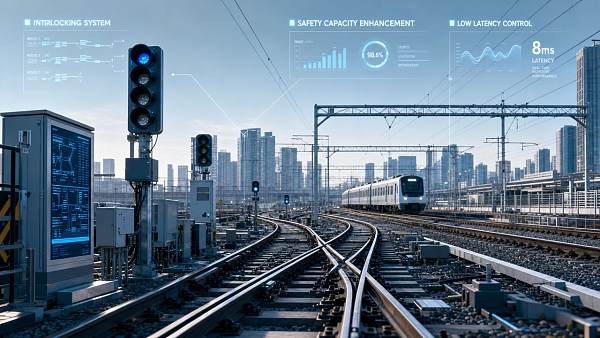
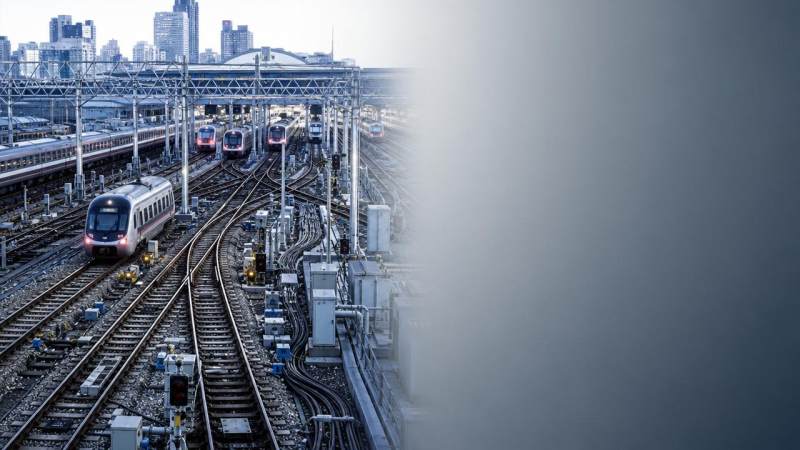
As rail corridors approach saturation, interlocking systems for high-density rail operations are moving from background infrastructure to strategic capacity assets.
They coordinate routes, lock points, protect movement authorities, and support tighter headways without abandoning fail-safe principles.
The central question is practical.
How much throughput can advanced interlocking architectures release, and what safety tradeoffs appear as logic, interfaces, and operating density become more complex?
For a sector shaped by automation, SIL4 integrity, and lifecycle cost pressure, that balance now defines long-term network performance.
Definition and Operating Scope of Interlocking Systems for High-Density Rail Operations
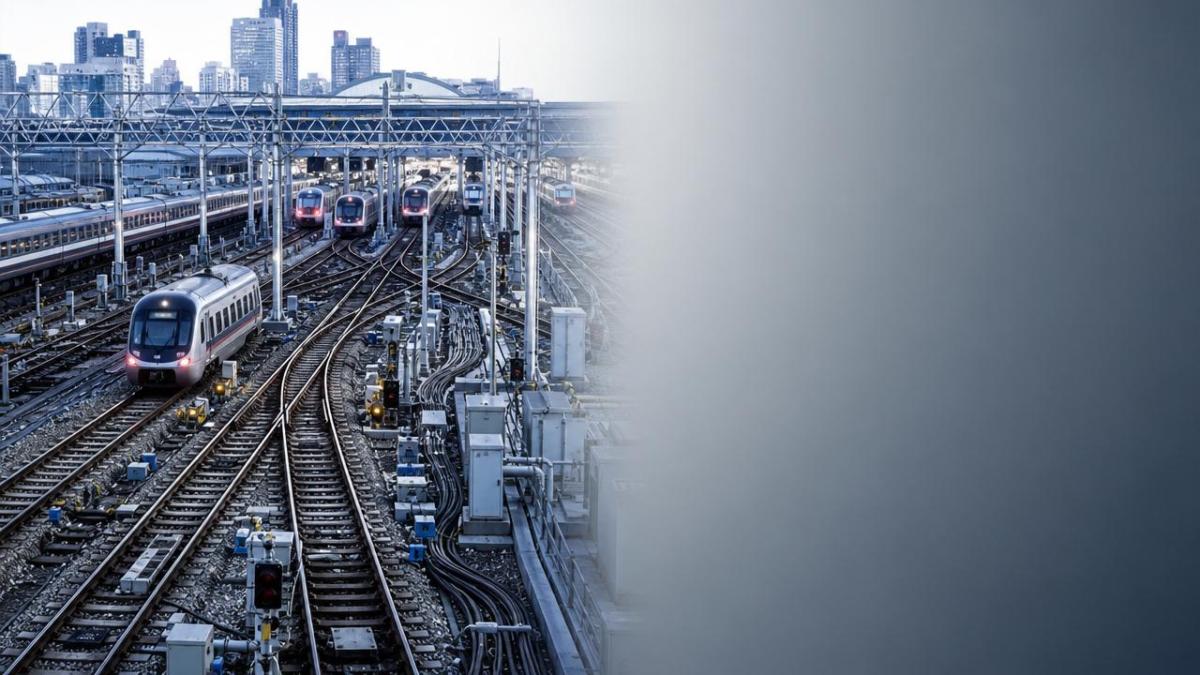
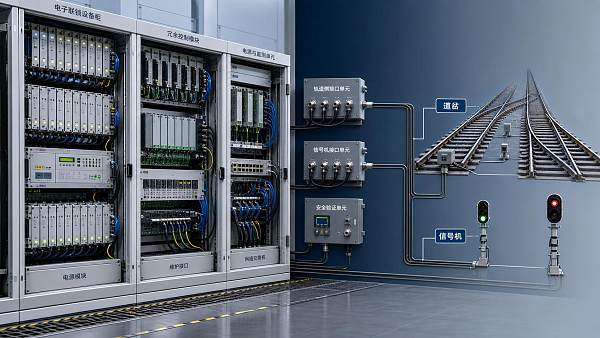
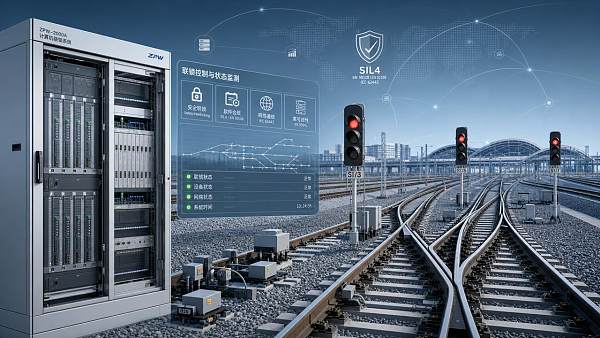
Interlocking systems for high-density rail operations are control architectures that prevent conflicting train movements through verified route logic and equipment state supervision.
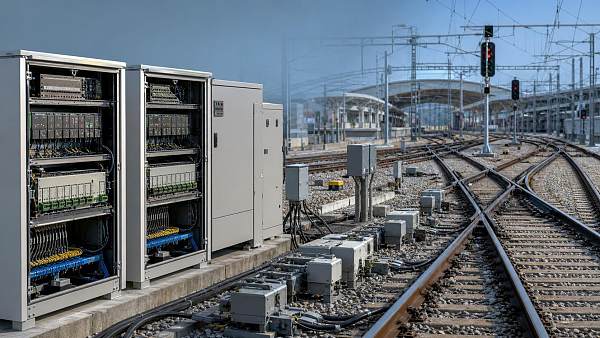
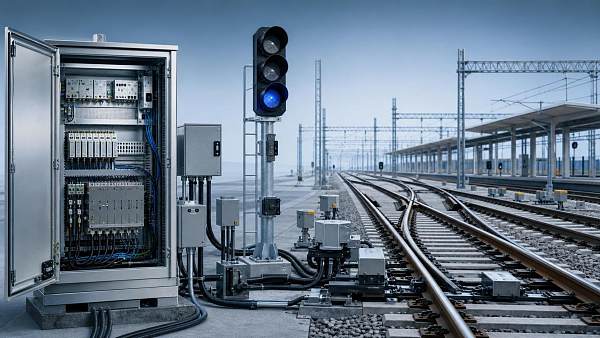
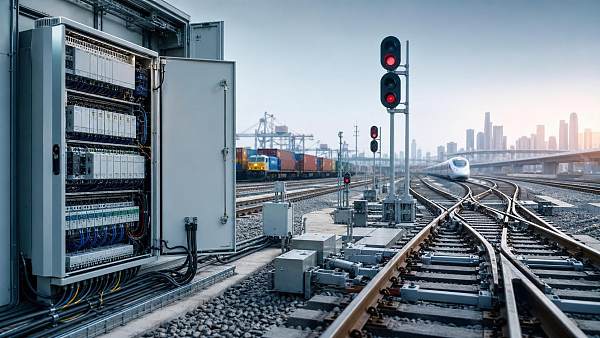
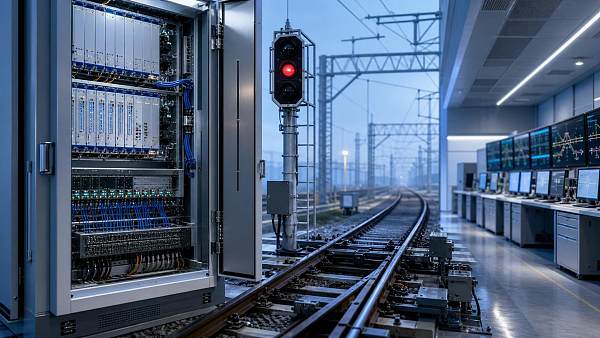
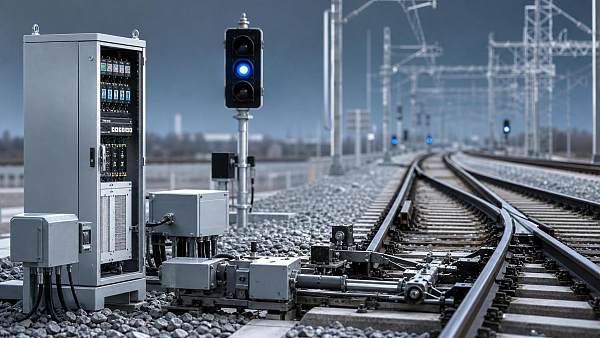
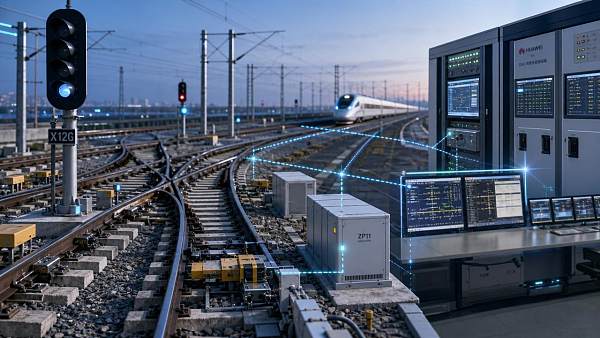
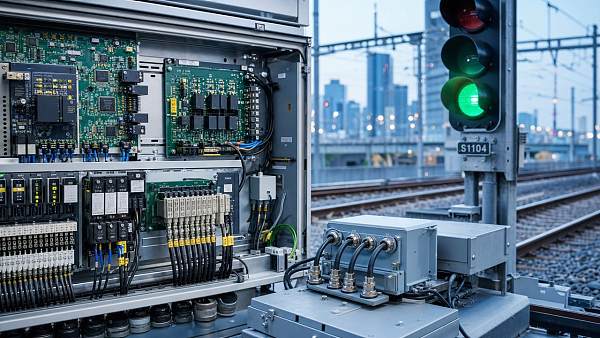
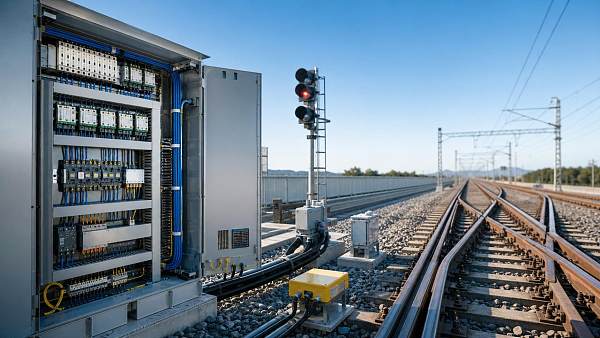
They connect signaling, point machines, axle counters or track circuits, train detection, and traffic control platforms into one safety-critical decision layer.
Traditional interlockings focused on conflict prevention.
High-density environments demand more.
They require fast route setting, high availability, remote diagnostics, degraded-mode resilience, and seamless coordination with ETCS, CBTC, ATO, or domestic ATP frameworks.
In practical terms, the system must do three things at once.
- Protect every movement with fail-safe logic.
- Minimize route release and reset delays.
- Sustain service during component faults or communication loss.
This is why interlocking systems for high-density rail operations are no longer judged only by safety certification.
They are judged by capacity contribution under real traffic pressure.
Industry Context and Current Design Priorities
Urbanization, mixed traffic, and timetable compression are raising expectations for rail throughput across metros, commuter corridors, freight connectors, and high-speed approaches.
At the same time, regulators and operators are less tolerant of hidden software risk, interface ambiguity, and maintenance blind spots.
Several trends now shape specification decisions for interlocking systems for high-density rail operations.
For intelligence platforms such as GTOT, this matters beyond rail alone.
Dense transport systems, whether on land or sea, increasingly depend on digital safety layers that must optimize flow without creating opaque operational risk.
Capacity Gains Delivered by Modern Architectures
The strongest case for interlocking systems for high-density rail operations is measurable capacity improvement.
That improvement does not come from one feature.
It comes from a chain of smaller efficiencies across route logic, fault recovery, equipment visibility, and timetable execution.
Route setting speed
Digital interlockings can reduce the time between route request, conflict checking, point locking, and signal clearance.
In bottlenecks, seconds matter.
Shorter logic cycles support more trains per hour without changing track geometry.
Better degraded-mode performance
Advanced diagnostics identify failed field elements faster.
That reduces service disruption, limits dispatch uncertainty, and preserves partial capacity during faults.
Higher automation compatibility
Interlocking systems for high-density rail operations provide stable data and route authority logic for automatic train operation layers.
When interfaces are robust, dwell consistency and timetable adherence improve.
More precise maintenance planning
Condition data from relays, processors, points, and communication modules can support predictive intervention.
This helps avoid emergency outages that consume valuable train paths.
When these effects combine, capacity gains can be significant even before larger civil expansion programs begin.
Where Safety Tradeoffs Actually Appear
The phrase safety tradeoff does not mean choosing less safety.
It means understanding where higher operational efficiency can introduce new failure paths, new assurance burdens, or harder-to-detect weaknesses.
In interlocking systems for high-density rail operations, those tradeoffs usually appear in five areas.
- Logic complexity. Dense junctions require many conditional routes, flank protections, overlaps, and release dependencies. Verification effort rises sharply.
- Interface dependence. More links to ATP, ATO, radio, ATS, and maintenance systems increase interoperability risk, especially during software changes.
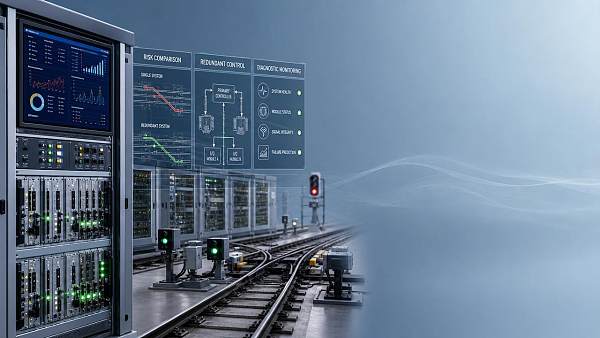
- Redundancy assumptions. Dual or triple architectures improve availability, but poor common-cause analysis can hide shared vulnerabilities.
- Human factors. Automatic recovery tools may reduce workload, yet confusing fallback procedures can slow safe manual intervention.
- Lifecycle drift. Safe design at commissioning can erode through patching, undocumented modifications, or maintenance skill gaps.
The key insight is simple.
Capacity is rarely limited by one processor or one signal.
It is limited by the weakest interaction between logic, field equipment, communication, and operating practice.
Typical Deployment Scenarios and Evaluation Focus
Not every corridor needs the same interlocking strategy.
Application context determines whether capacity gain or resilience should receive greater design weight.
This scenario-based view prevents overengineering.
It also reduces the risk of specifying interlocking systems for high-density rail operations on headline performance alone.
Practical Recommendations for Safer Capacity Expansion
A strong project approach combines safety assurance with operational realism from the beginning.
Several practices consistently improve results.
- Model route conflicts and degraded cases before freezing logic architecture.
- Test common-cause failures across processors, power supply, communication, and software baselines.
- Verify interface behavior during timing delays, message loss, and partial system restarts.
- Treat migration plans as safety documents, not only commissioning schedules.
- Align maintenance competency, spare strategy, and cyber patching with the safety case.
- Measure lifecycle reliability using actual fault data, not laboratory assumptions alone.
For GTOT’s land-sea technology perspective, this reflects a broader engineering truth.
Intelligence is only valuable when control systems remain transparent, auditable, and recoverable under stress.
Next-Step Considerations for Technical Planning
Interlocking systems for high-density rail operations can unlock meaningful capacity without immediate track expansion.
Yet the best outcomes come from disciplined evaluation of safety architecture, interface maturity, and operational fallback design.
A practical next step is to map corridor bottlenecks against interlocking logic limits, route release timing, and degraded-mode performance.
That reveals whether the main barrier is hardware speed, software structure, migration strategy, or maintenance resilience.
In a transport economy that depends on uninterrupted land-sea circulation, better control decisions create value far beyond the signal room.
Recommended News
 Aug 29, 2026What to verify before choosing a railway interlocking equipment exporterRailway interlocking equipment exporter checklist: verify safety evidence, interfaces, engineering, traceability, export readiness, and long-term support before procurement.
 Aug 15, 2026How to choose railway interlocking equipment for junctionsRailway interlocking equipment for junctions: learn how to choose the right system for safety, capacity, and future expansion with confidence.
 Jul 14, 2026Rail Interlocking Systems: Common Failure Risks and Design ChecksRail interlocking systems face critical risks from route locking, point detection, track vacancy, and interface timing. Learn the key design checks that improve safety and reduce commissioning risk.
 Jul 06, 2026When to Choose a SIL4 Signalling Equipment Integrator Over Multiple VendorsSIL4 signalling equipment integrator or multiple vendors? Learn when unified integration reduces interface risk, speeds safety approval, and protects rail project delivery.
 Jul 01, 2026Electronic Railway Interlocking Systems: Key Failure Risks and Compliance ChecksRailway interlocking systems electronic risks can disrupt safety, uptime, and compliance. Explore key failure points, practical checks, and proven ways to strengthen rail resilience.
 Jun 23, 2026Interlocking Systems: Key Failure Risks and Safety Checks Before DeploymentInterlocking systems: discover key failure risks, interface hazards, and must-do safety checks before deployment to prevent costly incidents and ensure fail-safe performance.
 Jun 19, 2026Interlocking Systems for Railway Safety: Key Standards and Failure RisksInterlocking systems for railway safety: explore key standards, SIL4 expectations, and hidden failure risks to strengthen railway compliance, resilience, and safe operations.
 Jun 10, 2026How Interlocking Systems Reduce Rail Network Failure RiskInterlocking systems reduce rail network failure risk by preventing conflicts, containing faults, and speeding recovery. See how they improve safety, uptime, and operational resilience.
 Jun 05, 2026Railway Control Components: Key Failure Points to AvoidRailway control components fail in different ways across urban, high-speed, freight, and harsh outdoor routes. Discover the key failure points to avoid for safer, more reliable rail operations.
 Jun 03, 2026Railway Signal Control Systems: Common Failure Points and Safety ChecksRailway signal control systems require rigorous safety checks. Discover common failure points, inspection priorities, and practical steps to reduce risk and protect rail operations.
 Jun 02, 2026How to Evaluate Railway Control Components for System ReliabilityRailway control components evaluation guide: assess SIL compliance, interoperability, stress testing, cybersecurity, and lifecycle reliability for safer rail systems.
 May 31, 2026Interlocking Systems Technology Standards: Key Compliance RisksInterlocking systems technology standards expose critical compliance risks in SIL validation, cybersecurity, and traceability—learn how to protect rail safety and approvals.
 May 28, 2026Interlocking Systems for High-Density Rail Operations: What Improves Capacity Safely?Interlocking systems for high-density rail operations: discover how SIL4-safe architectures, redundancy, and automation interfaces boost rail capacity, resilience, and future readiness.
 May 26, 2026Interlocking Systems for Railway Safety: How to Compare Failure RisksInterlocking systems for railway safety: compare failure risks through design logic, diagnostics, redundancy, and lifecycle factors to make safer, smarter rail decisions.
 May 21, 2026Interlocking Systems Technology Standards: Key Compliance Checks for 2026Interlocking systems technology standards guide 2026 rail compliance checks on safety traceability, software control, cybersecurity, and field integrity. Learn key risks and practical actions.
 May 20, 2026Interlocking Systems for High-Density Rail: Capacity Gains vs Safety TradeoffsInterlocking systems for high-density rail operations: explore how modern architectures boost rail capacity, reduce headways, and manage safety tradeoffs for smarter network planning.
 May 19, 2026Interlocking Systems for Railway Safety: Choosing for Retrofit ProjectsInterlocking systems for railway safety: learn how to choose the best retrofit path with SIL4 assurance, legacy compatibility, lower risk, and future-ready performance.
 May 17, 2026How Computer Interlocking Cuts Rail Signaling Failure RiskInterlocking systems cut rail signaling failure risk by preventing route conflicts, reducing human error, and supporting SIL4 safety—see how computer interlocking boosts reliable, high-density operations.