



Search News
Industry Portal
Popular Tags
Intermodal Transportation Solutions for Global Trade: Cost vs Transit Reliability in 2026
Author
Time
Click Count
In 2026, intermodal transportation solutions for global trade are no longer judged by cost alone. For business evaluators facing volatile freight markets, tighter delivery windows, and higher compliance pressure, the real question is how to balance total landed cost with transit reliability. This article explores the trade-offs shaping rail-sea logistics decisions and what they mean for resilient, data-driven supply chain planning.
Why intermodal transportation solutions for global trade are being re-evaluated in 2026
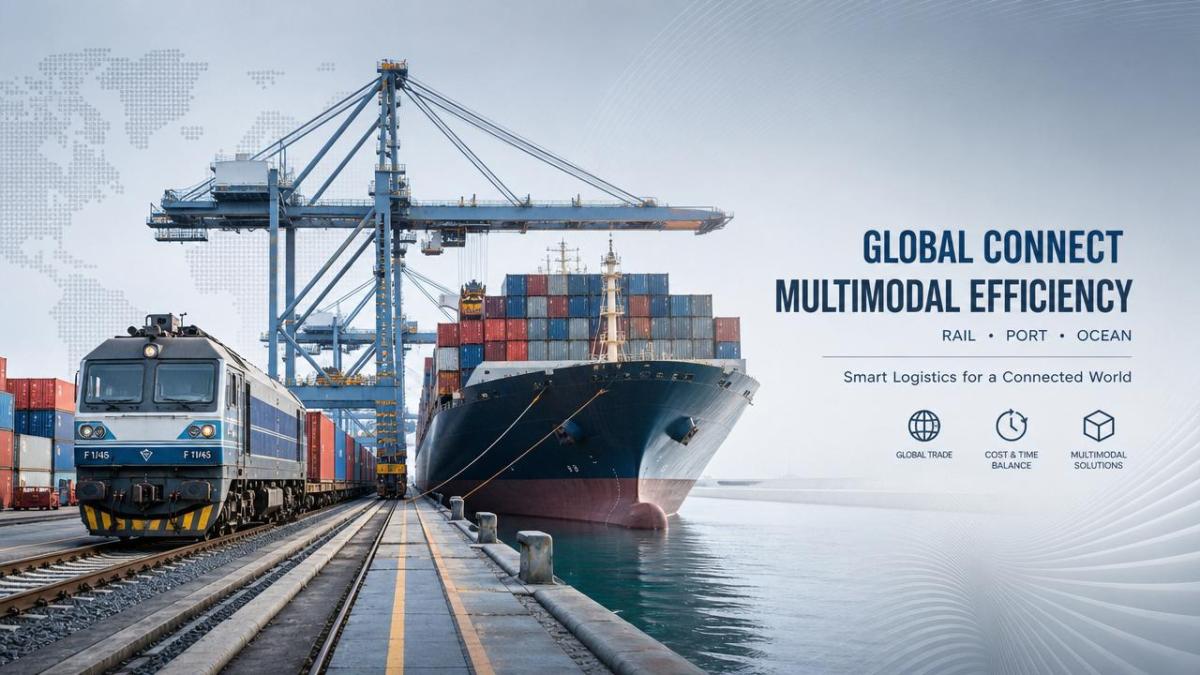
Global transport networks now operate under sharper uncertainty. Fuel shifts, port congestion, rail slot limits, and customs digitization all affect service consistency.
As a result, intermodal transportation solutions for global trade must be assessed through two lenses: measurable cost and dependable transit execution.
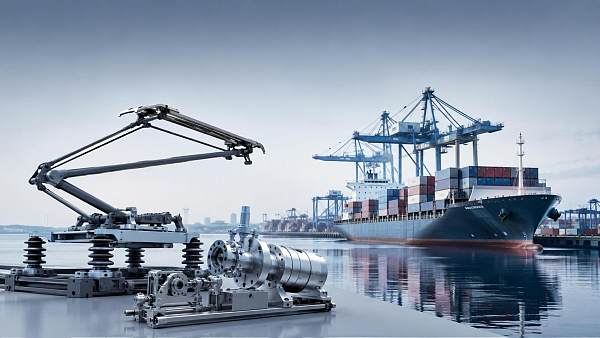
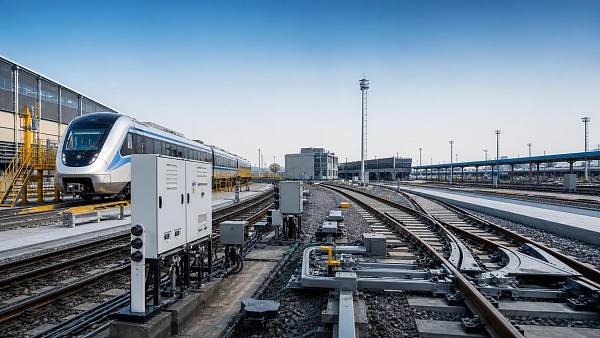
This matters across the broader industrial economy. Rail control systems, traction components, smart vessels, and LNG-linked cargo programs depend on coordinated timing.
A lower freight rate loses value when cargo misses a production window, vessel connection, or regulated delivery milestone. Reliability now has financial weight.
The strongest trend signals behind the new cost versus reliability debate
Several trend signals explain why intermodal transportation solutions for global trade are under closer review in 2026.
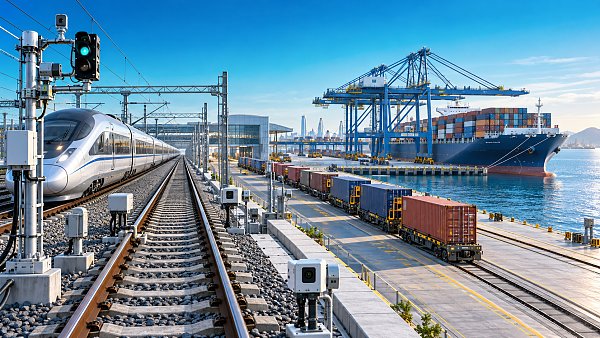
- Rail-sea corridors are expanding, but capacity is uneven across borders, terminals, and inland transfer nodes.
- Ocean carriers use dynamic network adjustments, which improves asset utilization but can reduce schedule predictability.
- Customs, emissions reporting, and cargo visibility standards are becoming stricter and more data-intensive.
- Inventory strategies remain lean, leaving less room for delivery slippage in industrial and energy-linked supply chains.
- Insurance, demurrage, and detention exposure are rising when handoffs between modes are poorly synchronized.
These signals push decision-making beyond simple price comparisons. The best route is often the one with fewer operational surprises, not the lowest quote.
What is driving the shift in intermodal transportation solutions for global trade
The shift comes from structural changes in technology, regulation, infrastructure, and trade behavior. The table below summarizes the main drivers.
This is where intelligence-led platforms like GTOT become relevant. Land-sea integration increasingly depends on technical understanding, not only freight procurement.
How cost and transit reliability should be compared in practical terms
Comparing intermodal options requires a broader framework than headline rates. A route with lower base cost may carry hidden operational penalties.
Cost should include more than transport spend
- Line-haul charges across rail, sea, and drayage
- Terminal handling and transfer fees
- Customs processing and inspection delays
- Inventory carrying cost during transit
- Detention, demurrage, and missed connection exposure
Reliability should be measured, not assumed
- On-time departure and arrival performance
- Average handoff delay between modes
- ETA accuracy over the full corridor
- Exception recovery speed after disruption
- Data visibility across rail, port, and vessel systems
In 2026, strong intermodal transportation solutions for global trade usually combine acceptable cost with stable corridor performance and transparent exception management.
Where the impact is most visible across land-sea supply chain operations
The cost versus reliability balance affects multiple industrial links, especially where timing and technical integrity are closely connected.
Rail-linked equipment programs
Signal control systems, pantographs, and braking components often move through complex project schedules. Delays can disrupt commissioning, testing, and safety certification sequencing.
Smart maritime and vessel technology flows
Smart ship systems depend on synchronized delivery of electronics, control units, and specialized assemblies. Reliability matters because installation windows are narrow.
Energy and cryogenic logistics chains
LNG-related cargoes and supporting equipment face strict technical and compliance requirements. Delayed cargo can affect yard planning, vessel readiness, and contractual timing.
Across these segments, intermodal transportation solutions for global trade shape not only freight outcomes, but also asset utilization and project confidence.
What deserves closer attention when selecting intermodal transportation solutions for global trade
A useful evaluation model should focus on corridor resilience, technical fit, and data quality rather than price alone.
- Node quality: Examine port, terminal, and inland hub congestion history, transfer speed, and labor stability.
- Rail infrastructure maturity: Review signaling standards, slot discipline, maintenance reliability, and cross-border interoperability.
- Vessel network behavior: Check blank sailing exposure, transshipment dependence, and route adjustment frequency.
- Visibility architecture: Prioritize integrated milestone data, exception alerts, and shared ETA logic.
- Compliance readiness: Confirm documentation speed, emissions records, and cargo traceability processes.
- Technical cargo handling: Match route design to sensitive, oversized, or high-value equipment requirements.
These criteria help separate cheap-looking routes from genuinely effective intermodal transportation solutions for global trade.
A practical judgment framework for 2026 planning
The following framework supports clearer trade-off decisions across changing corridors and service models.
This approach makes intermodal transportation solutions for global trade easier to compare on business value, not only transport price.
How to respond with stronger, data-driven next steps
The most effective response in 2026 is not choosing cost over reliability or reliability over cost. It is designing a controlled balance.
- Map total landed cost by corridor, including delay-related costs.
- Track corridor reliability with mode-by-mode milestone data.
- Segment cargo by sensitivity, compliance burden, and schedule criticality.
- Build primary and backup route options for exposed trade lanes.
- Use technical intelligence to assess rail and maritime infrastructure quality.
For sectors tied to advanced rail systems, smart vessels, and LNG logistics, this discipline becomes a competitive advantage.
The future of intermodal transportation solutions for global trade belongs to organizations that connect freight economics with operational intelligence.
GTOT’s land-sea perspective helps interpret those signals, from rail signaling density to smart shipping behavior and strategic corridor resilience.
If 2026 planning is underway, the next step is clear: evaluate each corridor through cost, reliability, technical fit, and visibility together.
That is how intermodal transportation solutions for global trade turn from a transport choice into a stronger global trade strategy.
Recommended News
 Sep 29, 2026What drives traction systems price differences between rail projects?Traction systems price differences explained: compare duty cycles, voltage compatibility, integration, localization, and lifecycle costs for smarter rail procurement.
 Sep 26, 2026What to assess before selecting an electric traction system manufacturerChoose an electric traction system manufacturer with confidence. Explore key criteria for performance, reliability, safety, integration, energy efficiency, and lifecycle support.
 Sep 25, 2026When do full digitalization systems justify the investment?Full digitalization systems: discover when rail and maritime operators can turn connected data into safer operations, higher availability, and measurable ROI.
 Sep 23, 2026What drives automatic train control systems cost on rail projects?Automatic train control systems cost depends on integration, migration, safety testing, communications, and lifecycle support. Explore the key budget drivers for rail projects.
 Sep 21, 2026How to assess an ocean going vessel builder’s delivery riskAssess an ocean going vessel builder’s delivery risk with proven checks for schedules, capacity, design maturity, critical equipment, quality, and project controls.
 Sep 20, 2026What drives rail safety technology costs over a project lifecycle?Rail safety technology cost goes beyond equipment—explore lifecycle drivers from integration and safety assurance to cybersecurity, commissioning, and obsolescence.
 Sep 16, 2026What to verify before choosing an advanced ocean-going vessels supplierAdvanced ocean-going vessels supplier checklist: verify design authority, build quality, digital systems, delivery reliability, and lifecycle support before you buy.
 Sep 15, 2026What rail safety technology best reduces level-crossing risks in Southeast Asia?Rail safety technology Southeast Asia: discover how fail-safe signalling, barriers, obstacle detection and remote monitoring reduce level-crossing risks.
 Sep 14, 2026How exporters can reduce customs delays in global trade logisticsGlobal trade logistics for exporters: reduce customs delays with accurate data, clearance-ready documents, early filing, and proactive exception management.
 Sep 13, 2026When do global transportation network systems reduce delivery delays?Global transportation network systems reduce delivery delays by improving rail-port-vessel coordination, real-time visibility, and proactive decisions across complex land-sea supply chains.
 Sep 09, 2026When should you choose a rail and maritime manufacturer with dual-sector capability?Rail and maritime manufacturer guide: learn when dual-sector capability reduces integration risk, improves lifecycle support, and strengthens rail-to-port operations.
 Sep 08, 2026What to verify before selecting a railway signalling equipment supplierRailway signalling equipment supplier checklist: verify safety evidence, integration, cybersecurity, delivery capability, and lifecycle support before award.
 Sep 07, 2026How to size a traction power transformer for railway load demandTraction power transformer sizing guide: model railway load demand, peak duty, voltage regulation, harmonics, and contingency capacity for reliable service.
 Sep 07, 2026How do customization options for industrial connectors affect lead times?Customization options for industrial connectors can impact lead times, cost, and compliance. Learn how to specify smarter for rail and marine projects.
 Sep 05, 2026What information should an industrial sourcing guide include?Industrial sourcing information procurement guide: evaluate suppliers, compliance, lifecycle costs, interfaces, and lead times for smarter rail and maritime purchasing decisions.
 Sep 01, 2026How to find reliable maritime tender information before biddingMaritime tender information: learn how to verify sources, define bid-ready scopes, check qualifications, and reduce risk before submitting competitive marine bids.
 Aug 30, 2026How to select railway automation equipment for depots with phased upgradesRailway automation equipment for depots: learn how to plan phased upgrades that improve safety, throughput, integration, and lifecycle control.
 Aug 27, 2026How industrial sourcing intelligence pricing data supports budget approvalIndustrial sourcing intelligence pricing data helps teams benchmark scope, assess supplier risk, and build defensible budget approvals for complex rail and maritime assets.
 Aug 26, 2026When does a marine fuel efficiency solution make financial sense in the Middle East?Marine fuel efficiency solution Middle East: learn when retrofit savings, compliance value, and vessel data align to deliver credible ROI and smarter shipping investment decisions.
 Aug 24, 2026When does maritime automation for tankers deliver a real payback?Maritime automation for tankers delivers real payback when it cuts fuel use, reduces cargo risk, and improves uptime. See how owners can time investment for stronger ROI.
 Aug 23, 2026When do maritime logistics systems in the Middle East justify the costMaritime logistics systems Middle East: discover when rising delays, manual coordination, and poor visibility make system investment the smarter move for regional operators.
 Aug 22, 2026What drives vessel navigation system price for commercial fleetsVessel navigation system price depends on integration, compliance, automation, and support—not just hardware. Learn what drives fleet costs and compare quotes with confidence.
 Aug 21, 2026How to assess shipbuilding maritime tenders before biddingShipbuilding maritime tenders require more than price checks. Learn how to assess technical scope, compliance, supply chain, and commercial risk before bidding with confidence.
 Aug 20, 2026When does working with an ocean-going vessels distributor reduce supply risk?Ocean-going vessels distributor: learn when this partner cuts supply risk through stronger compliance, faster response, and better sourcing resilience in complex maritime procurement.