



Search News
Industry Portal
Popular Tags
EPC Contractors for Transportation Infrastructure: Key Risk Checks
Author
Time
Click Count
Selecting EPC contractors for transportation infrastructure is never just about price or delivery speed. It is about safety, compliance, integration, and lifecycle reliability across rail, port, and maritime-connected assets.
In today’s transport environment, projects are more digital, more regulated, and more interconnected. A missed risk check can trigger redesigns, certification delays, interface disputes, and long-term performance losses.
That is why risk screening has become a strategic discipline. For complex land-sea infrastructure, strong evaluation of EPC contractors for transportation infrastructure improves delivery confidence and protects asset value.
Why transport EPC risk checks are becoming more critical
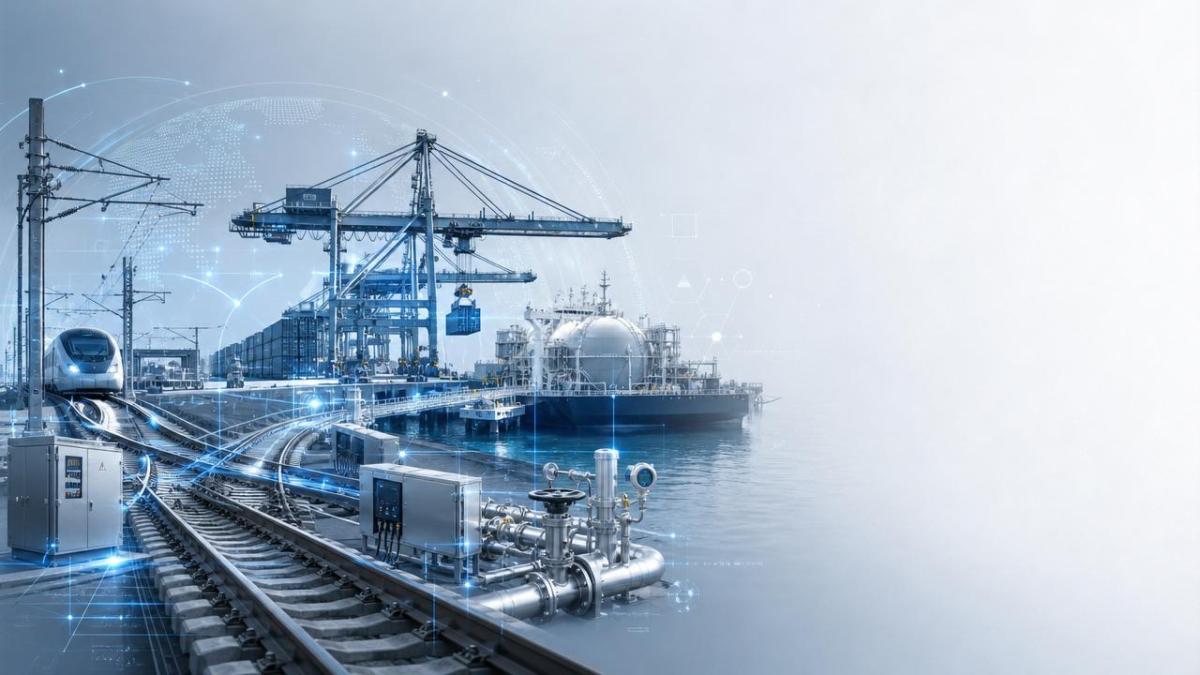
Transportation projects now combine civil works, electrical systems, automation, communications, safety logic, and energy efficiency targets. The contractor must coordinate these layers without creating interface blind spots.
This challenge is sharper in rail signalling, traction power, braking systems, smart ports, container terminals, and LNG-linked marine infrastructure. One technical weakness can spread across the whole operating chain.
For that reason, EPC contractors for transportation infrastructure are now assessed not only on construction capability, but also on engineering governance, digital readiness, and cross-system accountability.
The strongest trend signals now shaping contractor selection
Several signals explain why owner expectations have shifted. Transport assets are under pressure to deliver higher safety, lower emissions, and stronger resilience under tighter schedules.
- Digital systems now influence asset safety and operations from day one.
- Interoperability standards are becoming stricter across suppliers and regions.
- Shipping, rail, and port projects increasingly share supply-chain dependencies.
- Decarbonization goals raise technical demands on power, propulsion, and control.
- Financiers and insurers want clearer evidence of risk governance.
These signals especially affect projects involving advanced rail control components, high-speed traction systems, smart container shipping interfaces, and cryogenic vessel-related infrastructure.
What is driving this shift in EPC oversight
The following table shows why risk review for EPC contractors for transportation infrastructure has moved from a procurement formality to a strategic control tool.
The key risk checks that separate capable EPC contractors
When reviewing EPC contractors for transportation infrastructure, the most useful checks focus on execution truth, not only proposal language. Strong bids must stand up to technical and operational stress.
1. Interface ownership is clearly mapped
The contractor should define every boundary between systems, suppliers, and subcontractors. Rail control, braking, traction, terminal automation, and marine utility links need formal interface matrices.
2. Compliance pathways are proven, not assumed
Check whether standards, testing steps, certification bodies, and safety documentation are already identified. SIL-related processes, marine class requirements, and commissioning records must be traceable.
3. Supply-chain resilience is visible
Critical transport projects often depend on specialized electronics, braking materials, signalling hardware, cryogenic systems, or vessel equipment. Review alternative sourcing, stock strategy, and lead-time mitigation.
4. Integration testing is scheduled early
Reliable EPC contractors for transportation infrastructure do not postpone system integration to final commissioning. They define FAT, SAT, simulation, and staged validation before field pressure increases.
5. Lifecycle service capability is realistic
Transport assets must run for decades. Spare parts logic, data support, maintenance knowledge transfer, and performance monitoring should be part of the risk review.
How these risks affect major transport business segments
The impact of weak contractor controls differs by segment, but the pattern is consistent: technical ambiguity becomes commercial risk, then becomes operational disruption.
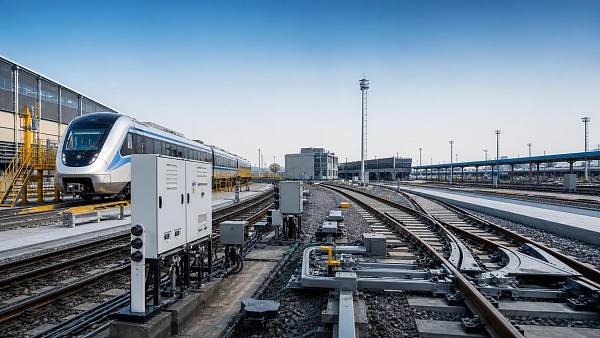
- Railway signalling systems: unclear software validation can delay safety acceptance and limit route availability.
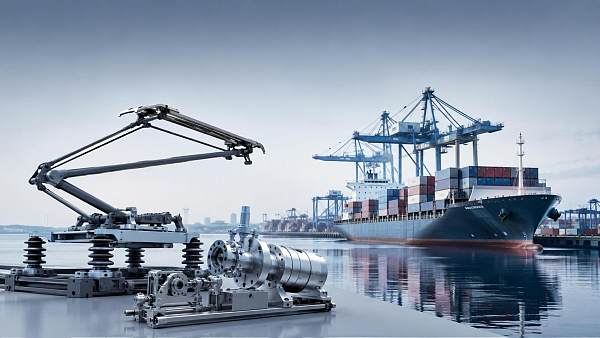
- Pantographs and traction systems: poor interface control may reduce stable power collection at high speed.
- Braking systems: weak testing evidence can create reliability concerns under real load conditions.
- Smart container ports and ships: data integration gaps weaken route optimization and shore-vessel coordination.
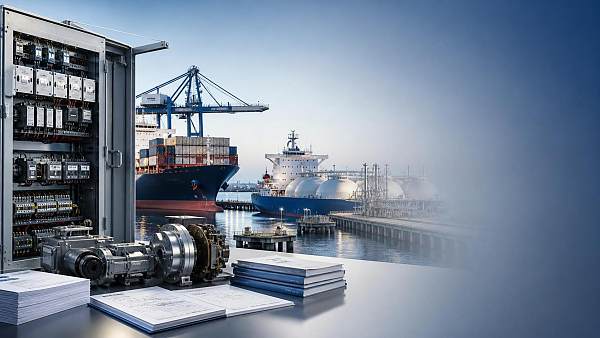
- LNG marine infrastructure: errors in cryogenic design or containment support can create severe compliance and safety exposure.
This is why intelligence-led review matters. In sectors where rail and maritime performance define supply-chain efficiency, contractor weakness can affect far more than one site.
The practical checks worth prioritizing before award
A focused checklist helps compare EPC contractors for transportation infrastructure on real execution risk. These points are especially useful in high-value or technology-dense transport packages.
- Review previous projects with similar operating conditions, not only similar budget size.
- Confirm named engineering leads for safety, systems integration, and commissioning.
- Assess subcontractor dependency and decision rights during design changes.
- Verify digital documentation control and revision governance.
- Request contingency logic for long-lead components and testing delays.
- Examine warranty terms against actual failure modes and response timing.
A stronger decision model for the next project cycle
The most effective approach is to combine technical diligence with market intelligence. Evaluation should reflect both current project needs and evolving transport system demands.
This method helps move decisions beyond headline cost. It also improves confidence when comparing multiple EPC contractors for transportation infrastructure across different technology scopes.
What to watch next as transport projects become more connected
Future selection models will likely place greater weight on cyber-physical safety, interoperable data layers, emissions accountability, and service continuity across land-sea logistics networks.
This favors EPC contractors for transportation infrastructure that can demonstrate engineering depth, not just contracting scale. In high-speed rail and advanced shipping, integration competence is becoming a competitive threshold.
For projects linked to rail control systems, smart vessels, braking technologies, traction power, or LNG marine assets, the next step is clear: build a risk-based evaluation framework before tender momentum limits choice.
Using sector intelligence from platforms such as GTOT can sharpen that framework. Better signals lead to better checks, and better checks lead to safer, stronger transport infrastructure outcomes.
Recommended News
 Sep 29, 2026What drives traction systems price differences between rail projects?Traction systems price differences explained: compare duty cycles, voltage compatibility, integration, localization, and lifecycle costs for smarter rail procurement.
 Sep 26, 2026What to assess before selecting an electric traction system manufacturerChoose an electric traction system manufacturer with confidence. Explore key criteria for performance, reliability, safety, integration, energy efficiency, and lifecycle support.
 Sep 25, 2026When do full digitalization systems justify the investment?Full digitalization systems: discover when rail and maritime operators can turn connected data into safer operations, higher availability, and measurable ROI.
 Sep 23, 2026What drives automatic train control systems cost on rail projects?Automatic train control systems cost depends on integration, migration, safety testing, communications, and lifecycle support. Explore the key budget drivers for rail projects.
 Sep 21, 2026How to assess an ocean going vessel builder’s delivery riskAssess an ocean going vessel builder’s delivery risk with proven checks for schedules, capacity, design maturity, critical equipment, quality, and project controls.
 Sep 20, 2026What drives rail safety technology costs over a project lifecycle?Rail safety technology cost goes beyond equipment—explore lifecycle drivers from integration and safety assurance to cybersecurity, commissioning, and obsolescence.
 Sep 16, 2026What to verify before choosing an advanced ocean-going vessels supplierAdvanced ocean-going vessels supplier checklist: verify design authority, build quality, digital systems, delivery reliability, and lifecycle support before you buy.
 Sep 15, 2026What rail safety technology best reduces level-crossing risks in Southeast Asia?Rail safety technology Southeast Asia: discover how fail-safe signalling, barriers, obstacle detection and remote monitoring reduce level-crossing risks.
 Sep 14, 2026How exporters can reduce customs delays in global trade logisticsGlobal trade logistics for exporters: reduce customs delays with accurate data, clearance-ready documents, early filing, and proactive exception management.
 Sep 13, 2026When do global transportation network systems reduce delivery delays?Global transportation network systems reduce delivery delays by improving rail-port-vessel coordination, real-time visibility, and proactive decisions across complex land-sea supply chains.
 Sep 09, 2026When should you choose a rail and maritime manufacturer with dual-sector capability?Rail and maritime manufacturer guide: learn when dual-sector capability reduces integration risk, improves lifecycle support, and strengthens rail-to-port operations.
 Sep 08, 2026What to verify before selecting a railway signalling equipment supplierRailway signalling equipment supplier checklist: verify safety evidence, integration, cybersecurity, delivery capability, and lifecycle support before award.
 Sep 07, 2026How to size a traction power transformer for railway load demandTraction power transformer sizing guide: model railway load demand, peak duty, voltage regulation, harmonics, and contingency capacity for reliable service.
 Sep 07, 2026How do customization options for industrial connectors affect lead times?Customization options for industrial connectors can impact lead times, cost, and compliance. Learn how to specify smarter for rail and marine projects.
 Sep 05, 2026What information should an industrial sourcing guide include?Industrial sourcing information procurement guide: evaluate suppliers, compliance, lifecycle costs, interfaces, and lead times for smarter rail and maritime purchasing decisions.
 Sep 01, 2026How to find reliable maritime tender information before biddingMaritime tender information: learn how to verify sources, define bid-ready scopes, check qualifications, and reduce risk before submitting competitive marine bids.
 Aug 30, 2026How to select railway automation equipment for depots with phased upgradesRailway automation equipment for depots: learn how to plan phased upgrades that improve safety, throughput, integration, and lifecycle control.
 Aug 27, 2026How industrial sourcing intelligence pricing data supports budget approvalIndustrial sourcing intelligence pricing data helps teams benchmark scope, assess supplier risk, and build defensible budget approvals for complex rail and maritime assets.
 Aug 26, 2026When does a marine fuel efficiency solution make financial sense in the Middle East?Marine fuel efficiency solution Middle East: learn when retrofit savings, compliance value, and vessel data align to deliver credible ROI and smarter shipping investment decisions.
 Aug 24, 2026When does maritime automation for tankers deliver a real payback?Maritime automation for tankers delivers real payback when it cuts fuel use, reduces cargo risk, and improves uptime. See how owners can time investment for stronger ROI.
 Aug 23, 2026When do maritime logistics systems in the Middle East justify the costMaritime logistics systems Middle East: discover when rising delays, manual coordination, and poor visibility make system investment the smarter move for regional operators.
 Aug 22, 2026What drives vessel navigation system price for commercial fleetsVessel navigation system price depends on integration, compliance, automation, and support—not just hardware. Learn what drives fleet costs and compare quotes with confidence.
 Aug 21, 2026How to assess shipbuilding maritime tenders before biddingShipbuilding maritime tenders require more than price checks. Learn how to assess technical scope, compliance, supply chain, and commercial risk before bidding with confidence.
 Aug 20, 2026When does working with an ocean-going vessels distributor reduce supply risk?Ocean-going vessels distributor: learn when this partner cuts supply risk through stronger compliance, faster response, and better sourcing resilience in complex maritime procurement.