



Search News
Industry Portal
Popular Tags
Decarbonization in Maritime Logistics: Cost Shifts to Watch
Author
Time
Click Count
Decarbonization in maritime logistics is rapidly reshaping cost structures across global shipping, from fuel selection and vessel upgrades to compliance, port operations, and digital optimization. For business decision-makers, understanding where these cost shifts emerge is essential to balancing sustainability targets with operational resilience, procurement strategy, and long-term competitiveness in an increasingly regulated trade environment.
For operators, cargo owners, EPC contractors, ship managers, and technology investors, the issue is no longer whether low-carbon shipping will affect budgets. The real question is how quickly costs will move from optional capital planning into mandatory operating reality over the next 3 to 7 years.
That matters across the wider land-sea transport chain. At GTOT, where smart container ships, LNG carriers, and strategic transport intelligence intersect with railway control and supply chain efficiency, decarbonization in maritime logistics is best viewed as a system-level cost transition rather than a single-fuel debate.
The companies that respond well are not always those spending the most. They are usually the ones mapping cost exposure early, ranking assets by retrofit feasibility, and aligning compliance, energy, and data decisions before market pressure compresses lead times and supplier availability.
Where Decarbonization Costs Are Moving First
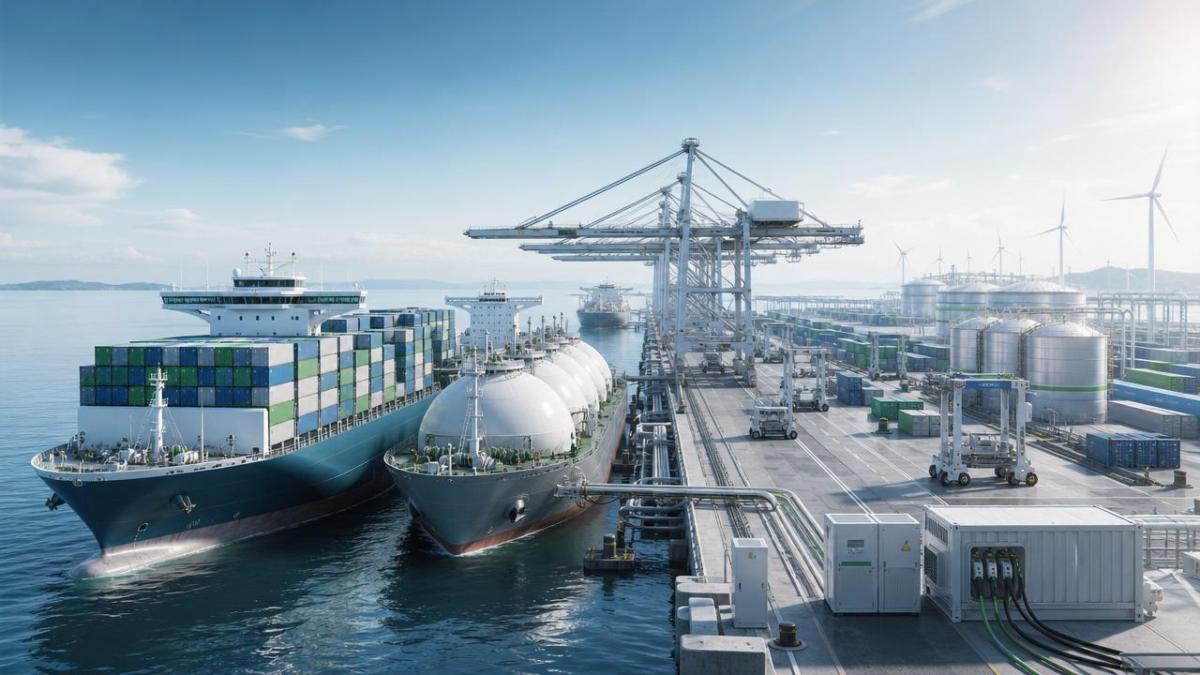
The first cost shifts in decarbonization in maritime logistics are emerging in five linked areas: fuel, vessel hardware, compliance, port interface, and digital control. For most fleets, these do not appear as one-time expenses. They build in layers across dry-dock cycles, charter negotiations, and cargo routing decisions.
A useful starting point is to separate direct cost impact from indirect commercial impact. Direct costs include fuel price spreads, retrofit engineering, and onboard monitoring systems. Indirect costs include lower slot flexibility, slower vessel speeds, emissions reporting workload, and the risk of being priced out of greener cargo contracts.
Fuel Transition Is Changing Voyage Economics
Fuel is the most visible cost variable. Conventional fuel oil, low-sulfur marine fuels, LNG, methanol pathways, and future ammonia-ready strategies each affect capex, tank volume, range, bunkering access, and crew readiness. Even a 5% to 12% fuel cost premium can materially change annual route profitability on high-frequency trade lanes.
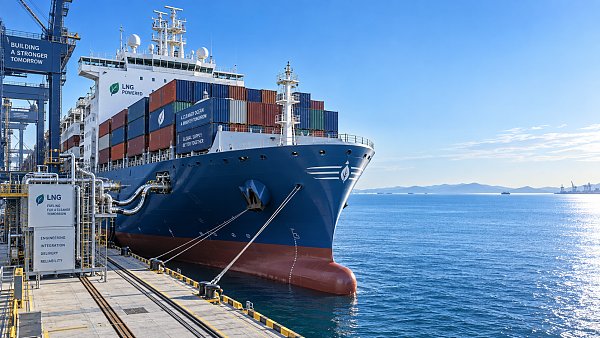
LNG remains a practical bridge option for selected segments, especially for larger tonnage and established bunkering corridors. Yet it also requires cryogenic storage systems, dual-fuel integration, and stricter handling procedures. For many operators, the decision is less about emissions alone and more about total cost per voyage over 5, 10, or 15 years.
Key fuel-side variables decision-makers should test
- Expected fuel spread volatility over 12 to 36 months
- Bunkering availability across 3 to 5 priority ports
- Tank space trade-off versus cargo capacity loss
- Retrofit complexity during the next scheduled dry dock
- Crew training, safety protocol, and maintenance burden
Retrofits Are Becoming a Core Budget Line
Many existing vessels will not be replaced quickly enough to meet tightening decarbonization expectations. That pushes owners toward staged upgrades: energy-saving devices, hull optimization, shaft power monitoring, waste heat recovery, air lubrication, and advanced voyage management platforms. A retrofit package can range from a targeted 2-item upgrade to a multi-system conversion delivered over 6 to 18 months.
The financial challenge is timing. Installing hardware too early may strain cash flow before regulation or customer pricing rewards are clear. Waiting too long can mean higher yard costs, longer booking queues, and reduced access to specialized components, especially for propulsion, control software, and cryogenic equipment.
The table below highlights where cost pressure commonly appears first when companies evaluate decarbonization in maritime logistics across vessel operations.
The main takeaway is that cost exposure does not begin only when a vessel takes on a new fuel. It starts earlier, with design choices, monitoring systems, and compliance workflows that shape every future investment option.
Compliance Is Shifting from Reporting Cost to Strategic Cost
Carbon-related regulation is increasingly influencing commercial behavior. Monitoring, verification, vessel ratings, and market-based carbon charges are moving from technical departments into board-level planning. Even when the administrative cost appears modest, the downstream effect on charter preference, financing terms, and asset valuation can be significant.
For example, a vessel with weaker emissions performance may face 3 layers of disadvantage at once: higher operating cost, lower charter attractiveness, and greater retrofit urgency. In practical terms, that can compress negotiation power within one to two contract cycles.
How Smart Shipping Technology Changes the Cost Curve
Decarbonization in maritime logistics is not only a fuel and hardware question. It is also a data question. Smart container ships and digitally managed fleets can reduce waste through routing logic, engine optimization, weather integration, cargo stowage balance, and port-call coordination. In many cases, software-supported efficiency gains arrive faster than major mechanical changes.
This is where transport intelligence matters. A 1% to 3% fuel reduction from voyage optimization may sound small, but over dozens of annual sailings it can offset software, sensors, and integration costs more quickly than some physical retrofits. The best results usually come from combining operational analytics with a realistic fuel roadmap rather than treating digital tools as standalone purchases.
Four Technology Levers with Measurable Value
- Route optimization using weather, currents, and berth timing data
- Engine and propulsion performance monitoring with threshold alerts
- Hull and fouling analytics tied to maintenance scheduling
- Ship-to-shore data exchange for reduced idle time and port delay
Each lever has a different payback period. Voyage optimization can begin within 4 to 12 weeks after deployment. Propulsion and maintenance analytics often show value over 2 to 4 quarters. Port integration benefits depend heavily on whether terminals, agents, and cargo systems share synchronized planning data.
Why digital investment needs cross-functional ownership
Many projects underperform because procurement, marine operations, IT, and sustainability teams evaluate them separately. A digital platform may look expensive if judged only by software cost, yet highly attractive if measured against avoided fuel burn, lower waiting time, improved compliance records, and stronger customer retention.
For GTOT’s audience, this systems view is especially relevant. Maritime decarbonization increasingly overlaps with broader transport network performance. Smarter land-sea coordination, terminal timing accuracy, and vessel energy intelligence all contribute to lower carbon intensity per cargo movement.
The following comparison shows how common decarbonization measures differ in cost profile, implementation speed, and decision complexity.
The table shows why no single option defines the full decarbonization strategy. Companies typically combine at least 2 or 3 measures to balance immediate efficiency gains with long-term asset positioning.
Procurement, Financing, and Supplier Strategy Under Carbon Pressure
As decarbonization in maritime logistics accelerates, procurement teams are being asked to evaluate not only price and delivery, but also future compliance relevance. A lower upfront quote may become a higher lifecycle cost if the equipment lacks upgrade compatibility, data transparency, or fuel flexibility.
This is particularly important for specialized systems linked to smart ships and LNG carriers. Control architecture, monitoring interfaces, cryogenic handling equipment, and energy-efficiency components must be assessed for interoperability over asset lives that can exceed 20 years.
Five Procurement Filters for Decision-Makers
- Compatibility with future fuels, monitoring systems, and reporting standards
- Expected maintenance interval and spare-parts accessibility over 5 to 10 years
- Retrofit complexity, yard time, and commissioning risk
- Supplier engineering support during installation and post-delivery tuning
- Ability to integrate shipboard data with shore-based planning systems
Lead times are another hidden cost driver. When demand increases for dual-fuel components, automation packages, or port interface hardware, procurement windows can stretch from 8 weeks to 24 weeks or more. Delayed equipment delivery may push a vessel beyond its planned dry-dock slot, multiplying off-hire and scheduling losses.
Financing is becoming more selective
Lenders, insurers, and charterers are all paying closer attention to carbon transition readiness. Assets with a clearer efficiency roadmap may gain better commercial resilience, while technically outdated vessels can face weaker refinancing conditions. That does not mean every operator needs a newbuild program, but it does mean every fleet needs a documented transition pathway.
For business leaders, the practical response is to build investment cases around scenarios rather than single assumptions. Test fuel prices at 3 levels, estimate compliance cost under 2 regulatory intensities, and compare retrofit payback under both high-utilization and moderate-utilization conditions.
Common Decision Mistakes and a More Practical Roadmap
A common mistake is treating decarbonization in maritime logistics as a branding project instead of an operating model shift. Sustainability claims without fleet segmentation, cost mapping, and implementation milestones usually create internal friction rather than performance improvement.
Another mistake is waiting for one “perfect” fuel winner. In reality, most operators need a portfolio mindset. Some routes favor LNG in the medium term. Others may prioritize efficiency retrofits and digital optimization first. The right answer depends on vessel age, trade lane stability, port network, cargo contract length, and balance sheet tolerance.
A 3-stage roadmap for execution
Stage 1: Exposure mapping
Within 30 to 60 days, classify vessels by age, fuel profile, efficiency gap, and regulatory exposure. Identify the top 20% of assets generating the highest carbon-related cost risk or the strongest opportunity for efficiency gain.
Stage 2: Option ranking
Over the next 60 to 90 days, compare digital measures, retrofit packages, fuel pathway options, and port coordination upgrades. Use 4 filters: capex, implementation speed, emissions impact, and operational disruption.
Stage 3: Integrated rollout
Deploy the first wave in sync with dry-dock schedules, procurement windows, and customer commitments. Most organizations benefit from a phased 12 to 24 month plan rather than a full-fleet leap, especially when supply chain constraints remain volatile.
FAQ for enterprise decision-makers
Is decarbonization only relevant to large ocean carriers?
No. Smaller operators, feeder networks, and asset owners also face cost changes through charter pressure, port requirements, and customer reporting expectations. The scale differs, but the commercial direction is the same.
Should companies prioritize newbuilds or retrofits?
It depends on fleet age and capital structure. Vessels with 8 to 12 years of remaining economic life may justify targeted retrofits. Older units on uncertain trades often require stricter investment discipline.
Can digital optimization materially reduce emissions without major hardware change?
Yes, especially when routing, speed, port timing, and maintenance data are integrated. Digital gains may not replace structural fuel transition, but they often improve economics earlier and with lower implementation risk.
For enterprises navigating land-sea transport transformation, the most important insight is simple: decarbonization in maritime logistics is changing cost structure now, not someday. Fuel choice, retrofit timing, compliance design, smart vessel systems, and supplier strategy all influence profitability, asset value, and market access.
GTOT follows these shifts through the lens of smart ships, LNG carrier engineering, and intercontinental transport intelligence, helping decision-makers connect technical choices with commercial outcomes. If your team is evaluating vessel upgrades, digital optimization, or long-term maritime transition strategy, contact us to get a tailored solution, discuss equipment pathways, or explore more practical decarbonization options.
Recommended News
 Sep 29, 2026What drives traction systems price differences between rail projects?Traction systems price differences explained: compare duty cycles, voltage compatibility, integration, localization, and lifecycle costs for smarter rail procurement.
 Sep 26, 2026What to assess before selecting an electric traction system manufacturerChoose an electric traction system manufacturer with confidence. Explore key criteria for performance, reliability, safety, integration, energy efficiency, and lifecycle support.
 Sep 25, 2026When do full digitalization systems justify the investment?Full digitalization systems: discover when rail and maritime operators can turn connected data into safer operations, higher availability, and measurable ROI.
 Sep 23, 2026What drives automatic train control systems cost on rail projects?Automatic train control systems cost depends on integration, migration, safety testing, communications, and lifecycle support. Explore the key budget drivers for rail projects.
 Sep 21, 2026How to assess an ocean going vessel builder’s delivery riskAssess an ocean going vessel builder’s delivery risk with proven checks for schedules, capacity, design maturity, critical equipment, quality, and project controls.
 Sep 20, 2026What drives rail safety technology costs over a project lifecycle?Rail safety technology cost goes beyond equipment—explore lifecycle drivers from integration and safety assurance to cybersecurity, commissioning, and obsolescence.
 Sep 16, 2026What to verify before choosing an advanced ocean-going vessels supplierAdvanced ocean-going vessels supplier checklist: verify design authority, build quality, digital systems, delivery reliability, and lifecycle support before you buy.
 Sep 15, 2026What rail safety technology best reduces level-crossing risks in Southeast Asia?Rail safety technology Southeast Asia: discover how fail-safe signalling, barriers, obstacle detection and remote monitoring reduce level-crossing risks.
 Sep 14, 2026How exporters can reduce customs delays in global trade logisticsGlobal trade logistics for exporters: reduce customs delays with accurate data, clearance-ready documents, early filing, and proactive exception management.
 Sep 13, 2026When do global transportation network systems reduce delivery delays?Global transportation network systems reduce delivery delays by improving rail-port-vessel coordination, real-time visibility, and proactive decisions across complex land-sea supply chains.
 Sep 09, 2026When should you choose a rail and maritime manufacturer with dual-sector capability?Rail and maritime manufacturer guide: learn when dual-sector capability reduces integration risk, improves lifecycle support, and strengthens rail-to-port operations.
 Sep 08, 2026What to verify before selecting a railway signalling equipment supplierRailway signalling equipment supplier checklist: verify safety evidence, integration, cybersecurity, delivery capability, and lifecycle support before award.
 Sep 07, 2026How to size a traction power transformer for railway load demandTraction power transformer sizing guide: model railway load demand, peak duty, voltage regulation, harmonics, and contingency capacity for reliable service.
 Sep 07, 2026How do customization options for industrial connectors affect lead times?Customization options for industrial connectors can impact lead times, cost, and compliance. Learn how to specify smarter for rail and marine projects.
 Sep 05, 2026What information should an industrial sourcing guide include?Industrial sourcing information procurement guide: evaluate suppliers, compliance, lifecycle costs, interfaces, and lead times for smarter rail and maritime purchasing decisions.
 Sep 01, 2026How to find reliable maritime tender information before biddingMaritime tender information: learn how to verify sources, define bid-ready scopes, check qualifications, and reduce risk before submitting competitive marine bids.
 Aug 30, 2026How to select railway automation equipment for depots with phased upgradesRailway automation equipment for depots: learn how to plan phased upgrades that improve safety, throughput, integration, and lifecycle control.
 Aug 27, 2026How industrial sourcing intelligence pricing data supports budget approvalIndustrial sourcing intelligence pricing data helps teams benchmark scope, assess supplier risk, and build defensible budget approvals for complex rail and maritime assets.
 Aug 26, 2026When does a marine fuel efficiency solution make financial sense in the Middle East?Marine fuel efficiency solution Middle East: learn when retrofit savings, compliance value, and vessel data align to deliver credible ROI and smarter shipping investment decisions.
 Aug 24, 2026When does maritime automation for tankers deliver a real payback?Maritime automation for tankers delivers real payback when it cuts fuel use, reduces cargo risk, and improves uptime. See how owners can time investment for stronger ROI.
 Aug 23, 2026When do maritime logistics systems in the Middle East justify the costMaritime logistics systems Middle East: discover when rising delays, manual coordination, and poor visibility make system investment the smarter move for regional operators.
 Aug 22, 2026What drives vessel navigation system price for commercial fleetsVessel navigation system price depends on integration, compliance, automation, and support—not just hardware. Learn what drives fleet costs and compare quotes with confidence.
 Aug 21, 2026How to assess shipbuilding maritime tenders before biddingShipbuilding maritime tenders require more than price checks. Learn how to assess technical scope, compliance, supply chain, and commercial risk before bidding with confidence.
 Aug 20, 2026When does working with an ocean-going vessels distributor reduce supply risk?Ocean-going vessels distributor: learn when this partner cuts supply risk through stronger compliance, faster response, and better sourcing resilience in complex maritime procurement.