



Search News
Industry Portal
Popular Tags
Intercontinental Operations Risks in Multi-Region Transport Expansion
Author
Time
Click Count
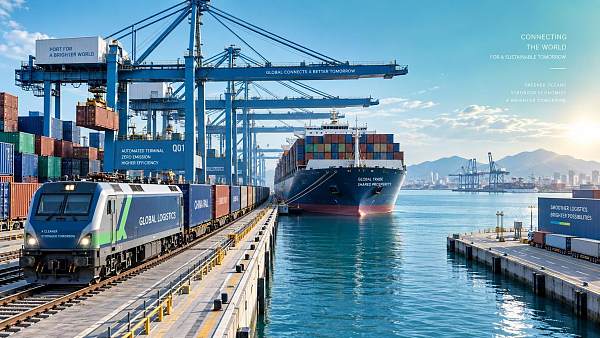
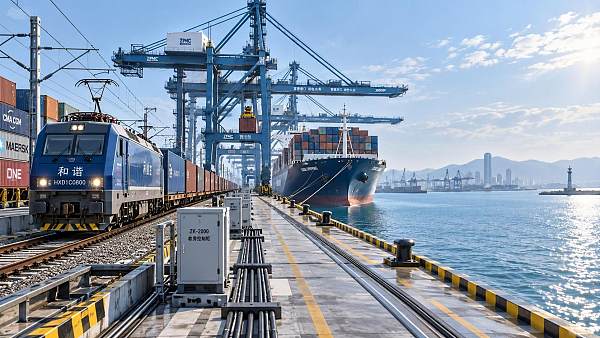
As companies scale intercontinental operations across rail and maritime networks, the biggest risks often appear at operational intersections. Speed, safety, compliance, and coordination now shape resilience and investment quality.
In today’s logistics environment, intercontinental operations are no longer defined only by route length. They are judged by signal integrity, vessel intelligence, braking precision, energy security, and cross-border data visibility.
For sectors linked to rail systems, smart shipping, and strategic infrastructure, risk evaluation must move beyond isolated assets. The real challenge is managing synchronized land-sea continuity under volatile global conditions.
Intercontinental operations are entering a tighter risk cycle
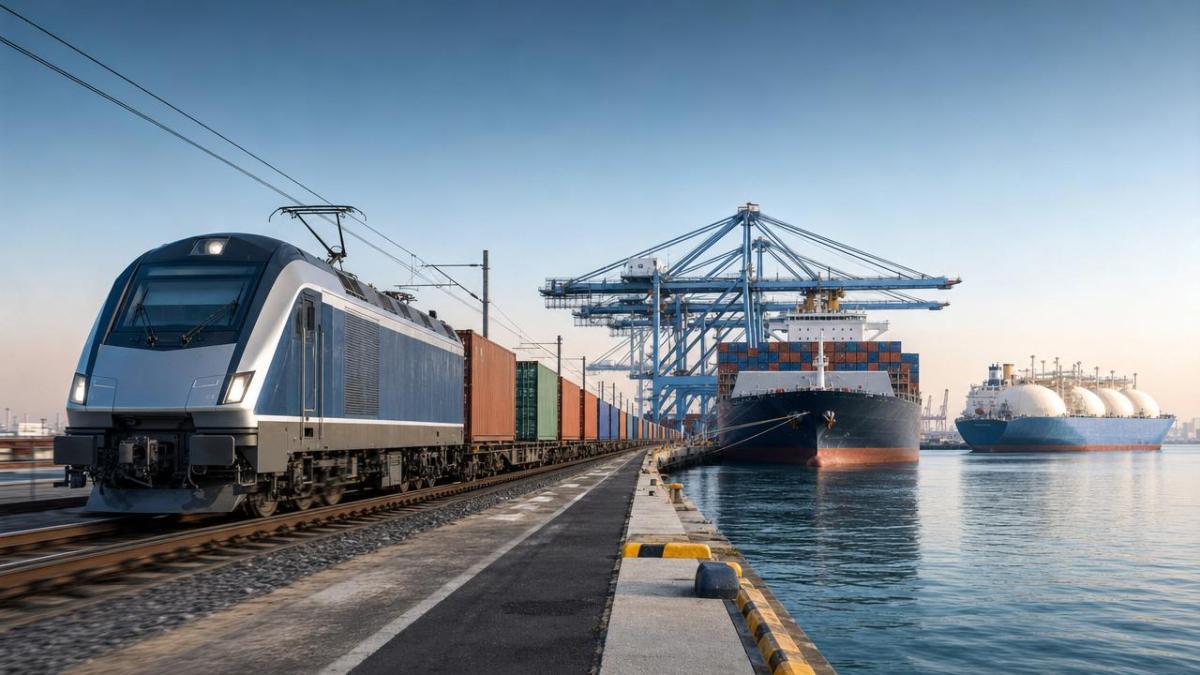
Recent expansion patterns show that intercontinental operations face denser risk concentration than before. Capacity growth across regions has outpaced the maturity of control systems, regulatory alignment, and failure recovery mechanisms.
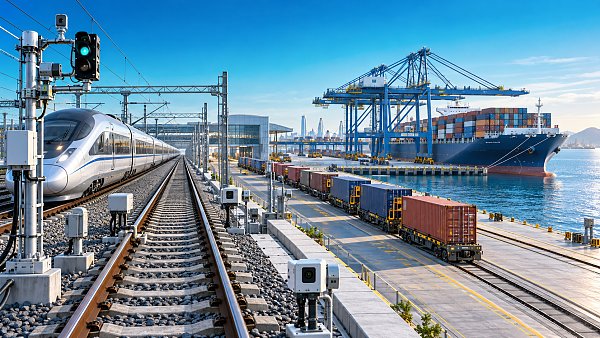
Rail and maritime networks are also becoming more digitally interdependent. A disruption in one node can now affect traction power planning, berth allocation, customs timing, and cargo handover within hours.
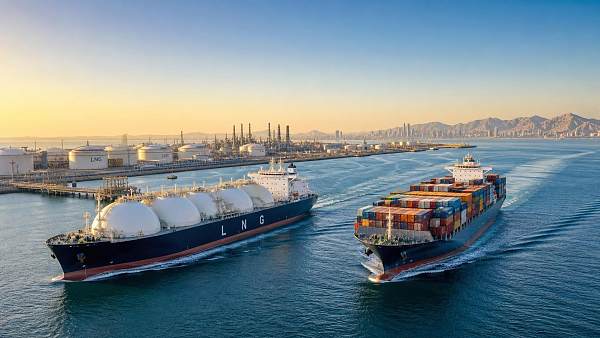
This shift matters because intercontinental operations depend on continuous performance, not isolated excellence. A high-speed train, an LNG carrier, or a smart container ship adds value only when surrounding systems remain stable.
Visible trend signals across multi-region transport
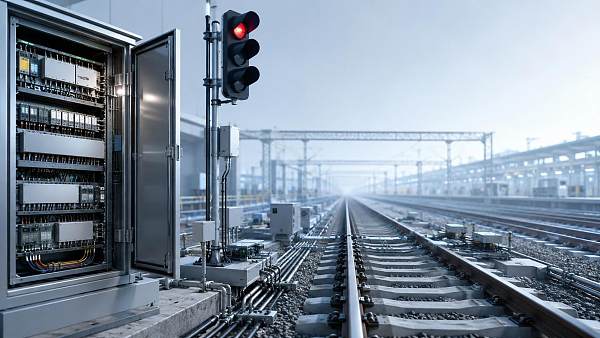
- More cross-border rail corridors require unified signalling assurance and SIL4-level safety consistency.
- Smart vessel deployment increases dependence on real-time route optimization and port-side data exchange.
- LNG transport expansion raises exposure to cryogenic containment, dual-fuel reliability, and geopolitical energy shifts.
- Supply chain timing has become less tolerant of component delays in pantographs, brake systems, and onboard control units.
Why intercontinental operations risks are rising across regions
The current risk build-up is not random. It is driven by structural changes in technology adoption, investment cycles, regulation, and network complexity across land and sea transport.
Technology intensity is raising operational sensitivity
In modern intercontinental operations, advanced assets improve efficiency but narrow the tolerance for error. Smart systems perform better, yet they often depend on cleaner data, stronger maintenance discipline, and faster technical decisions.
A railway signalling issue can reduce corridor throughput. A pantograph instability can affect timetable reliability. A membrane containment concern in LNG shipping can reshape route economics and insurance conditions.
Where the biggest operational impacts are now being felt
The impact of intercontinental operations risks is uneven. Some business links absorb volatility. Others amplify it through technical dependency, contractual exposure, or asset concentration.
Critical transport links under pressure
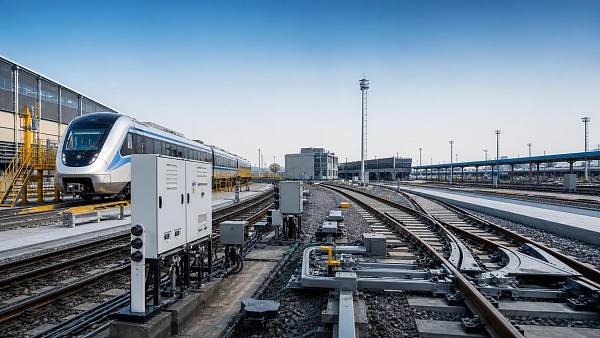
- Rail control systems face pressure from automation expansion, software lifecycle risk, and interface compatibility.
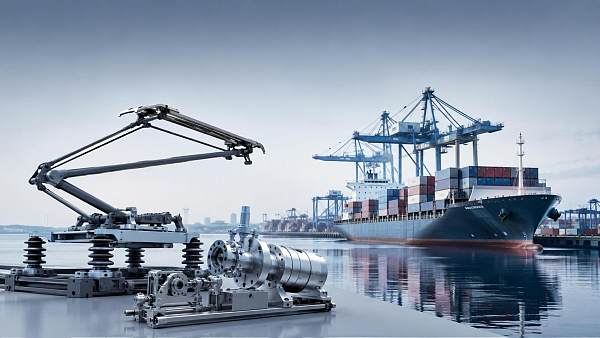
- Pantograph and traction interfaces are exposed to vibration, climate variation, and operating speed escalation.
- Braking systems carry heightened expectations for precision stopping under heavier and faster operating profiles.
- Smart container ships rely on uninterrupted onboard sensing, route algorithms, and ship-to-shore connectivity.
- LNG carriers face strict containment, propulsion, and inspection demands with little tolerance for thermal or structural deviation.
These impacts extend beyond engineering. They affect charter stability, corridor confidence, service-level performance, and the credibility of expansion plans tied to intercontinental operations.
This is why intelligence stitching across rail and maritime domains matters. Observing one asset category alone rarely captures the full transport risk profile.
The risk picture is shifting from isolated failures to system-wide exposure
A defining change in intercontinental operations is the move from equipment-centered risk to network-centered risk. Failures now travel through schedules, software, energy planning, compliance records, and commercial commitments.
For example, a delayed brake subsystem replacement may trigger train rescheduling, port transfer congestion, and downstream vessel loading conflicts. The original defect is technical, but the consequence becomes systemic.
Business areas most affected by system-wide transport risk
- Asset utilization, because downtime in one region weakens returns across multiple linked corridors.
- Capital planning, because sophisticated assets require deeper life-cycle risk modeling.
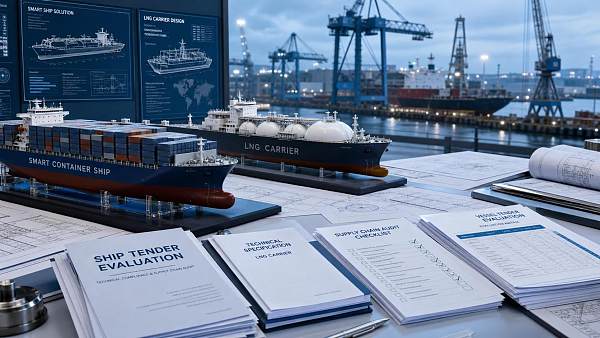
- Tender competitiveness, because technical credibility now depends on documented reliability and compliance traceability.
- Operational continuity, because multi-region handoffs fail when data standards and procedures diverge.
What deserves closer attention in intercontinental operations now
Several priority areas should be monitored closely when evaluating intercontinental operations in rail and maritime expansion scenarios. These factors reveal whether growth is durable or fragile.
- Safety architecture maturity, especially around SIL4 signalling logic, braking control, and emergency redundancy.
- Component supply resilience for specialized systems with limited approved sources.
- Cross-border compliance mapping for emissions, inspections, digital records, and cyber protection.
- Operational data quality between rail corridors, ports, vessels, and inland distribution nodes.
- Stress behavior of mission-critical assets under extreme weather, speed, or cryogenic conditions.
- Lifecycle service readiness, including spare availability, remote diagnostics, and technical response timing.
GTOT’s industry lens is valuable here because intercontinental operations are shaped by technical detail. Signal performance, composite brake fade behavior, LTE-M adoption, and LNG containment stress all influence strategic outcomes.
A practical way to judge expansion resilience across land and sea
A strong response to intercontinental operations risk starts with structured evaluation. The goal is not to remove uncertainty completely. It is to identify where failure probability and business impact converge.
This method supports more realistic timing, better capital discipline, and stronger confidence in expansion pathways. It also helps separate attractive growth stories from technically vulnerable ones.
The next step is disciplined intelligence, not just larger transport scale
Intercontinental operations will continue expanding as rail modernization, smart shipping, and energy transport demand accelerate. Yet scale alone does not create resilience. Integrated intelligence, safety depth, and technical foresight do.
A practical next step is to review expansion assumptions against multi-region transport realities. Focus on interconnected failure points, component bottlenecks, compliance drift, and asset performance under extreme operating conditions.
For organizations following land-sea infrastructure, the strongest position comes from seeing intercontinental operations as a stitched system. That perspective turns fragmented data into clearer judgment and more durable strategic action.
Recommended News
 Sep 29, 2026What drives traction systems price differences between rail projects?Traction systems price differences explained: compare duty cycles, voltage compatibility, integration, localization, and lifecycle costs for smarter rail procurement.
 Sep 26, 2026What to assess before selecting an electric traction system manufacturerChoose an electric traction system manufacturer with confidence. Explore key criteria for performance, reliability, safety, integration, energy efficiency, and lifecycle support.
 Sep 25, 2026When do full digitalization systems justify the investment?Full digitalization systems: discover when rail and maritime operators can turn connected data into safer operations, higher availability, and measurable ROI.
 Sep 23, 2026What drives automatic train control systems cost on rail projects?Automatic train control systems cost depends on integration, migration, safety testing, communications, and lifecycle support. Explore the key budget drivers for rail projects.
 Sep 21, 2026How to assess an ocean going vessel builder’s delivery riskAssess an ocean going vessel builder’s delivery risk with proven checks for schedules, capacity, design maturity, critical equipment, quality, and project controls.
 Sep 20, 2026What drives rail safety technology costs over a project lifecycle?Rail safety technology cost goes beyond equipment—explore lifecycle drivers from integration and safety assurance to cybersecurity, commissioning, and obsolescence.
 Sep 16, 2026What to verify before choosing an advanced ocean-going vessels supplierAdvanced ocean-going vessels supplier checklist: verify design authority, build quality, digital systems, delivery reliability, and lifecycle support before you buy.
 Sep 15, 2026What rail safety technology best reduces level-crossing risks in Southeast Asia?Rail safety technology Southeast Asia: discover how fail-safe signalling, barriers, obstacle detection and remote monitoring reduce level-crossing risks.
 Sep 14, 2026How exporters can reduce customs delays in global trade logisticsGlobal trade logistics for exporters: reduce customs delays with accurate data, clearance-ready documents, early filing, and proactive exception management.
 Sep 13, 2026When do global transportation network systems reduce delivery delays?Global transportation network systems reduce delivery delays by improving rail-port-vessel coordination, real-time visibility, and proactive decisions across complex land-sea supply chains.
 Sep 09, 2026When should you choose a rail and maritime manufacturer with dual-sector capability?Rail and maritime manufacturer guide: learn when dual-sector capability reduces integration risk, improves lifecycle support, and strengthens rail-to-port operations.
 Sep 08, 2026What to verify before selecting a railway signalling equipment supplierRailway signalling equipment supplier checklist: verify safety evidence, integration, cybersecurity, delivery capability, and lifecycle support before award.
 Sep 07, 2026How to size a traction power transformer for railway load demandTraction power transformer sizing guide: model railway load demand, peak duty, voltage regulation, harmonics, and contingency capacity for reliable service.
 Sep 07, 2026How do customization options for industrial connectors affect lead times?Customization options for industrial connectors can impact lead times, cost, and compliance. Learn how to specify smarter for rail and marine projects.
 Sep 05, 2026What information should an industrial sourcing guide include?Industrial sourcing information procurement guide: evaluate suppliers, compliance, lifecycle costs, interfaces, and lead times for smarter rail and maritime purchasing decisions.
 Sep 01, 2026How to find reliable maritime tender information before biddingMaritime tender information: learn how to verify sources, define bid-ready scopes, check qualifications, and reduce risk before submitting competitive marine bids.
 Aug 30, 2026How to select railway automation equipment for depots with phased upgradesRailway automation equipment for depots: learn how to plan phased upgrades that improve safety, throughput, integration, and lifecycle control.
 Aug 27, 2026How industrial sourcing intelligence pricing data supports budget approvalIndustrial sourcing intelligence pricing data helps teams benchmark scope, assess supplier risk, and build defensible budget approvals for complex rail and maritime assets.
 Aug 26, 2026When does a marine fuel efficiency solution make financial sense in the Middle East?Marine fuel efficiency solution Middle East: learn when retrofit savings, compliance value, and vessel data align to deliver credible ROI and smarter shipping investment decisions.
 Aug 24, 2026When does maritime automation for tankers deliver a real payback?Maritime automation for tankers delivers real payback when it cuts fuel use, reduces cargo risk, and improves uptime. See how owners can time investment for stronger ROI.
 Aug 23, 2026When do maritime logistics systems in the Middle East justify the costMaritime logistics systems Middle East: discover when rising delays, manual coordination, and poor visibility make system investment the smarter move for regional operators.
 Aug 22, 2026What drives vessel navigation system price for commercial fleetsVessel navigation system price depends on integration, compliance, automation, and support—not just hardware. Learn what drives fleet costs and compare quotes with confidence.
 Aug 21, 2026How to assess shipbuilding maritime tenders before biddingShipbuilding maritime tenders require more than price checks. Learn how to assess technical scope, compliance, supply chain, and commercial risk before bidding with confidence.
 Aug 20, 2026When does working with an ocean-going vessels distributor reduce supply risk?Ocean-going vessels distributor: learn when this partner cuts supply risk through stronger compliance, faster response, and better sourcing resilience in complex maritime procurement.