



Search News
Industry Portal
Popular Tags
Decarbonization Solutions for Maritime Logistics: Cost, Risk, and ROI in 2026
Author
Time
Click Count
In 2026, finance leaders can no longer assess decarbonization as a branding expense alone. Decarbonization solutions for maritime logistics now sit at the intersection of fuel cost volatility, regulatory exposure, asset utilization, and long-term return on capital. This article examines how decision-makers can compare cost, risk, and ROI with greater clarity before approving vessel, fuel, and digital efficiency investments.
What Decarbonization Solutions for Maritime Logistics Mean in 2026
Decarbonization solutions for maritime logistics include technical, operational, and financial measures that reduce vessel emissions while protecting freight reliability and asset value.
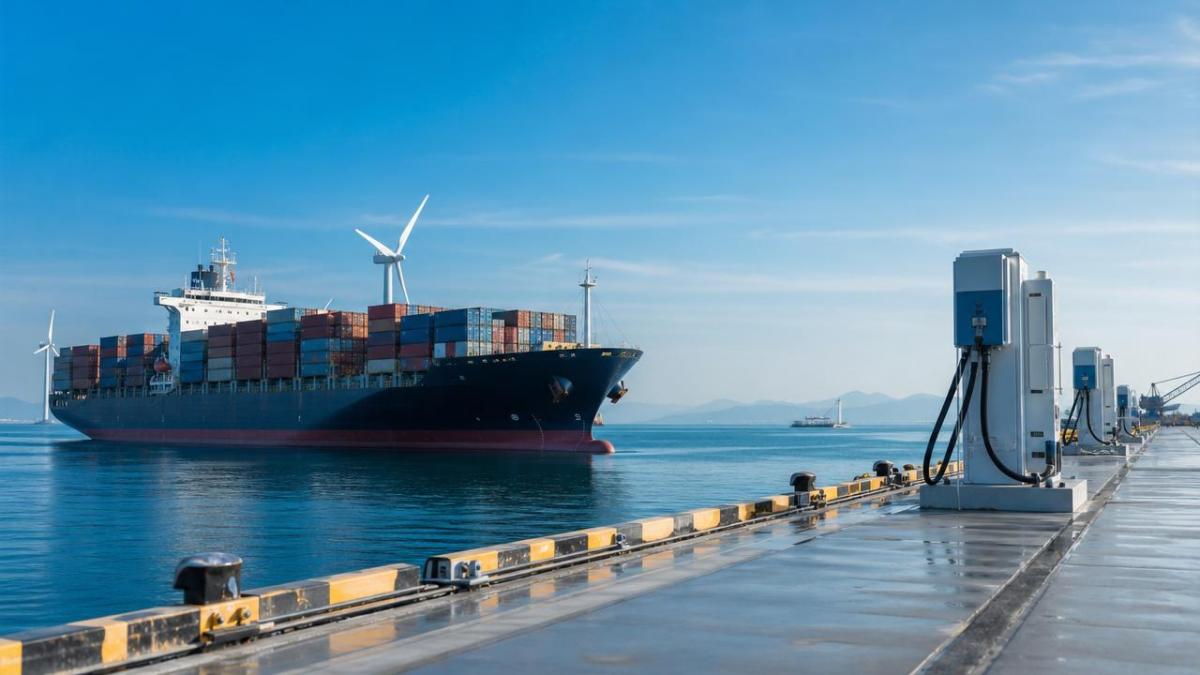
They cover alternative fuels, route optimization, hull and propeller upgrades, shore power, energy management software, and carbon reporting systems.
In practice, the best pathway is rarely a single technology choice. It is usually a staged portfolio aligned with vessel age, trade lane, charter profile, and capital timing.
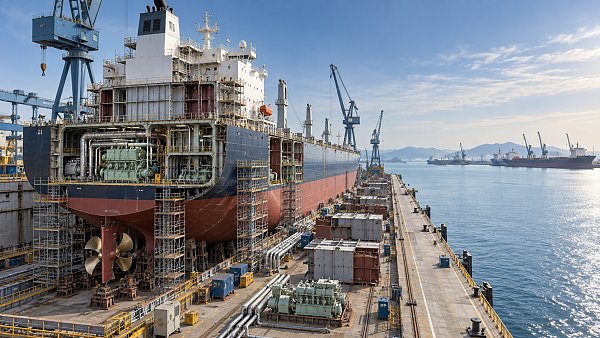
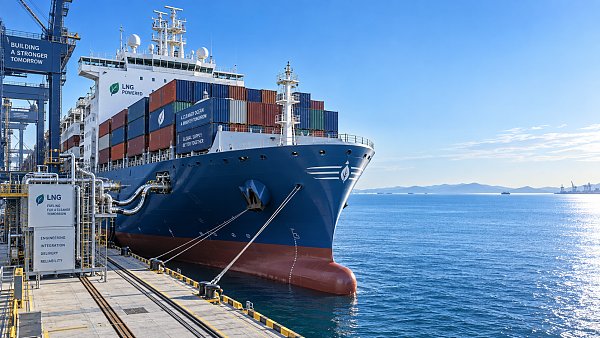
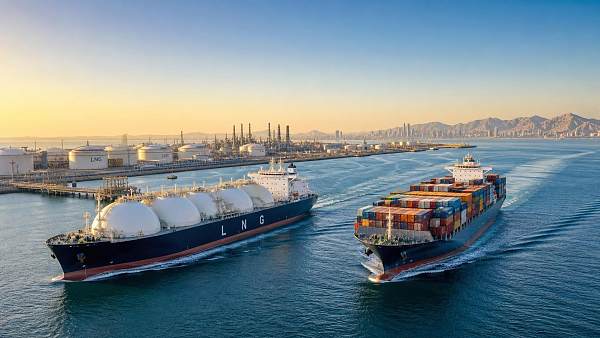
This matters across the broader transport ecosystem. Smart ships, LNG carriers, and intermodal supply chains now depend on cleaner operations and more transparent performance data.
Core building blocks
- Fuel transition options such as LNG, methanol, biofuels, and future-ready dual-fuel configurations.
- Energy efficiency measures, including air lubrication, waste heat recovery, and advanced coatings.
- Digital control layers using AI routing, weather analytics, and voyage performance monitoring.
- Compliance infrastructure for FuelEU Maritime, EU ETS, CII, and cargo emissions reporting.
Market Signals Shaping Maritime Investment Decisions
The business case for decarbonization solutions for maritime logistics strengthened because risk moved from future uncertainty into current operating economics.
Regulation is one signal. Carbon costs and fuel-intensity rules now affect voyage economics, charter competitiveness, and resale assumptions.
Fuel volatility is another. Conventional bunker pricing remains exposed to geopolitical shocks, while low-carbon fuels face supply constraints and infrastructure gaps.
A third signal is customer pressure. Cargo owners increasingly compare routes using emissions intensity, schedule integrity, and digital traceability.
Comparing Cost, Risk, and ROI Across Solution Types
Not all decarbonization solutions for maritime logistics behave the same on a balance sheet. Some reduce fuel quickly. Others mainly lower long-term compliance exposure.
1. Operational efficiency measures
Examples include speed optimization, trim management, weather routing, and port call synchronization. These often require modest capital and short implementation cycles.
ROI tends to be attractive because savings begin immediately through lower fuel burn, reduced waiting time, and better schedule resilience.
2. Technical retrofits
Hull coatings, propeller upgrades, air lubrication, shaft generators, and energy-saving devices can produce measurable efficiency gains over several years.
The risk lies in retrofit timing, shipyard capacity, and performance verification. Payback depends heavily on vessel utilization and bunker price assumptions.
3. Alternative fuel adoption
LNG, methanol, and drop-in biofuels each offer different emissions profiles, infrastructure needs, and cost structures.
These choices can improve long-term competitiveness. However, they also introduce fuel availability risk, technology lock-in risk, and uncertain residual values.
4. Digital monitoring and carbon intelligence
Voyage analytics, emissions dashboards, and integrated compliance tools help convert decarbonization from a technical issue into a management discipline.
Their ROI is often indirect but powerful. Better data improves procurement, charter negotiations, maintenance decisions, and audit readiness.
Where Business Value Becomes Visible
The strongest decarbonization solutions for maritime logistics create value beyond emissions reduction. They improve the economics of fleet deployment and supply chain coordination.
- Lower fuel consumption supports margin stability during volatile bunker cycles.
- Stronger compliance readiness reduces exposure to penalties, disputes, and rushed retrofits.
- Cleaner vessel profiles may improve charter appeal on environmentally sensitive trade lanes.
- Digital transparency strengthens cooperation with ports, terminals, and inland transport partners.
- Asset modernization can support higher residual value if market standards tighten further.
For intelligence-led platforms such as GTOT, this transition also reveals a wider systems view. Vessel decarbonization now connects hardware reliability, software visibility, and infrastructure synchronization.
Typical Maritime Scenarios and Suitable Pathways
Different vessel classes and operating models require different combinations of decarbonization solutions for maritime logistics.
Practical Evaluation Framework for 2026
A useful review process should compare both direct and hidden effects. Capex alone cannot determine whether decarbonization solutions for maritime logistics make economic sense.
- Define baseline fuel consumption, emissions intensity, and utilization by vessel and route.
- Model regulatory cost under several carbon and fuel-price scenarios.
- Separate fast-payback actions from strategic, long-horizon technology choices.
- Test downtime risk, yard access, and supply availability before approval.
- Use verified data plans to track realized savings against assumptions.
This staged method reduces the common mistake of overcommitting to one fuel pathway too early or underinvesting in low-cost efficiency gains.
Common Risks That Deserve Early Attention
The main challenge is not choosing whether to decarbonize. It is choosing how to sequence investments without weakening near-term cash performance.
- Fuel infrastructure may expand slower than vessel technology adoption.
- Assumed savings may fail if crews lack training or data quality is poor.
- Retrofit gains may disappoint without proper hull maintenance cycles.
- Regulatory frameworks can shift, changing the relative value of each pathway.
Careful contract design, pilot deployment, and post-installation verification can reduce these risks significantly.
Next-Step Direction for Smarter Capital Allocation
In 2026, effective decarbonization solutions for maritime logistics are measured by resilience as much as emissions. The winning plans improve fuel flexibility, compliance confidence, and operational visibility.
A practical next step is to build a vessel-by-vessel decarbonization map. Rank options by payback speed, regulatory impact, downtime risk, and technology maturity.
From there, combine quick operational wins with selective retrofits and future-ready design choices. That balanced approach usually delivers the clearest ROI and the lowest strategic regret.
For organizations following land-sea technology convergence, this is no longer a side topic. Decarbonization solutions for maritime logistics are becoming a core discipline of intelligent global transport planning.
Recommended News
 Sep 29, 2026What drives traction systems price differences between rail projects?Traction systems price differences explained: compare duty cycles, voltage compatibility, integration, localization, and lifecycle costs for smarter rail procurement.
 Sep 26, 2026What to assess before selecting an electric traction system manufacturerChoose an electric traction system manufacturer with confidence. Explore key criteria for performance, reliability, safety, integration, energy efficiency, and lifecycle support.
 Sep 25, 2026When do full digitalization systems justify the investment?Full digitalization systems: discover when rail and maritime operators can turn connected data into safer operations, higher availability, and measurable ROI.
 Sep 23, 2026What drives automatic train control systems cost on rail projects?Automatic train control systems cost depends on integration, migration, safety testing, communications, and lifecycle support. Explore the key budget drivers for rail projects.
 Sep 21, 2026How to assess an ocean going vessel builder’s delivery riskAssess an ocean going vessel builder’s delivery risk with proven checks for schedules, capacity, design maturity, critical equipment, quality, and project controls.
 Sep 20, 2026What drives rail safety technology costs over a project lifecycle?Rail safety technology cost goes beyond equipment—explore lifecycle drivers from integration and safety assurance to cybersecurity, commissioning, and obsolescence.
 Sep 16, 2026What to verify before choosing an advanced ocean-going vessels supplierAdvanced ocean-going vessels supplier checklist: verify design authority, build quality, digital systems, delivery reliability, and lifecycle support before you buy.
 Sep 15, 2026What rail safety technology best reduces level-crossing risks in Southeast Asia?Rail safety technology Southeast Asia: discover how fail-safe signalling, barriers, obstacle detection and remote monitoring reduce level-crossing risks.
 Sep 14, 2026How exporters can reduce customs delays in global trade logisticsGlobal trade logistics for exporters: reduce customs delays with accurate data, clearance-ready documents, early filing, and proactive exception management.
 Sep 13, 2026When do global transportation network systems reduce delivery delays?Global transportation network systems reduce delivery delays by improving rail-port-vessel coordination, real-time visibility, and proactive decisions across complex land-sea supply chains.
 Sep 09, 2026When should you choose a rail and maritime manufacturer with dual-sector capability?Rail and maritime manufacturer guide: learn when dual-sector capability reduces integration risk, improves lifecycle support, and strengthens rail-to-port operations.
 Sep 08, 2026What to verify before selecting a railway signalling equipment supplierRailway signalling equipment supplier checklist: verify safety evidence, integration, cybersecurity, delivery capability, and lifecycle support before award.
 Sep 07, 2026How to size a traction power transformer for railway load demandTraction power transformer sizing guide: model railway load demand, peak duty, voltage regulation, harmonics, and contingency capacity for reliable service.
 Sep 07, 2026How do customization options for industrial connectors affect lead times?Customization options for industrial connectors can impact lead times, cost, and compliance. Learn how to specify smarter for rail and marine projects.
 Sep 05, 2026What information should an industrial sourcing guide include?Industrial sourcing information procurement guide: evaluate suppliers, compliance, lifecycle costs, interfaces, and lead times for smarter rail and maritime purchasing decisions.
 Sep 01, 2026How to find reliable maritime tender information before biddingMaritime tender information: learn how to verify sources, define bid-ready scopes, check qualifications, and reduce risk before submitting competitive marine bids.
 Aug 30, 2026How to select railway automation equipment for depots with phased upgradesRailway automation equipment for depots: learn how to plan phased upgrades that improve safety, throughput, integration, and lifecycle control.
 Aug 27, 2026How industrial sourcing intelligence pricing data supports budget approvalIndustrial sourcing intelligence pricing data helps teams benchmark scope, assess supplier risk, and build defensible budget approvals for complex rail and maritime assets.
 Aug 26, 2026When does a marine fuel efficiency solution make financial sense in the Middle East?Marine fuel efficiency solution Middle East: learn when retrofit savings, compliance value, and vessel data align to deliver credible ROI and smarter shipping investment decisions.
 Aug 24, 2026When does maritime automation for tankers deliver a real payback?Maritime automation for tankers delivers real payback when it cuts fuel use, reduces cargo risk, and improves uptime. See how owners can time investment for stronger ROI.
 Aug 23, 2026When do maritime logistics systems in the Middle East justify the costMaritime logistics systems Middle East: discover when rising delays, manual coordination, and poor visibility make system investment the smarter move for regional operators.
 Aug 22, 2026What drives vessel navigation system price for commercial fleetsVessel navigation system price depends on integration, compliance, automation, and support—not just hardware. Learn what drives fleet costs and compare quotes with confidence.
 Aug 21, 2026How to assess shipbuilding maritime tenders before biddingShipbuilding maritime tenders require more than price checks. Learn how to assess technical scope, compliance, supply chain, and commercial risk before bidding with confidence.
 Aug 20, 2026When does working with an ocean-going vessels distributor reduce supply risk?Ocean-going vessels distributor: learn when this partner cuts supply risk through stronger compliance, faster response, and better sourcing resilience in complex maritime procurement.