



Search News
Industry Portal
Popular Tags
When smart vessels equipment improves port turnaround time
Author
Time
Click Count
When Smart Vessels Equipment Improves Port Turnaround Time
Port turnaround time is often discussed as a berth-planning problem. In practice, that is only part of the picture. A vessel may have a berth window, cranes assigned, pilots available, and cargo documentation apparently in order—yet still lose hours because the actual condition of the ship, cargo sequence, machinery, or terminal interface differs from the plan.
For project managers responsible for fleet upgrades, terminal integration, or wider logistics programs, smart vessels equipment matters because it reduces the gap between what people expect to happen at a port call and what the vessel can actually execute. The most useful systems do not merely collect data onboard. They make operational status visible early enough for the ship, terminal, agent, tug provider, cargo planner, and shore-side control team to change a decision before delay becomes unavoidable.
That distinction is important. A dashboard showing that a ship was delayed is reporting. A connected equipment architecture that identifies an unstable arrival estimate, a cargo-readiness constraint, or a developing auxiliary-system issue while there is still time to resequence work is operational control.
The Port Call Starts Long Before the Vessel Reaches the Berth
A modern port call is a chain of dependent events: voyage execution, arrival notice, pilot boarding, anchorage management, berth allocation, mooring, customs and cargo clearance, loading or discharge, bunkering, maintenance, unmooring, and departure. Any individual party may be efficient while the overall call remains slow. The usual cause is not a lack of effort. It is that each party is working from a different version of the vessel’s situation.
For example, a terminal may plan crane deployment around an estimated time of arrival that was generated many hours earlier. The vessel’s bridge team may know that weather, traffic separation constraints, engine operating limits, or a revised fuel-saving speed instruction will affect arrival. If that change is not shared in a usable format, the terminal retains an inaccurate plan. Labor, equipment, pilotage, and berth resources can then be committed at the wrong time.
Smart vessel systems help when they turn isolated onboard signals into reliable operational messages. That may include position and speed data, propulsion performance, machinery availability, cargo status, reefers, ballast condition, planned stowage sequence, fuel status, and navigation-related constraints. The point is not to transmit every signal ashore. It is to provide the signals that influence the next decision in the port-call chain.
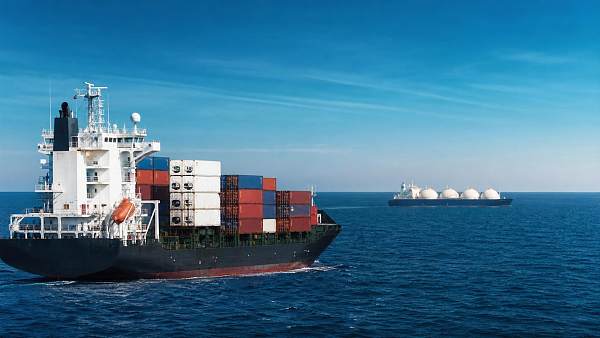
This is especially relevant for container vessels, where a late change to estimated arrival time can disrupt berth allocation and crane sequencing, and for LNG carriers, where cargo containment, terminal readiness, safety procedures, and voyage conditions all require tighter coordination. The technical logic differs, but the management principle is the same: uncertainty is expensive when several specialized parties must act in sequence.
Where Smart Vessels Equipment Has the Most Direct Effect
The strongest turnaround-time improvements generally come from removing uncertainty at handover points rather than from one dramatic piece of equipment. A project team should therefore examine the full operational path from open-water approach to departure clearance.
The table looks straightforward, but the implementation is not. Many projects fail to create value because they install capable systems without defining who will use each data point, what action that person can take, and how quickly that action needs to happen. A detailed machinery alert may be valuable to a superintendent but irrelevant to a terminal planner. Conversely, a revised arrival estimate is useful only if the terminal can receive it, trust it, and reallocate resources accordingly.
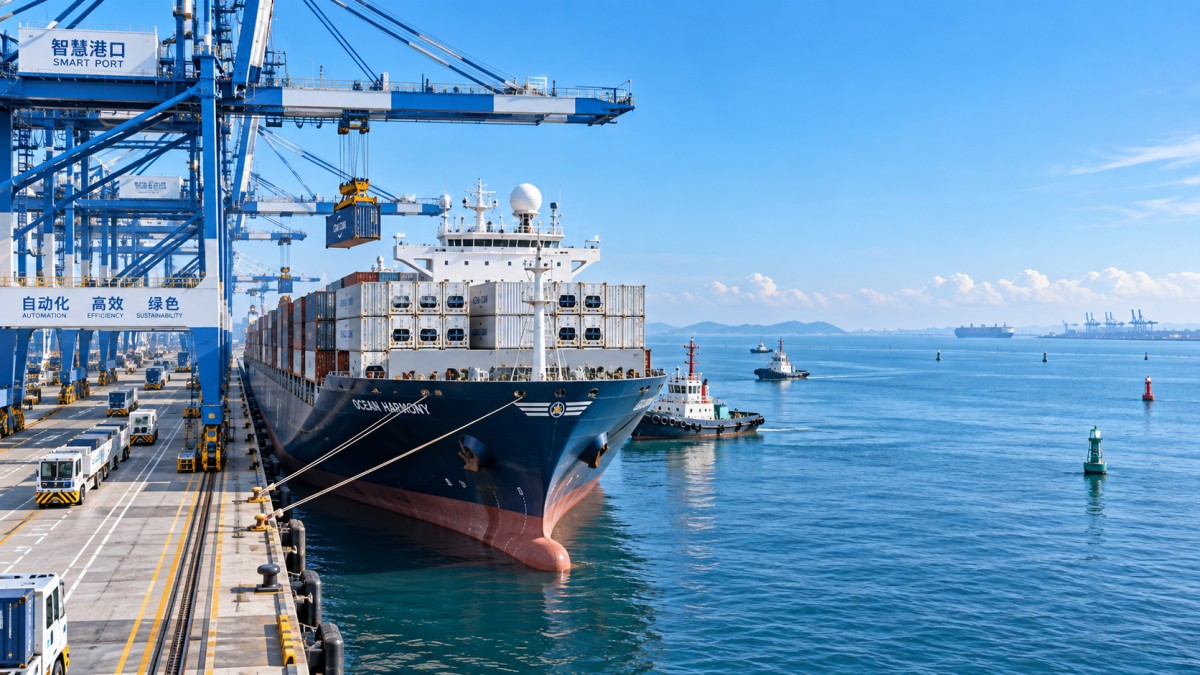
Arrival Prediction Is Useful Only When It Is Operationally Credible
AI route optimization and voyage planning are frequently presented as automatic answers to congestion. They are not. Their value lies in combining route conditions, vessel operating constraints, weather exposure, current speed, port restrictions, and commercial commitments into an arrival forecast that is updated as conditions change.
For a project manager, the key question is not whether the equipment can generate an ETA. Almost every connected fleet system can do that. The more useful question is whether the ETA includes the constraints that matter at the receiving port. Does it distinguish between arrival at a port limit, pilot station, anchorage, and berth? Can the system explain why the forecast changed? Are bridge personnel able to validate or override an obviously unrealistic recommendation?
A black-box prediction can create a different kind of delay if shore teams stop trusting it. Good operational design preserves human judgment. The bridge team understands navigational conditions that may not appear cleanly in a shore-side model. The terminal understands yard congestion and crane availability that the vessel cannot see. Smart vessels equipment should make that exchange faster and better informed; it should not pretend that one system has complete authority over the port call.
There is also a practical sequencing issue. If a vessel is told to slow steam to avoid waiting at anchorage, the instruction must be compatible with propulsion performance, charter-party obligations, weather margins, cargo requirements, and the next confirmed berth window. “Just in time” arrival is not simply a speed reduction exercise. It is a coordinated commitment among several parties, and the data trail needs to be clear enough to support that commitment.
Cargo Visibility Changes the Conversation at the Quay
Once alongside, delays often come from cargo exceptions rather than crane productivity alone. A discrepancy in stowage information, an inaccessible container, an unresolved dangerous-goods query, a reefer alarm, an unexpected ballast requirement, or a lashing sequence that conflicts with the plan can interrupt operations quickly.
Connected cargo systems are valuable when they give the terminal and vessel a shared view of readiness without exposing them to conflicting records. This can involve integration with cargo-planning tools, onboard sensors, container-condition data, and electronic work processes. The exact architecture depends on vessel type and trading pattern. A liner service calling at highly automated terminals has different needs from a specialized vessel trading between fewer, more controlled facilities.
Project teams should resist the temptation to treat all cargo data as equally urgent. The better approach is to identify the exceptions most likely to stop work. For container ships, these may include late stowage changes, reefer condition alerts, stability restrictions, or documentation mismatches. For LNG carriers, the operational focus is different: cargo and containment-system information must be handled within rigorous safety and terminal procedures, with clear authority for any operational decision. The correct data-sharing scope should always be confirmed against the vessel’s procedures, contractual arrangements, and applicable local requirements.
Equipment Reliability Is a Turnaround Issue, Not Only a Maintenance Issue
A port call can absorb small changes in schedule. It struggles to absorb an unplanned equipment limitation discovered at the last moment. Bow thruster availability, auxiliary power, cargo pumps, deck machinery, ballast systems, navigation equipment, communications links, and critical sensors may all affect the vessel’s ability to arrive, work cargo, or depart as planned.
Condition monitoring is therefore most useful when it supports maintenance decisions before the port call becomes exposed. This does not mean every sensor alert should trigger intervention. Marine equipment operates in a demanding environment, and false alarms can overwhelm shipboard staff. The system needs sensible thresholds, diagnostic context, and a workflow that distinguishes between an advisory condition, a planned maintenance item, and a genuine operational restriction.
A common project mistake is to measure success by the number of monitored assets. A smaller set of well-integrated critical systems often delivers more operational value than a large sensor rollout with no maintenance response plan. Teams should ask: if this signal changes, who reviews it? Can they obtain technical support? Is a spare part available? Does the finding affect the next port call, or only the next dry-docking plan?
Ship-to-Shore Integration Is Usually the Hardest Part
The vessel may have sophisticated onboard automation, but port turnaround will not improve if systems remain isolated from terminal and shore workflows. Integration is where technical, commercial, and organizational issues meet.
Data ownership can be contentious. So can cybersecurity, communications availability, interface responsibility, and the use of information in disputes over delay. These concerns should be addressed early, not left to the final commissioning stage. A project scope needs to define which system is the source of truth for each operational item, how updates are timestamped, how manual corrections are handled, and what happens when a communications link fails.
Interoperability deserves particular attention. Different ports, shipping companies, terminal operators, and equipment suppliers may use different data structures and operating practices. A solution that works neatly in a demonstration environment can become difficult when it reaches a mixed fleet calling at multiple ports. Open interfaces, documented integration responsibilities, and a realistic test plan are often more valuable than adding another analytics layer.
This is also where project leadership matters. The work cannot be handed entirely to IT teams or marine engineers. Operations staff need to define the decision points; technical teams need to confirm what can be measured and transmitted; commercial teams need to understand how the new process affects contracts and port relationships. Without that shared ownership, smart equipment becomes an expensive reporting tool.
A More Practical Way to Prioritize Investment
Rather than beginning with a broad request for “digital vessel capability,” start with recurring delay patterns. Review recent port calls and isolate the moments when plans changed: inaccurate arrival forecasts, late cargo information, delayed pilotage coordination, unexpected equipment limitations, incomplete departure readiness, or slow escalation between vessel and shore.
Then assess each problem against four practical tests:
- Is the issue frequent enough to justify a systems change rather than a one-off procedural correction?
- Can the relevant condition be measured or verified onboard with acceptable reliability?
- Is there a shore-side party able and willing to act on the information?
- Can the new workflow be maintained when crews, terminals, and voyage conditions change?
This method may lead to a narrower first phase than expected. That is not a weakness. A focused deployment around arrival prediction, cargo exception handling, or critical-equipment readiness can establish trust in the data and expose integration gaps before a wider rollout.
Port Efficiency Depends on Connected Decisions, Not Connected Devices Alone
The broader direction of maritime operations is clear: ships are becoming more connected, shore teams expect better visibility, and terminal planning is increasingly dependent on timely, credible operational information. But a connected vessel is not automatically a faster vessel in port.
The value of smart vessels equipment appears when it links onboard automation, route intelligence, cargo awareness, and machinery condition to a decision that someone can make before the berth plan is disrupted. That is the practical thread connecting vessel technology to port turnaround performance.
For organizations tracking both advanced ocean-going vessels and the wider land-sea transport network, this is the useful lens: evaluate systems by the operational uncertainty they remove, not by the volume of data they produce. GTOT’s work across smart container ships, LNG carrier technology, railway control, traction power, and braking systems reflects a similar engineering reality—high-performing networks depend on accurate signals, disciplined interfaces, and timely action when conditions change.
Before approving the next vessel digitalization package, map one real port call from planned arrival to departure. Identify where the plan normally loses credibility. That point, rather than the latest equipment feature list, is usually where the project should begin.
Recommended News
 Sep 22, 2026When smart vessels equipment improves port turnaround timeSmart vessels equipment helps reduce port turnaround time with reliable arrival forecasts, cargo visibility, and equipment readiness. Explore practical integration strategies.
 Sep 17, 2026When does a port vessel integration platform reduce turnaround delays?Port vessel integration platform: discover when connected data, coordinated workflows, and early alerts reduce turnaround delays and improve port-call reliability.
 Sep 04, 2026How smart land-sea interconnection improves cargo visibility at portsSmart land sea interconnection gives ports real-time cargo visibility across vessels, terminals, rail, and inland networks—reducing delays, risk, and costly disruptions.
 Aug 31, 2026When does a smart container ship platform reduce port turnaround delays?Smart container ship platform insights: reduce port turnaround delays with shared timelines, proactive exception management, and faster vessel-port coordination.
 Jul 28, 2026Integrated Ship to Shore Systems: Key Factors for Reliable Port IntegrationIntegrated ship to shore systems guide reliable port integration by addressing interfaces, latency, cybersecurity, failure recovery, and retrofit risks—essential reading before choosing a vendor.
 Jul 13, 2026How to Evaluate a Port Vessel Integration ProviderPort vessel integration provider evaluation starts with scope, interoperability, cybersecurity, and delivery strength. Learn how to choose a reliable partner for safer, smarter port operations.
 Jul 12, 2026How Smart Container Ships Technology Cuts Port DelaysSmart container ships technology helps cut port delays with live ETA data, better berth planning, and faster cargo handling. See how it improves reliability and lowers supply chain disruption.
 Jul 09, 2026Vessel Connectivity for Cargo Ships: Solving Data Gaps at SeaVessel connectivity for cargo ships explained through real voyage scenarios—learn how to reduce data gaps, improve fleet decisions, and choose smarter sea-to-shore connectivity.
 Jul 08, 2026Real Time Ship to Shore: What Delays Data Sync in Port Operations?Real time ship to shore delays can disrupt port efficiency, safety, and turnaround. Discover the hidden causes of data sync issues and practical fixes to improve maritime operations.
![]() Jul 07, 2026Smart Ship Connectivity for Fleet Monitoring: What Delivers ROISmart ship connectivity for fleet monitoring delivers ROI when data, alerts, and workflows match real fleet operations. Learn how to reduce delays, control risk, and improve asset performance.
Jul 07, 2026Smart Ship Connectivity for Fleet Monitoring: What Delivers ROISmart ship connectivity for fleet monitoring delivers ROI when data, alerts, and workflows match real fleet operations. Learn how to reduce delays, control risk, and improve asset performance. Jun 29, 2026Digital Ship to Shore Integration: Key Risks Before DeploymentDigital ship to shore integration: discover the top pre-deployment risks in interoperability, cybersecurity, data quality, workflows, and compliance to ensure a smoother rollout.
 Jun 26, 2026Ship to Shore Integration: Key Performance Checks Before DeploymentShip to shore integration is critical before deployment. Check interface stability, data accuracy, cyber resilience, and crane coordination to boost safety, reduce delays, and improve terminal performance.
 Jun 15, 2026Land-Sea Interconnection Challenges in Port Logistics and Cargo FlowLand-sea interconnection challenges in port logistics can disrupt cargo flow, raise costs, and delay delivery. Discover practical strategies to improve coordination, visibility, and resilience.
 Jun 10, 2026Improving Port Efficiency with Better Ship-to-Shore SynergyShip-to-shore synergy is the key to improving port efficiency. Discover how better vessel-terminal coordination reduces delays, supports rail-yard flow, and boosts reliable throughput.
 Jun 07, 2026How to Compare Intermodal Transport Systems for Port-Centric Cargo FlowsIntermodal transport systems for port-centric cargo flows: compare reliability, rail-sea coordination, scalability, and data visibility to choose smarter, more resilient logistics solutions.
![]() May 23, 2026How Smart Maritime Technology Cuts Port Delay RisksSmart maritime technology helps cut port delay risks with predictive ETA, AI routing, and connected port visibility—reducing fuel waste, improving berth planning, and strengthening supply chain resilience.
May 23, 2026How Smart Maritime Technology Cuts Port Delay RisksSmart maritime technology helps cut port delay risks with predictive ETA, AI routing, and connected port visibility—reducing fuel waste, improving berth planning, and strengthening supply chain resilience. May 21, 2026Maritime Logistics Optimization Techniques That Reduce Port Dwell TimeMaritime logistics optimization techniques help cut port dwell time through smarter berth planning, yard coordination, and real-time visibility—discover practical ways to boost flow and reliability.
 May 17, 2026Land-Sea Interconnection Models That Improve Cargo TurnaroundLand-sea interconnection models that improve cargo turnaround: explore fixed-slot rail-berth links, dry ports, smart visibility, and safer corridor design to cut dwell time and boost logistics performance.