



Search News
Industry Portal
Popular Tags
Ship to Shore Integration: Key Performance Checks Before Deployment
Author
Time
Click Count
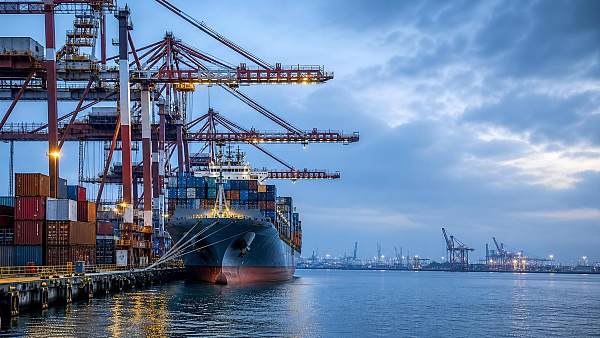
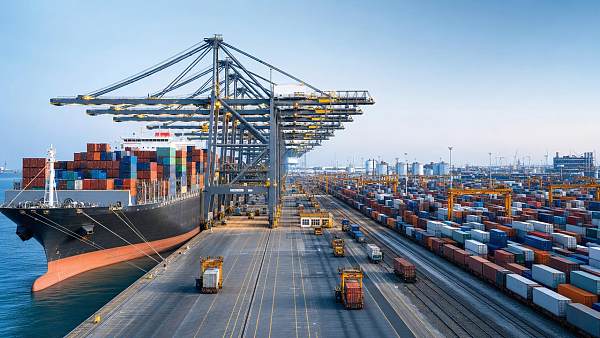
Before commissioning a smart port system, ship to shore integration has to prove more than basic connectivity. It must show stable interfaces, trustworthy data exchange, coordinated equipment response, and resilience under live terminal pressure. In port operations, even a small synchronization gap can ripple into crane delays, vessel-side bottlenecks, or unsafe handoffs across the workflow.
Why ship to shore integration deserves close review
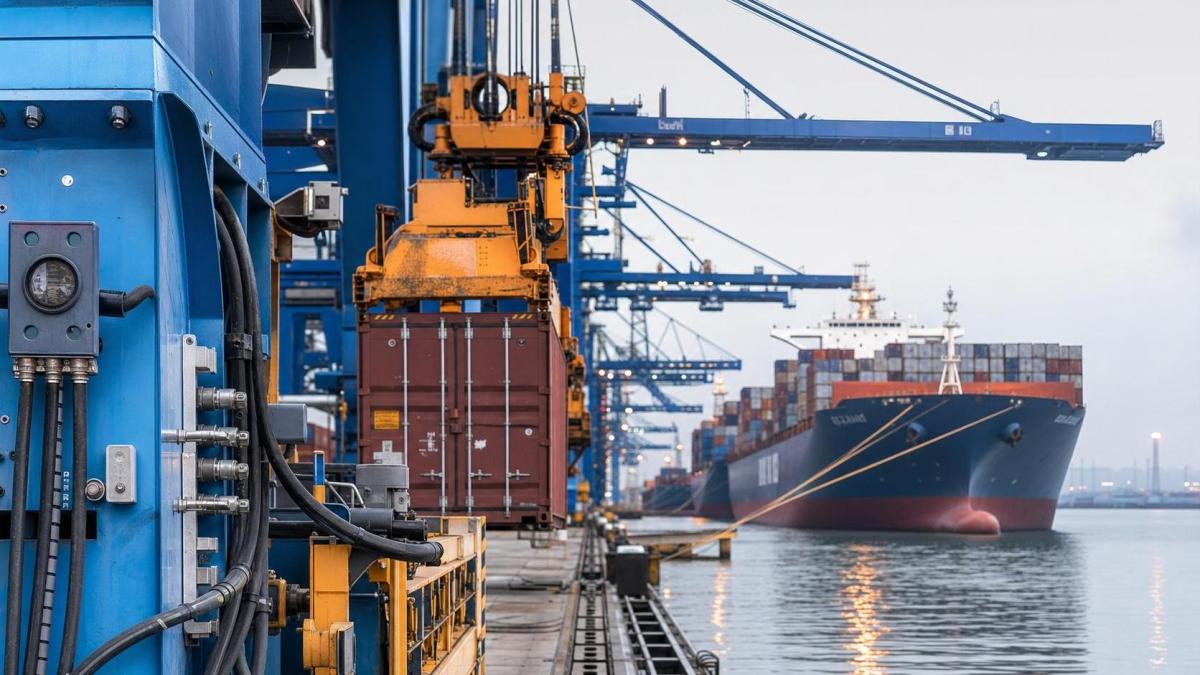
Ship to shore integration sits at the point where vessel systems, berth infrastructure, terminal software, and cargo handling equipment need to behave like one operating environment. That makes it especially relevant in ports that are pushing for higher throughput, tighter safety control, and better visibility across mixed fleets and cargo types.
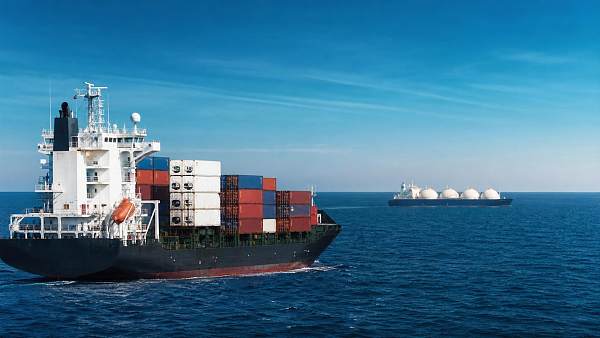
GTOT’s broader land-sea intelligence perspective makes this easier to frame. In the same way rail signaling, traction control, braking logic, and LNG carrier systems depend on precise coordination, smart container ships and shore-side platforms depend on disciplined integration checks before deployment. The logic is similar: complex transport systems fail when timing, telemetry, and control layers do not align.
That is why technical evaluation cannot stop at feature lists. The real question is whether the integration can sustain operations when weather shifts, cargo patterns change, operators intervene, or a berth cycle compresses under schedule pressure.
What needs to work together
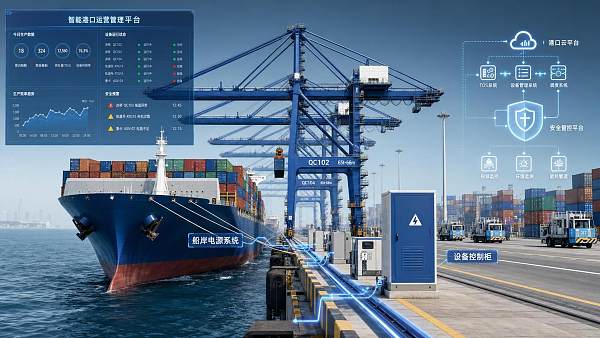
At a practical level, ship to shore integration covers communication links, control protocols, data models, and operational workflows. It connects shipboard monitoring, terminal operating systems, crane control logic, security layers, and reporting tools. If any layer is loosely defined, the whole deployment becomes harder to trust.
The key point is not just whether systems can exchange signals. It is whether they exchange the right signals at the right time, in a format that supports decisions. For example, berth status, cargo readiness, power availability, and maintenance alerts should move through the stack without delay or ambiguity.
In GTOT’s terms, this is a form of intelligence stitching. The port environment is no less demanding than a rail control network or a dual-fuel vessel system. Both require dependable boundaries, clear escalation paths, and operating logic that remains stable under stress.
Performance checks that matter before deployment
A useful deployment review starts with interface stability. Communication between ship and shore should hold steady during peak activity, not only in a test lab. Latency, packet loss, retry behavior, and failover response all need attention, especially when crane sequencing depends on fast confirmations.
Data accuracy comes next. If position data, load values, sensor readings, or operational status are delayed or mismatched, the integration may appear functional while quietly degrading decision quality. That kind of drift is hard to see early and expensive to correct later.
Cyber resilience is another checkpoint that cannot be treated as a side topic. A ship to shore integration layer often sits across operational technology and enterprise systems, which increases exposure. Access control, segmentation, audit trails, and anomaly detection should be verified before the system is allowed into production.
Crane coordination and turnaround efficiency
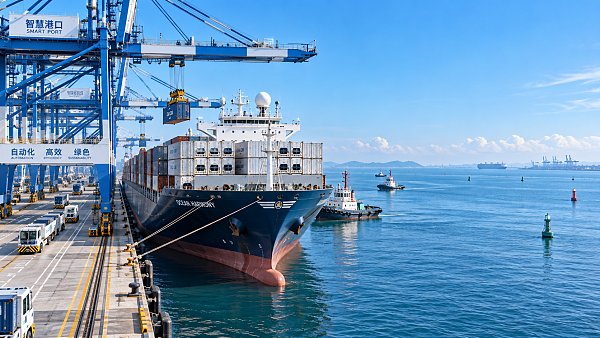
For many terminals, crane coordination is where integration quality becomes visible. If shipboard data and shore-side handling logic are synchronized, crane movements can be sequenced with fewer idle intervals and fewer manual checks. If not, the terminal may still move cargo, but not with the pace or predictability expected from a smart port.
Turnaround efficiency should therefore be measured as an operational outcome, not as a marketing claim. Evaluate how the system behaves across berth arrival, loading confirmation, handoff between control rooms, exception handling, and departure clearance. These are the moments where ship to shore integration either compresses delays or adds hidden friction.
It also helps to compare normal and peak conditions. A deployment that performs well with a simple test vessel may still struggle when cargo mix, labor coordination, or weather-related interruptions increase complexity. Real-world pressure is the best indicator of whether the architecture is ready.
How technical evaluators usually read the signals
A reliable assessment is rarely based on one metric. More often, it comes from reading a cluster of signals together: response time, data coherence, alarm quality, operator workload, and recovery speed after a fault. When these align, the integration is usually mature enough for phased deployment.
A useful way to separate strong from weak ship to shore integration is to ask whether the system supports judgment or merely displays information. In complex port settings, that difference matters. A platform that reduces uncertainty, clarifies exceptions, and preserves traceability is more valuable than one that only looks connected on paper.
- Check whether alarms are actionable, not noisy.
- Verify that fallback procedures are documented and tested.
- Confirm that ship-side and shore-side records match after each cycle.
- Review whether performance remains stable during repeated berth operations.
A practical deployment mindset
In practice, the best deployment path is usually phased. Start with the highest-value operating scenario, validate the most sensitive interfaces, and only then widen the integration scope. That approach reduces risk and creates clear evidence for later expansion.
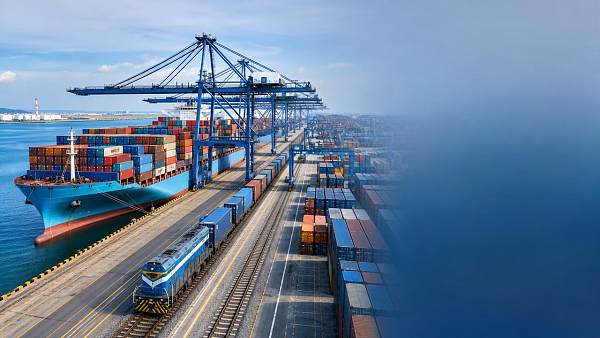
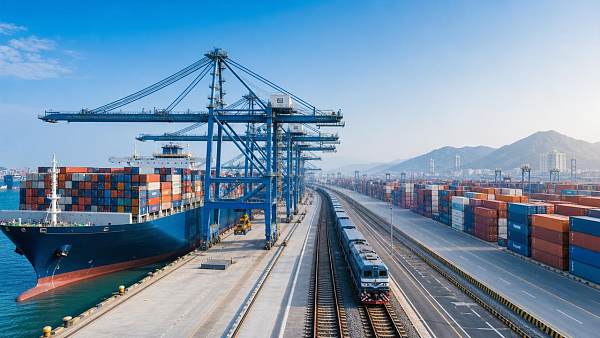
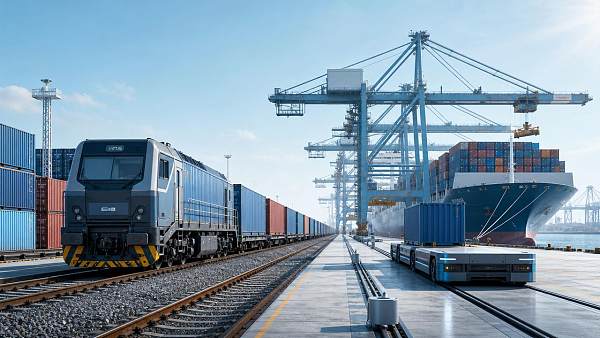
This is also where GTOT’s land-sea perspective is useful. Ports do not operate in isolation; they sit inside a wider logistics network that includes rail connections, cargo transfer hubs, and energy infrastructure. A deployment that works only inside one control room is not enough. It should fit the broader movement of goods, power, and information across the chain.
For that reason, ship to shore integration should be judged as an operating capability, not a software feature. The real test is whether it improves safety, keeps information trustworthy, and gives the terminal enough control to scale without losing visibility.
Before approval, it is worth mapping the deployment against real workflows, exception cases, and recovery steps. If those elements are clear, ship to shore integration is more likely to deliver lasting value. If they are vague, the system still needs more validation before the port depends on it.
Recommended News
 Sep 22, 2026When smart vessels equipment improves port turnaround timeSmart vessels equipment helps reduce port turnaround time with reliable arrival forecasts, cargo visibility, and equipment readiness. Explore practical integration strategies.
 Sep 17, 2026When does a port vessel integration platform reduce turnaround delays?Port vessel integration platform: discover when connected data, coordinated workflows, and early alerts reduce turnaround delays and improve port-call reliability.
 Sep 04, 2026How smart land-sea interconnection improves cargo visibility at portsSmart land sea interconnection gives ports real-time cargo visibility across vessels, terminals, rail, and inland networks—reducing delays, risk, and costly disruptions.
 Aug 31, 2026When does a smart container ship platform reduce port turnaround delays?Smart container ship platform insights: reduce port turnaround delays with shared timelines, proactive exception management, and faster vessel-port coordination.
 Jul 28, 2026Integrated Ship to Shore Systems: Key Factors for Reliable Port IntegrationIntegrated ship to shore systems guide reliable port integration by addressing interfaces, latency, cybersecurity, failure recovery, and retrofit risks—essential reading before choosing a vendor.
 Jul 13, 2026How to Evaluate a Port Vessel Integration ProviderPort vessel integration provider evaluation starts with scope, interoperability, cybersecurity, and delivery strength. Learn how to choose a reliable partner for safer, smarter port operations.
 Jul 12, 2026How Smart Container Ships Technology Cuts Port DelaysSmart container ships technology helps cut port delays with live ETA data, better berth planning, and faster cargo handling. See how it improves reliability and lowers supply chain disruption.
 Jul 09, 2026Vessel Connectivity for Cargo Ships: Solving Data Gaps at SeaVessel connectivity for cargo ships explained through real voyage scenarios—learn how to reduce data gaps, improve fleet decisions, and choose smarter sea-to-shore connectivity.
 Jul 08, 2026Real Time Ship to Shore: What Delays Data Sync in Port Operations?Real time ship to shore delays can disrupt port efficiency, safety, and turnaround. Discover the hidden causes of data sync issues and practical fixes to improve maritime operations.
![]() Jul 07, 2026Smart Ship Connectivity for Fleet Monitoring: What Delivers ROISmart ship connectivity for fleet monitoring delivers ROI when data, alerts, and workflows match real fleet operations. Learn how to reduce delays, control risk, and improve asset performance.
Jul 07, 2026Smart Ship Connectivity for Fleet Monitoring: What Delivers ROISmart ship connectivity for fleet monitoring delivers ROI when data, alerts, and workflows match real fleet operations. Learn how to reduce delays, control risk, and improve asset performance. Jun 29, 2026Digital Ship to Shore Integration: Key Risks Before DeploymentDigital ship to shore integration: discover the top pre-deployment risks in interoperability, cybersecurity, data quality, workflows, and compliance to ensure a smoother rollout.
 Jun 26, 2026Ship to Shore Integration: Key Performance Checks Before DeploymentShip to shore integration is critical before deployment. Check interface stability, data accuracy, cyber resilience, and crane coordination to boost safety, reduce delays, and improve terminal performance.
 Jun 15, 2026Land-Sea Interconnection Challenges in Port Logistics and Cargo FlowLand-sea interconnection challenges in port logistics can disrupt cargo flow, raise costs, and delay delivery. Discover practical strategies to improve coordination, visibility, and resilience.
 Jun 10, 2026Improving Port Efficiency with Better Ship-to-Shore SynergyShip-to-shore synergy is the key to improving port efficiency. Discover how better vessel-terminal coordination reduces delays, supports rail-yard flow, and boosts reliable throughput.
 Jun 07, 2026How to Compare Intermodal Transport Systems for Port-Centric Cargo FlowsIntermodal transport systems for port-centric cargo flows: compare reliability, rail-sea coordination, scalability, and data visibility to choose smarter, more resilient logistics solutions.
![]() May 23, 2026How Smart Maritime Technology Cuts Port Delay RisksSmart maritime technology helps cut port delay risks with predictive ETA, AI routing, and connected port visibility—reducing fuel waste, improving berth planning, and strengthening supply chain resilience.
May 23, 2026How Smart Maritime Technology Cuts Port Delay RisksSmart maritime technology helps cut port delay risks with predictive ETA, AI routing, and connected port visibility—reducing fuel waste, improving berth planning, and strengthening supply chain resilience. May 21, 2026Maritime Logistics Optimization Techniques That Reduce Port Dwell TimeMaritime logistics optimization techniques help cut port dwell time through smarter berth planning, yard coordination, and real-time visibility—discover practical ways to boost flow and reliability.
 May 17, 2026Land-Sea Interconnection Models That Improve Cargo TurnaroundLand-sea interconnection models that improve cargo turnaround: explore fixed-slot rail-berth links, dry ports, smart visibility, and safer corridor design to cut dwell time and boost logistics performance.