



Search News
Industry Portal
Popular Tags
Improving Port Efficiency with Better Ship-to-Shore Synergy
Author
Time
Click Count
Improving Port Efficiency Starts with Better Ship-to-Shore Synergy
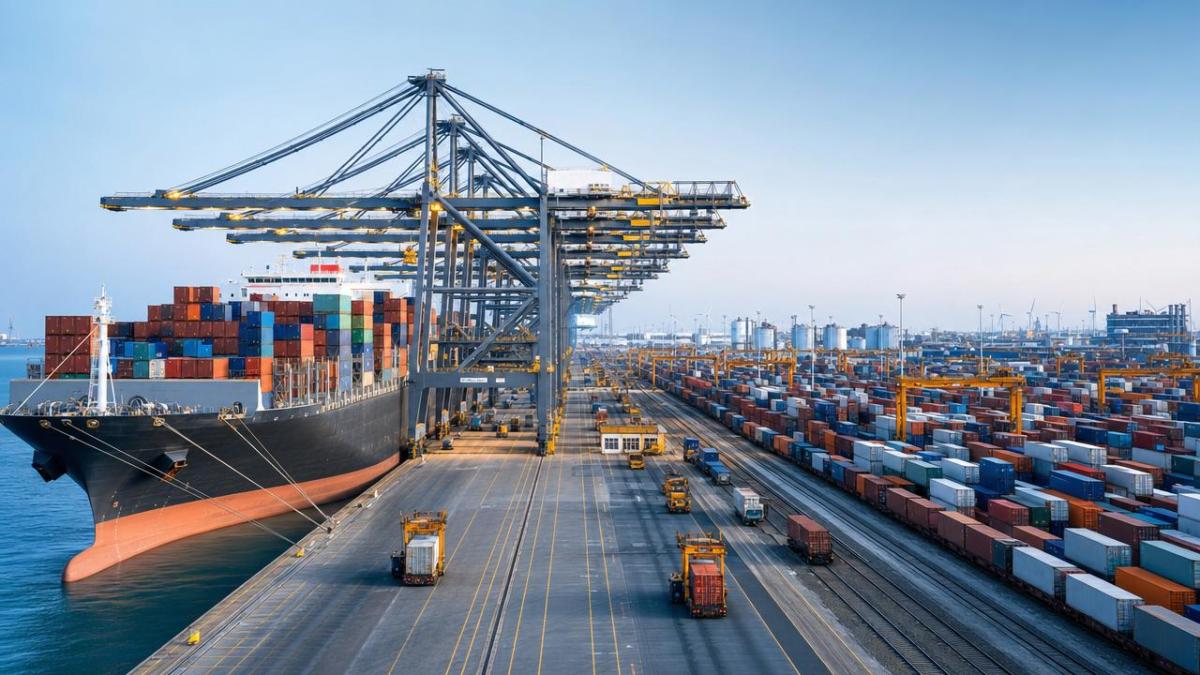
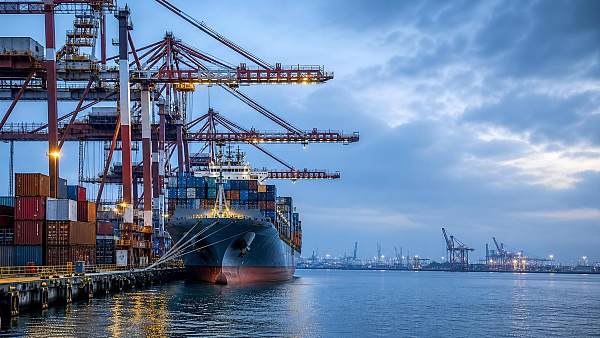
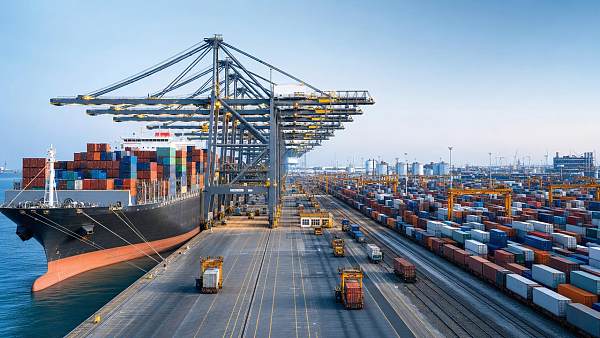
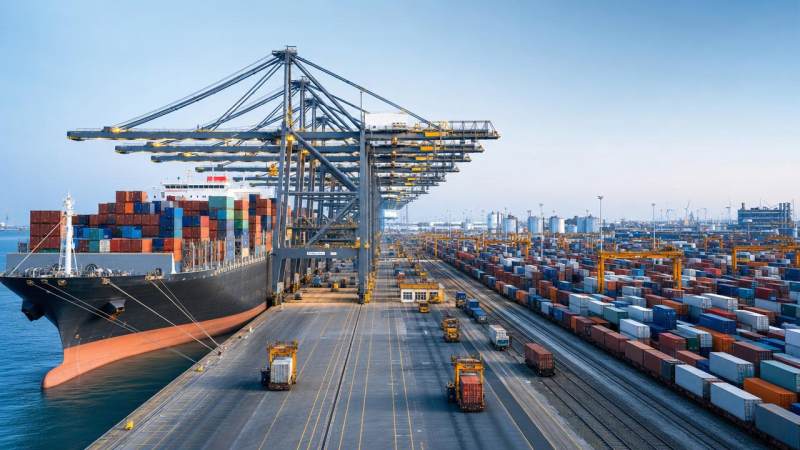
Port efficiency rarely improves by expanding berth capacity alone. In practice, the real constraint often sits between vessel systems, terminal equipment, and operating decisions.
That is why ship-to-shore synergy has become a practical performance issue, not a branding phrase. It shapes quay productivity, cargo integrity, energy use, and schedule stability.
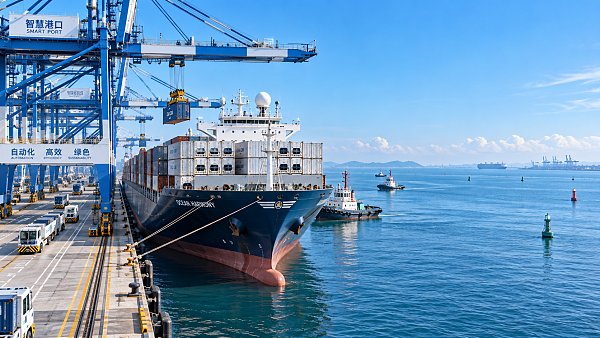
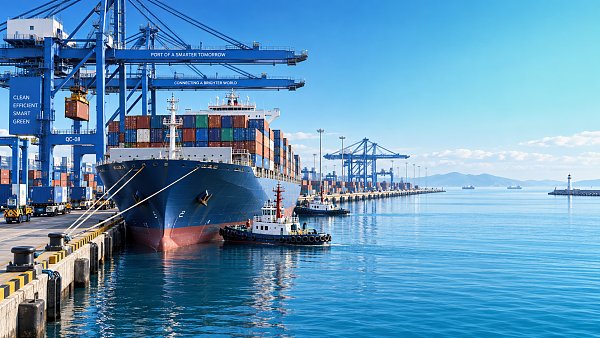
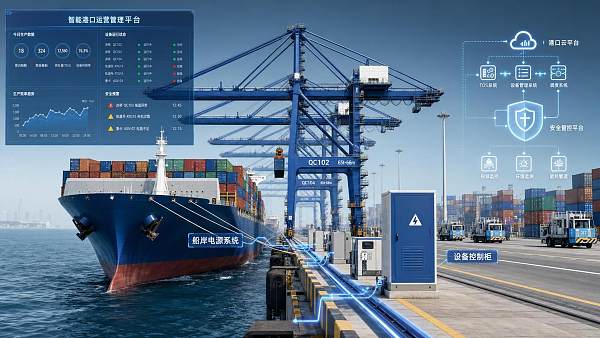
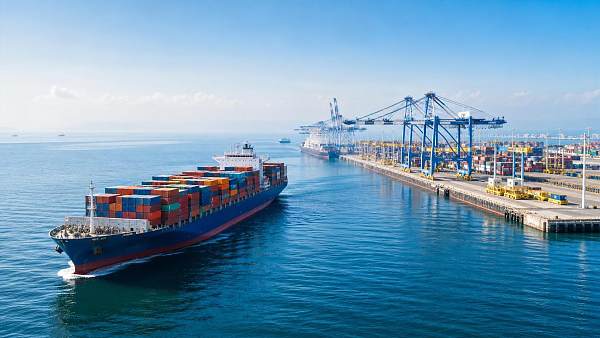
When a smart container ship arrives with route data, stowage logic, and equipment status already structured, the terminal can plan crane moves more accurately.
When that coordination is missing, even advanced cranes and large vessels can produce avoidable idle time. The delay usually comes from mismatched information and uneven response timing.
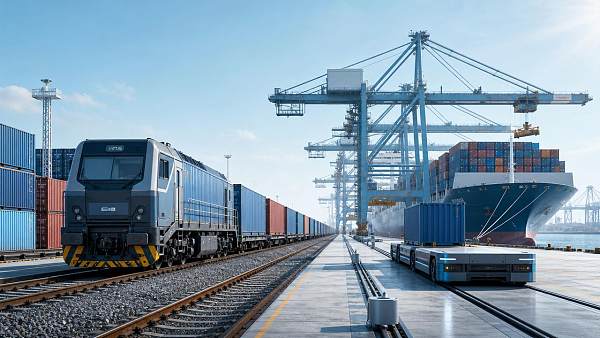
Within the broader transport intelligence view of GTOT, this matters beyond the waterfront. Ports are not isolated assets. They are switching nodes inside global rail, maritime, and inland distribution chains.
A delay at berth can quickly affect hinterland rail slots, yard density, and equipment rotation. Better ship-to-shore synergy helps keep those linked systems aligned.
Why the Same Port Does Not Need the Same Coordination Model Every Time
In actual operations, ship-to-shore synergy changes with cargo mix, vessel class, call frequency, and terminal digital maturity. The same terminal may need different coordination rules by shift.
A high-volume hub port values move density and berth punctuality. A regional terminal may care more about flexibility, crew coordination, and reducing reset time between vessel calls.
Weather exposure also changes the judgment. Wind, swell, visibility, and tidal windows affect crane speed, mooring stability, and the reliability of planned move sequences.
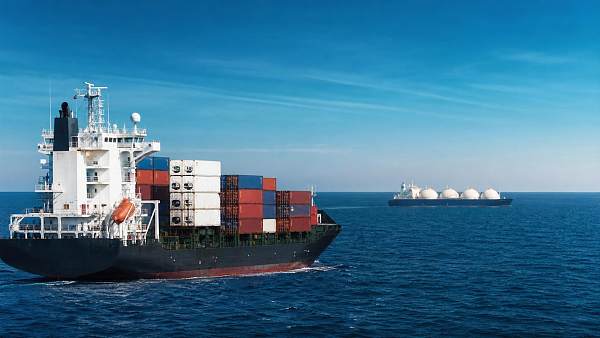
The same is true for vessel intelligence levels. Some ships can share live arrival updates, machinery alerts, and stowage revisions. Others still depend on delayed manual confirmation.
A useful way to evaluate ship-to-shore synergy is to ask one question first: where does timing uncertainty actually enter the handoff between ship and terminal?
At High-Throughput Container Hubs, the Bottleneck Is Usually Decision Latency
Busy container hubs often appear equipment-rich. The hidden problem is slower operational decision flow than the hardware can support.
Here, ship-to-shore synergy depends on synchronized berth windows, crane assignment logic, and real-time stowage updates. Small mismatches quickly multiply under dense schedules.
If the vessel changes discharge priority after arrival, yard planning may no longer fit the intended crane rhythm. Moves increase, rehandles rise, and truck circulation becomes uneven.
The better approach is early exchange of structured data, not just ETA messages. Ports need move sequence visibility, deck workload expectations, and exception alerts before line handlers start.
In this setting, ship-to-shore synergy should be judged by three indicators: crane waiting time, berth plan revision frequency, and yard disruption after the first loading cycle.
Where smart vessel capability changes the result
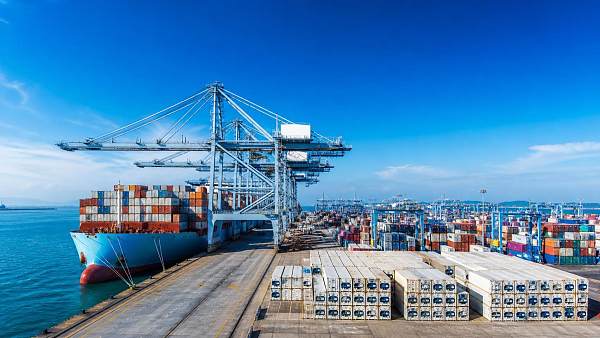
Smart container ships add value when onboard systems communicate operationally useful data, not merely navigation records. That includes hatch readiness, reefer power needs, and deck access constraints.
GTOT often frames this as cross-domain intelligence stitching. The point is practical: vessel data only improves port efficiency when terminals can act on it quickly.
At Mixed-Cargo and Transitional Terminals, Flexibility Matters More Than Peak Speed
Not every berth lives under mega-vessel pressure. Many terminals handle mixed traffic, changing labor patterns, and uneven digital capability across operators.
In these cases, ship-to-shore synergy is less about maximizing crane intensity. It is more about reducing friction when cargo type, handling sequence, or documentation changes unexpectedly.
A common mistake is copying hub-port coordination models into these environments. That often increases software complexity without solving the actual delays on the quay.
The stronger fit is a layered workflow. Critical information should move digitally first, while lower-frequency exceptions stay simple and controllable for local teams.
Here, better ship-to-shore synergy usually means faster exception handling, fewer misallocated crane hours, and clearer responsibility when plans shift during the call.
Different Conditions Change What Good Ship-to-Shore Synergy Looks Like
The same keyword can imply different priorities. A quick comparison helps separate operational needs that are often treated as identical.
This comparison matters because port optimization often fails when decision makers assume all coordination gaps are digital gaps. Many are sequencing gaps.
When Rail, Yard, and Quay Must Move Together
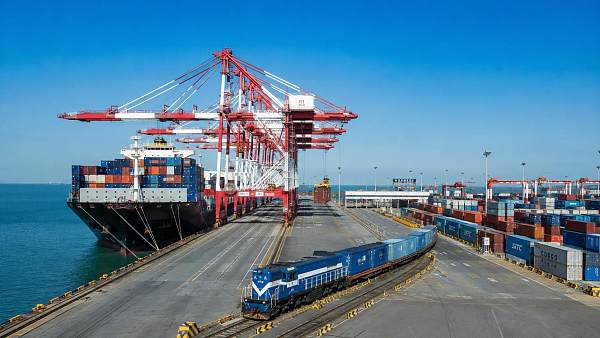
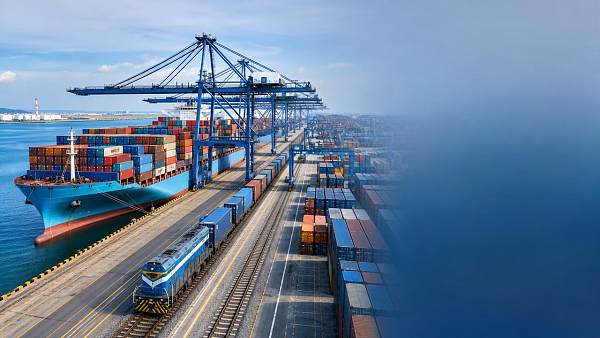
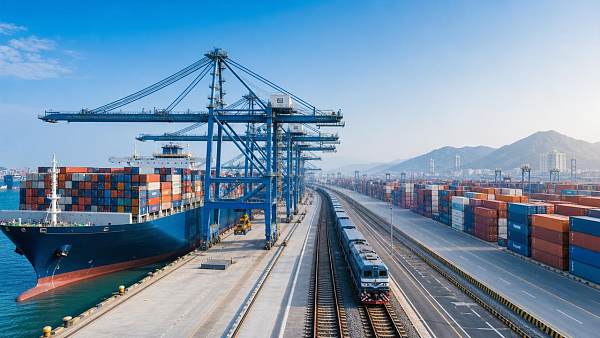
Ship-to-shore synergy becomes more valuable when port operations connect directly to rail corridors or inland logistics schedules. Then berth output cannot be judged in isolation.
This is where GTOT’s land-sea perspective becomes relevant. The logic used in railway signal control and high-density flow management offers a useful discipline for port coordination.
Not every port needs rail-style control architecture. Yet the principle is transferable: safe throughput rises when interfaces are predictable, timing rules are clear, and exceptions are visible early.
For terminals feeding intermodal rail, better ship-to-shore synergy should include yard release timing, train slot reliability, and container dwell risk after discharge.
Without that wider view, a berth can look productive while the total corridor becomes slower. Local optimization then weakens network efficiency.
Common Misjudgments That Undermine Port Efficiency
One frequent misjudgment is focusing on crane specifications while ignoring information readiness aboard the vessel. Hardware performance cannot compensate for poor handoff discipline.
Another is treating similar vessel calls as operationally identical. Cargo density, reefer concentration, hazardous segregation, and late booking changes can alter quay behavior significantly.
A third issue is measuring only berth productivity. Better ship-to-shore synergy should also reduce rehandles, idle truck positioning, and post-discharge yard conflict.
- Do not evaluate vessel intelligence only by installed sensors. Evaluate usable operational outputs.
- Do not copy another terminal’s workflow without checking labor, weather, and yard constraints.
- Do not treat integration cost as the full cost. Exception handling and training often decide real value.
- Do not separate safety triggers from efficiency planning. They shape achievable crane rhythm.
How to Improve Ship-to-Shore Synergy Before Expanding Infrastructure
In many ports, meaningful gains come from better coordination standards before capital expansion. The first step is mapping decision points across vessel arrival, berthing, discharge, and onward release.
Then identify where uncertainty changes the plan most often. That may be stowage revision, crane reassignment, weather hold, or delayed yard availability.
A workable improvement path usually looks like this:
- Define a minimum shared dataset for every vessel call, including timing, stowage, equipment status, and exception flags.
- Set replanning thresholds so operational teams know when a change requires full revision, not informal adjustment.
- Measure cross-interface indicators, such as crane idle time caused by missing ship data.
- Review whether quay decisions support yard flow and rail release, not just berth speed.
- Test improvements on recurring call patterns before scaling terminal-wide.
This method keeps ship-to-shore synergy grounded in operational fit. It also avoids buying complexity that the terminal cannot absorb.
A Better Next Step Is to Judge the Interface, Not Just the Assets
Better port efficiency comes from understanding where the ship and shore actually fail to work as one system. That interface is where time, safety, and cost are won or lost.
Ship-to-shore synergy is strongest when it reflects real berth conditions, vessel behavior, and inland flow commitments. The right model depends on context, not slogans.
A practical next move is to compare recurring vessel calls, list the highest-friction handoff points, and define which data and timing rules would reduce those disruptions first.
From there, it becomes easier to evaluate implementation difficulty, maintenance demands, and long-term return across the wider land-sea logistics chain.
Recommended News
 Sep 22, 2026When smart vessels equipment improves port turnaround timeSmart vessels equipment helps reduce port turnaround time with reliable arrival forecasts, cargo visibility, and equipment readiness. Explore practical integration strategies.
 Sep 17, 2026When does a port vessel integration platform reduce turnaround delays?Port vessel integration platform: discover when connected data, coordinated workflows, and early alerts reduce turnaround delays and improve port-call reliability.
 Sep 04, 2026How smart land-sea interconnection improves cargo visibility at portsSmart land sea interconnection gives ports real-time cargo visibility across vessels, terminals, rail, and inland networks—reducing delays, risk, and costly disruptions.
 Aug 31, 2026When does a smart container ship platform reduce port turnaround delays?Smart container ship platform insights: reduce port turnaround delays with shared timelines, proactive exception management, and faster vessel-port coordination.
 Jul 28, 2026Integrated Ship to Shore Systems: Key Factors for Reliable Port IntegrationIntegrated ship to shore systems guide reliable port integration by addressing interfaces, latency, cybersecurity, failure recovery, and retrofit risks—essential reading before choosing a vendor.
 Jul 13, 2026How to Evaluate a Port Vessel Integration ProviderPort vessel integration provider evaluation starts with scope, interoperability, cybersecurity, and delivery strength. Learn how to choose a reliable partner for safer, smarter port operations.
 Jul 12, 2026How Smart Container Ships Technology Cuts Port DelaysSmart container ships technology helps cut port delays with live ETA data, better berth planning, and faster cargo handling. See how it improves reliability and lowers supply chain disruption.
 Jul 09, 2026Vessel Connectivity for Cargo Ships: Solving Data Gaps at SeaVessel connectivity for cargo ships explained through real voyage scenarios—learn how to reduce data gaps, improve fleet decisions, and choose smarter sea-to-shore connectivity.
 Jul 08, 2026Real Time Ship to Shore: What Delays Data Sync in Port Operations?Real time ship to shore delays can disrupt port efficiency, safety, and turnaround. Discover the hidden causes of data sync issues and practical fixes to improve maritime operations.
![]() Jul 07, 2026Smart Ship Connectivity for Fleet Monitoring: What Delivers ROISmart ship connectivity for fleet monitoring delivers ROI when data, alerts, and workflows match real fleet operations. Learn how to reduce delays, control risk, and improve asset performance.
Jul 07, 2026Smart Ship Connectivity for Fleet Monitoring: What Delivers ROISmart ship connectivity for fleet monitoring delivers ROI when data, alerts, and workflows match real fleet operations. Learn how to reduce delays, control risk, and improve asset performance. Jun 29, 2026Digital Ship to Shore Integration: Key Risks Before DeploymentDigital ship to shore integration: discover the top pre-deployment risks in interoperability, cybersecurity, data quality, workflows, and compliance to ensure a smoother rollout.
 Jun 26, 2026Ship to Shore Integration: Key Performance Checks Before DeploymentShip to shore integration is critical before deployment. Check interface stability, data accuracy, cyber resilience, and crane coordination to boost safety, reduce delays, and improve terminal performance.
 Jun 15, 2026Land-Sea Interconnection Challenges in Port Logistics and Cargo FlowLand-sea interconnection challenges in port logistics can disrupt cargo flow, raise costs, and delay delivery. Discover practical strategies to improve coordination, visibility, and resilience.
 Jun 10, 2026Improving Port Efficiency with Better Ship-to-Shore SynergyShip-to-shore synergy is the key to improving port efficiency. Discover how better vessel-terminal coordination reduces delays, supports rail-yard flow, and boosts reliable throughput.
 Jun 07, 2026How to Compare Intermodal Transport Systems for Port-Centric Cargo FlowsIntermodal transport systems for port-centric cargo flows: compare reliability, rail-sea coordination, scalability, and data visibility to choose smarter, more resilient logistics solutions.
![]() May 23, 2026How Smart Maritime Technology Cuts Port Delay RisksSmart maritime technology helps cut port delay risks with predictive ETA, AI routing, and connected port visibility—reducing fuel waste, improving berth planning, and strengthening supply chain resilience.
May 23, 2026How Smart Maritime Technology Cuts Port Delay RisksSmart maritime technology helps cut port delay risks with predictive ETA, AI routing, and connected port visibility—reducing fuel waste, improving berth planning, and strengthening supply chain resilience. May 21, 2026Maritime Logistics Optimization Techniques That Reduce Port Dwell TimeMaritime logistics optimization techniques help cut port dwell time through smarter berth planning, yard coordination, and real-time visibility—discover practical ways to boost flow and reliability.
 May 17, 2026Land-Sea Interconnection Models That Improve Cargo TurnaroundLand-sea interconnection models that improve cargo turnaround: explore fixed-slot rail-berth links, dry ports, smart visibility, and safer corridor design to cut dwell time and boost logistics performance.