



Search News
Industry Portal
Popular Tags
Land-Sea Interconnection Models That Improve Cargo Turnaround
Author
Time
Click Count
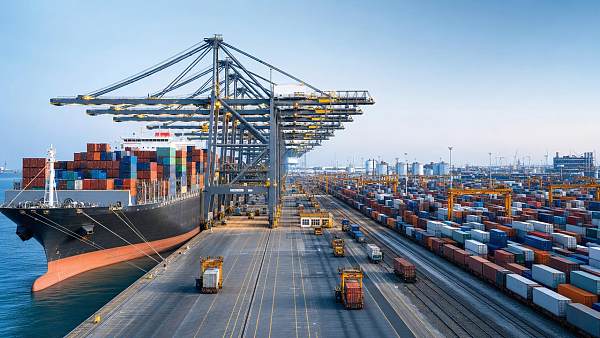
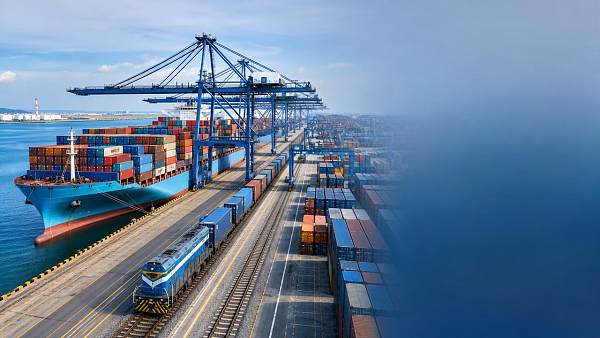
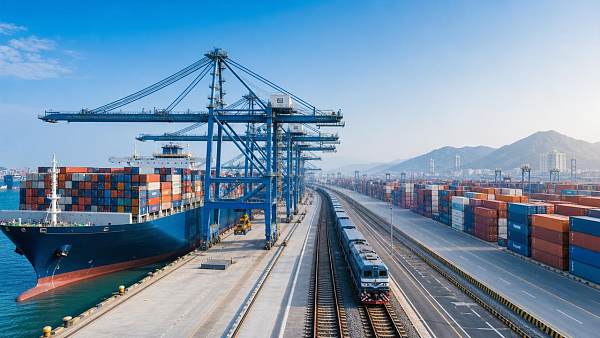
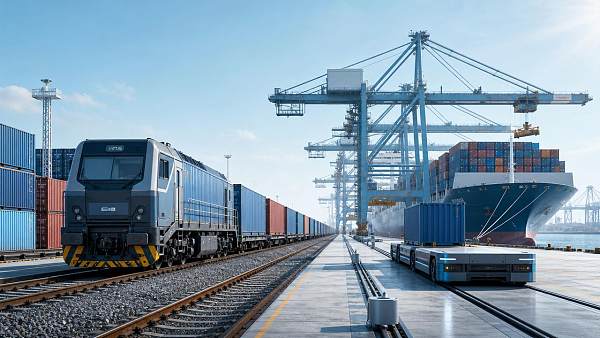
In today’s high-pressure logistics environment, land-sea interconnection is no longer a concept but a competitive necessity. For channel-driven transport ecosystems, tighter links between rail corridors, ports, vessels, and data platforms directly improve cargo turnaround, visibility, and schedule confidence.
For GTOT, this topic sits at the center of modern mobility intelligence. Railway signal control, traction power stability, braking precision, smart container ships, and LNG-enabled marine systems all influence how fast cargo changes modes without creating new bottlenecks.
The real question is practical: which land-sea interconnection models deliver measurable gains, and how should operations evaluate them? The answers depend on synchronization, safety logic, digital visibility, and infrastructure discipline across the full movement chain.
What does land-sea interconnection actually mean in cargo turnaround terms?
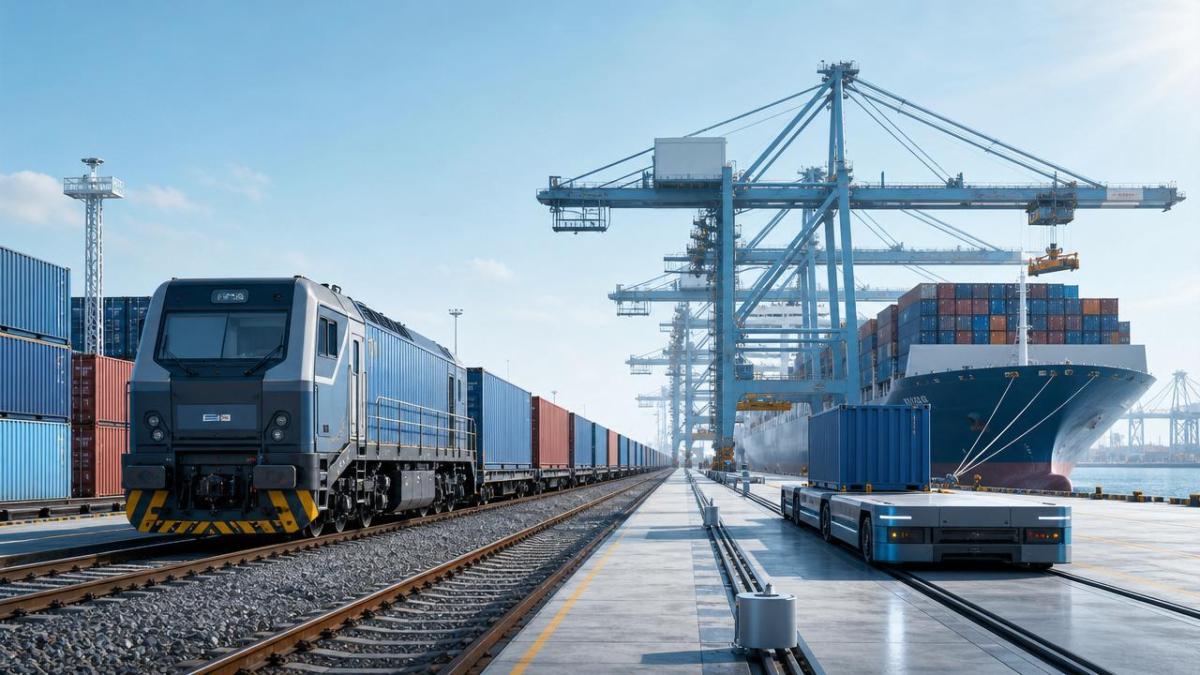
Land-sea interconnection means linking inland transport and maritime operations as one coordinated system. It is not simply rail-to-port transfer. It includes schedules, terminal handling, equipment status, route decisions, and risk responses.
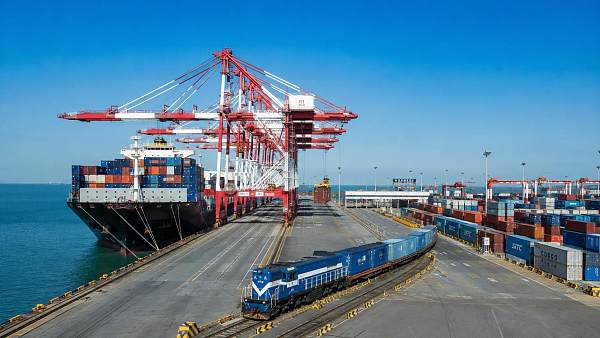
Cargo turnaround improves when transfer points stop behaving like isolated nodes. A container arriving by rail should already have berth, yard, customs, and loading windows aligned before reaching the port gate.
This model reduces idle dwell, repeated handling, and queue uncertainty. In strong land-sea interconnection systems, handoffs become pre-authorized, time-bound, and digitally visible rather than manually negotiated at the last moment.
GTOT’s perspective highlights a wider technical layer. High-performance signal systems support reliable inland arrivals. Stable pantograph performance protects train punctuality. Advanced braking systems improve safe stationing and yard precision. Smart vessels complete the final synchronization loop.
Why turnaround is the key metric
Turnaround is the clearest operational indicator because it captures time lost between modes. Faster sailing alone does not help when inland wagons wait outside terminals or containers sit unassigned in a congested yard.
- Lower dwell time at rail terminals and ports
- Higher equipment utilization across wagons, cranes, and berths
- Better schedule reliability during peak demand
- Fewer emergency storage and reslotting costs
Which land-sea interconnection models most effectively improve cargo turnaround?
There is no single winning architecture. The best land-sea interconnection model depends on cargo type, port layout, rail density, and digital maturity. Still, several models repeatedly outperform fragmented operations.
1. Fixed-slot rail-to-berth coordination
This model reserves predictable train arrival windows and aligns them with vessel cut-off times. It works well where inland flows are high-volume and repetitive, especially for containers and energy-linked industrial goods.
Its advantage is discipline. Capacity becomes bookable rather than speculative. Yard planners can allocate labor, cranes, and track access earlier, reducing reshuffling pressure during operational peaks.
2. Inland dry port extension model
A dry port extends port functions inland through customs clearance, documentation, container staging, and rail consolidation. This land-sea interconnection model shifts congestion away from expensive waterfront space.
It improves turnaround by moving non-marine tasks upstream. Port time becomes focused on transfer execution, not administrative delay. This is especially valuable where seaport land is constrained.
3. Smart visibility and exception-control model
Here, digital platforms connect rail dispatch, terminal operations, vessel schedules, and cargo status. The goal is not only tracking. The real value is automated exception handling before disruption spreads.
If a train is delayed, the system can trigger berth resequencing, crane reassignment, or alternate yard positioning. This is where land-sea interconnection becomes an intelligence layer rather than a transport link.
4. Energy-integrated heavy corridor model
For LNG, bulk materials, and strategic equipment, cargo flow depends on specialized safety and timing controls. Rail safety systems, cryogenic handling logic, and marine loading readiness must operate with strict procedural alignment.
This model is less flexible but highly efficient when standardized. It supports stable throughput where safety compliance and infrastructure specialization are more important than broad cargo diversity.
How do rail and maritime technologies shape land-sea interconnection performance?
Cargo turnaround is often discussed as a planning issue, but technical reliability is equally important. Small failures in control systems create cascading delays across the intermodal chain.
On land, railway signal control systems act as the timing backbone. SIL4-grade safety architecture supports dense operations without compromising reliability. When trains arrive predictably, port-side resource planning becomes far more accurate.
Pantographs and traction stability also matter. Unstable power collection increases service risk on high-speed or heavy-capacity corridors. A disrupted rail feed can break the planned rhythm of land-sea interconnection for an entire day.
Braking systems influence yard efficiency more than many assume. Precision stopping supports safer terminal entry, shorter clearance times, and better alignment with automated loading sequences.
At sea, smart container ships extend the same logic. AI-assisted route optimization, equipment condition awareness, and ship-to-shore synchronization reduce uncertainty before arrival. Ports can prepare based on dynamic vessel behavior, not static estimates.
For energy flows, LNG carriers add another layer. Cryogenic performance, containment integrity, and dual-fuel propulsion all affect schedule stability. In advanced land-sea interconnection, technical readiness is part of commercial planning.
How can operations judge which model fits a specific corridor or port network?
Choosing a land-sea interconnection model requires operational honesty. Many networks adopt digital tools too early, while the real constraints remain gate processes, berth windows, or weak inland timetable discipline.
A useful starting point is to compare corridor conditions across five dimensions:
The strongest land-sea interconnection systems often combine models. A network may use a dry port for staging, fixed slots for trunk rail, and exception-control software for disruption management.
Selection reminders
- Do not digitize unstable manual processes without redesigning them first.
- Measure dwell causes separately at rail, gate, yard, and berth stages.
- Confirm that safety systems support denser throughput, not only compliance.
- Treat schedule reliability as a shared metric across land and sea teams.
What are the common risks and misconceptions in land-sea interconnection projects?
A common misconception is that cargo turnaround problems are caused mainly by vessel delay. In reality, inland timing variance and poor terminal handoff design often create bigger losses.
Another mistake is focusing only on infrastructure capacity. More track, more yard space, or larger cranes do not guarantee better land-sea interconnection if information remains delayed or fragmented.
Some networks underestimate safety-performance interaction. For example, weak signaling resilience or inconsistent braking control can force slower operations, wider separation, and lower confidence in transfer planning.
There is also a governance risk. If rail, port, and shipping participants optimize separate KPIs, the full corridor suffers. Local gains can increase overall dwell when transfer accountability is unclear.
What implementation steps deliver faster results without overbuilding the system?
The fastest path is usually phased. Strong land-sea interconnection begins with visibility and schedule discipline before major capital expansion. This approach improves results while exposing the true bottlenecks.
- Map cargo dwell by event, not by broad average.
- Create shared timing rules for rail arrival, gate release, and vessel cut-off.
- Connect exception alerts across dispatch, terminal, and marine systems.
- Prioritize high-volume corridors for pilot deployment.
- Upgrade technical weak points affecting punctuality and safe density.
GTOT’s strategic intelligence view is useful here. Land-sea interconnection works best when it combines infrastructure knowledge with equipment insight. The corridor is only as strong as its control logic, power stability, braking confidence, and vessel readiness.
In short, the best models do not chase complexity for its own sake. They build dependable synchronization between rail and maritime assets, turning fragmented movement into a continuous logistics flow.
The next step is practical: identify one corridor, one transfer bottleneck, and one measurable turnaround target. That focused start makes land-sea interconnection investable, testable, and easier to scale with confidence.
Recommended News
 Sep 22, 2026When smart vessels equipment improves port turnaround timeSmart vessels equipment helps reduce port turnaround time with reliable arrival forecasts, cargo visibility, and equipment readiness. Explore practical integration strategies.
 Sep 17, 2026When does a port vessel integration platform reduce turnaround delays?Port vessel integration platform: discover when connected data, coordinated workflows, and early alerts reduce turnaround delays and improve port-call reliability.
 Sep 04, 2026How smart land-sea interconnection improves cargo visibility at portsSmart land sea interconnection gives ports real-time cargo visibility across vessels, terminals, rail, and inland networks—reducing delays, risk, and costly disruptions.
 Aug 31, 2026When does a smart container ship platform reduce port turnaround delays?Smart container ship platform insights: reduce port turnaround delays with shared timelines, proactive exception management, and faster vessel-port coordination.
 Jul 28, 2026Integrated Ship to Shore Systems: Key Factors for Reliable Port IntegrationIntegrated ship to shore systems guide reliable port integration by addressing interfaces, latency, cybersecurity, failure recovery, and retrofit risks—essential reading before choosing a vendor.
 Jul 13, 2026How to Evaluate a Port Vessel Integration ProviderPort vessel integration provider evaluation starts with scope, interoperability, cybersecurity, and delivery strength. Learn how to choose a reliable partner for safer, smarter port operations.
 Jul 12, 2026How Smart Container Ships Technology Cuts Port DelaysSmart container ships technology helps cut port delays with live ETA data, better berth planning, and faster cargo handling. See how it improves reliability and lowers supply chain disruption.
 Jul 09, 2026Vessel Connectivity for Cargo Ships: Solving Data Gaps at SeaVessel connectivity for cargo ships explained through real voyage scenarios—learn how to reduce data gaps, improve fleet decisions, and choose smarter sea-to-shore connectivity.
 Jul 08, 2026Real Time Ship to Shore: What Delays Data Sync in Port Operations?Real time ship to shore delays can disrupt port efficiency, safety, and turnaround. Discover the hidden causes of data sync issues and practical fixes to improve maritime operations.
![]() Jul 07, 2026Smart Ship Connectivity for Fleet Monitoring: What Delivers ROISmart ship connectivity for fleet monitoring delivers ROI when data, alerts, and workflows match real fleet operations. Learn how to reduce delays, control risk, and improve asset performance.
Jul 07, 2026Smart Ship Connectivity for Fleet Monitoring: What Delivers ROISmart ship connectivity for fleet monitoring delivers ROI when data, alerts, and workflows match real fleet operations. Learn how to reduce delays, control risk, and improve asset performance. Jun 29, 2026Digital Ship to Shore Integration: Key Risks Before DeploymentDigital ship to shore integration: discover the top pre-deployment risks in interoperability, cybersecurity, data quality, workflows, and compliance to ensure a smoother rollout.
 Jun 26, 2026Ship to Shore Integration: Key Performance Checks Before DeploymentShip to shore integration is critical before deployment. Check interface stability, data accuracy, cyber resilience, and crane coordination to boost safety, reduce delays, and improve terminal performance.
 Jun 15, 2026Land-Sea Interconnection Challenges in Port Logistics and Cargo FlowLand-sea interconnection challenges in port logistics can disrupt cargo flow, raise costs, and delay delivery. Discover practical strategies to improve coordination, visibility, and resilience.
 Jun 10, 2026Improving Port Efficiency with Better Ship-to-Shore SynergyShip-to-shore synergy is the key to improving port efficiency. Discover how better vessel-terminal coordination reduces delays, supports rail-yard flow, and boosts reliable throughput.
 Jun 07, 2026How to Compare Intermodal Transport Systems for Port-Centric Cargo FlowsIntermodal transport systems for port-centric cargo flows: compare reliability, rail-sea coordination, scalability, and data visibility to choose smarter, more resilient logistics solutions.
![]() May 23, 2026How Smart Maritime Technology Cuts Port Delay RisksSmart maritime technology helps cut port delay risks with predictive ETA, AI routing, and connected port visibility—reducing fuel waste, improving berth planning, and strengthening supply chain resilience.
May 23, 2026How Smart Maritime Technology Cuts Port Delay RisksSmart maritime technology helps cut port delay risks with predictive ETA, AI routing, and connected port visibility—reducing fuel waste, improving berth planning, and strengthening supply chain resilience. May 21, 2026Maritime Logistics Optimization Techniques That Reduce Port Dwell TimeMaritime logistics optimization techniques help cut port dwell time through smarter berth planning, yard coordination, and real-time visibility—discover practical ways to boost flow and reliability.
 May 17, 2026Land-Sea Interconnection Models That Improve Cargo TurnaroundLand-sea interconnection models that improve cargo turnaround: explore fixed-slot rail-berth links, dry ports, smart visibility, and safer corridor design to cut dwell time and boost logistics performance.