



Search News
Industry Portal
Popular Tags
Land-Sea Interconnection Challenges in Port Logistics and Cargo Flow
Author
Time
Click Count
Land-Sea Interconnection Challenges in Port Logistics and Cargo Flow
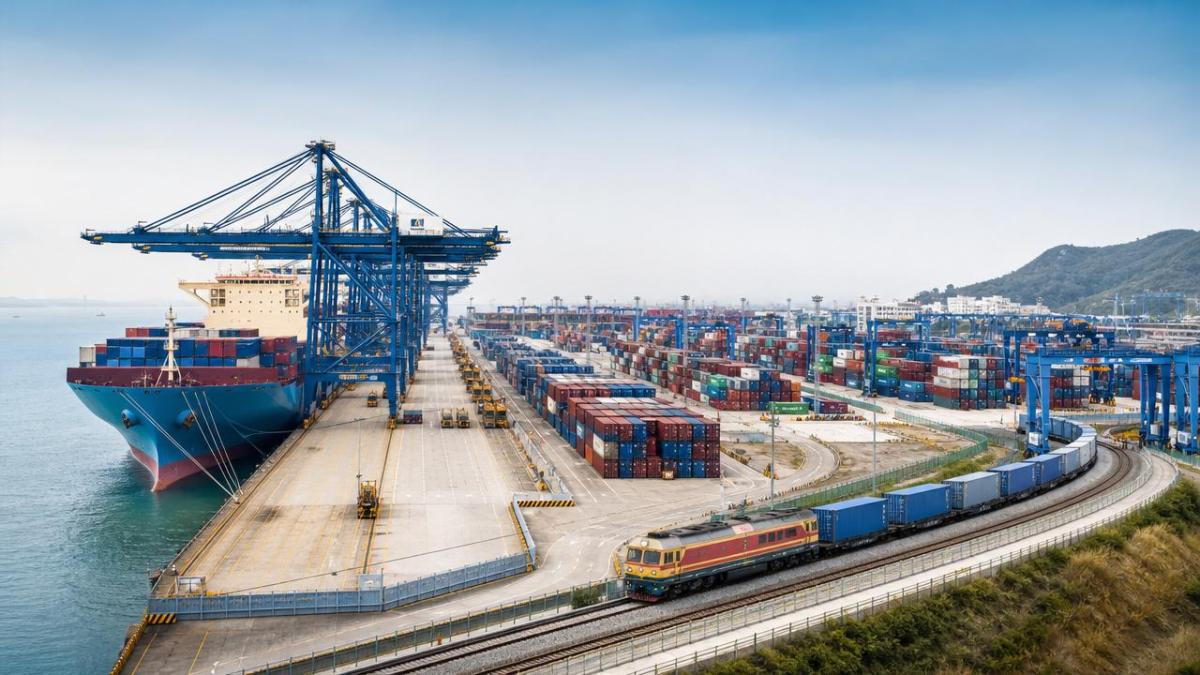
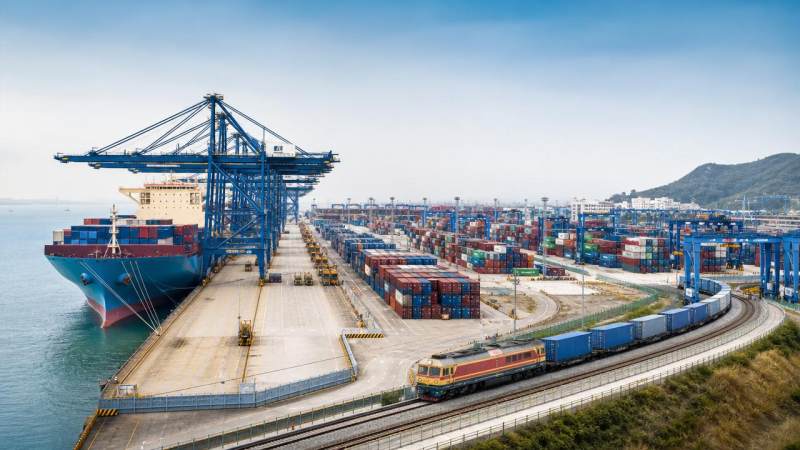
As global trade grows more complex, land-sea interconnection now shapes cargo speed, reliability, and total project performance.
Ports no longer work as isolated transfer points.
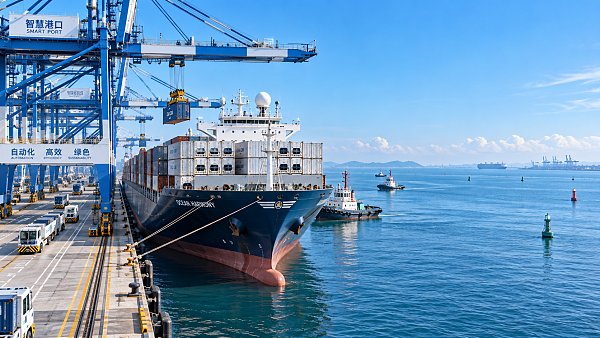
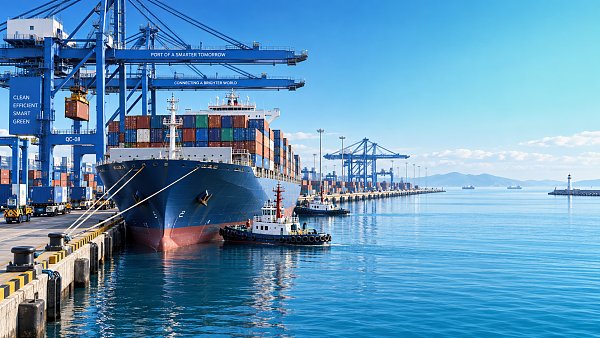
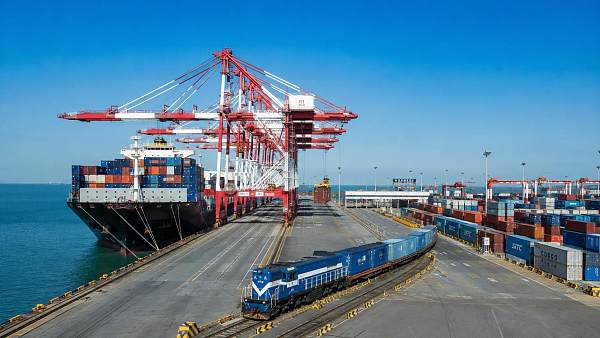
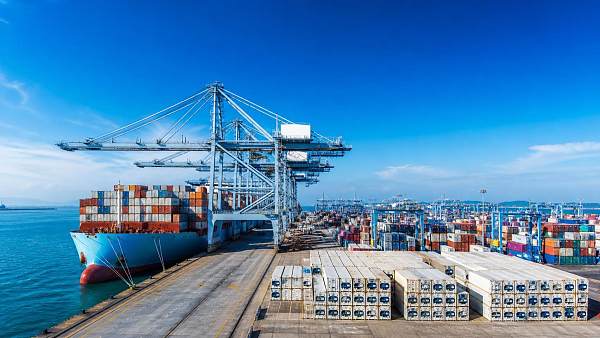
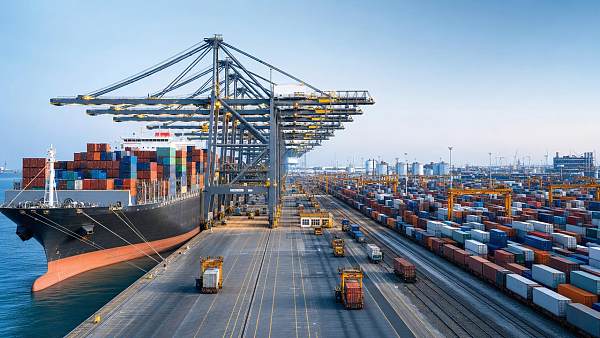
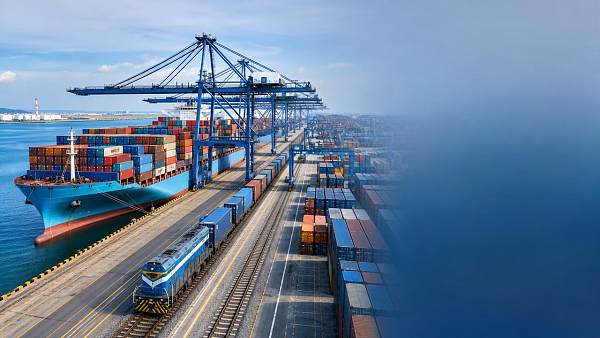
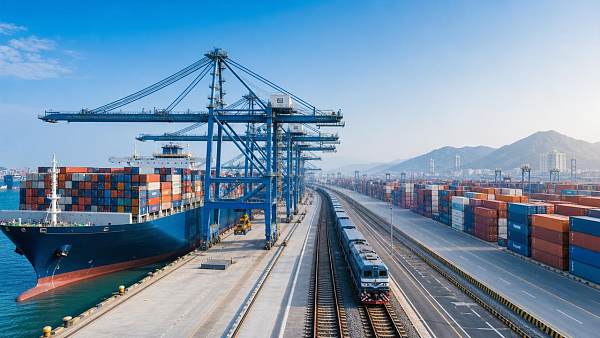
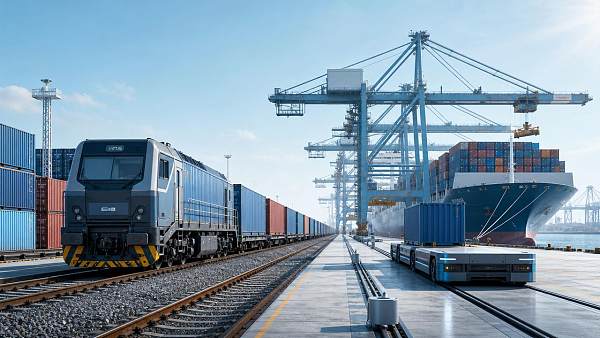
They sit inside a larger system linking rail corridors, yards, terminals, vessels, customs, and inland distribution hubs.
When that land-sea interconnection fails, congestion spreads quickly.
A delayed train arrival can disrupt berth windows.
A vessel schedule change can overwhelm storage zones and gate operations.
In practical terms, weak interconnection creates hidden cost long before it appears in a monthly report.
Recent changes make the issue more urgent.
Bigger ships, tighter delivery promises, volatile trade routes, and stricter emissions targets all demand better coordination.
This also means port logistics can no longer depend on manual updates and disconnected planning tools.
A stronger land-sea interconnection model needs shared data, synchronized operations, and engineering decisions based on end-to-end flow.
Why Land-Sea Interconnection Breaks Down in Real Port Operations
The first gap is timing mismatch.
Rail systems run on fixed control logic and slot discipline.
Marine transport faces weather, port rotation changes, and berth uncertainty.
Without adaptive scheduling, land-sea interconnection becomes reactive instead of planned.
The second gap is data fragmentation.
Terminal systems, railway signal control, yard management, and shipping platforms often use different data standards.
Teams may see the same container differently at the same moment.
That hurts visibility and weakens cargo flow decisions.
The third gap is infrastructure imbalance.
Some ports invest heavily in quay cranes and vessel turnaround.
Yet inland rail access, braking capacity, power systems, and intermodal staging remain undersized.
The result is a modern waterfront connected to an outdated inland artery.
A final issue is decision latency.
Operations teams often learn about disruption too late to rebalance labor, equipment, or train sequencing.
That is where stronger intelligence and cross-mode control begin to matter.
Core Pressure Points That Disturb Cargo Flow
In daily operations, cargo flow usually breaks at a few predictable points.
Knowing them early helps shape a practical land-sea interconnection strategy.
- Arrival clustering creates yard surges when several trains or vessels hit the same handling window.
- Poor container handoff visibility causes duplicate moves, misallocation, and avoidable dwell time.
- Weak rail-port signaling coordination limits safe throughput during peak transfer cycles.
- Equipment constraints reduce flow when braking systems, pantographs, or power assets underperform.
- Manual exception handling slows response when cargo priority changes mid-journey.
- Fragmented commercial planning disconnects shipping promises from actual terminal capacity.
More importantly, these pressure points rarely stay local.
A one-hour disruption at the rail interface may trigger vessel idle time, gate queues, and customer penalties.
That is why land-sea interconnection must be treated as a system issue, not only an operational inconvenience.
A Practical Land-Sea Interconnection Solution Framework
A workable solution starts with one principle.
Do not optimize the port alone.
Optimize the full land-sea interconnection chain from inland dispatch to vessel departure.
1. Build a shared operating picture
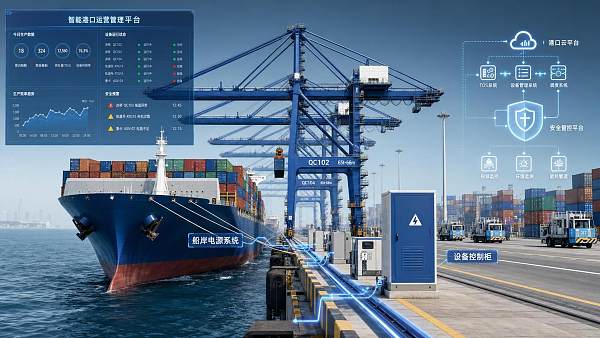
Unify train status, yard position, berth planning, crane availability, and cargo priority in one operational view.
This is the foundation for faster decisions.
GTOT’s intelligence perspective is useful here.
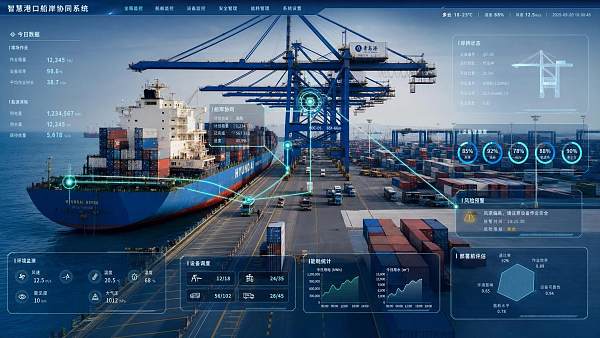
Railway signal control, smart vessel telemetry, and terminal events should feed one strategic dashboard.
2. Connect fixed rail logic with dynamic marine planning
Rail operations value precision and safe intervals.
Marine schedules need flexibility.
The best land-sea interconnection model links both through rolling re-planning every few hours.
That keeps the network stable without ignoring real-world change.
3. Prioritize flow-critical equipment health
Reliable cargo flow depends on infrastructure that performs under stress.
Signal systems, traction power, pantographs, and braking systems all affect inland throughput.
At sea, smart container ships improve route choice, fuel use, and arrival predictability.
Together, they create a stronger land-sea interconnection backbone.
4. Design exception playbooks before disruption happens
Not every delay can be prevented.
But many losses can be reduced with pre-approved response paths.
Examples include alternate rail slots, temporary yard zoning, cargo prioritization rules, and berth reassignment triggers.
That makes land-sea interconnection more resilient, not just more digital.
Where GTOT Intelligence Supports Better Interconnection Decisions
Complex projects need more than general logistics advice.
They need technical insight across both land and sea systems.
This is where GTOT stands out.
Its focus on railway signal control systems, pantographs, braking systems, smart container ships, and LNG carriers creates a rare cross-domain view.
That view matters because land-sea interconnection is never just software integration.
It depends on safety standards, asset behavior, energy systems, and operating limits.
For example, SIL4 rail signaling affects dispatch confidence.
High-speed power collection stability influences schedule recovery on inland corridors.
Smart ship route optimization changes ETA reliability and terminal labor planning.
A strategic intelligence center that reads both sides can close these gaps faster.
Implementation Priorities for Stronger Cargo Flow Control
In actual delivery work, sequencing matters.
Trying to transform everything at once usually slows progress.
A phased land-sea interconnection roadmap is more effective.
- Map the full cargo journey and identify every handoff delay.
- Rank bottlenecks by cost impact, recovery difficulty, and safety exposure.
- Integrate critical data first, especially train status, ETA, yard inventory, and berth changes.
- Align equipment maintenance plans with peak logistics periods.
- Create disruption playbooks and rehearse them across rail, terminal, and marine teams.
- Review performance weekly using dwell time, transfer accuracy, and schedule adherence.
This staged approach turns land-sea interconnection into a measurable program.
It also keeps engineering investment tied to real cargo flow outcomes.
Key Metrics That Show Interconnection Is Improving
Better land-sea interconnection should be visible in operations, not only in presentations.
If these metrics move together, interconnection is improving.
If one improves while others worsen, the solution may still be too narrow.
Turning Land-Sea Interconnection Into a Competitive Advantage
The strongest logistics networks do not win by moving faster in one segment only.
They win by removing friction between segments.
That is the real promise of land-sea interconnection.
When rail intelligence, terminal operations, and smart shipping logic work together, cargo flow becomes more predictable and less fragile.
That improves delivery confidence, asset utilization, and commercial credibility.
For organizations dealing with complex port logistics, the next step is clear.
Assess where your land-sea interconnection is breaking, connect the most critical signals first, and use technical intelligence to guide investment.
That is how cargo flow turns from a recurring risk into a managed advantage.
Recommended News
 Sep 22, 2026When smart vessels equipment improves port turnaround timeSmart vessels equipment helps reduce port turnaround time with reliable arrival forecasts, cargo visibility, and equipment readiness. Explore practical integration strategies.
 Sep 17, 2026When does a port vessel integration platform reduce turnaround delays?Port vessel integration platform: discover when connected data, coordinated workflows, and early alerts reduce turnaround delays and improve port-call reliability.
 Sep 04, 2026How smart land-sea interconnection improves cargo visibility at portsSmart land sea interconnection gives ports real-time cargo visibility across vessels, terminals, rail, and inland networks—reducing delays, risk, and costly disruptions.
 Aug 31, 2026When does a smart container ship platform reduce port turnaround delays?Smart container ship platform insights: reduce port turnaround delays with shared timelines, proactive exception management, and faster vessel-port coordination.
 Jul 28, 2026Integrated Ship to Shore Systems: Key Factors for Reliable Port IntegrationIntegrated ship to shore systems guide reliable port integration by addressing interfaces, latency, cybersecurity, failure recovery, and retrofit risks—essential reading before choosing a vendor.
 Jul 13, 2026How to Evaluate a Port Vessel Integration ProviderPort vessel integration provider evaluation starts with scope, interoperability, cybersecurity, and delivery strength. Learn how to choose a reliable partner for safer, smarter port operations.
 Jul 12, 2026How Smart Container Ships Technology Cuts Port DelaysSmart container ships technology helps cut port delays with live ETA data, better berth planning, and faster cargo handling. See how it improves reliability and lowers supply chain disruption.
 Jul 09, 2026Vessel Connectivity for Cargo Ships: Solving Data Gaps at SeaVessel connectivity for cargo ships explained through real voyage scenarios—learn how to reduce data gaps, improve fleet decisions, and choose smarter sea-to-shore connectivity.
 Jul 08, 2026Real Time Ship to Shore: What Delays Data Sync in Port Operations?Real time ship to shore delays can disrupt port efficiency, safety, and turnaround. Discover the hidden causes of data sync issues and practical fixes to improve maritime operations.
![]() Jul 07, 2026Smart Ship Connectivity for Fleet Monitoring: What Delivers ROISmart ship connectivity for fleet monitoring delivers ROI when data, alerts, and workflows match real fleet operations. Learn how to reduce delays, control risk, and improve asset performance.
Jul 07, 2026Smart Ship Connectivity for Fleet Monitoring: What Delivers ROISmart ship connectivity for fleet monitoring delivers ROI when data, alerts, and workflows match real fleet operations. Learn how to reduce delays, control risk, and improve asset performance. Jun 29, 2026Digital Ship to Shore Integration: Key Risks Before DeploymentDigital ship to shore integration: discover the top pre-deployment risks in interoperability, cybersecurity, data quality, workflows, and compliance to ensure a smoother rollout.
 Jun 26, 2026Ship to Shore Integration: Key Performance Checks Before DeploymentShip to shore integration is critical before deployment. Check interface stability, data accuracy, cyber resilience, and crane coordination to boost safety, reduce delays, and improve terminal performance.
 Jun 15, 2026Land-Sea Interconnection Challenges in Port Logistics and Cargo FlowLand-sea interconnection challenges in port logistics can disrupt cargo flow, raise costs, and delay delivery. Discover practical strategies to improve coordination, visibility, and resilience.
 Jun 10, 2026Improving Port Efficiency with Better Ship-to-Shore SynergyShip-to-shore synergy is the key to improving port efficiency. Discover how better vessel-terminal coordination reduces delays, supports rail-yard flow, and boosts reliable throughput.
 Jun 07, 2026How to Compare Intermodal Transport Systems for Port-Centric Cargo FlowsIntermodal transport systems for port-centric cargo flows: compare reliability, rail-sea coordination, scalability, and data visibility to choose smarter, more resilient logistics solutions.
![]() May 23, 2026How Smart Maritime Technology Cuts Port Delay RisksSmart maritime technology helps cut port delay risks with predictive ETA, AI routing, and connected port visibility—reducing fuel waste, improving berth planning, and strengthening supply chain resilience.
May 23, 2026How Smart Maritime Technology Cuts Port Delay RisksSmart maritime technology helps cut port delay risks with predictive ETA, AI routing, and connected port visibility—reducing fuel waste, improving berth planning, and strengthening supply chain resilience. May 21, 2026Maritime Logistics Optimization Techniques That Reduce Port Dwell TimeMaritime logistics optimization techniques help cut port dwell time through smarter berth planning, yard coordination, and real-time visibility—discover practical ways to boost flow and reliability.
 May 17, 2026Land-Sea Interconnection Models That Improve Cargo TurnaroundLand-sea interconnection models that improve cargo turnaround: explore fixed-slot rail-berth links, dry ports, smart visibility, and safer corridor design to cut dwell time and boost logistics performance.