



Search News
Industry Portal
Popular Tags
Maritime Logistics Optimization Techniques That Reduce Port Dwell Time
Author
Time
Click Count
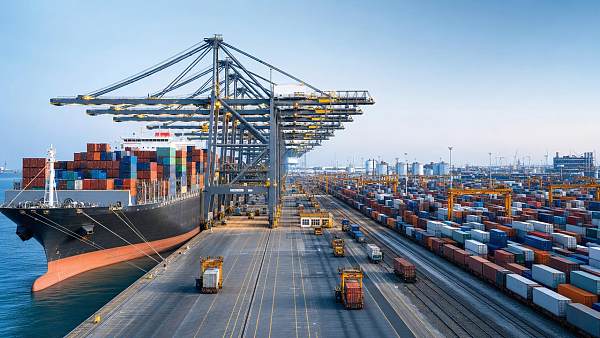
For operators facing congestion, schedule disruption, and rising turnaround pressure, maritime logistics optimization techniques are becoming essential to cutting port dwell time and improving vessel flow.
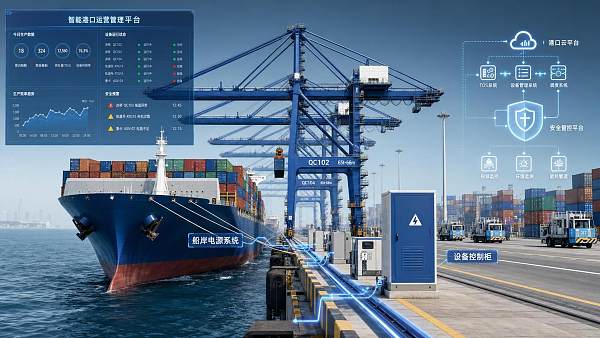
From berth coordination and yard planning to data-driven visibility and ship-to-shore synchronization, the right methods can turn delays into measurable efficiency gains.
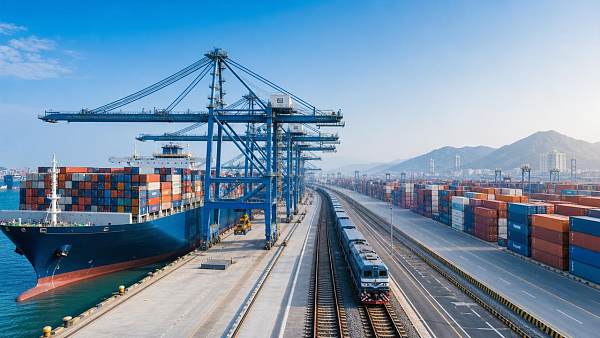
Across integrated transport networks, this shift matters far beyond ports. It influences smart vessels, rail links, inland terminals, and the wider rhythm of global trade.
Port dwell time is becoming a strategic performance signal
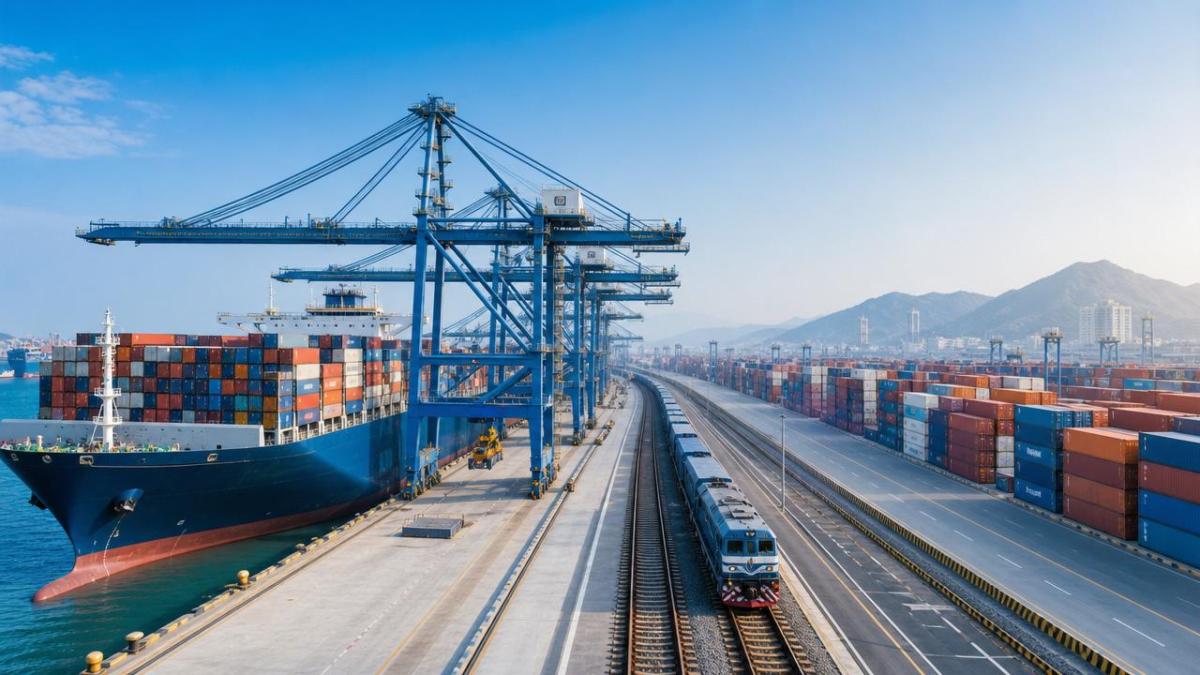
Port dwell time once looked like a local operational issue. Today, it signals the health of entire land-sea supply chains.
Longer stays at berth or in yard storage now ripple into rail scheduling, feeder timing, inventory buffers, and charter costs.
That is why maritime logistics optimization techniques are moving from optional improvement tools to board-level efficiency priorities.
GTOT’s land-and-sea perspective highlights a clear trend. Digital control logic and synchronized asset movement are converging across transport modes.
Ports are no longer judged only by throughput. They are judged by predictability, data accuracy, and how fast cargo can keep moving.
Why maritime logistics optimization techniques are accelerating now
Several market signals explain the urgency behind maritime logistics optimization techniques and the focus on reducing port dwell time.
These forces are pushing operators to replace fragmented reaction with coordinated control. That is the core promise of maritime logistics optimization techniques.
The strongest optimization gains now come from synchronized decisions
Reducing dwell time rarely depends on one breakthrough. It usually comes from several linked improvements working at the same time.
1. Dynamic berth allocation
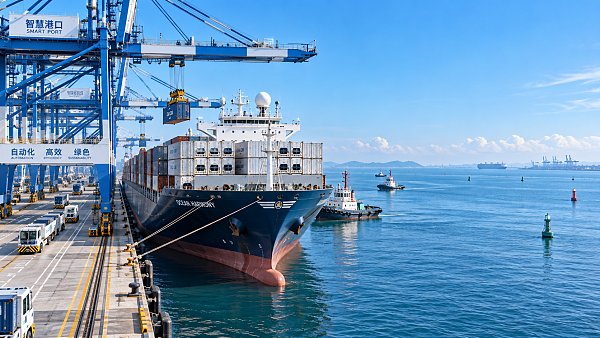
Static berth planning struggles when ETA reliability drops. Dynamic allocation updates berth windows using live vessel position, congestion, and crane availability.
This reduces idle waiting outside port and prevents avoidable berth conflicts after arrival.
2. Predictive yard planning
Yard bottlenecks often create hidden dwell time. Predictive slotting places containers according to onward mode, priority, and expected pickup sequence.
Fewer rehandles mean faster retrieval, lower equipment cycling, and more stable yard productivity.
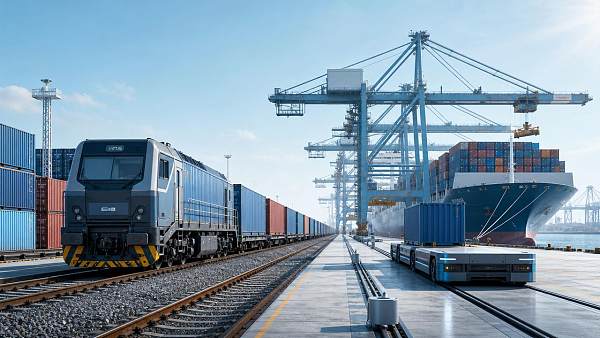
3. Ship-to-shore workflow alignment
Crane moves, truck dispatch, gate readiness, and documentation release must align. If one link lags, vessel time stretches quickly.
Strong maritime logistics optimization techniques focus on this handoff discipline, not just equipment speed.
4. Data-led exception management
Operations teams need alerts for missed cutoffs, customs holds, late trucking, and unbalanced yard blocks.
By acting early on exceptions, ports prevent small disruptions from becoming vessel-level delays.
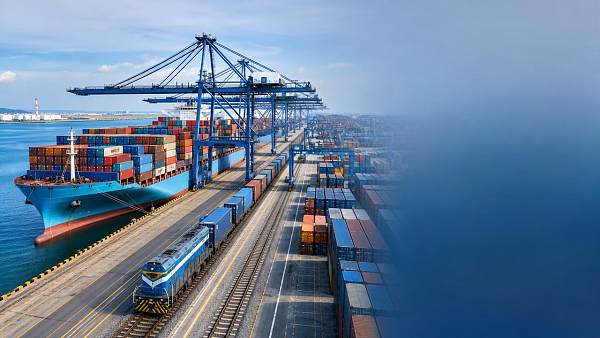
5. Better intermodal timing
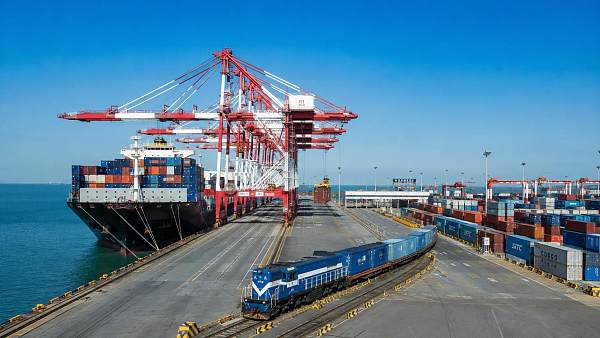
A box does not truly leave congestion until rail or road capacity receives it. Port optimization therefore extends beyond terminal fences.
This is where GTOT’s cross-sector view becomes relevant. Railway control precision and maritime flow planning increasingly support each other.
The impact spreads across vessels, terminals, and inland networks
When maritime logistics optimization techniques reduce port dwell time, the benefits are shared across multiple business links.
- Vessels gain tighter turnaround, lower fuel waste, and more reliable rotation planning.
- Terminals improve crane productivity, yard balance, and labor utilization.
- Rail corridors receive cargo in more even waves, reducing inland pileups.
- Cargo owners benefit from better ETA confidence and lower inventory uncertainty.
- Energy and heavy industry lanes gain resilience where LNG, project cargo, or specialized handling are involved.
The reverse is also true. Poor synchronization at one node can erase gains made by smart ships, advanced rail systems, or digital tracking tools.
That makes port dwell time a shared systems issue, not a standalone terminal metric.
What deserves close attention as optimization programs mature
Not every improvement effort delivers durable results. The most effective maritime logistics optimization techniques usually share several characteristics.
- A single operational picture that combines berth, yard, gate, and inland status.
- Common event definitions, so delays are measured consistently across partners.
- Priority rules for exceptions, rather than treating every disruption as equal.
- Integration with vessel systems, terminal systems, and intermodal scheduling tools.
- Performance reviews tied to dwell time segments, not just monthly throughput totals.
- Scalability for smart container ships and increasingly automated transport assets.
These points matter because technology alone cannot reduce delays. Value appears when visibility drives better decisions at the right moment.
A practical path for applying maritime logistics optimization techniques
A focused roadmap helps convert ambition into measurable reduction of port dwell time.
This phased approach makes maritime logistics optimization techniques more practical, especially where complex fleets and intermodal dependencies already exist.
The next competitive edge will come from intelligent land-sea coordination
The future of port efficiency will not be defined by isolated terminal upgrades alone. It will depend on coordinated intelligence across sea, port, and inland systems.
That direction matches GTOT’s wider vision. Smart container ships, advanced railway control, and digital decision centers are becoming parts of one performance chain.
For that reason, maritime logistics optimization techniques should be evaluated as strategic infrastructure capabilities, not only as local process fixes.
A useful next step is to map where dwell time accumulates, identify which decisions are still disconnected, and prioritize the data links that unlock faster flow.
Organizations that act early can turn congestion pressure into a long-term reliability advantage, while strengthening the resilience of the entire transport network.
Recommended News
 Sep 22, 2026When smart vessels equipment improves port turnaround timeSmart vessels equipment helps reduce port turnaround time with reliable arrival forecasts, cargo visibility, and equipment readiness. Explore practical integration strategies.
 Sep 17, 2026When does a port vessel integration platform reduce turnaround delays?Port vessel integration platform: discover when connected data, coordinated workflows, and early alerts reduce turnaround delays and improve port-call reliability.
 Sep 04, 2026How smart land-sea interconnection improves cargo visibility at portsSmart land sea interconnection gives ports real-time cargo visibility across vessels, terminals, rail, and inland networks—reducing delays, risk, and costly disruptions.
 Aug 31, 2026When does a smart container ship platform reduce port turnaround delays?Smart container ship platform insights: reduce port turnaround delays with shared timelines, proactive exception management, and faster vessel-port coordination.
 Jul 28, 2026Integrated Ship to Shore Systems: Key Factors for Reliable Port IntegrationIntegrated ship to shore systems guide reliable port integration by addressing interfaces, latency, cybersecurity, failure recovery, and retrofit risks—essential reading before choosing a vendor.
 Jul 13, 2026How to Evaluate a Port Vessel Integration ProviderPort vessel integration provider evaluation starts with scope, interoperability, cybersecurity, and delivery strength. Learn how to choose a reliable partner for safer, smarter port operations.
 Jul 12, 2026How Smart Container Ships Technology Cuts Port DelaysSmart container ships technology helps cut port delays with live ETA data, better berth planning, and faster cargo handling. See how it improves reliability and lowers supply chain disruption.
 Jul 09, 2026Vessel Connectivity for Cargo Ships: Solving Data Gaps at SeaVessel connectivity for cargo ships explained through real voyage scenarios—learn how to reduce data gaps, improve fleet decisions, and choose smarter sea-to-shore connectivity.
 Jul 08, 2026Real Time Ship to Shore: What Delays Data Sync in Port Operations?Real time ship to shore delays can disrupt port efficiency, safety, and turnaround. Discover the hidden causes of data sync issues and practical fixes to improve maritime operations.
![]() Jul 07, 2026Smart Ship Connectivity for Fleet Monitoring: What Delivers ROISmart ship connectivity for fleet monitoring delivers ROI when data, alerts, and workflows match real fleet operations. Learn how to reduce delays, control risk, and improve asset performance.
Jul 07, 2026Smart Ship Connectivity for Fleet Monitoring: What Delivers ROISmart ship connectivity for fleet monitoring delivers ROI when data, alerts, and workflows match real fleet operations. Learn how to reduce delays, control risk, and improve asset performance. Jun 29, 2026Digital Ship to Shore Integration: Key Risks Before DeploymentDigital ship to shore integration: discover the top pre-deployment risks in interoperability, cybersecurity, data quality, workflows, and compliance to ensure a smoother rollout.
 Jun 26, 2026Ship to Shore Integration: Key Performance Checks Before DeploymentShip to shore integration is critical before deployment. Check interface stability, data accuracy, cyber resilience, and crane coordination to boost safety, reduce delays, and improve terminal performance.
 Jun 15, 2026Land-Sea Interconnection Challenges in Port Logistics and Cargo FlowLand-sea interconnection challenges in port logistics can disrupt cargo flow, raise costs, and delay delivery. Discover practical strategies to improve coordination, visibility, and resilience.
 Jun 10, 2026Improving Port Efficiency with Better Ship-to-Shore SynergyShip-to-shore synergy is the key to improving port efficiency. Discover how better vessel-terminal coordination reduces delays, supports rail-yard flow, and boosts reliable throughput.
 Jun 07, 2026How to Compare Intermodal Transport Systems for Port-Centric Cargo FlowsIntermodal transport systems for port-centric cargo flows: compare reliability, rail-sea coordination, scalability, and data visibility to choose smarter, more resilient logistics solutions.
![]() May 23, 2026How Smart Maritime Technology Cuts Port Delay RisksSmart maritime technology helps cut port delay risks with predictive ETA, AI routing, and connected port visibility—reducing fuel waste, improving berth planning, and strengthening supply chain resilience.
May 23, 2026How Smart Maritime Technology Cuts Port Delay RisksSmart maritime technology helps cut port delay risks with predictive ETA, AI routing, and connected port visibility—reducing fuel waste, improving berth planning, and strengthening supply chain resilience. May 21, 2026Maritime Logistics Optimization Techniques That Reduce Port Dwell TimeMaritime logistics optimization techniques help cut port dwell time through smarter berth planning, yard coordination, and real-time visibility—discover practical ways to boost flow and reliability.
 May 17, 2026Land-Sea Interconnection Models That Improve Cargo TurnaroundLand-sea interconnection models that improve cargo turnaround: explore fixed-slot rail-berth links, dry ports, smart visibility, and safer corridor design to cut dwell time and boost logistics performance.