



Search News
Industry Portal
Popular Tags
Smart Ship Connectivity for Fleet Monitoring: What Delivers ROI

Author
Time
Click Count
Where smart ship connectivity for fleet monitoring starts to create measurable value
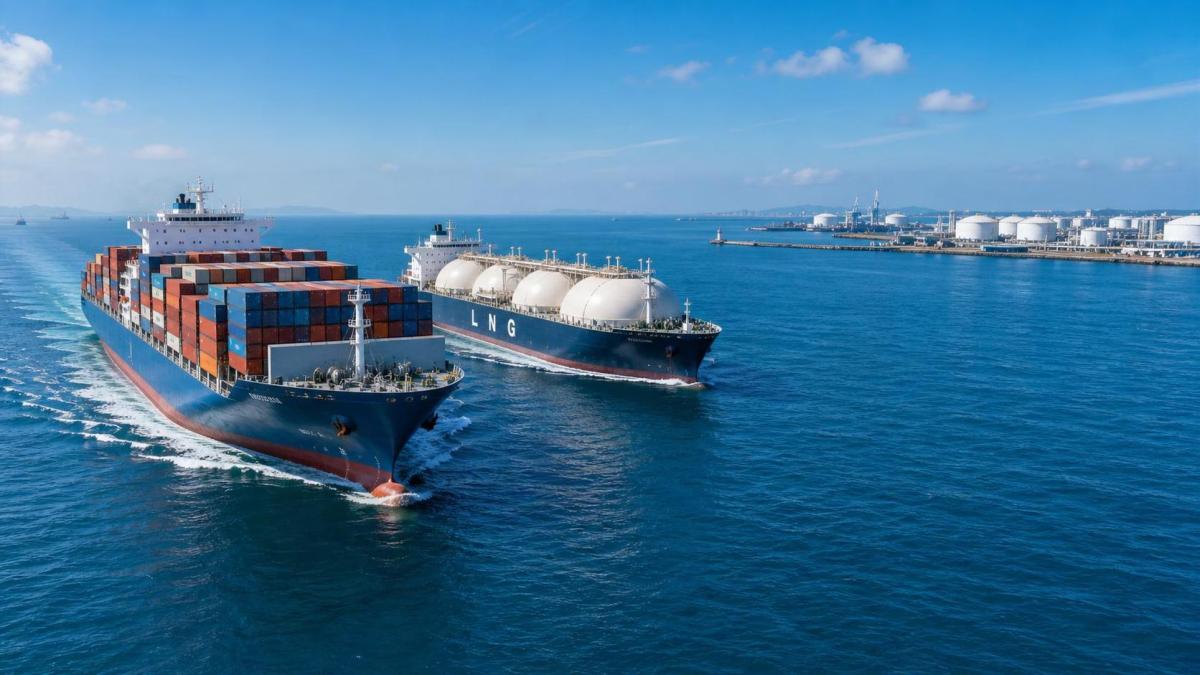
Smart ship connectivity for fleet monitoring matters when visibility gaps start affecting fuel, schedules, and cargo confidence.
In practice, the ROI does not come from connectivity alone.
It comes from matching onboard data, transmission reliability, and operating decisions to the vessel’s real duty cycle.
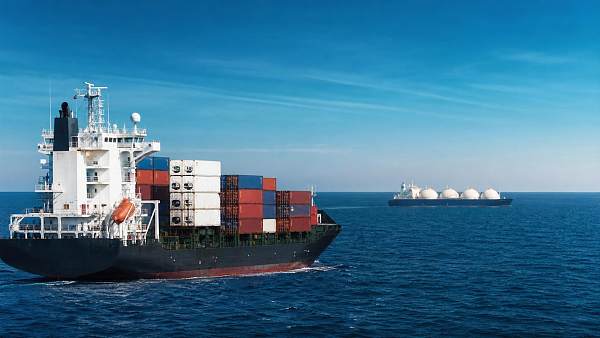
That is why the same monitoring architecture rarely performs equally across container ships, LNG carriers, and mixed global fleets.
At GTOT, maritime intelligence is often viewed alongside rail signalling, traction, and braking systems.
The common lesson is straightforward: mission-critical assets create value only when data quality supports timely control.
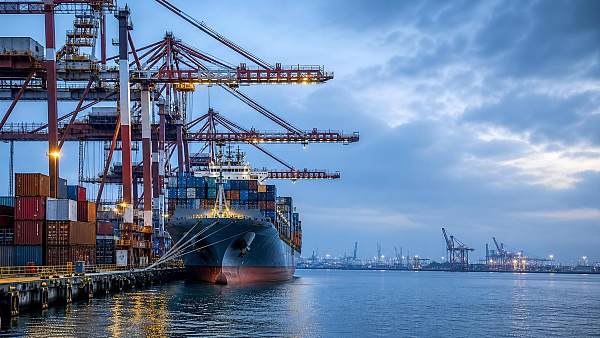
For smart container ships, that means linking route conditions, engine behavior, cargo flow, and port coordination into one dependable information chain.
For LNG carriers, the picture is tighter.
Connectivity must support cryogenic cargo integrity, propulsion flexibility, and compliance evidence, not just position tracking.
Actual ROI depends on which operating scene the fleet faces
Different operating scenes create different data priorities.
A vessel crossing major trade corridors needs consistent bandwidth for engine, weather, and routing updates.
A vessel moving through port congestion needs lower latency and stronger ship-to-shore coordination.
A vessel on sensitive energy routes needs auditable alarms and secure event history.
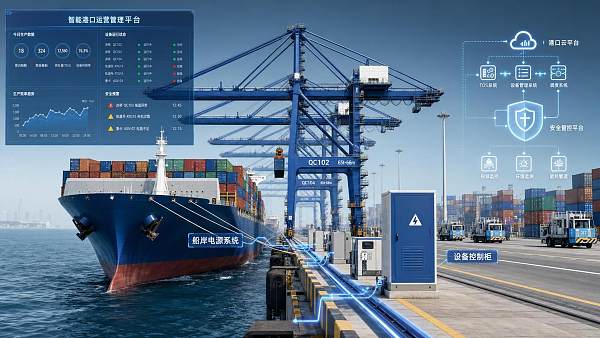
This is where smart ship connectivity for fleet monitoring becomes a business design question.
The choice is not only satellite versus hybrid networks.
It is also about which decisions must happen onboard, which can wait for shore analysis, and which failures are unacceptable.
More advanced fleets usually separate three layers.
- Operational monitoring for speed, fuel burn, machinery condition, and voyage progress.
- Exception management for alarms, deviation events, and maintenance triggers.
- Strategic optimization for charter performance, route efficiency, and asset utilization.
When these layers are mixed without priority rules, bandwidth gets wasted and crews receive data that cannot support action.
On busy liner routes, consistency beats raw data volume
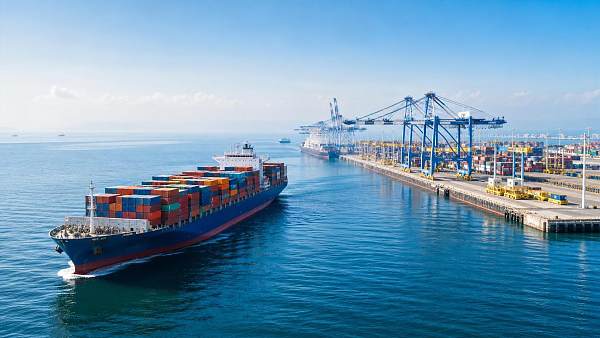
Container fleets running fixed schedules usually gain ROI from predictability first.
They need smart ship connectivity for fleet monitoring that keeps ETA accuracy, fuel trend analysis, and port readiness aligned.
In this scene, small delays multiply through terminal windows, feeder links, and inland transfers.
The better approach is not maximum sensor count.
It is disciplined data selection around propulsion status, hull performance, weather-routing adjustments, and cargo handling milestones.
For LNG shipping, monitoring value sits closer to risk control
LNG carriers operate under a narrower tolerance band.
Here, smart ship connectivity for fleet monitoring supports boil-off management, dual-fuel propulsion decisions, and documentation for safety review.
A lost data packet may not stop the ship.
But delayed condition awareness can weaken response quality during abnormal cargo or machinery events.
That is why secure transmission, event traceability, and alarm hierarchy often matter more than dashboard richness.
The same fleet monitoring goal hides very different technical needs
A useful comparison makes the differences clearer.
This is also why direct borrowing from another fleet can mislead.
Two operators may use the same smart ship connectivity for fleet monitoring label, yet need very different reporting cadence, cyber controls, and onboard storage logic.
Where fleet monitoring projects often go wrong before deployment
One common mistake is judging the system by communication speed alone.
High throughput does not guarantee useful monitoring if sensor mapping is inconsistent or shore systems cannot absorb the data.
Another mistake is treating similar vessels as identical operating scenes.
Two ships of the same class may sail under different charter terms, routes, and maintenance philosophies.
That changes what smart ship connectivity for fleet monitoring must deliver.
The third oversight is cost framing.
Many evaluations stop at hardware and subscription pricing.
The larger cost often comes from integration work, crew workflow disruption, false alarms, and weak data governance.
- Do not separate monitoring from maintenance planning.
- Do not ignore cyber resilience on ship-to-shore channels.
- Do not assume every signal needs real-time transmission.
- Do not overlook interoperability with legacy bridge and engine systems.
In GTOT’s broader transport view, this resembles rail control logic.
Critical information needs validation, prioritization, and controlled response paths, not just broader connectivity.
What a better-fit connectivity stack usually looks like
A practical deployment usually begins with decision mapping.
List the moments where delayed visibility creates direct financial or operational loss.
Then assign data classes to those moments.
That keeps smart ship connectivity for fleet monitoring tied to outcomes rather than features.
Useful selection criteria tend to include the following
- Which vessel events require near-real-time alerts, and which can be batch synchronized.
- How much onboard preprocessing is needed before transmission.
- Whether route geography creates persistent blind spots or bandwidth cost spikes.
- How monitoring outputs connect to voyage planning, maintenance, and compliance records.
- What fallback mode is acceptable during communication degradation.
For fleets with mixed maritime and inland logistics exposure, the strongest ROI often comes from shared data discipline.
That includes standardized event definitions, timestamp integrity, and common reporting thresholds.
This is especially relevant when vessel monitoring feeds broader land-sea supply chain planning.
A sensible next step is to define the monitoring scene before choosing the technology
Smart ship connectivity for fleet monitoring delivers ROI when the operating scene is defined with enough precision.
That means clarifying route pattern, cargo sensitivity, maintenance model, reporting duty, and decision speed requirements.
Once those conditions are visible, connectivity choices become easier to rank.
The useful next move is not chasing the most advanced platform headline.
It is building a short scene-by-scene matrix for data priority, integration difficulty, implementation risk, and lifecycle cost.
That process usually reveals where smart ship connectivity for fleet monitoring will pay back quickly, where it needs phased rollout, and where simpler architecture is the smarter choice.
For transport businesses working across ocean and inland networks, this kind of disciplined fit assessment is what turns digital monitoring into durable asset value.
Recommended News
 Sep 22, 2026When smart vessels equipment improves port turnaround timeSmart vessels equipment helps reduce port turnaround time with reliable arrival forecasts, cargo visibility, and equipment readiness. Explore practical integration strategies.
 Sep 17, 2026When does a port vessel integration platform reduce turnaround delays?Port vessel integration platform: discover when connected data, coordinated workflows, and early alerts reduce turnaround delays and improve port-call reliability.
 Sep 04, 2026How smart land-sea interconnection improves cargo visibility at portsSmart land sea interconnection gives ports real-time cargo visibility across vessels, terminals, rail, and inland networks—reducing delays, risk, and costly disruptions.
 Aug 31, 2026When does a smart container ship platform reduce port turnaround delays?Smart container ship platform insights: reduce port turnaround delays with shared timelines, proactive exception management, and faster vessel-port coordination.
 Jul 28, 2026Integrated Ship to Shore Systems: Key Factors for Reliable Port IntegrationIntegrated ship to shore systems guide reliable port integration by addressing interfaces, latency, cybersecurity, failure recovery, and retrofit risks—essential reading before choosing a vendor.
 Jul 13, 2026How to Evaluate a Port Vessel Integration ProviderPort vessel integration provider evaluation starts with scope, interoperability, cybersecurity, and delivery strength. Learn how to choose a reliable partner for safer, smarter port operations.
 Jul 12, 2026How Smart Container Ships Technology Cuts Port DelaysSmart container ships technology helps cut port delays with live ETA data, better berth planning, and faster cargo handling. See how it improves reliability and lowers supply chain disruption.
 Jul 09, 2026Vessel Connectivity for Cargo Ships: Solving Data Gaps at SeaVessel connectivity for cargo ships explained through real voyage scenarios—learn how to reduce data gaps, improve fleet decisions, and choose smarter sea-to-shore connectivity.
 Jul 08, 2026Real Time Ship to Shore: What Delays Data Sync in Port Operations?Real time ship to shore delays can disrupt port efficiency, safety, and turnaround. Discover the hidden causes of data sync issues and practical fixes to improve maritime operations.
![]() Jul 07, 2026Smart Ship Connectivity for Fleet Monitoring: What Delivers ROISmart ship connectivity for fleet monitoring delivers ROI when data, alerts, and workflows match real fleet operations. Learn how to reduce delays, control risk, and improve asset performance.
Jul 07, 2026Smart Ship Connectivity for Fleet Monitoring: What Delivers ROISmart ship connectivity for fleet monitoring delivers ROI when data, alerts, and workflows match real fleet operations. Learn how to reduce delays, control risk, and improve asset performance. Jun 29, 2026Digital Ship to Shore Integration: Key Risks Before DeploymentDigital ship to shore integration: discover the top pre-deployment risks in interoperability, cybersecurity, data quality, workflows, and compliance to ensure a smoother rollout.
 Jun 26, 2026Ship to Shore Integration: Key Performance Checks Before DeploymentShip to shore integration is critical before deployment. Check interface stability, data accuracy, cyber resilience, and crane coordination to boost safety, reduce delays, and improve terminal performance.
 Jun 15, 2026Land-Sea Interconnection Challenges in Port Logistics and Cargo FlowLand-sea interconnection challenges in port logistics can disrupt cargo flow, raise costs, and delay delivery. Discover practical strategies to improve coordination, visibility, and resilience.
 Jun 10, 2026Improving Port Efficiency with Better Ship-to-Shore SynergyShip-to-shore synergy is the key to improving port efficiency. Discover how better vessel-terminal coordination reduces delays, supports rail-yard flow, and boosts reliable throughput.
 Jun 07, 2026How to Compare Intermodal Transport Systems for Port-Centric Cargo FlowsIntermodal transport systems for port-centric cargo flows: compare reliability, rail-sea coordination, scalability, and data visibility to choose smarter, more resilient logistics solutions.
![]() May 23, 2026How Smart Maritime Technology Cuts Port Delay RisksSmart maritime technology helps cut port delay risks with predictive ETA, AI routing, and connected port visibility—reducing fuel waste, improving berth planning, and strengthening supply chain resilience.
May 23, 2026How Smart Maritime Technology Cuts Port Delay RisksSmart maritime technology helps cut port delay risks with predictive ETA, AI routing, and connected port visibility—reducing fuel waste, improving berth planning, and strengthening supply chain resilience. May 21, 2026Maritime Logistics Optimization Techniques That Reduce Port Dwell TimeMaritime logistics optimization techniques help cut port dwell time through smarter berth planning, yard coordination, and real-time visibility—discover practical ways to boost flow and reliability.
 May 17, 2026Land-Sea Interconnection Models That Improve Cargo TurnaroundLand-sea interconnection models that improve cargo turnaround: explore fixed-slot rail-berth links, dry ports, smart visibility, and safer corridor design to cut dwell time and boost logistics performance.