Search News
Industry Portal
Popular Tags
What Is G TOT and How Can It Improve Port Call Coordination?
Author
Time
Click Count
G TOT refers to a connected intelligence approach for global transit and ocean operations, with particular relevance to the moments before, during, and after a vessel calls at port. A port call is not a single event. It is a chain of linked decisions involving estimated arrival time, pilot boarding, tug availability, berth assignment, cargo readiness, terminal equipment, customs clearance, bunker activity, crew changes, and departure planning. Coordination improves when these decisions are based on the same current operational picture rather than on separate schedules that become outdated as conditions change.
For port-call coordination, the practical value of this approach lies in connecting vessel movement data with shore-side constraints. A ship may have an apparently reliable arrival estimate, yet that estimate alone says little about whether a berth will be open, whether the planned cargo operation can begin, or whether a delay at anchorage will create a conflict with the next vessel. Better coordination depends on identifying such dependencies early enough to adjust the plan without causing unnecessary waiting, rework, or unsafe rushing.
A port call is a sequence of handoffs
The visible arrival of a vessel at a harbor entrance is only one point in a longer operational sequence. Before that point, a shipping line, vessel master, port authority, terminal, pilot service, tug operator, agent, cargo interests, and service contractors may all be working from different information sources. Each party sees part of the call. The difficulty is not simply collecting more messages; it is determining which information is current, what it affects, and whether it is reliable enough to change a decision.
A coordinated port call treats the vessel's arrival as a moving forecast linked to operational milestones. These milestones commonly include departure from the previous port, speed and route changes, arrival at a designated waiting area, pilot order confirmation, pilot boarding, all-fast time at berth, commencement of cargo work, cargo completion, and departure. The difference between planned and actual timing at each milestone reveals where the schedule has become unstable.
For example, a vessel slowing down offshore can mean several very different things. It may be conducting speed management because its berth is not yet available. It may be constrained by weather, traffic separation rules, machinery conditions, tidal windows, or a revised arrival instruction. Treating every speed reduction as a port-congestion signal creates false alarms. The movement pattern must be read alongside navigational conditions, port instructions, and the status of the planned berth.
From estimated arrival to a usable operational forecast
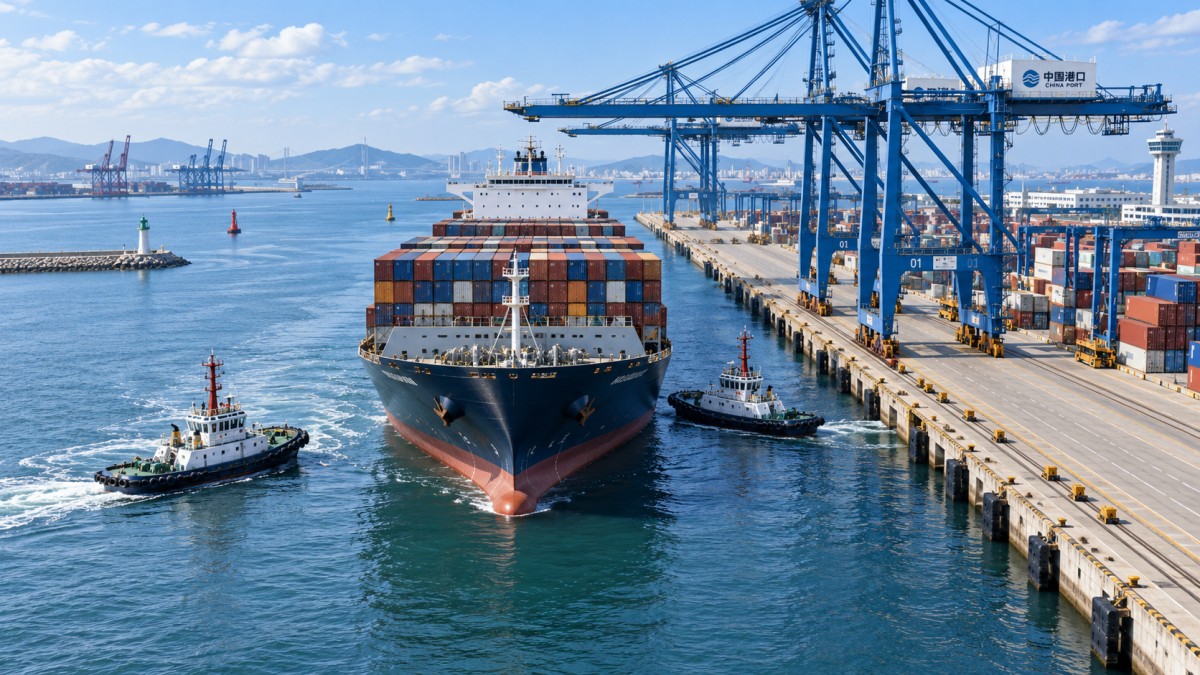
An estimated time of arrival is frequently misunderstood as a fixed promise. It is better understood as a forecast with assumptions. Its usefulness changes according to how it was calculated, when it was last updated, and which constraints have been included. A forecast based only on distance and current speed can look precise while ignoring weather routing, safe-speed requirements, canal or fairway restrictions, traffic, and the vessel's likely need to wait outside port limits.
For coordination purposes, the more useful question is: arrival where, under what readiness condition, and for which subsequent activity? Arrival at pilot station, port limits, anchorage, berth, and cargo-ready status are distinct events. Confusing them can make a port call appear on time when the terminal still cannot begin work. A container vessel may reach the port area as planned but wait because the berth is occupied. An LNG carrier may be near the terminal while remaining outside the final approach window because marine conditions, transfer readiness, or berth-specific procedures require a different sequence.
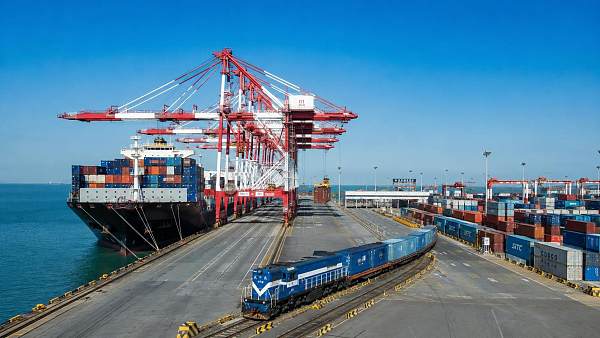
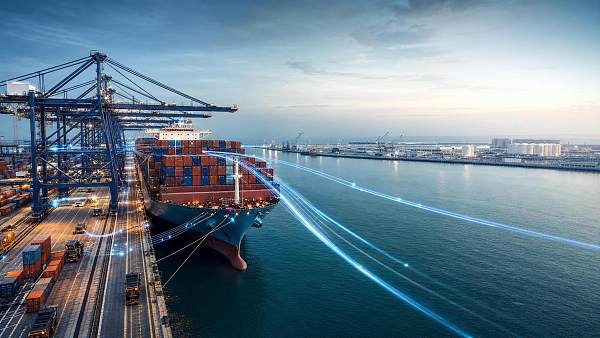
G TOT can improve understanding of this problem by framing arrival data as part of a dependency network. The vessel's revised arrival estimate affects pilot allocation. Pilot timing affects tug deployment and berth occupation. Berth occupation affects the start time of cargo handling, which then affects yard planning, truck gates, rail connections, and the departure window. A change should therefore be assessed for its downstream effect, rather than being circulated as an isolated revised ETA.
Parameters that need context
Several signals are valuable, but none should be interpreted alone. Automatic identification system data can show position, course, speed, and navigational status. It does not always show why a vessel changed speed, whether its reported destination is current, or whether a berth plan has changed. Port call messages can show intended milestones, but a message may remain technically valid after local conditions make the underlying plan unlikely. Weather information can indicate wind, visibility, waves, or current, yet its operational impact depends on harbor geometry, vessel size, loading condition, tug capability, and local operating limits.
Draft is another example. A reported draft can influence tidal planning and berth suitability, but it must be interpreted with cargo condition, water density, under-keel clearance policy, dredging status, and the actual route to berth. A simple comparison between draft and charted depth is not a usable navigation decision. The same applies to vessel dimensions: length overall and beam affect berth compatibility, while air draft may matter near bridges or loading equipment. These dimensions become operationally meaningful only when paired with the specific approach and berth arrangement.
Where coordination failures usually begin
Many delays originate before the vessel reaches port. A cargo completion estimate from the previous port may be optimistic. A terminal may reserve a berth based on a schedule that no longer reflects the vessel's progress. A pilot request may be made at a broad time window and then tightened too late for the available resources. These are not necessarily failures by one party; they are often the result of separate workflows updating at different speeds.
Another common source of confusion is the difference between a berth being physically vacant and being operationally available. A berth may be clear of a ship but still unavailable because mooring arrangements are being reset, cargo equipment requires inspection, shore labor is not assigned, a prior operation has not been closed in the terminal system, or a planned maintenance activity occupies part of the working area. The vessel side may read “berth open” as an instruction to proceed, while the terminal side means only that the previous vessel has departed.
Port-call visibility should preserve these distinctions. A status field such as “available” has limited value unless it identifies the condition being described: physically clear, safe to berth, ready to moor, ready for cargo, or ready for a particular service. Granular status descriptions reduce repeated clarification calls and make it easier to recognize when a delay has shifted from navigation to terminal readiness.
Coordinating the berth plan without creating false precision
A berth plan is often displayed as a tidy timeline, but it is a conditional plan. Arrival order, vessel priority, cargo handling rate, weather interruptions, crane performance, lashing operations, inspections, and outbound documentation can all alter it. Excessively detailed schedules can mislead when they imply certainty that the underlying inputs do not support.
A stronger approach separates fixed constraints from flexible assumptions. Fixed constraints may include berth length, maximum permissible draft, hazardous-cargo separation requirements, tidal access periods, lock availability, or a committed service window. Flexible assumptions may include expected cargo productivity, sailing speed, planned bunkering duration, or the likely completion time of the vessel currently alongside. When an assumption changes, the plan can be revised without treating every element as equally uncertain.
The planning horizon also matters. A berth allocation made several days ahead needs broader assumptions and alternatives. As the vessel nears port, the same plan should become more specific: pilot boarding time, tug requirements, mooring side, crane sequence, bunker coordination, and gate or yard impacts. Combining long-range commercial planning with near-term marine execution in one undifferentiated schedule creates avoidable confusion.
The role of exception management
Routine port calls do not require constant intervention. Attention is most useful when the plan crosses a threshold that changes another party's work. A delay matters when it threatens a pilot slot, overlaps a tidal window, removes the buffer before a connecting rail departure, or causes a berth conflict. Conversely, a small timing change may require no action when sufficient berth and resource capacity remain.
Effective exception management therefore needs both a trigger and an owner. The trigger might be a material variance between planned and predicted arrival, a change in navigational condition, an equipment outage, or a cargo-document hold. The owner is the role responsible for confirming the new operating assumption and communicating its impact. Without this distinction, alerts become a stream of observations with no clear route to resolution.
- A predicted arrival shift should be connected to the affected pilot, berth, and terminal milestones, rather than distributed only as a revised timestamp.
- When a vessel enters a waiting pattern, the recorded reason should distinguish berth unavailability from weather, traffic, tide, documentation, or vessel-side constraints.
- Cargo readiness requires confirmation beyond berth assignment. Container discharge plans, dangerous-goods segregation, reefer capacity, project-cargo lifting arrangements, and tank-terminal line readiness can each delay the start of work.
- Departure planning should begin before cargo completion. Clearance status, unberthing resources, bunker completion, final stability information, and navigational windows can otherwise turn a short cargo overrun into a much longer stay.
Different vessel calls create different coordination problems
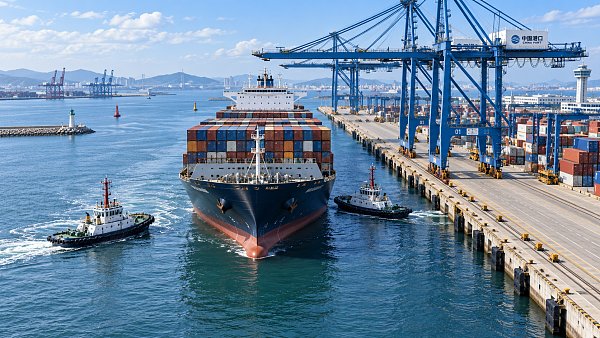
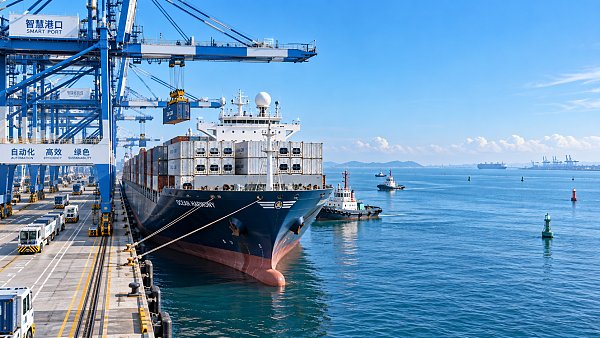
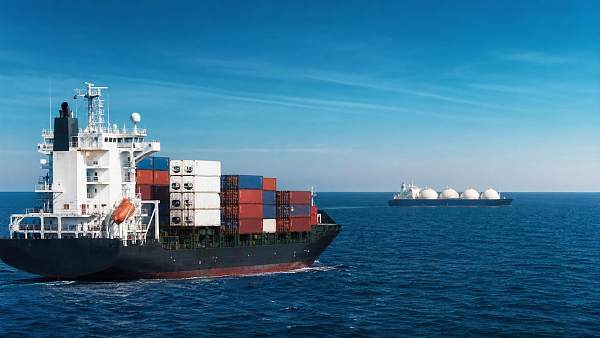
Port-call coordination cannot use one template for every vessel type. A smart container ship often creates a dense sequence of berth, crane, yard, customs, feeder, truck, and rail dependencies. The berth window is important, but the quality of the cargo plan can matter just as much. A vessel can arrive on time and still lose productivity if the yard sequence, stowage plan, or equipment availability does not match the actual discharge and loading order.
An LNG carrier presents a different set of constraints. Arrival planning may be closely connected to berth occupancy, marine weather, transfer arrangements, terminal readiness, and vessel-specific operating procedures. The key coordination issue is not simply shortening port stay. It is preserving disciplined confirmation across safety-sensitive milestones. A forecast that encourages premature movement toward a terminal without confirmed readiness can create operational pressure rather than efficiency.
Bulk, breakbulk, and project-cargo calls also require a more physical reading of readiness. Cargo composition, hatch sequence, lifting gear, shore cranes, storage area, weather sensitivity, and survey activity can change the time required at berth. A planned handling rate is useful only when it reflects the actual cargo mix and equipment configuration. Treating all tons, containers, or parcels as interchangeable produces poor predictions.
What better coordination looks like
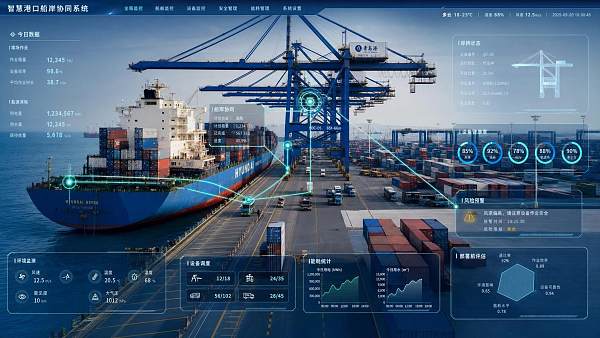
Improved coordination is visible in the quality of decisions, not simply in the amount of data displayed. The vessel and shore teams share a consistent understanding of the next operational milestone, the constraints that could change it, and the point at which a revised plan becomes necessary. Arrival information is connected to berth readiness; berth readiness is connected to cargo or service readiness; departure timing is connected to clearances and marine resources.
This also supports more realistic speed management. If a berth will not be ready, an earlier and credible update may allow the voyage plan to be adjusted rather than having the vessel arrive only to wait at anchor. That outcome depends on reliable port information. Asking a vessel to slow down without confidence in the revised berth window merely transfers uncertainty offshore.
The central lesson is that port-call coordination improves when timestamps are treated as conditional operational commitments. A useful view of the call retains the reasons behind a forecast, distinguishes similar-looking statuses, and exposes dependencies before they become delays. That creates a clearer basis for aligning vessel movement, marine services, berth access, and cargo operations across the full call.
Recommended News
 Nov 05, 2026How does a ship-to-shore synergy platform handle data delays?Discover how a ship-to-shore synergy platform handles data delays with onboard buffering, priority-based delivery and reliable recovery.
 Oct 14, 2026How to Identify Top Predictive ETA Suppliers for Standardised Port Call TimestampsTop predictive ETA suppliers for ports for standardised port call timestamp reporting: compare accuracy, data transparency, integration and governance for smarter procurement.
 Oct 13, 2026Where a Synchro Port Operations Platform Helps Reduce Berth and Pilot DelaysA synchro port operations platform helps reduce berth and pilot delays through real-time ETA, resource, tide, and berth-readiness coordination for predictable turnarounds.
 Oct 12, 2026GTOT Integration Checklist for Reliable Port Call Data ExchangeGTOT integration checklist for reliable port call data exchange. Align events, timestamps, exceptions, security, and inland planning to improve operational trust.
 Oct 11, 2026What Is G TOT and How Can It Improve Port Call Coordination?G TOT improves port call coordination by connecting vessel ETA, berth readiness, pilot services, and cargo operations for smarter, faster decisions.
 Sep 22, 2026When smart vessels equipment improves port turnaround timeSmart vessels equipment helps reduce port turnaround time with reliable arrival forecasts, cargo visibility, and equipment readiness. Explore practical integration strategies.
 Sep 17, 2026When does a port vessel integration platform reduce turnaround delays?Port vessel integration platform: discover when connected data, coordinated workflows, and early alerts reduce turnaround delays and improve port-call reliability.
 Sep 04, 2026How smart land-sea interconnection improves cargo visibility at portsSmart land sea interconnection gives ports real-time cargo visibility across vessels, terminals, rail, and inland networks—reducing delays, risk, and costly disruptions.
 Aug 31, 2026When does a smart container ship platform reduce port turnaround delays?Smart container ship platform insights: reduce port turnaround delays with shared timelines, proactive exception management, and faster vessel-port coordination.
 Jul 28, 2026Integrated Ship to Shore Systems: Key Factors for Reliable Port IntegrationIntegrated ship to shore systems guide reliable port integration by addressing interfaces, latency, cybersecurity, failure recovery, and retrofit risks—essential reading before choosing a vendor.
 Jul 13, 2026How to Evaluate a Port Vessel Integration ProviderPort vessel integration provider evaluation starts with scope, interoperability, cybersecurity, and delivery strength. Learn how to choose a reliable partner for safer, smarter port operations.
 Jul 12, 2026How Smart Container Ships Technology Cuts Port DelaysSmart container ships technology helps cut port delays with live ETA data, better berth planning, and faster cargo handling. See how it improves reliability and lowers supply chain disruption.
 Jul 09, 2026Vessel Connectivity for Cargo Ships: Solving Data Gaps at SeaVessel connectivity for cargo ships explained through real voyage scenarios—learn how to reduce data gaps, improve fleet decisions, and choose smarter sea-to-shore connectivity.
 Jul 08, 2026Real Time Ship to Shore: What Delays Data Sync in Port Operations?Real time ship to shore delays can disrupt port efficiency, safety, and turnaround. Discover the hidden causes of data sync issues and practical fixes to improve maritime operations.
![]() Jul 07, 2026Smart Ship Connectivity for Fleet Monitoring: What Delivers ROISmart ship connectivity for fleet monitoring delivers ROI when data, alerts, and workflows match real fleet operations. Learn how to reduce delays, control risk, and improve asset performance.
 Jun 29, 2026Digital Ship to Shore Integration: Key Risks Before DeploymentDigital ship to shore integration: discover the top pre-deployment risks in interoperability, cybersecurity, data quality, workflows, and compliance to ensure a smoother rollout.
 Jun 26, 2026Ship to Shore Integration: Key Performance Checks Before DeploymentShip to shore integration is critical before deployment. Check interface stability, data accuracy, cyber resilience, and crane coordination to boost safety, reduce delays, and improve terminal performance.
 Jun 15, 2026Land-Sea Interconnection Challenges in Port Logistics and Cargo FlowLand-sea interconnection challenges in port logistics can disrupt cargo flow, raise costs, and delay delivery. Discover practical strategies to improve coordination, visibility, and resilience.
 Jun 10, 2026Improving Port Efficiency with Better Ship-to-Shore SynergyShip-to-shore synergy is the key to improving port efficiency. Discover how better vessel-terminal coordination reduces delays, supports rail-yard flow, and boosts reliable throughput.
 Jun 07, 2026How to Compare Intermodal Transport Systems for Port-Centric Cargo FlowsIntermodal transport systems for port-centric cargo flows: compare reliability, rail-sea coordination, scalability, and data visibility to choose smarter, more resilient logistics solutions.
![]() May 23, 2026How Smart Maritime Technology Cuts Port Delay RisksSmart maritime technology helps cut port delay risks with predictive ETA, AI routing, and connected port visibility—reducing fuel waste, improving berth planning, and strengthening supply chain resilience.
 May 21, 2026Maritime Logistics Optimization Techniques That Reduce Port Dwell TimeMaritime logistics optimization techniques help cut port dwell time through smarter berth planning, yard coordination, and real-time visibility—discover practical ways to boost flow and reliability.
 May 17, 2026Land-Sea Interconnection Models That Improve Cargo TurnaroundLand-sea interconnection models that improve cargo turnaround: explore fixed-slot rail-berth links, dry ports, smart visibility, and safer corridor design to cut dwell time and boost logistics performance.