



Search News
Industry Portal
Popular Tags
Smart Container Ships: What to Evaluate Before Investing in New Systems

Author
Time
Click Count
Why are smart container ships under closer investment review now?
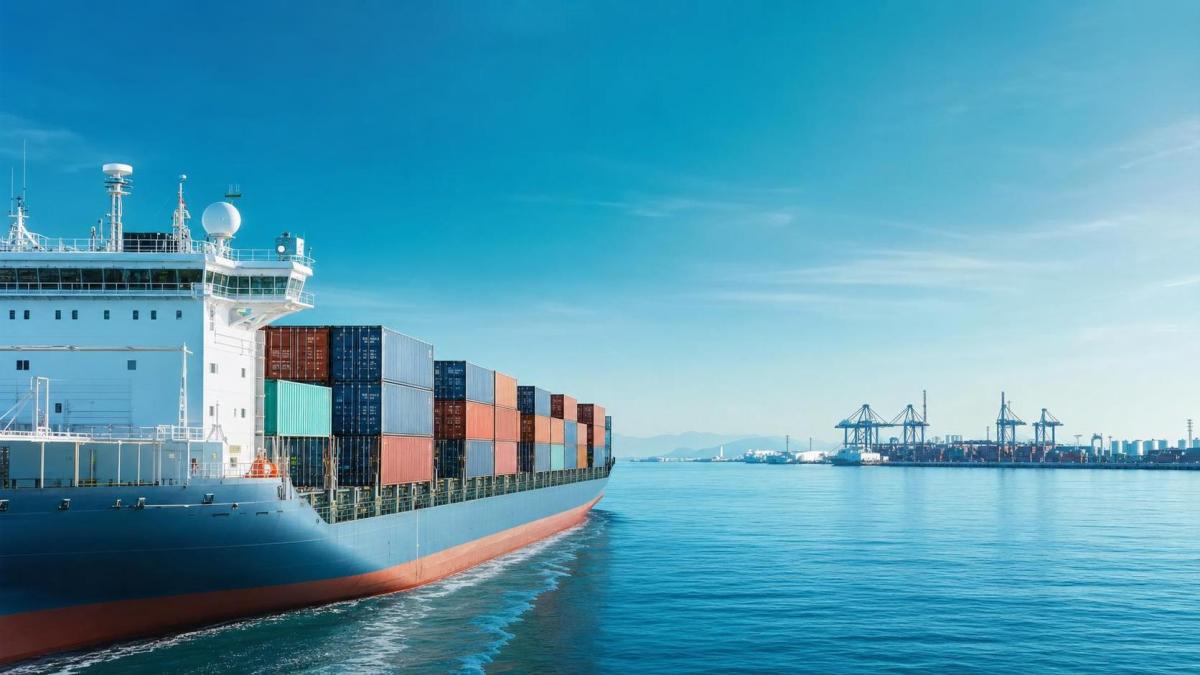
Smart container ships are no longer a future-facing concept. They are becoming a practical decision point in global shipping and broader transport networks.
The main reason is simple. Digital vessel systems now affect fuel use, schedule reliability, cargo visibility, and shore-side coordination at the same time.
That creates opportunity, but it also raises the quality bar for investment decisions. A modern system must prove operational value, not just technical novelty.
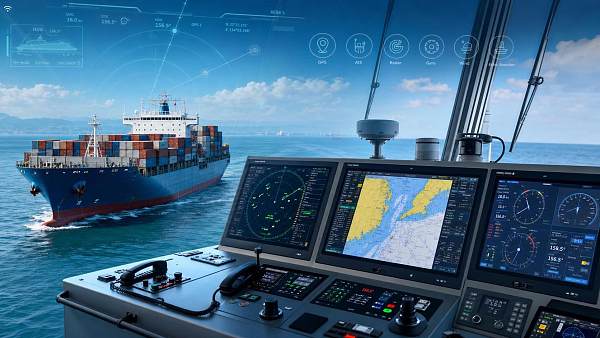
In practice, the best smart container ships connect onboard data, navigation logic, energy management, and terminal workflows into one usable operating model.
This is where cross-sector intelligence matters. GTOT tracks not only advanced ocean-going vessels, but also rail signalling, traction, braking, and LNG shipping systems.
That wider view is useful because supply chains no longer move in isolated modes. Vessel intelligence increasingly affects inland timing, terminal throughput, and network resilience.
So the real question is not whether smart container ships sound promising. It is whether a proposed system can fit technical reality, compliance pressure, and commercial goals.
What should count as a real smart container ship capability?
A useful definition goes beyond automation screens or isolated sensors. The system should support better decisions across voyage planning, cargo handling, maintenance, and emissions control.
More specifically, smart container ships should combine data capture, prediction, and action. If a platform only shows dashboards, it is informative, but not necessarily smart.
A stronger evaluation usually checks whether the system can do the following:
- Integrate voyage, weather, fuel, engine, and cargo status in one decision layer.
- Optimize routes using changing port congestion, currents, and emissions constraints.
- Support predictive maintenance instead of reacting after failures.
- Share structured data with terminals, fleet centers, and partner systems.
- Provide auditable records for safety, environmental, and cybersecurity reviews.
In other words, smart container ships should improve both visibility and response speed. That distinction matters when comparing suppliers that describe similar features in very different ways.
A good test is to ask what action becomes faster or more accurate after installation. If that answer stays vague, the investment case is still immature.
How can you tell whether a new system fits existing fleet and port operations?
This is often where attractive proposals become difficult. A strong smart container ship platform may still underperform if it cannot work with current vessel architecture and shore processes.
Integration should be checked at three levels: onboard equipment, fleet software, and external ecosystems such as ports, customs interfaces, and cargo platforms.
Need-to-know questions usually include interface standards, retrofit complexity, data ownership, and fallback procedures when communications degrade at sea.
The table below helps structure that review before technical workshops become too detailed.
More mature reviews also compare maritime integration with lessons from rail control systems. In both sectors, digital intelligence adds value only when safety logic and interoperability are engineered early.
Where do cost, payback, and lifecycle risk usually get misread?
The common mistake is focusing on purchase price first. For smart container ships, the more meaningful figure is total economic impact across the asset and operating cycle.
That includes software licensing, sensor calibration, crew training, cyber protection, satellite connectivity, update obligations, and unplanned integration work.
Savings also need discipline. Some proposals estimate fuel reductions under ideal routing conditions but ignore weather disruption, charter constraints, and terminal delays.
A better approach is to separate value into operational buckets:
- Direct voyage savings from route and speed optimization.
- Maintenance savings from earlier fault detection.
- Schedule gains from improved berth and terminal coordination.
- Compliance protection from better reporting and traceability.
- Commercial upside from higher cargo visibility and service confidence.
Need attention here: not every benefit appears as a short payback line. Some smart container ships create strategic value by lowering disruption exposure and improving tender competitiveness.
That is especially relevant in a market where emissions rules, digital evidence requirements, and customer visibility standards are all tightening together.
What risks should be checked before approving a smart container ship upgrade?
Technical risk is only one part of the picture. The more difficult issues often involve governance, cyber resilience, certification pathways, and operational acceptance onboard.
For example, an AI-assisted routing tool may look strong in demonstrations, yet struggle when the crew distrusts recommendations or when reporting rules differ by trade lane.
Cybersecurity deserves special attention because smart container ships create more connected endpoints across bridge systems, machinery control, cargo monitoring, and shore communications.
The practical review should cover these points:
- Classification society requirements and approval scope.
- Alignment with IMO cyber risk management expectations.
- Crew training burden and interface usability at sea.
- Vendor support availability across routes and time zones.
- Model transparency for alerts, recommendations, and overrides.
One useful sign of a robust supplier is disciplined documentation. That includes failure logic, patch policy, version control, and evidence from live maritime environments.
GTOT’s wider land-sea perspective is relevant here as well. In both rail and shipping, digital systems gain trust when safety, traceability, and redundancy are treated as design principles.
So how should the final decision be made without overbuying or underbuying?
A balanced decision usually starts with the operating problem, not the technology pitch. That may be fuel volatility, port delay exposure, cargo visibility gaps, or maintenance unpredictability.
From there, define which functions are essential now and which should remain optional for future scaling. This prevents expensive system breadth with limited operational use.
In real projects, a phased path often works better than a full digital leap. Pilot one route class, one vessel segment, or one integration layer before fleet-wide rollout.
A practical shortlist often looks like this:
- Map the exact operational decisions the system must improve.
- Score vendors on interoperability, cyber readiness, and support depth.
- Model lifecycle cost using realistic connectivity and retrofit assumptions.
- Request proof from comparable vessel classes and trade conditions.
- Set measurable pilot indicators before contract expansion.
When evaluating smart container ships, the strongest choice is rarely the one with the longest feature list. It is the system that fits operations, survives compliance scrutiny, and delivers visible gains over time.
If the next step is still unclear, begin by comparing integration limits, data rights, and payback assumptions side by side. That usually reveals the real decision faster than marketing claims.
Recommended News
 Jul 14, 2026Sensor Fusion Navigation Systems Trends Shaping Safer OperationsSensor fusion navigation systems are reshaping safer rail and maritime operations with real-time accuracy, stronger resilience, and smarter automation insights. Learn the key trends now.
 Jul 14, 2026How to Evaluate an AI Vessel Routing Provider for Fuel SavingsAI vessel routing provider selection starts with real fuel baselines, data quality, and live operational fit. Learn how to compare vendors, verify savings, and choose a partner that delivers measurable voyage results.
 Jul 13, 2026How Vessel Intelligence Analytics Improves Fleet ETA AccuracyVessel intelligence analytics improves fleet ETA accuracy by combining AIS, weather, congestion, and port signals—helping operators reduce delays, optimize arrivals, and strengthen end-to-end logistics decisions.
 Jul 12, 2026Marine Navigation for Commercial Vessels: Key Upgrade ChecksMarine navigation for commercial vessels: discover the key upgrade checks that improve safety, redundancy, cyber readiness, and bridge efficiency for smarter fleet decisions.
![]() Jul 07, 2026Navigation Decision Logic Explained: Limits, Risks, and Use CasesNavigation decision logic explained clearly: explore its limits, risks, and real-world use cases in rail and maritime systems to improve safety, resilience, and smarter operational decisions.
Jul 07, 2026Navigation Decision Logic Explained: Limits, Risks, and Use CasesNavigation decision logic explained clearly: explore its limits, risks, and real-world use cases in rail and maritime systems to improve safety, resilience, and smarter operational decisions. Jul 05, 2026Maritime Automation for Tankers: Key Safety and Compliance Gaps to Check FirstMaritime automation for tankers starts with closing safety and compliance gaps. Learn the top risks in alarms, sensors, cyber controls, crew use, and records before problems escalate.
 Jul 04, 2026IMO-Compliant Smart Shipping Solutions: Certification Gaps to CheckSmart shipping solutions IMO compliant: discover the certification gaps that can delay audits, weaken safety assurance, and expose advanced vessels to operational risk.
 Jul 03, 2026Smart Shipping Solutions IMO Compliant: Features That Matter MostSmart shipping solutions IMO compliant deliver safer operations, emissions control, route efficiency, and audit-ready data. Discover the features that protect vessel value and improve fleet performance.
 Jun 22, 2026How Advanced Ocean-Going Vessels Cut Transit Risk in Long-Haul ShippingAdvanced ocean-going vessels cut transit risk through smarter routing, cargo monitoring, and port coordination. See how route-based vessel choices improve long-haul shipping reliability.
 Jun 21, 2026Smart Container Ships: What to Evaluate Before Investing in New SystemsSmart container ships demand more than new tech. Learn how to evaluate integration, lifecycle cost, cyber risk, and ROI before investing in new systems.
 Jun 14, 2026Smart Container Ships: Key Features Worth ComparingSmart container ships comparison guide: explore route intelligence, automation, connectivity, predictive maintenance, and cybersecurity to choose smarter vessels with better efficiency and reliability.
 Jun 13, 2026AI Route Optimization: When Fuel Savings Justify AdoptionAI route optimization explained: learn when fuel savings, ETA reliability, and lower emissions can justify adoption, with practical ROI factors and payback insights for transport operators.
 Jun 07, 2026AI Route Optimization in Shipping: Where It Cuts Delays—and Where It Doesn’tAI route optimization in shipping cuts delays when weather, vessel data, and port timing align—but it won’t fix congestion or canal queues. See where it truly delivers ROI.
![]() May 23, 2026Autonomous Navigation: How Safe Is It at Sea?Smart maritime technology is reshaping autonomous navigation at sea. Explore key safety risks, safeguards, and practical insights buyers need to evaluate trusted vessel autonomy.
May 23, 2026Autonomous Navigation: How Safe Is It at Sea?Smart maritime technology is reshaping autonomous navigation at sea. Explore key safety risks, safeguards, and practical insights buyers need to evaluate trusted vessel autonomy. May 07, 2026AI Route Optimization for Fleet Expansion: What to Evaluate FirstAI route optimization is the first priority for fleet expansion. Learn what buyers should evaluate first to improve accuracy, integration, safety, and scalable transport performance.
 May 07, 2026AI Route Optimization vs Manual Planning: What Changes FirstAI route optimization vs manual planning: discover what changes first—faster decisions, better fuel efficiency, stronger schedule reliability, and smarter risk control.