



Search News
Industry Portal
Popular Tags
AI Route Optimization: When Fuel Savings Justify Adoption
Author
Time
Click Count
AI Route Optimization: when does it stop being promising and start paying back?
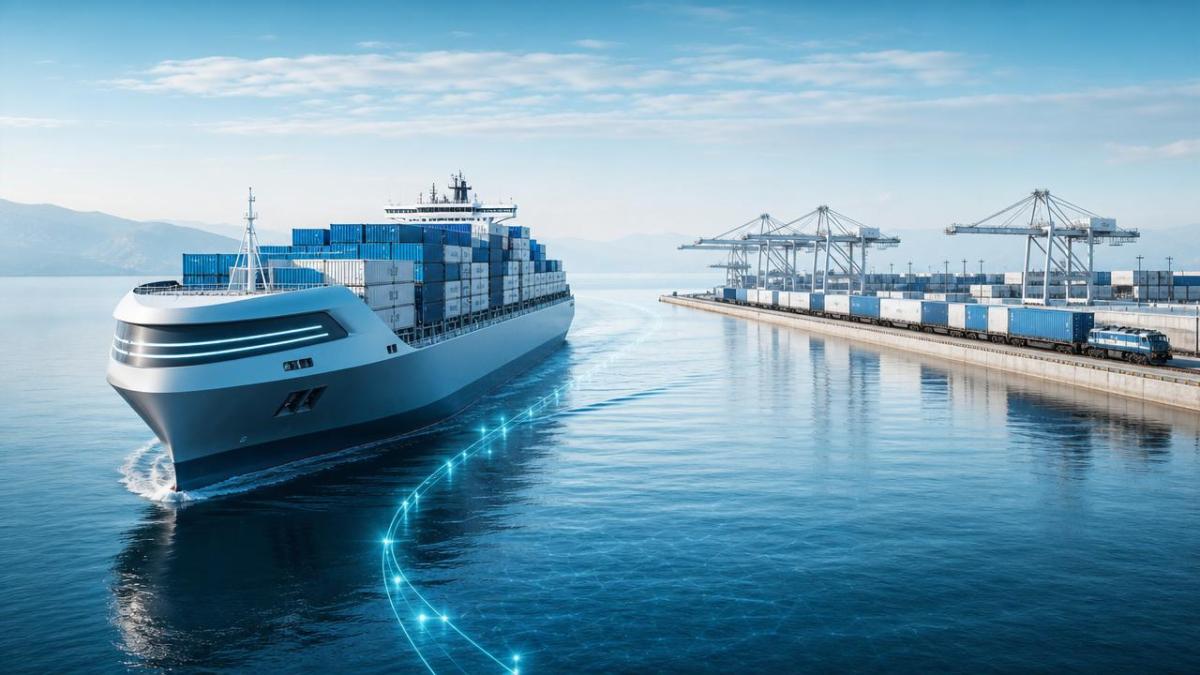
AI route optimization attracts attention because fuel is still one of the largest variable costs in transport.
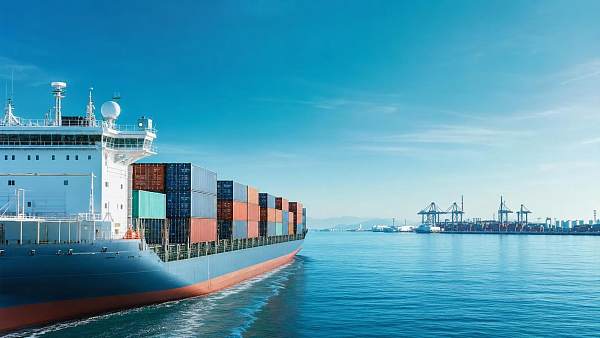
That matters even more in smart container shipping, LNG logistics, and connected rail-linked supply chains.
The practical question is not whether the software looks advanced.
The real test is simpler: can AI route optimization reduce fuel burn enough to improve margin within a reasonable period?
At GTOT, this question sits naturally inside a wider land-sea intelligence view.
A vessel route, a braking profile, and a traction power curve all share one requirement.
They must convert complex operating data into measurable asset efficiency without weakening safety.
So the adoption case for AI route optimization usually depends on break-even math, operational fit, and execution discipline.
What does AI route optimization actually change in day-to-day operations?
In simple terms, AI route optimization turns routing from static planning into continuous adjustment.
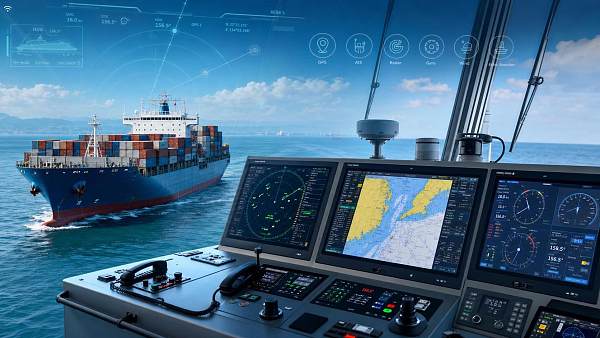
It combines weather, currents, port congestion, speed windows, fuel curves, and schedule commitments.
The system then recommends a route and speed profile that balances cost and arrival reliability.
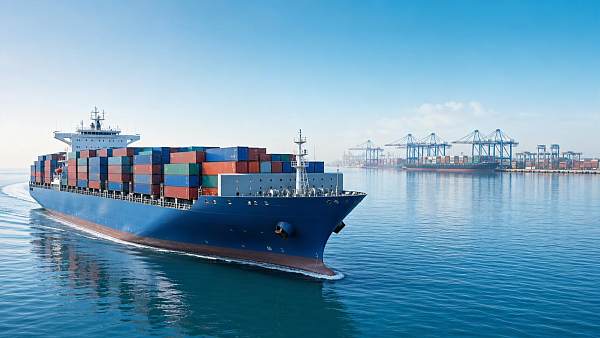
For ocean transport, that often means fewer unnecessary speed changes and less bunker waste.
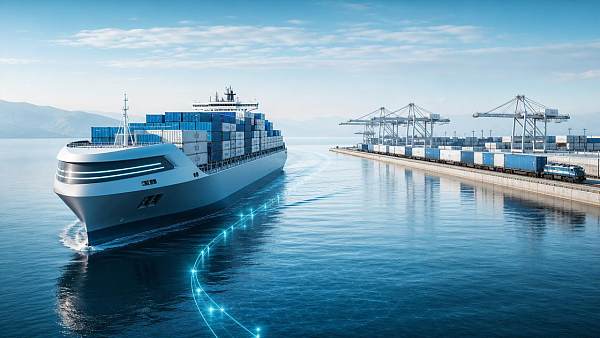
For intermodal networks, it also improves handoffs with rail terminals and inland delivery slots.
That wider coordination is important.
A route that saves fuel but causes berth delays or missed rail windows may destroy value elsewhere.
This is why GTOT’s Strategic Intelligence Center perspective matters.
High-value transport decisions rarely sit inside one machine, one vessel, or one department.
They sit across control systems, propulsion behavior, timetable precision, and network utilization.
How much fuel saving is enough to justify adoption?
This is usually the first serious question, and it should be.
AI route optimization should be judged by annualized economic effect, not by a headline percentage alone.
A 2% fuel reduction can be valuable on a large fleet with high bunker exposure.
The same result may feel underwhelming on a smaller operation with irregular voyages.
A useful way to judge the case is to compare four numbers together.
In practice, the strongest cases appear where routes are frequent, fuel costs are high, and voyage conditions are variable.
Smart container ships fit that profile well because they already depend on connected decision systems.
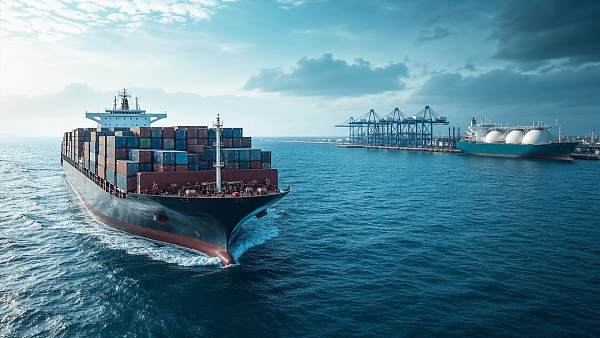
The same logic can also apply to LNG carriers, where voyage efficiency and emissions exposure both matter.
Which operating scenarios make AI route optimization more convincing?
Not every route benefits equally.
More convincing cases usually share a few characteristics tied to volatility, scale, and timetable pressure.
- Long-haul voyages with meaningful weather and current variation across seasons.
- Networks where vessel arrivals must align with rail terminal slots or inland distribution windows.
- Operations facing emissions-related reporting, carbon exposure, or fuel compliance pressure.
- Fleets with consistent operating data, making optimization recommendations easier to trust and compare.
Less attractive cases also exist.
If routes are short, highly constrained, or manually adjusted by fixed local rules, room for gain may be limited.
That does not mean AI route optimization has no place.
It means the evaluation should focus on a narrower benefit set, such as schedule confidence or exception handling.
This is similar to other GTOT-tracked technologies.
A SIL4 signalling upgrade, a pantograph redesign, or a composite brake solution is not justified by novelty alone.
It is justified when operating conditions allow the technology to produce repeatable value.
Where do buyers often misread the ROI of AI route optimization?
The most common mistake is to treat fuel savings as the only economic output.
That narrows the decision too much.
A better view includes avoided delay costs, lower emissions exposure, and improved planning accuracy.
Another mistake is assuming the software works equally well with weak onboard data.
If speed, weather response, engine performance, or voyage history are incomplete, the model may underperform.
There is also a governance issue.
Recommendations only create value if bridge teams, operations planners, and shore management actually use them consistently.
The checklist below helps expose weak assumptions early.
- Confirm whether savings are measured against a clean historical baseline, not an optimistic simulation.
- Check whether route advice includes speed optimization, berth timing, and weather routing together.
- Review data ownership, integration burden, and cyber requirements before approving the business case.
- Ask how performance is audited after deployment, month by month and route by route.
When these points are ignored, AI route optimization can look profitable on paper but disappoint in service.
How should the payback period be judged before a rollout?
A useful payback review starts with one lane, one vessel segment, or one operating cluster.
That keeps the model grounded in actual behavior rather than fleetwide assumptions.
More common evaluation windows range from six to eighteen months, depending on fuel price volatility and deployment complexity.
Shorter than that, and seasonal conditions may distort the result.
Longer than that, and the decision may lose urgency.
One practical approach is to separate benefits into direct and supporting categories.
If AI route optimization can cover its full cost from direct savings alone, the case is already strong.
If direct savings are borderline, supporting benefits become critical and should be evidenced carefully.
What should be verified before approving implementation?
The last question is often the most useful because it shifts attention from theory to readiness.
Before approving AI route optimization, confirm that the operating model can absorb it.
That means data quality, crew adoption, shore-side workflow, and performance reporting all need clear ownership.
It also helps to compare the route engine with other intelligence investments across the transport chain.
For example, a ship operator may gain more by combining route optimization with port-call coordination.
A multimodal network may gain more when vessel ETA quality improves rail scheduling precision downstream.
That broader system view reflects GTOT’s core logic.
Asset intelligence creates the best return when land and sea decisions are connected rather than isolated.
In the end, AI route optimization is justified when measurable savings, stable execution, and network-level benefits align.
The next step is to build a route-by-route baseline, test a limited operating segment, and define approval thresholds in advance.
That approach keeps the decision commercial, auditable, and tied to real transport performance.
Recommended News
 Jul 14, 2026Sensor Fusion Navigation Systems Trends Shaping Safer OperationsSensor fusion navigation systems are reshaping safer rail and maritime operations with real-time accuracy, stronger resilience, and smarter automation insights. Learn the key trends now.
 Jul 14, 2026How to Evaluate an AI Vessel Routing Provider for Fuel SavingsAI vessel routing provider selection starts with real fuel baselines, data quality, and live operational fit. Learn how to compare vendors, verify savings, and choose a partner that delivers measurable voyage results.
 Jul 13, 2026How Vessel Intelligence Analytics Improves Fleet ETA AccuracyVessel intelligence analytics improves fleet ETA accuracy by combining AIS, weather, congestion, and port signals—helping operators reduce delays, optimize arrivals, and strengthen end-to-end logistics decisions.
 Jul 12, 2026Marine Navigation for Commercial Vessels: Key Upgrade ChecksMarine navigation for commercial vessels: discover the key upgrade checks that improve safety, redundancy, cyber readiness, and bridge efficiency for smarter fleet decisions.
![]() Jul 07, 2026Navigation Decision Logic Explained: Limits, Risks, and Use CasesNavigation decision logic explained clearly: explore its limits, risks, and real-world use cases in rail and maritime systems to improve safety, resilience, and smarter operational decisions.
Jul 07, 2026Navigation Decision Logic Explained: Limits, Risks, and Use CasesNavigation decision logic explained clearly: explore its limits, risks, and real-world use cases in rail and maritime systems to improve safety, resilience, and smarter operational decisions. Jul 05, 2026Maritime Automation for Tankers: Key Safety and Compliance Gaps to Check FirstMaritime automation for tankers starts with closing safety and compliance gaps. Learn the top risks in alarms, sensors, cyber controls, crew use, and records before problems escalate.
 Jul 04, 2026IMO-Compliant Smart Shipping Solutions: Certification Gaps to CheckSmart shipping solutions IMO compliant: discover the certification gaps that can delay audits, weaken safety assurance, and expose advanced vessels to operational risk.
 Jul 03, 2026Smart Shipping Solutions IMO Compliant: Features That Matter MostSmart shipping solutions IMO compliant deliver safer operations, emissions control, route efficiency, and audit-ready data. Discover the features that protect vessel value and improve fleet performance.
 Jun 22, 2026How Advanced Ocean-Going Vessels Cut Transit Risk in Long-Haul ShippingAdvanced ocean-going vessels cut transit risk through smarter routing, cargo monitoring, and port coordination. See how route-based vessel choices improve long-haul shipping reliability.
 Jun 21, 2026Smart Container Ships: What to Evaluate Before Investing in New SystemsSmart container ships demand more than new tech. Learn how to evaluate integration, lifecycle cost, cyber risk, and ROI before investing in new systems.
 Jun 14, 2026Smart Container Ships: Key Features Worth ComparingSmart container ships comparison guide: explore route intelligence, automation, connectivity, predictive maintenance, and cybersecurity to choose smarter vessels with better efficiency and reliability.
 Jun 13, 2026AI Route Optimization: When Fuel Savings Justify AdoptionAI route optimization explained: learn when fuel savings, ETA reliability, and lower emissions can justify adoption, with practical ROI factors and payback insights for transport operators.
 Jun 07, 2026AI Route Optimization in Shipping: Where It Cuts Delays—and Where It Doesn’tAI route optimization in shipping cuts delays when weather, vessel data, and port timing align—but it won’t fix congestion or canal queues. See where it truly delivers ROI.
![]() May 23, 2026Autonomous Navigation: How Safe Is It at Sea?Smart maritime technology is reshaping autonomous navigation at sea. Explore key safety risks, safeguards, and practical insights buyers need to evaluate trusted vessel autonomy.
May 23, 2026Autonomous Navigation: How Safe Is It at Sea?Smart maritime technology is reshaping autonomous navigation at sea. Explore key safety risks, safeguards, and practical insights buyers need to evaluate trusted vessel autonomy. May 07, 2026AI Route Optimization for Fleet Expansion: What to Evaluate FirstAI route optimization is the first priority for fleet expansion. Learn what buyers should evaluate first to improve accuracy, integration, safety, and scalable transport performance.
 May 07, 2026AI Route Optimization vs Manual Planning: What Changes FirstAI route optimization vs manual planning: discover what changes first—faster decisions, better fuel efficiency, stronger schedule reliability, and smarter risk control.