



Search News
Industry Portal
Popular Tags
How Vessel Intelligence Analytics Improves Fleet ETA Accuracy
Author
Time
Click Count
How vessel intelligence analytics changes ETA decisions in live operations
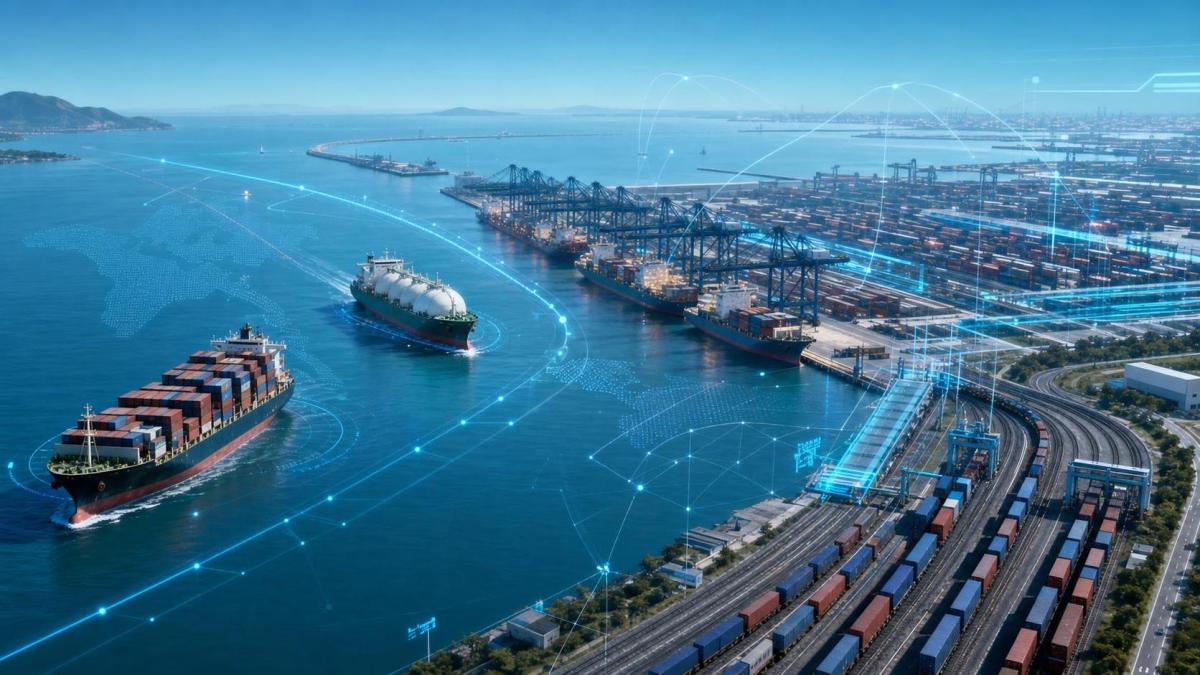
In maritime operations, ETA is no longer a simple arrival estimate.
It affects berth planning, bunker timing, inland transfer, labor allocation, and cargo handover across connected transport networks.
That is why vessel intelligence analytics matters most when schedules begin to drift under real pressure.
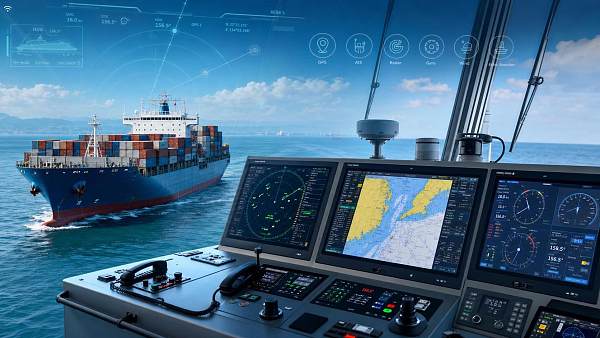
AIS feeds, weather systems, route deviation signals, speed patterns, and port congestion data become more valuable when combined, not viewed separately.
Used well, vessel intelligence analytics improves ETA confidence and reveals whether delay risk comes from sea state, traffic density, terminal queues, or voyage behavior.
For a platform like GTOT, this has broader meaning.
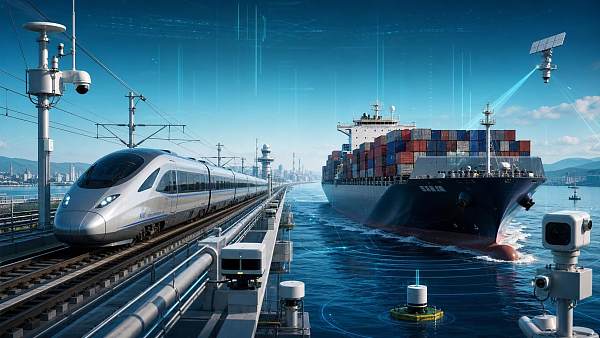
Its land-sea intelligence approach already connects rail control precision, traction stability, braking reliability, smart vessel operations, and LNG transport resilience.
In that context, better ETA forecasting is not only a shipping metric.
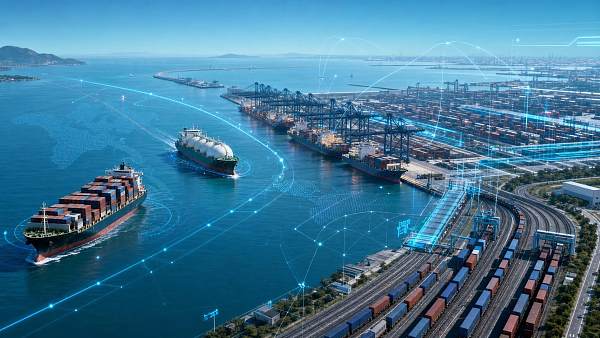
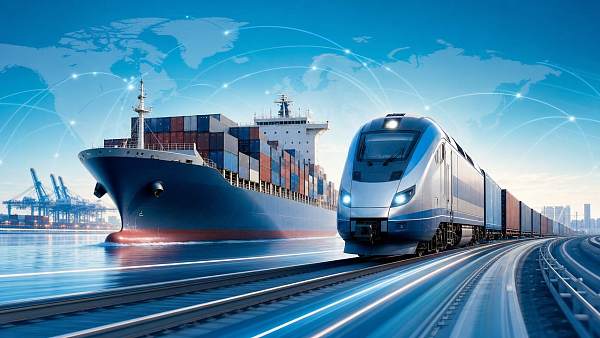
It becomes part of a larger intercontinental timing discipline, where port arrival accuracy affects downstream rail slots, yard turnover, and energy logistics continuity.
Different fleets do not create delay risk in the same way
A common mistake is assuming one ETA model fits every vessel class and route structure.
In practice, vessel intelligence analytics must reflect cargo sensitivity, service pattern, weather exposure, and port interaction complexity.
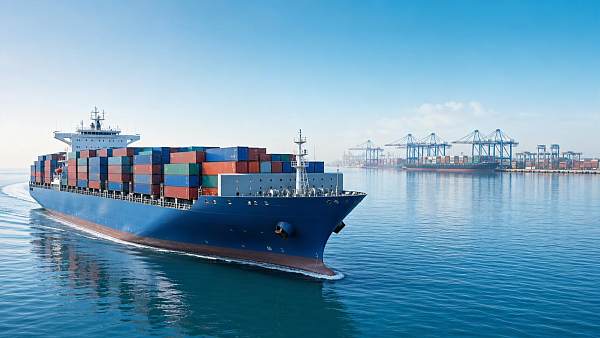
Smart container ships often face tighter network dependencies.
A six-hour shift can disrupt berth windows, feeder alignment, intermodal transfer, and distribution center sequencing.
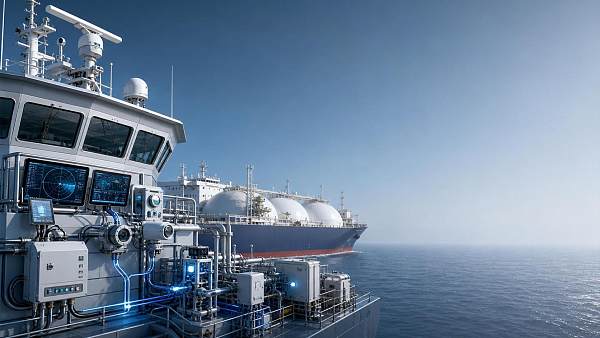
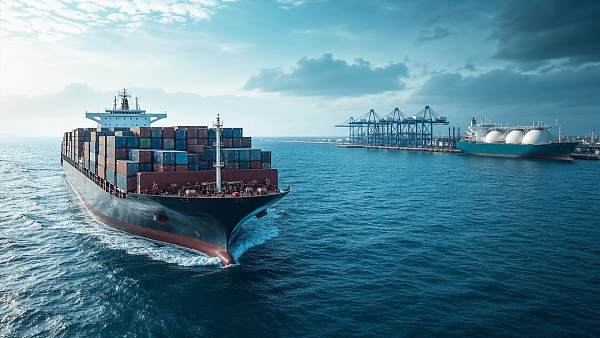
LNG carriers present a different judgment challenge.
Arrival timing links directly to terminal readiness, boil-off management, safety protocols, and energy delivery commitments.
The route may look stable, yet ETA sensitivity remains high because operational tolerances are narrower.
Even within the same ocean corridor, needs change.
Some voyages are exposed to seasonal weather shifts, while others are shaped more by anchorage wait time and terminal productivity volatility.
The better use of vessel intelligence analytics starts with that distinction.
Where high-frequency container services usually need deeper ETA intelligence
On regular liner services, schedule precision matters because one delayed call can cascade across an entire rotation.
Here, vessel intelligence analytics should not stop at vessel position and average speed.
The stronger approach studies speed loss patterns, known congestion signatures, historical berth waiting behavior, and captain routing responses in similar conditions.
This is especially useful on trade lanes where schedule buffers are already compressed.
A vessel may recover time at sea, but only within fuel, emissions, and mechanical limits.
If analytics only measures current speed, the ETA may look better than reality.
A more practical judgment asks whether the vessel is recovering sustainably or simply borrowing time before the next congestion point.
This is where GTOT’s focus on smart container ships aligns naturally with operational intelligence.
Ship-to-shore coordination and AI route optimization only deliver value when ETA signals are trusted enough to guide terminal and inland decisions.
What usually deserves closer attention on liner routes
- Repeated micro-deviations in speed before major transshipment ports
- Anchorage buildup that is not yet visible in official berth schedules
- Weather avoidance behavior that lengthens route geometry without obvious alarm
- Port pairs where late arrival also causes late departure on the next leg
LNG voyages need accuracy, but the decision logic is different
With LNG carriers, vessel intelligence analytics supports a more controlled and risk-sensitive timing model.
The key issue is not only delay.
Early arrival can also create inefficiency if terminal access, receiving readiness, or discharge sequencing is not aligned.
That changes how ETA accuracy should be interpreted.
In these operations, vessel intelligence analytics works best when linked with route weather, engine mode, terminal slot certainty, and cargo handling constraints.
The estimate must be operationally useful, not just mathematically close.
GTOT’s attention to LNG carriers and cryogenic shipping strategy makes this distinction important.
Deep-cryogenic transport depends on tighter engineering and safety discipline than many dry or container trades.
So the preferred ETA signal is usually the one that supports safe, coordinated arrival rather than the fastest theoretical arrival.
The biggest differences usually appear at the port interface
Many ETA models perform reasonably at sea and then weaken near port.
That is not surprising.
Arrival is often distorted by pilot availability, tug assignment, anchorage sequencing, berth conflict, customs timing, and terminal productivity changes.
This is where vessel intelligence analytics should absorb local operational patterns.
A generic global model may identify port congestion, yet still miss the actual queue behavior of a specific terminal cluster.
For users comparing analytics tools or data sources, the better question is simple.
Does the system explain why ETA changed, or does it only recalculate the number?
Explanatory intelligence is more useful when port teams, rail interfaces, and inland planners need to act before the vessel actually arrives.
What often gets misread before analytics is put into use
One frequent misjudgment is treating vessel intelligence analytics as a tracking layer instead of a decision layer.
Position visibility alone does not improve ETA quality.
The gain comes from interpreting vessel behavior against route context and port friction.
Another issue is relying too much on historical averages.
Historical baselines help, but volatile trade lanes can change faster than the model refresh cycle.
That matters in periods of weather disruption, labor shortages, canal restrictions, or sudden terminal overflow.
There is also a cost misconception.
Some teams compare analytics options by subscription price and ignore integration effort, exception workflow design, and maintenance of data quality.
In real deployment, poor alert logic can create more noise than value.
The same principle appears in GTOT’s broader transport intelligence coverage.
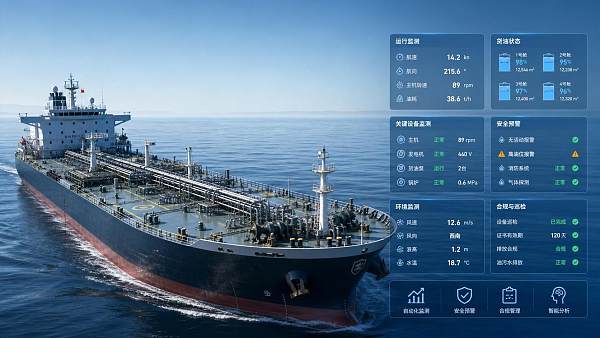
Whether dealing with SIL4 railway signaling, pantograph stability, braking precision, or advanced ships, reliable decisions depend on condition-aware intelligence, not isolated parameters.
A practical way to match vessel intelligence analytics to the real operating context
A useful evaluation starts by mapping where ETA errors actually create downstream cost.
For some fleets, that cost appears at berth assignment.
For others, it appears in missed rail transfer windows, delayed energy handover, or inefficient inventory positioning.
From there, vessel intelligence analytics can be judged on fit, not just feature count.
- Separate open-sea prediction from port-arrival prediction during evaluation
- Check whether the model learns route-specific and terminal-specific delay behavior
- Confirm that alerts explain the source of ETA movement
- Review how often congestion, weather, and AIS anomalies are refreshed
- Measure value against operational decisions, not dashboard appearance
In connected land-sea logistics, this evaluation becomes even more important.
If vessel ETA feeds rail yard planning or equipment dispatch, the tolerance for false confidence becomes much lower.
That is why GTOT’s cross-domain perspective is useful.
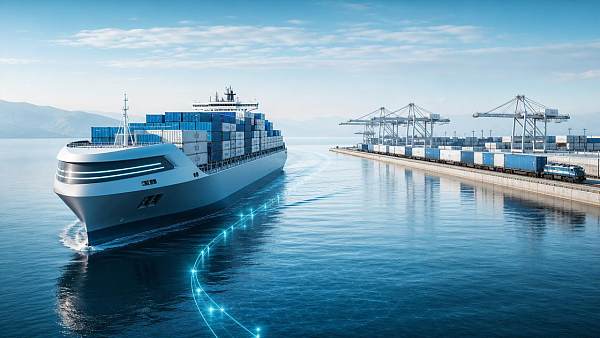
It frames vessel intelligence analytics as part of a synchronized transport chain, not an isolated maritime data tool.
The next step is to define the right decision threshold, not chase perfect prediction
In most operations, the goal is not a flawless ETA in every minute of the voyage.
The real goal is knowing when an ETA shift becomes operationally significant.
That threshold differs between container rotations, LNG discharge plans, and intermodal transfer chains.
A sound next step is to sort voyages by delay sensitivity, identify the strongest disruption points, and compare analytics performance at those exact moments.
Then build scenario-specific rules for weather exposure, congestion escalation, and port interface exceptions.
That is where vessel intelligence analytics becomes commercially useful.
It supports tighter ETA judgment, better coordination across sea and land assets, and clearer risk visibility when global transport networks stop behaving predictably.
Recommended News
 Jul 14, 2026Sensor Fusion Navigation Systems Trends Shaping Safer OperationsSensor fusion navigation systems are reshaping safer rail and maritime operations with real-time accuracy, stronger resilience, and smarter automation insights. Learn the key trends now.
 Jul 14, 2026How to Evaluate an AI Vessel Routing Provider for Fuel SavingsAI vessel routing provider selection starts with real fuel baselines, data quality, and live operational fit. Learn how to compare vendors, verify savings, and choose a partner that delivers measurable voyage results.
 Jul 13, 2026How Vessel Intelligence Analytics Improves Fleet ETA AccuracyVessel intelligence analytics improves fleet ETA accuracy by combining AIS, weather, congestion, and port signals—helping operators reduce delays, optimize arrivals, and strengthen end-to-end logistics decisions.
 Jul 12, 2026Marine Navigation for Commercial Vessels: Key Upgrade ChecksMarine navigation for commercial vessels: discover the key upgrade checks that improve safety, redundancy, cyber readiness, and bridge efficiency for smarter fleet decisions.
![]() Jul 07, 2026Navigation Decision Logic Explained: Limits, Risks, and Use CasesNavigation decision logic explained clearly: explore its limits, risks, and real-world use cases in rail and maritime systems to improve safety, resilience, and smarter operational decisions.
Jul 07, 2026Navigation Decision Logic Explained: Limits, Risks, and Use CasesNavigation decision logic explained clearly: explore its limits, risks, and real-world use cases in rail and maritime systems to improve safety, resilience, and smarter operational decisions. Jul 05, 2026Maritime Automation for Tankers: Key Safety and Compliance Gaps to Check FirstMaritime automation for tankers starts with closing safety and compliance gaps. Learn the top risks in alarms, sensors, cyber controls, crew use, and records before problems escalate.
 Jul 04, 2026IMO-Compliant Smart Shipping Solutions: Certification Gaps to CheckSmart shipping solutions IMO compliant: discover the certification gaps that can delay audits, weaken safety assurance, and expose advanced vessels to operational risk.
 Jul 03, 2026Smart Shipping Solutions IMO Compliant: Features That Matter MostSmart shipping solutions IMO compliant deliver safer operations, emissions control, route efficiency, and audit-ready data. Discover the features that protect vessel value and improve fleet performance.
 Jun 22, 2026How Advanced Ocean-Going Vessels Cut Transit Risk in Long-Haul ShippingAdvanced ocean-going vessels cut transit risk through smarter routing, cargo monitoring, and port coordination. See how route-based vessel choices improve long-haul shipping reliability.
 Jun 21, 2026Smart Container Ships: What to Evaluate Before Investing in New SystemsSmart container ships demand more than new tech. Learn how to evaluate integration, lifecycle cost, cyber risk, and ROI before investing in new systems.
 Jun 14, 2026Smart Container Ships: Key Features Worth ComparingSmart container ships comparison guide: explore route intelligence, automation, connectivity, predictive maintenance, and cybersecurity to choose smarter vessels with better efficiency and reliability.
 Jun 13, 2026AI Route Optimization: When Fuel Savings Justify AdoptionAI route optimization explained: learn when fuel savings, ETA reliability, and lower emissions can justify adoption, with practical ROI factors and payback insights for transport operators.
 Jun 07, 2026AI Route Optimization in Shipping: Where It Cuts Delays—and Where It Doesn’tAI route optimization in shipping cuts delays when weather, vessel data, and port timing align—but it won’t fix congestion or canal queues. See where it truly delivers ROI.
![]() May 23, 2026Autonomous Navigation: How Safe Is It at Sea?Smart maritime technology is reshaping autonomous navigation at sea. Explore key safety risks, safeguards, and practical insights buyers need to evaluate trusted vessel autonomy.
May 23, 2026Autonomous Navigation: How Safe Is It at Sea?Smart maritime technology is reshaping autonomous navigation at sea. Explore key safety risks, safeguards, and practical insights buyers need to evaluate trusted vessel autonomy. May 07, 2026AI Route Optimization for Fleet Expansion: What to Evaluate FirstAI route optimization is the first priority for fleet expansion. Learn what buyers should evaluate first to improve accuracy, integration, safety, and scalable transport performance.
 May 07, 2026AI Route Optimization vs Manual Planning: What Changes FirstAI route optimization vs manual planning: discover what changes first—faster decisions, better fuel efficiency, stronger schedule reliability, and smarter risk control.