



Search News
Industry Portal
Popular Tags
AI Route Optimization for Fleet Expansion: What to Evaluate First
Author
Time
Click Count
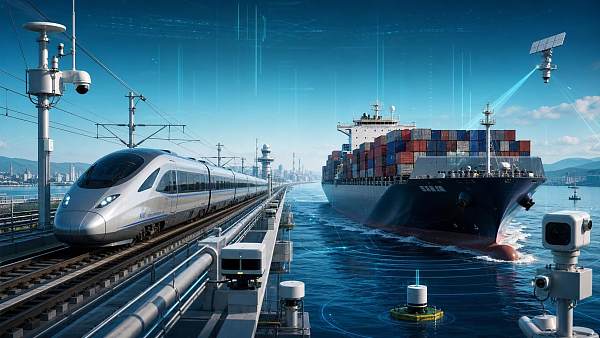
As fleet expansion accelerates across land and sea logistics, procurement teams must look beyond cost and capacity to evaluate AI route optimization first. The right platform can reduce fuel use, improve delivery reliability, and support smarter scaling across complex transit networks. For buyers in rail, shipping, and smart transport sectors, understanding routing accuracy, data integration, and operational safety is the foundation for making a confident investment.
What AI route optimization means in modern transport operations
AI route optimization is the use of data models, machine learning, rule engines, and real-time operational inputs to determine the most efficient movement path for vehicles, vessels, or multimodal assets. In practical terms, it goes beyond static route planning. Traditional planning may rely on fixed timetables, historical distances, or dispatcher experience. AI route optimization continuously recalculates based on changing variables such as weather, traffic density, port congestion, rail slot availability, fuel consumption curves, maintenance windows, emissions targets, and customer service commitments.
For procurement teams in high-value transport environments, the technology matters because route decisions now influence far more than delivery timing. They shape energy costs, asset utilization, safety exposure, carbon reporting, and even tender competitiveness. In sectors connected to GTOT’s focus areas, such as railway systems, smart container ships, and LNG carriers, routing logic is increasingly tied to broader equipment intelligence. A routing platform is no longer just a software tool; it becomes part of the operational decision layer that links control systems, fleet behavior, and commercial outcomes.
Why the industry is paying closer attention now
Across global transport, expansion is happening under tighter constraints. Rail operators face denser traffic, higher punctuality expectations, and stronger safety standards. Maritime operators must respond to volatile fuel prices, route disruptions, decarbonization rules, and more complex ship-to-shore coordination. At the same time, procurement decisions are under pressure to prove long-term value rather than short-term savings.
This is why AI route optimization has moved to the front of evaluation discussions. In a rail context, better route intelligence can support timetable resilience, network balancing, and more effective use of signalling and traction assets. In ocean transport, it can help operators manage slow steaming strategies, berth timing, weather avoidance, and cargo flow synchronization. For buyers responsible for equipment and digital systems, the main question is no longer whether routing technology is useful. The real question is which capabilities will remain reliable as the fleet grows, routes become more variable, and compliance expectations rise.
The first evaluation priorities for procurement teams
When evaluating AI route optimization, procurement should start with the operating logic behind the platform rather than the dashboard appearance. A polished interface does not guarantee route quality. What matters first is whether the engine can process the right inputs and produce decisions that are realistic in field conditions.
The first priority is routing accuracy. Buyers should ask how the platform handles dynamic constraints, how often it refreshes recommendations, and how it performs when faced with incomplete or conflicting data. A system that looks intelligent in normal conditions but fails during disruption will create more operational risk than value.
The second priority is data integration. AI route optimization is only as strong as the data ecosystem around it. In transport settings, this may include telemetry from onboard systems, port or terminal feeds, maintenance records, energy consumption data, ERP inputs, order management systems, and external weather or traffic services. If integration is shallow, routing decisions will remain theoretical.
The third priority is explainability. Procurement teams increasingly need to justify technology choices to operations, finance, and compliance stakeholders. A platform should show why a route was selected, what trade-offs were considered, and how confidence levels are calculated. This is especially important in regulated or safety-critical environments.
The fourth priority is scalability. A pilot for ten units is not the same as a live environment for a regional rail fleet or a global vessel network. Buyers should evaluate whether the system can support more assets, more route combinations, and more operational exceptions without major performance loss.
A practical overview of what to assess
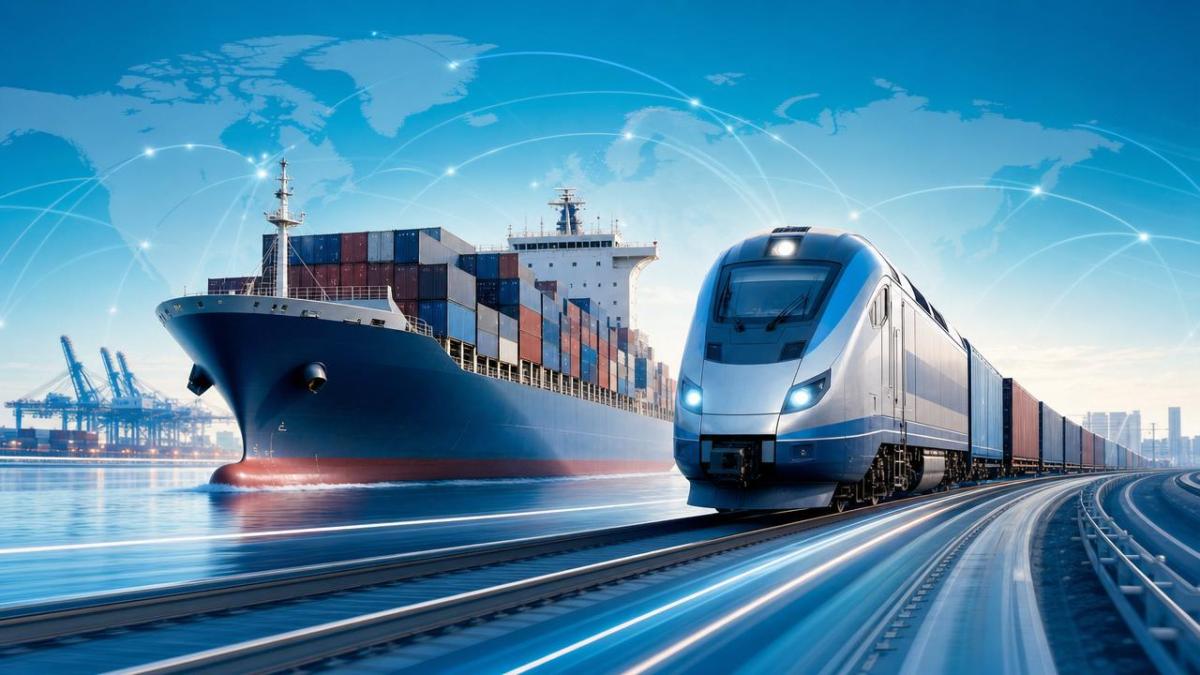
The table below summarizes the most relevant evaluation dimensions for procurement teams comparing AI route optimization solutions across land and sea transport operations.
Application value across rail, maritime, and smart logistics
The value of AI route optimization changes by operating context, but the strategic purpose remains consistent: make movement decisions faster, safer, and more economically sound. In railway systems, route intelligence supports dispatch planning, conflict reduction, energy-efficient driving profiles, and better use of signalling capacity. For operators dealing with high-density lines or automated rail environments, route quality directly affects punctuality and network resilience.
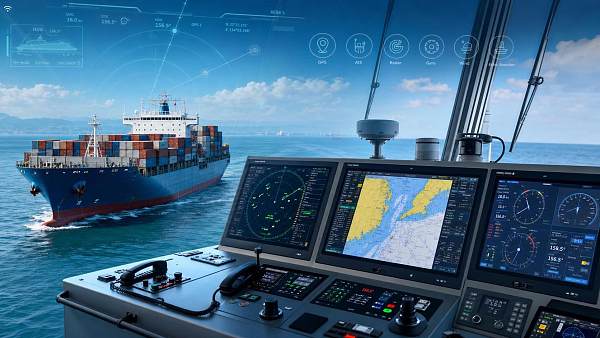
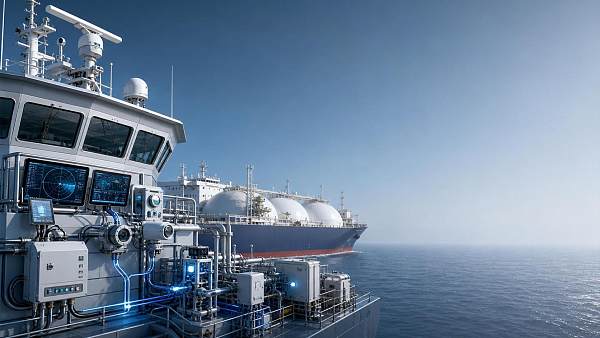
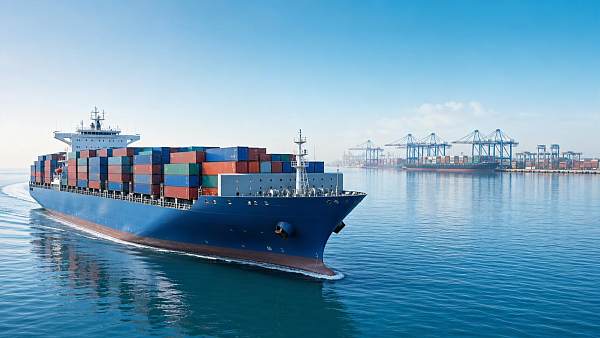
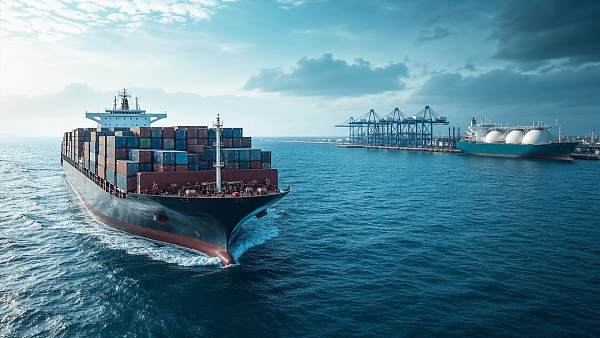
For smart container ships, AI route optimization can combine meteorological data, vessel performance models, berth windows, and cargo priorities to improve voyage planning. The result may be lower bunker use, fewer schedule deviations, and stronger coordination with port operations. In LNG shipping, routing decisions can also relate to boil-off gas management, speed optimization, weather routing, and fuel strategy. Because these vessels operate under strict technical and safety conditions, the routing engine must align with engineering realities rather than generic logistics assumptions.
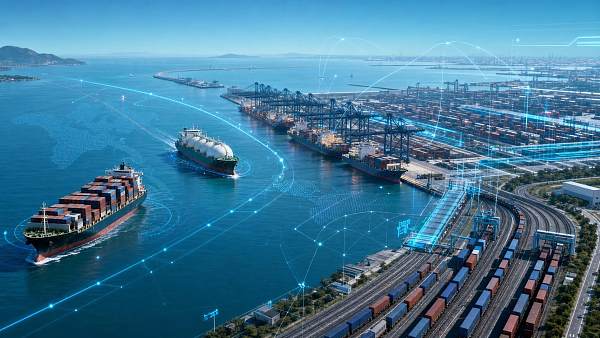
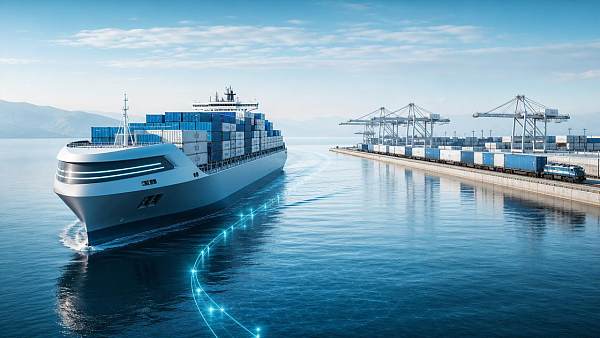
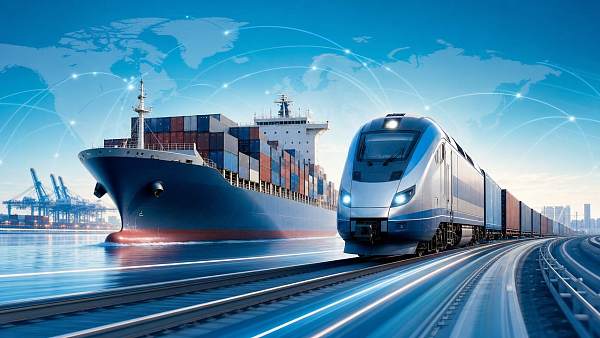
In multimodal logistics environments, the technology becomes even more valuable when it helps connect rail corridors, marine terminals, inland depots, and customer delivery commitments. Here, AI route optimization supports end-to-end visibility and reduces planning friction between separate transport modes.
Typical use cases that deserve closer attention
Not every use case delivers the same return, so procurement teams should map the platform to the fleet’s actual operating profile. Several scenarios are especially relevant in expansion phases.
- High-density rail corridors where small timetable conflicts create wider network delays.
- Smart vessel operations where berth coordination and weather routing drive voyage economics.
- Cross-border or intermodal networks where handoff delays reduce total asset productivity.
- Energy-sensitive fleets where fuel efficiency and emissions reporting are top board-level concerns.
- Rapidly expanding fleets that need a routing foundation able to absorb more vehicles, more lanes, and more exceptions.
These use cases are important because they show whether AI route optimization is simply improving convenience or actually strengthening the operating model. Procurement decisions should favor the latter.
How to judge data quality and system readiness
Many organizations overestimate platform value and underestimate data readiness. Before selecting a vendor, buyers should assess whether their own operation can feed the model with consistent, timely, and relevant data. If telematics are unreliable, maintenance records are fragmented, or external feeds are delayed, the route recommendations may appear sophisticated while still producing weak operational outcomes.
A sound procurement review should therefore include data source mapping, ownership responsibilities, update frequency, and exception handling. It should also ask whether the vendor can function in phased maturity conditions. The best AI route optimization platforms do not require perfect data from day one; they improve with structured deployment and transparent model tuning.
Operational and safety considerations before full adoption
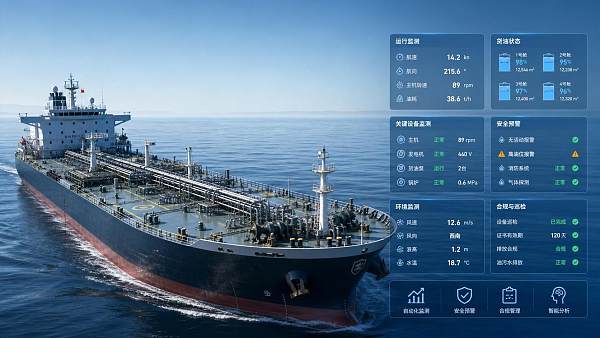
In sectors tied to core transport infrastructure, safety cannot be treated as a secondary software feature. Procurement teams must verify how the platform handles route restrictions, control boundaries, override rules, and operator review. For rail applications, compatibility with signalling logic, dispatch discipline, and fail-safe procedures matters. For maritime use, weather thresholds, navigation risk logic, and vessel-specific operating limits must be built into the decision framework.
Another key issue is governance. Who approves route recommendations? When can human operators override the system? How are changes logged for audit or compliance review? A high-quality AI route optimization deployment should strengthen operational discipline, not bypass it.
Practical advice for buyers planning long-term fleet growth
For procurement professionals, the best starting point is a value model that combines operational, technical, and strategic criteria. Do not evaluate AI route optimization only on promised savings percentages. Look at whether the system can support future asset classes, regional expansion, intermodal coordination, and evolving sustainability targets. In other words, buy for the network you are building, not only the network you run today.
It is also wise to request scenario-based demonstrations. Ask vendors to simulate disruptions, congestion peaks, maintenance conflicts, or weather-driven route changes relevant to your sector. For GTOT-related industries, this may include dense rail scheduling conditions, smart port constraints, or performance-sensitive LNG voyages. Realistic scenarios reveal far more than generic product presentations.
Finally, measure success with a balanced scorecard. Include fuel efficiency, service reliability, routing response time, user adoption, safety adherence, and integration performance. A platform that improves one metric while weakening others may not be the right strategic fit.
Moving from concept to confident investment
AI route optimization has become a core capability for transport organizations that want to expand without losing control of cost, reliability, or safety. For procurement teams in rail, shipping, and advanced logistics, the most effective approach is to understand the concept clearly, connect it to actual operating pressures, and evaluate platforms through the lens of data quality, integration depth, routing accuracy, and long-term scalability.
In a market shaped by digitalization, decarbonization, and tighter performance standards, routing intelligence is no longer a peripheral feature. It is part of the decision architecture behind competitive fleet growth. Buyers who evaluate AI route optimization first will be better positioned to select technologies that support resilient operations across land and sea, while building the technical credibility required in demanding industrial transport environments.
Recommended News
 Jul 14, 2026Sensor Fusion Navigation Systems Trends Shaping Safer OperationsSensor fusion navigation systems are reshaping safer rail and maritime operations with real-time accuracy, stronger resilience, and smarter automation insights. Learn the key trends now.
 Jul 14, 2026How to Evaluate an AI Vessel Routing Provider for Fuel SavingsAI vessel routing provider selection starts with real fuel baselines, data quality, and live operational fit. Learn how to compare vendors, verify savings, and choose a partner that delivers measurable voyage results.
 Jul 13, 2026How Vessel Intelligence Analytics Improves Fleet ETA AccuracyVessel intelligence analytics improves fleet ETA accuracy by combining AIS, weather, congestion, and port signals—helping operators reduce delays, optimize arrivals, and strengthen end-to-end logistics decisions.
 Jul 12, 2026Marine Navigation for Commercial Vessels: Key Upgrade ChecksMarine navigation for commercial vessels: discover the key upgrade checks that improve safety, redundancy, cyber readiness, and bridge efficiency for smarter fleet decisions.
![]() Jul 07, 2026Navigation Decision Logic Explained: Limits, Risks, and Use CasesNavigation decision logic explained clearly: explore its limits, risks, and real-world use cases in rail and maritime systems to improve safety, resilience, and smarter operational decisions.
Jul 07, 2026Navigation Decision Logic Explained: Limits, Risks, and Use CasesNavigation decision logic explained clearly: explore its limits, risks, and real-world use cases in rail and maritime systems to improve safety, resilience, and smarter operational decisions. Jul 05, 2026Maritime Automation for Tankers: Key Safety and Compliance Gaps to Check FirstMaritime automation for tankers starts with closing safety and compliance gaps. Learn the top risks in alarms, sensors, cyber controls, crew use, and records before problems escalate.
 Jul 04, 2026IMO-Compliant Smart Shipping Solutions: Certification Gaps to CheckSmart shipping solutions IMO compliant: discover the certification gaps that can delay audits, weaken safety assurance, and expose advanced vessels to operational risk.
 Jul 03, 2026Smart Shipping Solutions IMO Compliant: Features That Matter MostSmart shipping solutions IMO compliant deliver safer operations, emissions control, route efficiency, and audit-ready data. Discover the features that protect vessel value and improve fleet performance.
 Jun 22, 2026How Advanced Ocean-Going Vessels Cut Transit Risk in Long-Haul ShippingAdvanced ocean-going vessels cut transit risk through smarter routing, cargo monitoring, and port coordination. See how route-based vessel choices improve long-haul shipping reliability.
 Jun 21, 2026Smart Container Ships: What to Evaluate Before Investing in New SystemsSmart container ships demand more than new tech. Learn how to evaluate integration, lifecycle cost, cyber risk, and ROI before investing in new systems.
 Jun 14, 2026Smart Container Ships: Key Features Worth ComparingSmart container ships comparison guide: explore route intelligence, automation, connectivity, predictive maintenance, and cybersecurity to choose smarter vessels with better efficiency and reliability.
 Jun 13, 2026AI Route Optimization: When Fuel Savings Justify AdoptionAI route optimization explained: learn when fuel savings, ETA reliability, and lower emissions can justify adoption, with practical ROI factors and payback insights for transport operators.
 Jun 07, 2026AI Route Optimization in Shipping: Where It Cuts Delays—and Where It Doesn’tAI route optimization in shipping cuts delays when weather, vessel data, and port timing align—but it won’t fix congestion or canal queues. See where it truly delivers ROI.
![]() May 23, 2026Autonomous Navigation: How Safe Is It at Sea?Smart maritime technology is reshaping autonomous navigation at sea. Explore key safety risks, safeguards, and practical insights buyers need to evaluate trusted vessel autonomy.
May 23, 2026Autonomous Navigation: How Safe Is It at Sea?Smart maritime technology is reshaping autonomous navigation at sea. Explore key safety risks, safeguards, and practical insights buyers need to evaluate trusted vessel autonomy. May 07, 2026AI Route Optimization for Fleet Expansion: What to Evaluate FirstAI route optimization is the first priority for fleet expansion. Learn what buyers should evaluate first to improve accuracy, integration, safety, and scalable transport performance.
 May 07, 2026AI Route Optimization vs Manual Planning: What Changes FirstAI route optimization vs manual planning: discover what changes first—faster decisions, better fuel efficiency, stronger schedule reliability, and smarter risk control.