



Search News
Industry Portal
Popular Tags
Sensor Fusion Navigation Systems Trends Shaping Safer Operations
Author
Time
Click Count
Automation is changing how rail corridors and ocean routes are managed, but autonomy alone does not create safety. What matters is whether a system can read the environment accurately, resolve conflicting signals, and keep operating under pressure. That is why sensor fusion navigation systems are moving from advanced option to operational necessity across transport infrastructure.
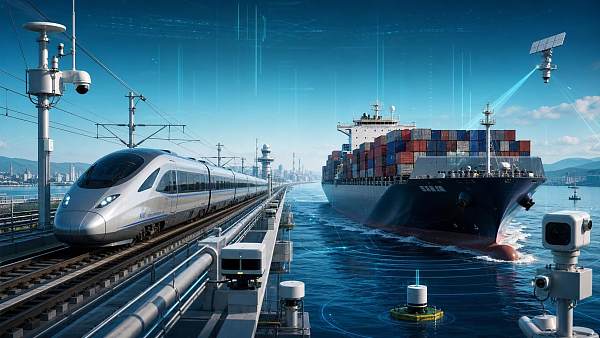
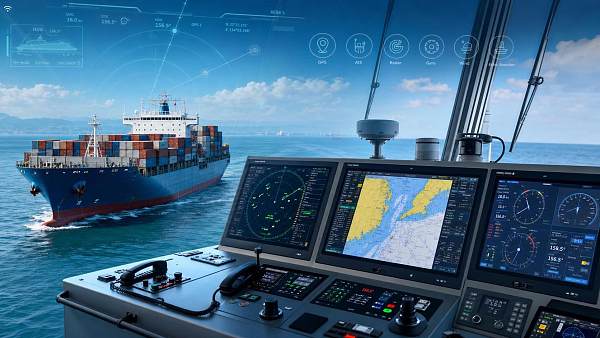
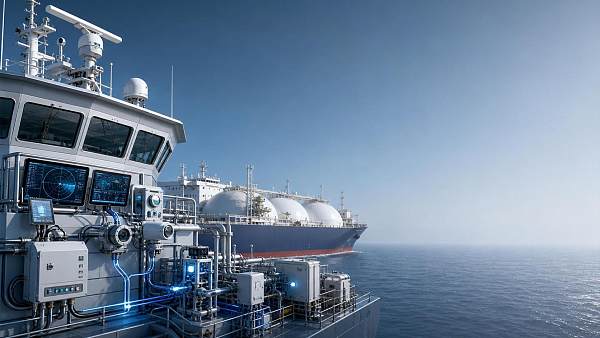
In rail control rooms, onboard train platforms, smart container ships, and LNG carriers, navigation is no longer based on a single data stream. Operators now expect integrated awareness built from GNSS, radar, lidar, inertial sensors, cameras, odometry, sonar, and machine intelligence. The result is not only better positioning, but stronger risk control when weather, vibration, traffic density, or signal loss disrupt normal conditions.
For land-sea transport ecosystems, this shift has direct business value. It affects project planning, compliance, lifecycle cost, incident prevention, and the quality of decisions made around safety-critical assets. In sectors observed closely by GTOT, the link between digitalization, absolute safety, and operational resilience is becoming much more concrete.
Why Sensor Fusion Matters Now
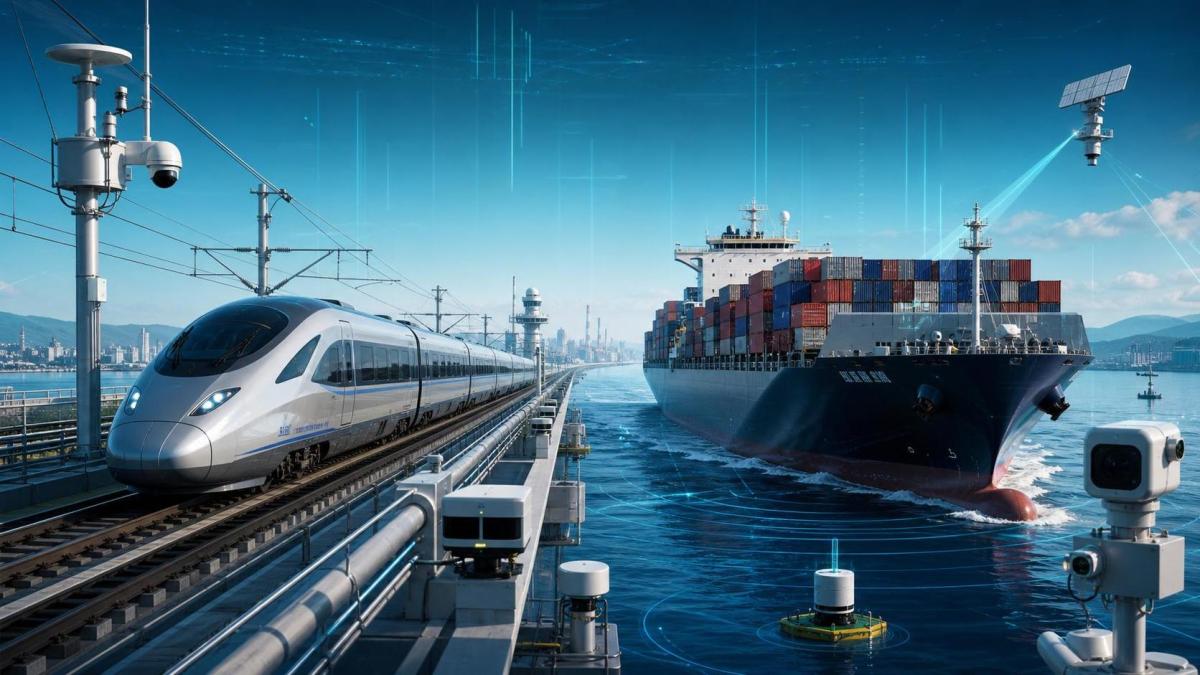
Transport systems are operating in tighter windows than before. Rail networks run at higher density. High-speed platforms demand stable control at extreme velocity. Vessels face congested ports, stricter emissions rules, and pressure for route efficiency.
A single sensor cannot reliably cover every operating condition. GNSS may drift in tunnels, urban canyons, or near port structures. Cameras can be impaired by fog or glare. Radar may identify range well, yet miss visual context. Inertial systems remain available, but accumulate error over time.
Sensor fusion navigation systems solve this by combining data sources, weighting confidence levels, and updating position or hazard models in real time. That makes them especially relevant where failure is expensive, disruptive, or dangerous.
In practical terms, fusion supports safer train localization, more reliable vessel guidance, stronger obstacle detection, and better continuity during degraded conditions. It also gives decision makers a clearer basis for automation strategies.
A Working Definition Beyond Positioning
The phrase sensor fusion navigation systems sometimes sounds narrower than it really is. It does not only describe a positioning engine. It refers to the full logic that collects sensor inputs, filters noise, compares confidence, and produces a dependable navigation state.
That navigation state may include more than latitude and speed. It can also include object awareness, track alignment, sea lane context, braking distance implications, route confidence, and fault status.
This matters in industries where navigation interacts with other subsystems. On rail assets, location quality influences signalling, braking logic, and traffic management. On smart vessels, it affects route optimization, collision avoidance, fuel performance, and shore coordination.
The strongest architectures are therefore built as operational platforms, not isolated sensor stacks. They connect with control software, communications layers, diagnostics, and maintenance workflows.
The Trends Reshaping Safer Operations
From redundancy to intelligent confidence scoring
Older system design often treated redundancy as simple duplication. Current sensor fusion navigation systems go further. They estimate which sensor is most reliable at a given moment, then adjust weighting dynamically.
This is valuable in tunnels, heavy rain, coastal clutter, ice conditions, or high-vibration rail environments. Safety improves because the system is not blindly trusting the same input all the time.
Closer integration with automation layers
Fusion engines are now tied more closely to automatic train operation, digital interlocking support, route advisory tools, and autonomous vessel functions. Navigation data is becoming an active control input, not just a reporting layer.
That raises the value of traceability. Every fused output must be explainable enough for safety review, incident analysis, and certification processes.
Safety assurance under degraded conditions
One major trend is the design focus on graceful degradation. When a sensor fails, the system should not collapse into uncertainty. It should continue operating within defined limits, with clear fallback logic.
This principle aligns strongly with the safety culture found in SIL4 rail environments and in high-value marine operations, where downtime and false confidence both carry heavy consequences.
Data fusion supporting lifecycle intelligence
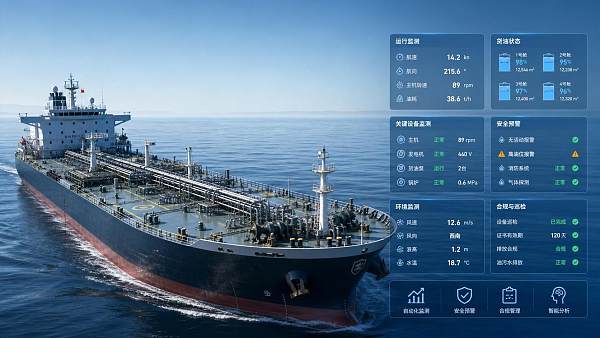
Sensor fusion navigation systems are also feeding maintenance and asset intelligence. Pattern changes in sensor disagreement can indicate drift, calibration issues, hardware fatigue, or environmental stress before a visible failure occurs.
That creates a bridge between navigation performance and asset management, which is increasingly important for large fleets and long-duration infrastructure programs.
Where the Value Becomes Visible
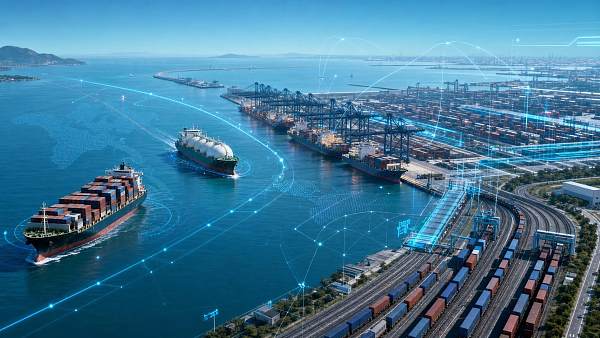
The value of sensor fusion navigation systems becomes clearest when operations are complex, continuous, and highly regulated. Rail and maritime sectors are strong examples because location confidence drives both safety and throughput.
These examples also show why GTOT’s cross-domain view matters. The same transport intelligence questions appear in different forms across signalling systems, traction equipment, braking platforms, and advanced vessels.
What to Evaluate in Real Projects
The discussion should not stop at sensor count or algorithm claims. In real procurement and deployment work, several judgment points matter more than headline features.
- Define the degraded scenarios first. Tunnel loss, fog, vibration, electromagnetic interference, and shoreline clutter should shape architecture choices.
- Check how fused outputs connect with signalling, braking, route planning, or bridge systems. Integration quality often determines project value.
- Review traceability and validation methods. Safety-critical sectors need evidence, not only performance claims.
- Assess calibration and maintenance demands over time. A fusion platform that drifts quietly can become a hidden operational liability.
- Look at communications dependency. Some architectures perform well only with stable connectivity, which may not hold across all routes.
- Separate useful automation from opaque complexity. More data does not automatically produce safer navigation.
This is especially important when projects span multiple contractors. A strong system design needs clear responsibility for data models, failure logic, cybersecurity boundaries, and acceptance criteria.
Why the Land-Sea Perspective Is Becoming More Important
Rail and maritime operations are often treated as separate worlds, yet their digital challenges are converging. Both require precise movement control, resilient communications, predictive maintenance, and strong assurance around automated decisions.
That convergence explains the growing relevance of intelligence platforms that track both sectors together. Insights from high-density signalling logic, traction stability, and braking precision can inform how safety is structured in vessel automation. Marine experience with route uncertainty, environmental variability, and remote operations can also sharpen rail thinking.
Sensor fusion navigation systems sit at the center of this exchange. They are one of the clearest examples of how digital safety capability now crosses traditional equipment boundaries.
A Practical Next Step for Decision Quality
The next useful step is to build a structured evaluation frame before committing to technology choices. Start with route conditions, safety obligations, integration points, and acceptable fallback performance. Then compare sensor fusion navigation systems against those realities, not against marketing language.
It is also worth tracking how standards, communications architecture, and asset intelligence are evolving around the navigation layer. In many cases, the strongest long-term outcome comes from choosing a system that supports verification, cross-platform interoperability, and lifecycle learning.
As transport networks push further into automation, safer operations will depend less on isolated hardware excellence and more on how well critical signals are fused, interpreted, and acted on. That is where future performance, resilience, and operational trust are increasingly decided.
Recommended News
 Jul 14, 2026Sensor Fusion Navigation Systems Trends Shaping Safer OperationsSensor fusion navigation systems are reshaping safer rail and maritime operations with real-time accuracy, stronger resilience, and smarter automation insights. Learn the key trends now.
 Jul 14, 2026How to Evaluate an AI Vessel Routing Provider for Fuel SavingsAI vessel routing provider selection starts with real fuel baselines, data quality, and live operational fit. Learn how to compare vendors, verify savings, and choose a partner that delivers measurable voyage results.
 Jul 13, 2026How Vessel Intelligence Analytics Improves Fleet ETA AccuracyVessel intelligence analytics improves fleet ETA accuracy by combining AIS, weather, congestion, and port signals—helping operators reduce delays, optimize arrivals, and strengthen end-to-end logistics decisions.
 Jul 12, 2026Marine Navigation for Commercial Vessels: Key Upgrade ChecksMarine navigation for commercial vessels: discover the key upgrade checks that improve safety, redundancy, cyber readiness, and bridge efficiency for smarter fleet decisions.
![]() Jul 07, 2026Navigation Decision Logic Explained: Limits, Risks, and Use CasesNavigation decision logic explained clearly: explore its limits, risks, and real-world use cases in rail and maritime systems to improve safety, resilience, and smarter operational decisions.
Jul 07, 2026Navigation Decision Logic Explained: Limits, Risks, and Use CasesNavigation decision logic explained clearly: explore its limits, risks, and real-world use cases in rail and maritime systems to improve safety, resilience, and smarter operational decisions. Jul 05, 2026Maritime Automation for Tankers: Key Safety and Compliance Gaps to Check FirstMaritime automation for tankers starts with closing safety and compliance gaps. Learn the top risks in alarms, sensors, cyber controls, crew use, and records before problems escalate.
 Jul 04, 2026IMO-Compliant Smart Shipping Solutions: Certification Gaps to CheckSmart shipping solutions IMO compliant: discover the certification gaps that can delay audits, weaken safety assurance, and expose advanced vessels to operational risk.
 Jul 03, 2026Smart Shipping Solutions IMO Compliant: Features That Matter MostSmart shipping solutions IMO compliant deliver safer operations, emissions control, route efficiency, and audit-ready data. Discover the features that protect vessel value and improve fleet performance.
 Jun 22, 2026How Advanced Ocean-Going Vessels Cut Transit Risk in Long-Haul ShippingAdvanced ocean-going vessels cut transit risk through smarter routing, cargo monitoring, and port coordination. See how route-based vessel choices improve long-haul shipping reliability.
 Jun 21, 2026Smart Container Ships: What to Evaluate Before Investing in New SystemsSmart container ships demand more than new tech. Learn how to evaluate integration, lifecycle cost, cyber risk, and ROI before investing in new systems.
 Jun 14, 2026Smart Container Ships: Key Features Worth ComparingSmart container ships comparison guide: explore route intelligence, automation, connectivity, predictive maintenance, and cybersecurity to choose smarter vessels with better efficiency and reliability.
 Jun 13, 2026AI Route Optimization: When Fuel Savings Justify AdoptionAI route optimization explained: learn when fuel savings, ETA reliability, and lower emissions can justify adoption, with practical ROI factors and payback insights for transport operators.
 Jun 07, 2026AI Route Optimization in Shipping: Where It Cuts Delays—and Where It Doesn’tAI route optimization in shipping cuts delays when weather, vessel data, and port timing align—but it won’t fix congestion or canal queues. See where it truly delivers ROI.
![]() May 23, 2026Autonomous Navigation: How Safe Is It at Sea?Smart maritime technology is reshaping autonomous navigation at sea. Explore key safety risks, safeguards, and practical insights buyers need to evaluate trusted vessel autonomy.
May 23, 2026Autonomous Navigation: How Safe Is It at Sea?Smart maritime technology is reshaping autonomous navigation at sea. Explore key safety risks, safeguards, and practical insights buyers need to evaluate trusted vessel autonomy. May 07, 2026AI Route Optimization for Fleet Expansion: What to Evaluate FirstAI route optimization is the first priority for fleet expansion. Learn what buyers should evaluate first to improve accuracy, integration, safety, and scalable transport performance.
 May 07, 2026AI Route Optimization vs Manual Planning: What Changes FirstAI route optimization vs manual planning: discover what changes first—faster decisions, better fuel efficiency, stronger schedule reliability, and smarter risk control.