Search News
Industry Portal
Popular Tags
Smart Container Ships: Key Features Worth Comparing
Author
Time
Click Count
Smart Container Ships: Key Features Worth Comparing
Smart container ships are changing what vessel selection really means.
Capacity still matters, but it is no longer the full story.
For technical evaluators, the better question is how a ship thinks, connects, and performs under pressure.
That includes automation maturity, route intelligence, onboard sensing, energy use, and integration with terminals and fleet systems.
The strongest smart container ships reduce avoidable downtime, improve schedule reliability, and lower lifecycle cost without adding unnecessary system complexity.
This is why feature comparison needs to go beyond brochures.
Why Smart Container Ships Need a Different Comparison Approach
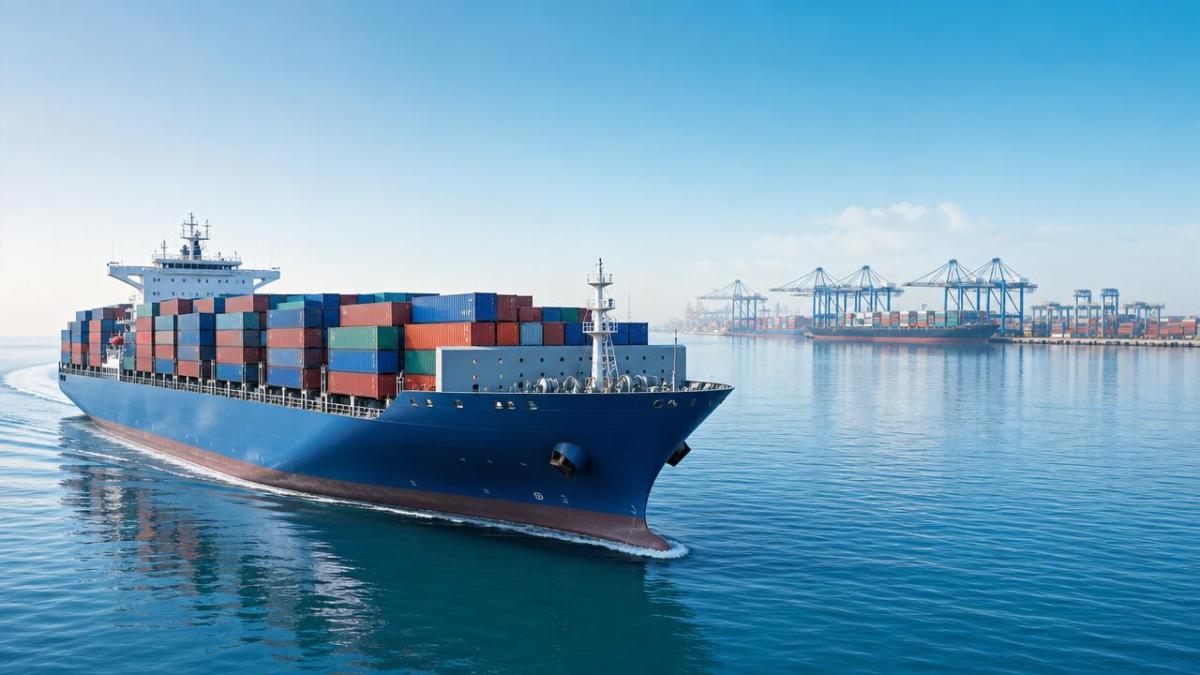
Traditional vessel reviews often focus on TEU, propulsion, and speed curves.
Those factors still matter, but smart container ships introduce another layer of performance.
That layer is digital, operational, and highly dependent on data quality.
A vessel may look advanced on paper, yet deliver weak results if shipboard systems do not talk well with shore systems.
The same applies when AI tools are added without clear crew workflows.
In practical selection work, smart container ships should be judged by decision support value, not digital feature count alone.
A useful comparison starts with operational objectives.
Is the goal fuel savings, safer navigation, better berth coordination, or reduced maintenance disruption?
The answer shapes which smart container ships fit best.
Core Features Worth Comparing First
When comparing smart container ships, a few features usually have the biggest impact on long-term value.
1. Navigation Intelligence and Route Optimization
This is often the headline feature, and for good reason.
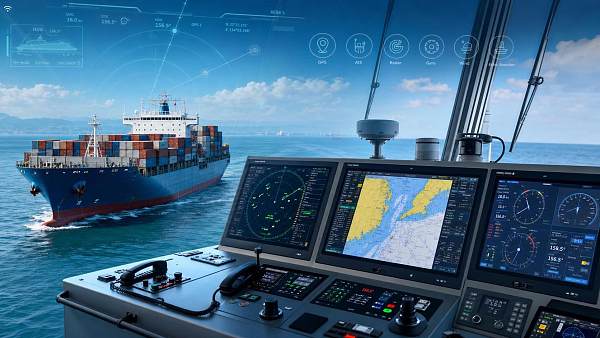
Advanced smart container ships use weather data, traffic density, current models, and port timing signals to optimize routing continuously.
The real differentiator is not route planning alone.
It is how often the model updates, how transparent the recommendations are, and whether the bridge team can act on them easily.
- Check update frequency for route decisions.
- Review fuel-saving accuracy against real voyages.
- Confirm integration with ETA and berth scheduling.
2. Automation Level and Crew Support
Automation in smart container ships should reduce workload, not create hidden dependency.
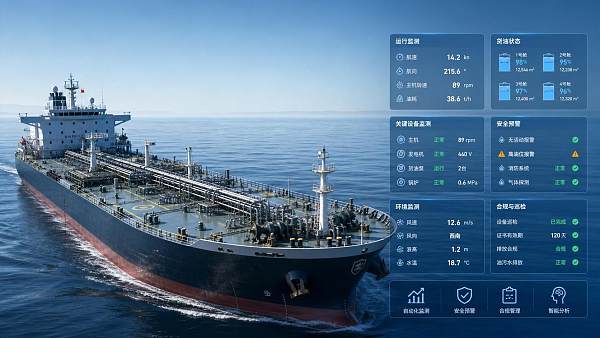
Some systems automate stability checks, power management, machinery alerts, and cargo monitoring.
Others go further with assisted collision avoidance and semi-autonomous operational routines.
More automation is not always better.
A better vessel gives clear operator override logic, fast alarm prioritization, and practical human-machine interfaces.
3. Ship-to-Shore Connectivity
This feature is central to the value promise of smart container ships.
If data cannot move reliably between vessel, operator, and terminal, many smart functions lose value.
Strong designs support secure, low-latency transmission for voyage data, machinery health, cargo condition, and terminal updates.
Better still, the system should connect with fleet dashboards, maintenance platforms, and port community systems without heavy customization.
Operational Efficiency Signals That Matter Most
Beyond core digital features, smart container ships should show measurable efficiency gains in day-to-day service.
Energy Performance Under Real Voyage Conditions
One common selection mistake is trusting ideal-condition efficiency claims too quickly.
Smart container ships should be reviewed using mixed-sea conditions, variable load profiles, and congested port approaches.
This reveals whether the control logic really improves fuel use and emissions performance.
Look for links between digital voyage control and propulsion efficiency, auxiliary load management, and speed harmonization.
Predictive Maintenance Depth
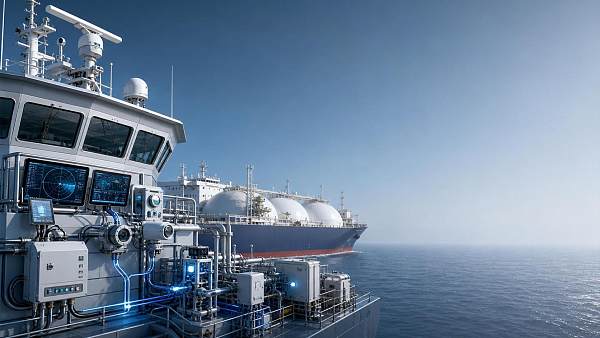
Predictive maintenance is one of the most practical features in smart container ships.
Still, performance varies widely between vendors.
Some systems only provide threshold alarms.
Others identify failure patterns, estimate remaining useful life, and tie maintenance windows to voyage schedules.
That difference has real commercial value, especially for main engine support systems, reefer power lines, and cargo handling interfaces.
Turnaround and Port Coordination
A strong smart container ships strategy should also improve what happens near the terminal.
Better ETA confidence helps reduce idle time, rescheduling friction, and berth conflicts.
In busy trade lanes, this matters almost as much as open-sea efficiency.
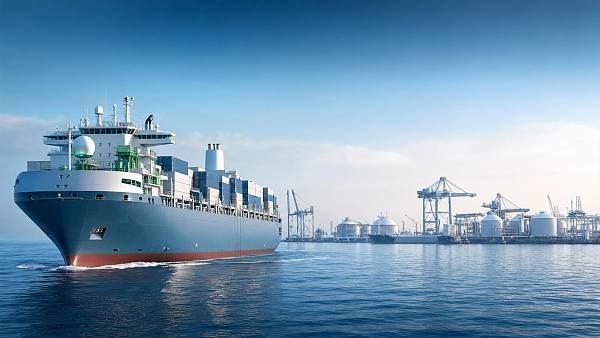
The most effective smart container ships support synchronized planning between bridge, operations center, tug services, and terminal systems.
Safety, Cybersecurity, and Compliance Checks
As smart container ships become more connected, risk also becomes more layered.
Safety review now needs to cover navigational logic, software resilience, network segmentation, and remote access control.
Cybersecurity should never be treated as an optional digital add-on.
In smart container ships, it directly affects operational continuity.
- Review separation between operational technology and business networks.
- Check software update governance and patch timing.
- Confirm data ownership, logging, and incident traceability.
- Assess fallback modes during sensor or link failure.
Compliance also deserves closer attention.
The best smart container ships make it easier to support emissions reporting, class requirements, and audit readiness across multiple jurisdictions.
A Practical Comparison Framework
To compare smart container ships effectively, it helps to use a weighted decision framework.
This keeps the evaluation grounded in business impact, not marketing language.
This kind of framework also helps compare smart container ships across different builders and digital platform suppliers.
It becomes easier to separate core capability from optional software packaging.
Common Selection Risks to Avoid
From recent market shifts, one clear signal stands out.
Many buyers now want smart container ships, but not all evaluation methods have caught up.
- Choosing based on digital labels rather than verified functions.
- Ignoring crew adoption and training burden.
- Underestimating integration work with existing fleet systems.
- Overlooking cybersecurity obligations in remote support models.
- Failing to test value under real port and weather variability.
Avoiding these issues usually leads to better procurement outcomes than chasing the most ambitious specification sheet.
What Better Decisions Usually Look Like
The best smart container ships are rarely defined by one breakthrough feature.
They stand out because multiple systems work together cleanly.
Navigation support, energy control, maintenance intelligence, and ship-to-shore visibility should form one operational logic.
That also means better decisions usually come from scenario testing.
Compare smart container ships against delayed berthing, rough weather routing, reefer-heavy loads, and maintenance alerts during tight schedules.
If a vessel solution performs well across those cases, it is far more likely to deliver durable value.
In the end, smart container ships should help operators move cargo with more predictability, lower waste, and stronger control.
That is the comparison standard worth using before any final selection decision.
Recommended News
 Jul 14, 2026Sensor Fusion Navigation Systems Trends Shaping Safer OperationsSensor fusion navigation systems are reshaping safer rail and maritime operations with real-time accuracy, stronger resilience, and smarter automation insights. Learn the key trends now.
 Jul 14, 2026How to Evaluate an AI Vessel Routing Provider for Fuel SavingsAI vessel routing provider selection starts with real fuel baselines, data quality, and live operational fit. Learn how to compare vendors, verify savings, and choose a partner that delivers measurable voyage results.
 Jul 13, 2026How Vessel Intelligence Analytics Improves Fleet ETA AccuracyVessel intelligence analytics improves fleet ETA accuracy by combining AIS, weather, congestion, and port signals—helping operators reduce delays, optimize arrivals, and strengthen end-to-end logistics decisions.
 Jul 12, 2026Marine Navigation for Commercial Vessels: Key Upgrade ChecksMarine navigation for commercial vessels: discover the key upgrade checks that improve safety, redundancy, cyber readiness, and bridge efficiency for smarter fleet decisions.
![]() Jul 07, 2026Navigation Decision Logic Explained: Limits, Risks, and Use CasesNavigation decision logic explained clearly: explore its limits, risks, and real-world use cases in rail and maritime systems to improve safety, resilience, and smarter operational decisions.
Jul 07, 2026Navigation Decision Logic Explained: Limits, Risks, and Use CasesNavigation decision logic explained clearly: explore its limits, risks, and real-world use cases in rail and maritime systems to improve safety, resilience, and smarter operational decisions. Jul 05, 2026Maritime Automation for Tankers: Key Safety and Compliance Gaps to Check FirstMaritime automation for tankers starts with closing safety and compliance gaps. Learn the top risks in alarms, sensors, cyber controls, crew use, and records before problems escalate.
 Jul 04, 2026IMO-Compliant Smart Shipping Solutions: Certification Gaps to CheckSmart shipping solutions IMO compliant: discover the certification gaps that can delay audits, weaken safety assurance, and expose advanced vessels to operational risk.
 Jul 03, 2026Smart Shipping Solutions IMO Compliant: Features That Matter MostSmart shipping solutions IMO compliant deliver safer operations, emissions control, route efficiency, and audit-ready data. Discover the features that protect vessel value and improve fleet performance.
 Jun 22, 2026How Advanced Ocean-Going Vessels Cut Transit Risk in Long-Haul ShippingAdvanced ocean-going vessels cut transit risk through smarter routing, cargo monitoring, and port coordination. See how route-based vessel choices improve long-haul shipping reliability.
 Jun 21, 2026Smart Container Ships: What to Evaluate Before Investing in New SystemsSmart container ships demand more than new tech. Learn how to evaluate integration, lifecycle cost, cyber risk, and ROI before investing in new systems.
 Jun 14, 2026Smart Container Ships: Key Features Worth ComparingSmart container ships comparison guide: explore route intelligence, automation, connectivity, predictive maintenance, and cybersecurity to choose smarter vessels with better efficiency and reliability.
 Jun 13, 2026AI Route Optimization: When Fuel Savings Justify AdoptionAI route optimization explained: learn when fuel savings, ETA reliability, and lower emissions can justify adoption, with practical ROI factors and payback insights for transport operators.
 Jun 07, 2026AI Route Optimization in Shipping: Where It Cuts Delays—and Where It Doesn’tAI route optimization in shipping cuts delays when weather, vessel data, and port timing align—but it won’t fix congestion or canal queues. See where it truly delivers ROI.
![]() May 23, 2026Autonomous Navigation: How Safe Is It at Sea?Smart maritime technology is reshaping autonomous navigation at sea. Explore key safety risks, safeguards, and practical insights buyers need to evaluate trusted vessel autonomy.
May 23, 2026Autonomous Navigation: How Safe Is It at Sea?Smart maritime technology is reshaping autonomous navigation at sea. Explore key safety risks, safeguards, and practical insights buyers need to evaluate trusted vessel autonomy. May 07, 2026AI Route Optimization for Fleet Expansion: What to Evaluate FirstAI route optimization is the first priority for fleet expansion. Learn what buyers should evaluate first to improve accuracy, integration, safety, and scalable transport performance.
 May 07, 2026AI Route Optimization vs Manual Planning: What Changes FirstAI route optimization vs manual planning: discover what changes first—faster decisions, better fuel efficiency, stronger schedule reliability, and smarter risk control.