



Search News
Industry Portal
Popular Tags
Pantographs Supplier for Railway Networks: Key Checks Before Shortlisting

Author
Time
Click Count
Choosing a reliable pantographs supplier for railway networks is more than a pricing exercise. It directly affects safety, current collection stability, maintenance intervals, and long-term fleet availability.
In modern rail systems, pantographs work under extreme vibration, weather exposure, contact wire variation, and speed-related aerodynamic forces. A weak supply choice can create repeated failures across an entire network.
This guide explains the main checks to complete before shortlisting a pantographs supplier for railway networks. It focuses on technical fit, compliance strength, lifecycle support, and commercial reliability.
Technical baseline for evaluating a pantographs supplier for railway networks

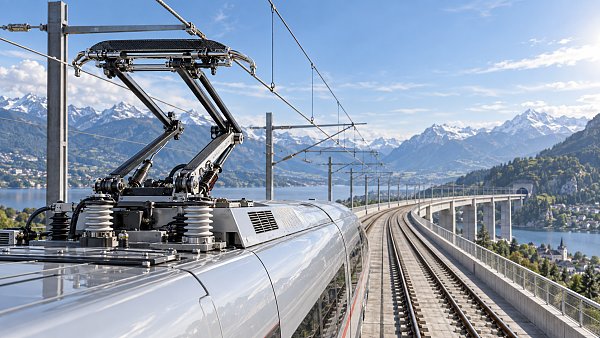
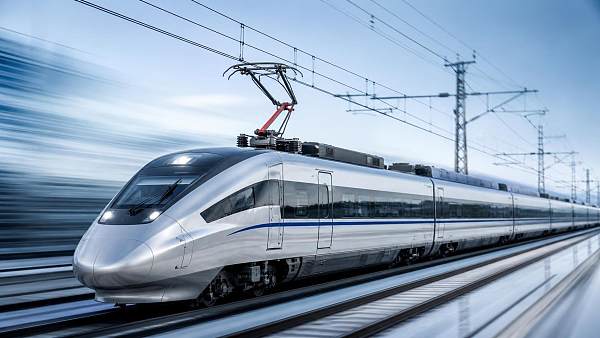
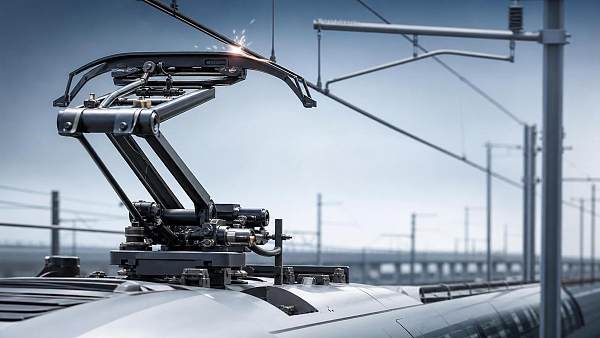
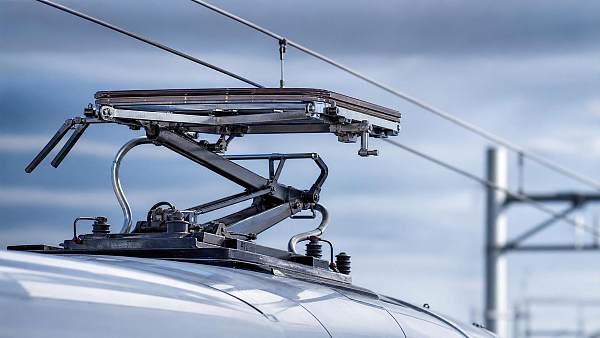
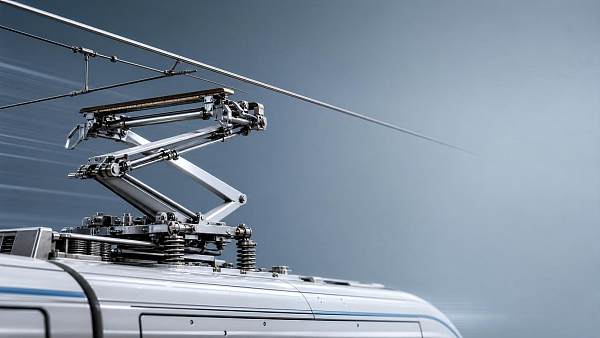
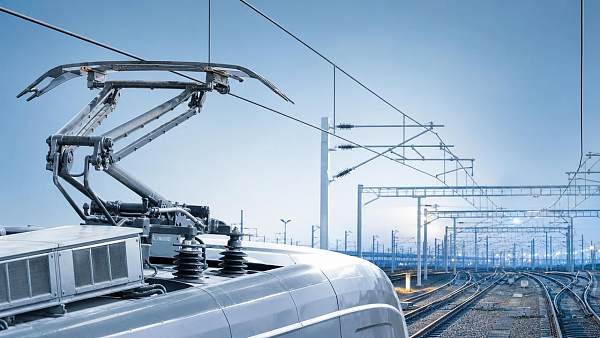
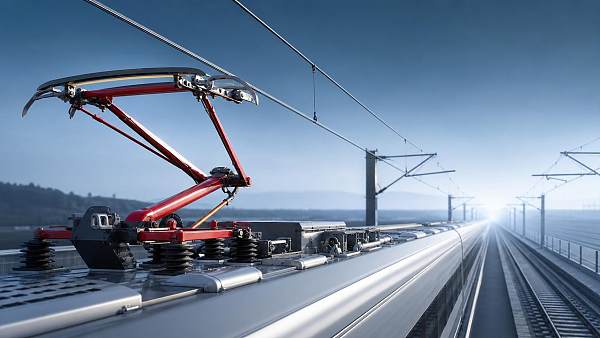
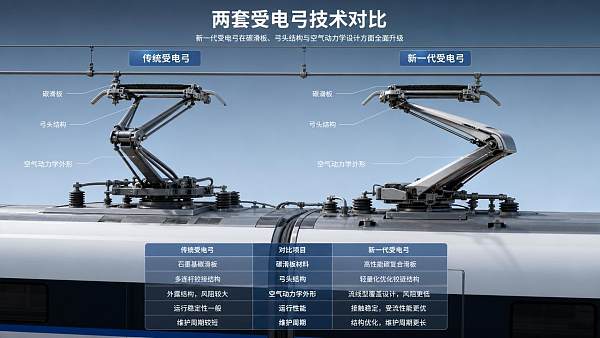
A pantograph is the roof-mounted current collection system connecting rolling stock to the overhead line. Its performance influences traction power continuity, onboard equipment protection, and safe high-speed operation.
Any pantographs supplier for railway networks should be assessed first on engineering fundamentals. Product claims matter less than measured performance under real operating conditions.
Core technical points to verify
- Maximum operating speed and stable contact performance.
- Compatibility with AC or DC electrification systems.
- Aerodynamic behavior under crosswind and tunnel pressure changes.
- Uplift force control across speed ranges.
- Carbon strip wear rate and replacement simplicity.
- Insulation performance, arc resistance, and fault tolerance.
- Structural fatigue life of frames, arms, springs, and dampers.
For mixed fleets, technical interoperability becomes critical. A pantographs supplier for railway networks should show evidence that one platform can fit multiple vehicle types without creating maintenance complexity.
Industry context and current supplier review priorities
Railway infrastructure is evolving toward higher speeds, denser traffic, and stronger energy efficiency targets. These trends raise the standard for every pantographs supplier for railway networks under consideration.
Across global rail programs, several review signals appear repeatedly during supplier comparison. They shape both qualification criteria and contract risk discussions.
The strongest candidates usually align product engineering with service evidence. In practice, a capable pantographs supplier for railway networks should speak clearly about testing, failures, upgrades, and field feedback.
Compliance, validation, and quality system checks
Compliance review should move beyond certificate collection. Documents are important, but consistency between design, manufacturing, and field performance is the real quality indicator.
Before shortlisting a pantographs supplier for railway networks, verify how standards are translated into product controls, inspection steps, and traceable records.
Essential validation areas
- Type testing for speed, current collection, and structural endurance.
- Routine factory tests with clear acceptance criteria.
- Material traceability for key mechanical and electrical parts.
- Supplier quality management and sub-supplier control.
- Nonconformity handling and corrective action discipline.
- Configuration control for design revisions and spare compatibility.
Field references are especially valuable. A pantographs supplier for railway networks with proven installations in demanding climates or high-speed corridors provides stronger confidence than one relying only on lab claims.
It is also useful to review warranty claim history, return rates, and recurrent failure modes. This reveals whether problems are isolated or systemic.
Lifecycle value and operational impact
The lowest unit price rarely equals the best network outcome. A sound pantographs supplier for railway networks helps reduce downtime, wire wear, emergency callouts, and inventory pressure over the asset lifecycle.
Lifecycle value should be tested with measurable questions rather than broad promises. Shortlisting becomes stronger when commercial review is linked to operating data.
Support capability matters as much as product design. A dependable pantographs supplier for railway networks should provide manuals, overhaul limits, training materials, and escalation paths for critical incidents.
Typical railway scenarios and supplier fit
Different rail environments demand different pantograph priorities. Shortlisting should reflect route profile, voltage system, speed class, climate, and maintenance strategy.
Common application scenarios
- High-speed rail: Focus on aerodynamic stability, uplift precision, and low contact loss at very high speeds.
- Urban transit: Emphasize compact design, frequent cycle durability, and easy maintenance access.
- Regional and intercity fleets: Prioritize interoperability, moderate speed performance, and cost-efficient serviceability.
- Heavy-duty or mixed routes: Review robustness under vibration, contamination, and changing overhead line conditions.
- Extreme climate networks: Check ice, salt mist, sand, humidity, and temperature resistance.
The right pantographs supplier for railway networks should not force a single standard model into every scenario. Strong suppliers usually adapt head geometry, control settings, and materials to route realities.
Practical shortlist checklist before supplier engagement
A structured checklist improves comparison quality and reduces selection bias. It also helps keep technical, operational, and commercial reviews aligned.
- Request a compliance matrix against project specifications and operating conditions.
- Review certified test reports, not only marketing brochures.
- Check reference projects with similar speeds, climates, and overhead line systems.
- Assess manufacturing consistency, inspection records, and traceability depth.
- Compare spare parts plans, recommended stock levels, and lead times.
- Evaluate training, after-sales response, and failure investigation capability.
- Model total cost of ownership over the planned service period.
- Confirm revision control, retrofit support, and long-term parts availability.
When comparing candidates, score evidence quality rather than presentation style. The best pantographs supplier for railway networks is usually the one that proves performance with disciplined documentation and field results.
GTOT tracks these technical and commercial signals across railway control components and traction-related systems. That broader intelligence view helps connect component selection with network reliability, safety, and investment value.
Before final shortlisting, build a side-by-side review sheet using the checks above. This approach makes supplier comparison clearer, supports defensible decisions, and improves the odds of choosing a truly reliable pantographs supplier for railway networks.
Recommended News
 Sep 27, 2026How to assess a high speed pantograph supplier in EuropeHigh speed pantograph supplier Europe: learn how to assess technical fit, validation, compliance, and lifecycle support for reliable rail operations.
 Aug 08, 2026How to Evaluate Rail Pantograph Systems for Speed, Contact Stability, and Maintenance LifeRail pantograph systems evaluation made practical: learn how to assess speed performance, contact stability, and maintenance life for safer selection, lower wear, and more reliable rail operations.
 Jul 11, 2026Pantographs for High-Speed Rail: How to Reduce Lifecycle Maintenance CostsPantographs for high-speed rail: learn how smarter design, stable current collection, and serviceable components can cut lifecycle maintenance costs and reduce downtime.
 Jun 30, 2026How to Evaluate High-Speed Rail Pantograph Head Wear and Contact StabilityHigh-speed rail pantograph head evaluation starts with wear patterns, contact stability, and route fit. Learn how to reduce arc risk, prevent failures, and improve replacement decisions.
 Jun 27, 2026How Pantograph Components Affect Current Collection and WearPantograph components directly influence current collection, contact stability, and wear. Learn how strip material, force control, damping, and frame design improve rail reliability and cut maintenance costs.
 Jun 23, 2026How Pantographs for High-Speed Rail Affect Uptime and Maintenance CostsPantographs for high-speed rail directly impact fleet uptime and maintenance costs. Learn how stable contact, smarter inspections, and better design reduce failures and downtime.
 Jun 22, 2026High-Speed Rail Technology: Key Performance Factors Before System SelectionHigh-speed rail technology selection starts with safety, traction, braking, interoperability, and lifecycle value. Discover the key factors that help buyers choose reliable, future-ready systems.
 Jun 13, 2026Pantographs Supplier for Railway Networks: 7 Factors to ComparePantographs supplier for railway networks: compare 7 critical factors including performance, wear life, certification, delivery, service, and total cost to choose a reliable partner.
 Jun 13, 2026How Pantographs for High-Speed Rail Affect Uptime and WearPantographs for high-speed rail directly shape uptime, wear, and lifecycle cost. Learn how contact stability, materials, and aerodynamics impact reliability and maintenance.
 Jun 11, 2026High-Speed Traction Systems: Performance Factors That Affect Rail EfficiencyHigh-speed traction systems drive rail efficiency through better power conversion, thermal control, precision software, and reliability. Learn which upgrades deliver measurable results.
![]() Jun 04, 2026Pantographs for High-Speed Rail: Key Wear Signs to TrackPantographs for high-speed rail: learn the key wear signs to track, from uneven strip wear to arc marks and vibration, to improve safety, uptime, and maintenance decisions.
Jun 04, 2026Pantographs for High-Speed Rail: Key Wear Signs to TrackPantographs for high-speed rail: learn the key wear signs to track, from uneven strip wear to arc marks and vibration, to improve safety, uptime, and maintenance decisions. May 25, 2026Pantographs for High-Speed Rail: Key Performance ChecksPantographs for high-speed rail: discover the key performance checks technical evaluators should review, from contact force and aerodynamics to wear, vibration, and life-cycle reliability.
 May 21, 2026Pantographs for Electric Locomotives: What Affects Contact StabilityPantographs for electric locomotives: discover what affects contact stability, from airflow and catenary dynamics to strip wear and suspension tuning for safer, more reliable rail performance.
 May 20, 2026Pantographs Supplier for Railway Networks: Key Checks Before ShortlistingPantographs supplier for railway networks: learn the key checks for technical fit, compliance, lifecycle support, and reliability before shortlisting the right partner.
 May 07, 2026How to Compare Pantographs for High-Speed Rail UpgradesPantographs comparison for high-speed rail upgrades: learn how to evaluate contact stability, aerodynamics, wear, and lifecycle cost to choose safer, smarter systems.