



Search News
Industry Portal
Popular Tags
How Pantographs for High-Speed Rail Affect Uptime and Maintenance Costs
Author
Time
Click Count
How Pantographs for High-Speed Rail Affect Uptime and Maintenance Costs
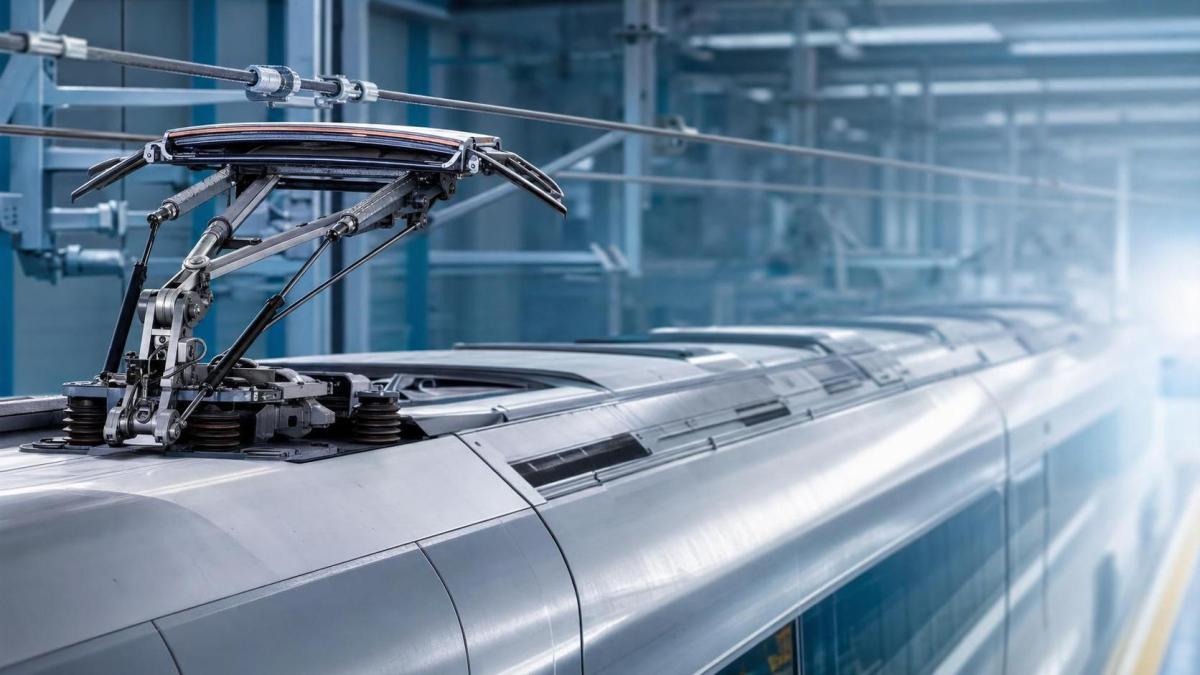
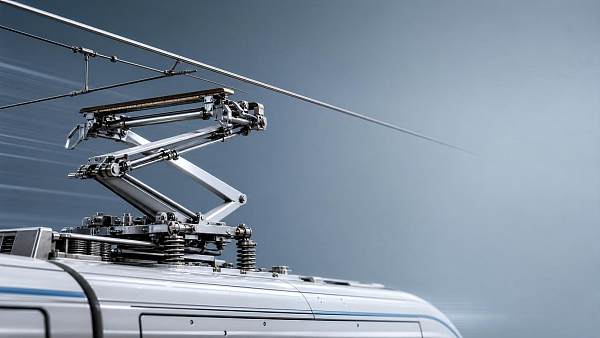
For after-sales maintenance work, pantographs for high-speed rail are not just roof equipment.
They shape power continuity, fault rate, inspection cycles, and total maintenance spending.
When current collection becomes unstable, problems spread fast across the trainset.
A small loss of contact can trigger arcing, strip wear, overhead line damage, and service delay.
That is why pantographs for high-speed rail sit at the center of uptime strategy.
The issue is not only component life.
It is also how reliably the system performs under speed, crosswind, icing, vibration, and changing catenary geometry.
In daily operations, better reliability means fewer emergency interventions and more predictable planning.
That directly lowers labor pressure and spare parts waste.
Why contact stability drives fleet uptime
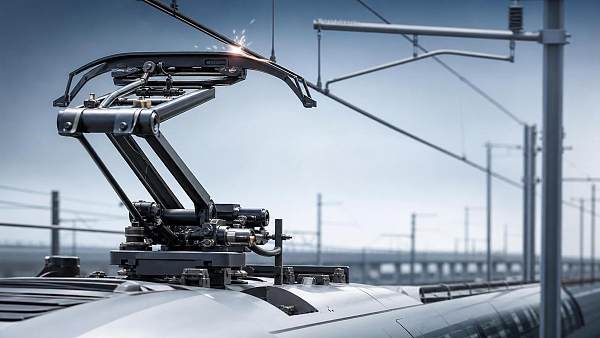
The main job of pantographs for high-speed rail is simple in theory.
They must maintain steady contact with the overhead line while the train moves at very high speed.
In practice, that contact is constantly challenged.
Aerodynamic lift changes with speed.
Track vibration feeds into the carbody.
Catenary height and stagger shift along the route.
Weather adds another layer of uncertainty.
If the contact force is too low, the strip may separate and arc.
If the force is too high, both strip and wire wear accelerate.
Either way, uptime suffers.
More operators now evaluate pantographs for high-speed rail by dynamic behavior, not just static specifications.
That change matters.
A unit that looks compliant in depot checks may still create repeated line faults at speed.
So, real uptime comes from stable current collection across the full duty profile.
Typical uptime losses linked to poor pantograph behavior
- Frequent arcing that damages carbon strips and contact wire surfaces.
- Unexpected dewirements caused by severe mechanical instability.
- Repeated alarms from uplift, contact loss, or abnormal vibration sensors.
- Secondary failures in insulators, horns, dampers, or pneumatic actuation parts.
- Extra train withdrawals for unplanned inspection and corrective replacement.
How pantograph design changes maintenance cost
Not all pantographs for high-speed rail create the same maintenance profile.
Small design differences often decide whether a fleet stays predictable or turns reactive.
Head geometry affects aerodynamic response.
Frame stiffness affects vibration transmission.
Damping quality influences contact smoothness.
Strip material selection changes wear rate and arc tolerance.
Actuation reliability affects raising and lowering consistency.
From a cost view, the best design is rarely the cheapest unit price.
It is the design that reduces maintenance hours per kilometer and limits network-side damage.
This is especially important where trainsets run intensive schedules with short depot windows.
In those cases, easier access, faster strip replacement, and repeatable adjustment accuracy become strong cost advantages.
Design features that usually reduce total cost
- Stable contact force control across different speeds and weather conditions.
- Low-mass moving parts that cut uplift fluctuation and impact load.
- Modular wear parts that shorten replacement time in the depot.
- Robust sealing and corrosion resistance for coastal or humid routes.
- Built-in monitoring points for easier condition-based maintenance.
Wear patterns that signal higher risk early
Maintenance cost rises sharply when wear is detected too late.
That is why wear interpretation matters as much as wear measurement.
For pantographs for high-speed rail, uneven strip wear is a key warning sign.
It may point to misalignment, abnormal stagger interaction, or unstable force distribution.
Localized burning often suggests repeated arcing.
Cracks near fastening areas may indicate impact loading or thermal stress.
Abnormal horn marks can reveal poor tracking under crosswind or transition sections.
These signals should never be treated as isolated cosmetic defects.
More often, they show a system interaction issue.
A practical approach is to connect wear data with route conditions, speed bands, weather logs, and fault history.
That makes diagnosis faster and avoids repeated strip replacement without solving the cause.
What to check during routine inspection
- Measure strip thickness loss and compare left-right wear symmetry.
- Inspect arc traces, hot spots, and edge damage on contact surfaces.
- Verify frame alignment, head level, and actuator response consistency.
- Check dampers, joints, springs, and pneumatic lines for degradation.
- Review fault logs with route, season, and trainset operating context.
The link between standards, reliability, and service planning
Technical standards matter because they define the baseline for safe interaction.
For pantographs for high-speed rail, compliance with relevant EN and IEC frameworks supports consistency.
Still, compliance alone does not guarantee low maintenance cost.
The real question is how a compliant design performs in local service conditions.
Routes with tunnels, coastal salt exposure, winter icing, or frequent speed transitions create very different stress patterns.
This also affects service planning.
If maintenance intervals are copied from generic manuals, fleets often get either over-maintained or under-protected.
A better method is to set inspection frequency using reliability data, strip wear trend, alarm history, and route severity.
This is where intelligent asset management becomes useful.
It turns pantographs for high-speed rail from a periodic check item into a managed reliability asset.
A simple field decision table
How to reduce downtime without over-maintaining the fleet
The most effective cost control move is not simply replacing parts earlier.
It is improving diagnosis and timing.
For pantographs for high-speed rail, that means combining inspection discipline with operational data.
Recent industry practice shows a clear shift toward condition-based maintenance.
The reason is straightforward.
Condition-based planning helps teams intervene before a service failure, but after useful life has been captured.
That balance protects uptime and avoids waste.
It also improves communication with operators, EPC partners, and component suppliers.
Practical steps that usually work
- Build route-based inspection rules instead of one fixed interval for all trainsets.
- Track strip wear rate, not only remaining thickness.
- Connect pantograph alarms with weather and operating speed records.
- Standardize failure coding so repeat defects become visible early.
- Keep critical spare modules ready for fast exchange during short maintenance windows.
- Review supplier feedback when the same defect appears across similar fleets.
Over time, these actions make pantographs for high-speed rail easier to manage as a cost-controlled system.
They also help separate true component weakness from route or catenary interaction issues.
A more reliable pantograph strategy starts with better field decisions
Pantographs for high-speed rail affect far more than roof-level hardware performance.
They influence fleet availability, maintenance rhythm, spare planning, and lifecycle economics.
When contact quality is stable, downtime drops and planning becomes calmer.
When wear signals are read early, teams avoid costly repeat failures.
When standards are paired with route-specific data, maintenance intervals become smarter.
That is the real opportunity.
Treat pantographs for high-speed rail as a dynamic reliability asset, not a routine replacement item.
With that shift, uptime improves, maintenance cost becomes more predictable, and field decisions create measurable value across the fleet.
Recommended News
 Sep 27, 2026How to assess a high speed pantograph supplier in EuropeHigh speed pantograph supplier Europe: learn how to assess technical fit, validation, compliance, and lifecycle support for reliable rail operations.
 Aug 08, 2026How to Evaluate Rail Pantograph Systems for Speed, Contact Stability, and Maintenance LifeRail pantograph systems evaluation made practical: learn how to assess speed performance, contact stability, and maintenance life for safer selection, lower wear, and more reliable rail operations.
 Jul 11, 2026Pantographs for High-Speed Rail: How to Reduce Lifecycle Maintenance CostsPantographs for high-speed rail: learn how smarter design, stable current collection, and serviceable components can cut lifecycle maintenance costs and reduce downtime.
 Jun 30, 2026How to Evaluate High-Speed Rail Pantograph Head Wear and Contact StabilityHigh-speed rail pantograph head evaluation starts with wear patterns, contact stability, and route fit. Learn how to reduce arc risk, prevent failures, and improve replacement decisions.
 Jun 27, 2026How Pantograph Components Affect Current Collection and WearPantograph components directly influence current collection, contact stability, and wear. Learn how strip material, force control, damping, and frame design improve rail reliability and cut maintenance costs.
 Jun 23, 2026How Pantographs for High-Speed Rail Affect Uptime and Maintenance CostsPantographs for high-speed rail directly impact fleet uptime and maintenance costs. Learn how stable contact, smarter inspections, and better design reduce failures and downtime.
 Jun 22, 2026High-Speed Rail Technology: Key Performance Factors Before System SelectionHigh-speed rail technology selection starts with safety, traction, braking, interoperability, and lifecycle value. Discover the key factors that help buyers choose reliable, future-ready systems.
 Jun 13, 2026Pantographs Supplier for Railway Networks: 7 Factors to ComparePantographs supplier for railway networks: compare 7 critical factors including performance, wear life, certification, delivery, service, and total cost to choose a reliable partner.
 Jun 13, 2026How Pantographs for High-Speed Rail Affect Uptime and WearPantographs for high-speed rail directly shape uptime, wear, and lifecycle cost. Learn how contact stability, materials, and aerodynamics impact reliability and maintenance.
 Jun 11, 2026High-Speed Traction Systems: Performance Factors That Affect Rail EfficiencyHigh-speed traction systems drive rail efficiency through better power conversion, thermal control, precision software, and reliability. Learn which upgrades deliver measurable results.
![]() Jun 04, 2026Pantographs for High-Speed Rail: Key Wear Signs to TrackPantographs for high-speed rail: learn the key wear signs to track, from uneven strip wear to arc marks and vibration, to improve safety, uptime, and maintenance decisions.
Jun 04, 2026Pantographs for High-Speed Rail: Key Wear Signs to TrackPantographs for high-speed rail: learn the key wear signs to track, from uneven strip wear to arc marks and vibration, to improve safety, uptime, and maintenance decisions. May 25, 2026Pantographs for High-Speed Rail: Key Performance ChecksPantographs for high-speed rail: discover the key performance checks technical evaluators should review, from contact force and aerodynamics to wear, vibration, and life-cycle reliability.
 May 21, 2026Pantographs for Electric Locomotives: What Affects Contact StabilityPantographs for electric locomotives: discover what affects contact stability, from airflow and catenary dynamics to strip wear and suspension tuning for safer, more reliable rail performance.
 May 20, 2026Pantographs Supplier for Railway Networks: Key Checks Before ShortlistingPantographs supplier for railway networks: learn the key checks for technical fit, compliance, lifecycle support, and reliability before shortlisting the right partner.
 May 07, 2026How to Compare Pantographs for High-Speed Rail UpgradesPantographs comparison for high-speed rail upgrades: learn how to evaluate contact stability, aerodynamics, wear, and lifecycle cost to choose safer, smarter systems.