



Search News
Industry Portal
Popular Tags
High-Speed Rail Technology: Key Performance Factors Before System Selection
Author
Time
Click Count
High-Speed Rail Technology: Key Performance Factors Before System Selection
Selecting the right high-speed rail technology requires more than comparing top speed or cost.
The real decision sits inside safety integrity, traction stability, braking precision, interoperability, and lifecycle reliability.
That is where strong systems protect timetable performance and long-term asset value.
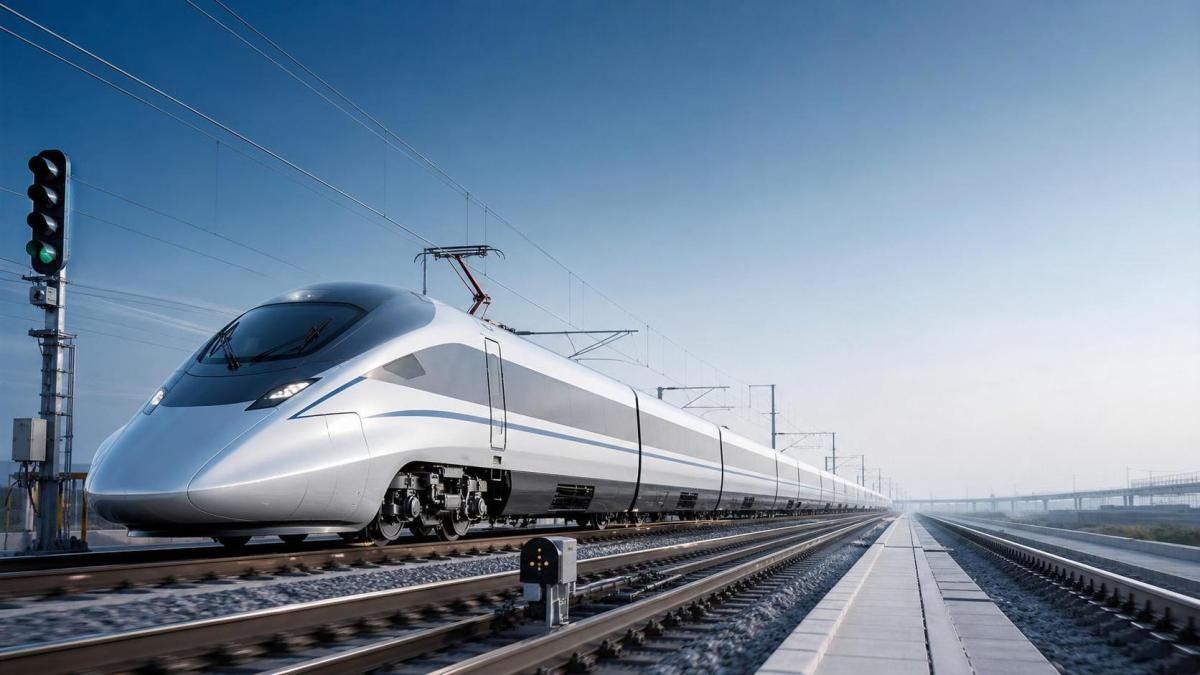
In practice, high-speed rail technology selection is rarely about one subsystem alone.
It is a system-level choice shaped by control architecture, operating environment, maintenance strategy, and future network expansion.
For teams comparing suppliers, the better question is simple.
Which high-speed rail technology performs predictably under real constraints, not just in ideal demonstrations?
Start With Safety Integrity and Control Logic
Safety is still the first filter in any high-speed rail technology evaluation.
If signalling, train control, and interlocking logic are weak, speed becomes a liability.
This is why SIL4 alignment, fail-safe design, and fault isolation should be checked early.
A mature control platform should keep safe separation under degraded communication conditions.
It should also recover cleanly after resets, power interruptions, or onboard equipment swaps.
From a decision standpoint, ask for more than certification summaries.
Request evidence of event logging depth, redundancy behavior, and response time under simulated faults.
- Check SIL level, hazard analysis, and fault tree transparency.
- Review degraded-mode operation and dispatch continuity rules.
- Confirm compatibility with existing signalling protocols and interfaces.
- Verify cyber resilience for connected control environments.
Evaluate Traction Stability Beyond Rated Speed
Many buyers still start with maximum speed figures.
That number matters, but it rarely decides the best high-speed rail technology on its own.
The better indicator is stable traction performance across weather, gradients, tunnels, and changing power conditions.
A strong traction system maintains smooth acceleration without creating damaging stress on motors, converters, or power collection equipment.
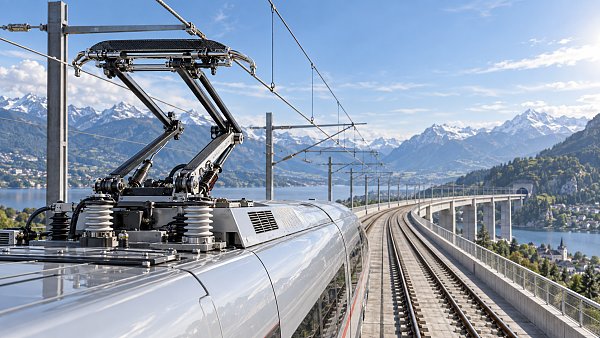
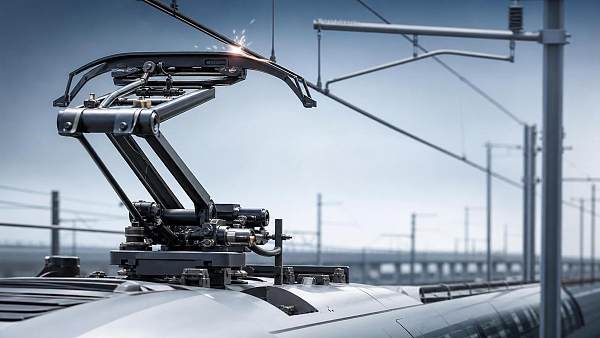
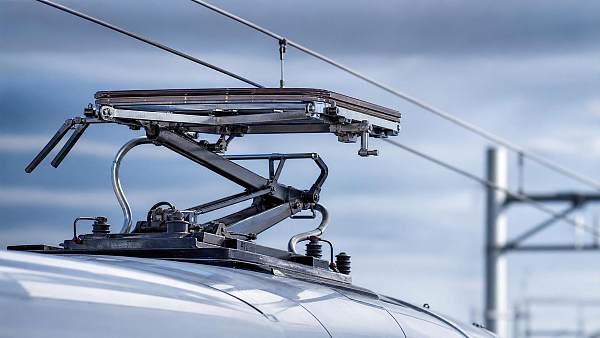
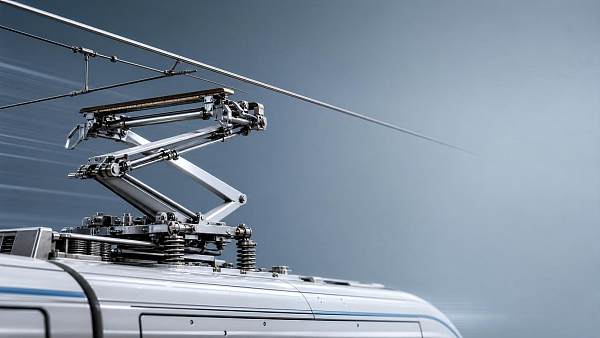
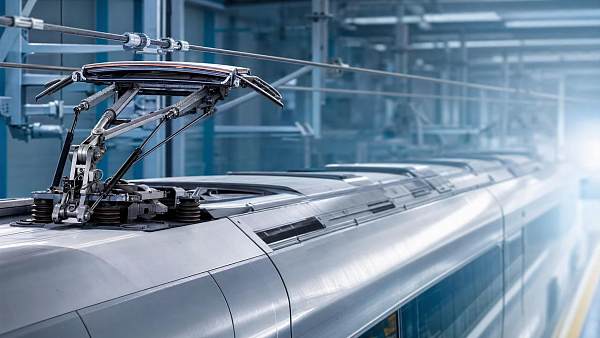
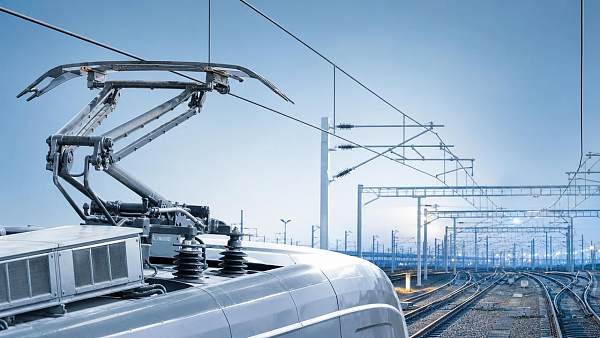
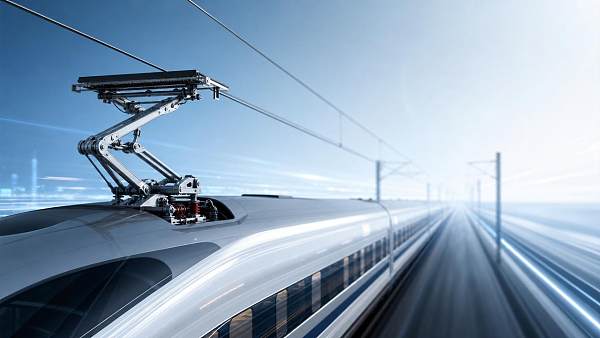
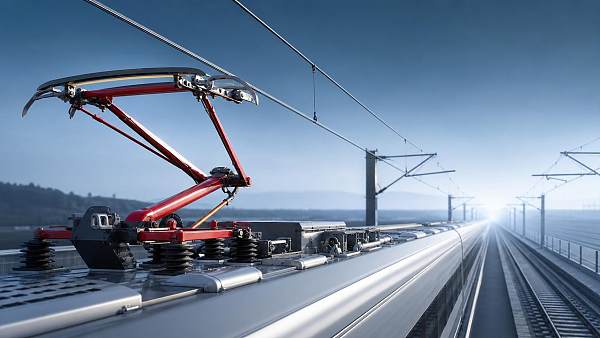
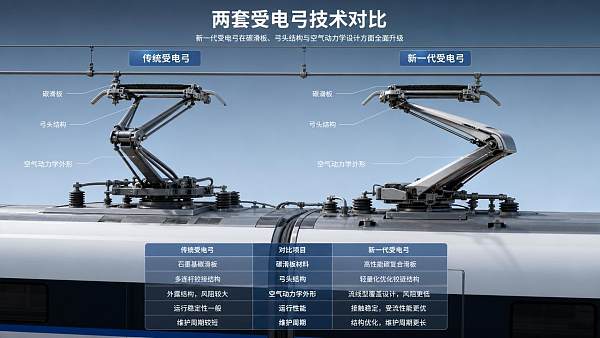
Pantograph behavior deserves special attention here.
At very high speed, contact stability can shift quickly under crosswinds, vibration, icing, and overhead line variation.
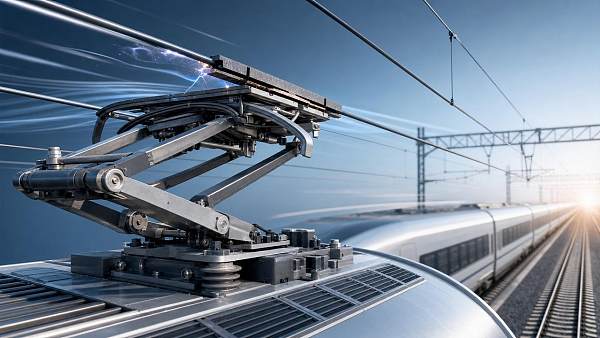
If current collection becomes unstable, the entire high-speed rail technology package suffers.
Short-term arcing may look manageable in tests.
Over time, it can drive wear, increase downtime, and weaken service reliability.
- Compare acceleration curves under partial load and full load.
- Assess pantograph contact force consistency at operating speed.
- Review thermal margins in converters and traction motors.
- Confirm tolerance to voltage fluctuation and regenerative transitions.
Braking Precision Is a Core Selection Variable
Braking is where high-speed rail technology proves whether speed and safety can truly coexist.
Stopping performance is not only about distance.
It is about repeatability, modulation accuracy, adhesion management, and thermal stability over repeated cycles.
Modern systems combine regenerative, electrodynamic, pneumatic, and friction braking in a coordinated logic stack.
That coordination should stay predictable on wet rails, long descents, or emergency interventions.
Recent projects show a clear trend.
Composite brake materials and microelectronic control improve response, but only when integration is disciplined.
A good procurement review should ask how the braking system behaves after heat buildup, not only when new.
- Measure emergency and service braking consistency.
- Check fade resistance during repeated high-energy stops.
- Review wheel slide protection and adhesion control strategy.
- Verify maintenance intervals for pads, discs, valves, and sensors.
Interoperability Often Decides Long-Term Value
Even a technically strong platform can become expensive if interoperability is weak.
This is especially true when networks mix legacy assets, multiple vendors, and phased expansion plans.
High-speed rail technology should support clean integration across signalling, onboard diagnostics, traction power, and maintenance data flows.
The more open and structured the interfaces, the lower the risk of future bottlenecks.
This also affects digital upgrades.
Condition monitoring, LTE-M connectivity, remote diagnostics, and predictive maintenance all depend on usable system architecture.
If the interface model is closed or poorly documented, later modernization becomes slower and more costly.
Lifecycle Performance Should Outweigh Purchase Price
Price pressure is real, especially in large fleet programs.
Still, the most cost-effective high-speed rail technology is usually the one with stronger lifecycle control.
That includes spare parts predictability, maintainability, energy efficiency, software support, and uptime stability.
A lower bid can become expensive when specialized tools, proprietary modules, or long lead-time components enter the picture.
This is where disciplined evaluation pays off.
Compare mean time between failures, mean time to repair, software update policy, and local service capability.
Also look at how fast the supplier can support fleet scaling across regions and operating climates.
- Estimate energy use across actual duty cycles.
- Review spare strategy for critical wear components.
- Check training requirements for maintenance teams.
- Assess vendor responsiveness during service disruptions.
A Practical Framework for High-Speed Rail Technology Selection
A useful evaluation process keeps technical depth without becoming slow or abstract.
The goal is to turn high-speed rail technology claims into comparable operational evidence.
- Define route conditions, speed targets, climate exposure, and traffic density.
- Set weighted criteria for safety, traction, braking, interoperability, and lifecycle cost.
- Request validated test data, not only brochure values.
- Run scenario reviews for degraded operation and emergency response.
- Score maintainability, upgrade readiness, and support footprint.
- Stress-test supplier assumptions before final comparison.
This approach creates a cleaner link between technical evaluation and long-term network performance.
It also makes internal approval easier because the trade-offs are visible and evidence-based.
For organizations tracking broader transport intelligence, that discipline matters even more.
Platforms such as GTOT highlight how signalling, pantographs, braking systems, and digital operations evolve together.
That wider view helps teams judge whether a supplier fits both current needs and future transport strategy.
In the end, selecting high-speed rail technology is not about chasing the fastest promise.
It is about choosing a balanced system that stays safe, stable, serviceable, and upgrade-ready under pressure.
Use these performance factors as a decision checklist, and the final shortlist becomes much clearer.
Recommended News
 Sep 27, 2026How to assess a high speed pantograph supplier in EuropeHigh speed pantograph supplier Europe: learn how to assess technical fit, validation, compliance, and lifecycle support for reliable rail operations.
 Aug 08, 2026How to Evaluate Rail Pantograph Systems for Speed, Contact Stability, and Maintenance LifeRail pantograph systems evaluation made practical: learn how to assess speed performance, contact stability, and maintenance life for safer selection, lower wear, and more reliable rail operations.
 Jul 11, 2026Pantographs for High-Speed Rail: How to Reduce Lifecycle Maintenance CostsPantographs for high-speed rail: learn how smarter design, stable current collection, and serviceable components can cut lifecycle maintenance costs and reduce downtime.
 Jun 30, 2026How to Evaluate High-Speed Rail Pantograph Head Wear and Contact StabilityHigh-speed rail pantograph head evaluation starts with wear patterns, contact stability, and route fit. Learn how to reduce arc risk, prevent failures, and improve replacement decisions.
 Jun 27, 2026How Pantograph Components Affect Current Collection and WearPantograph components directly influence current collection, contact stability, and wear. Learn how strip material, force control, damping, and frame design improve rail reliability and cut maintenance costs.
 Jun 23, 2026How Pantographs for High-Speed Rail Affect Uptime and Maintenance CostsPantographs for high-speed rail directly impact fleet uptime and maintenance costs. Learn how stable contact, smarter inspections, and better design reduce failures and downtime.
 Jun 22, 2026High-Speed Rail Technology: Key Performance Factors Before System SelectionHigh-speed rail technology selection starts with safety, traction, braking, interoperability, and lifecycle value. Discover the key factors that help buyers choose reliable, future-ready systems.
 Jun 13, 2026Pantographs Supplier for Railway Networks: 7 Factors to ComparePantographs supplier for railway networks: compare 7 critical factors including performance, wear life, certification, delivery, service, and total cost to choose a reliable partner.
 Jun 13, 2026How Pantographs for High-Speed Rail Affect Uptime and WearPantographs for high-speed rail directly shape uptime, wear, and lifecycle cost. Learn how contact stability, materials, and aerodynamics impact reliability and maintenance.
 Jun 11, 2026High-Speed Traction Systems: Performance Factors That Affect Rail EfficiencyHigh-speed traction systems drive rail efficiency through better power conversion, thermal control, precision software, and reliability. Learn which upgrades deliver measurable results.
![]() Jun 04, 2026Pantographs for High-Speed Rail: Key Wear Signs to TrackPantographs for high-speed rail: learn the key wear signs to track, from uneven strip wear to arc marks and vibration, to improve safety, uptime, and maintenance decisions.
Jun 04, 2026Pantographs for High-Speed Rail: Key Wear Signs to TrackPantographs for high-speed rail: learn the key wear signs to track, from uneven strip wear to arc marks and vibration, to improve safety, uptime, and maintenance decisions. May 25, 2026Pantographs for High-Speed Rail: Key Performance ChecksPantographs for high-speed rail: discover the key performance checks technical evaluators should review, from contact force and aerodynamics to wear, vibration, and life-cycle reliability.
 May 21, 2026Pantographs for Electric Locomotives: What Affects Contact StabilityPantographs for electric locomotives: discover what affects contact stability, from airflow and catenary dynamics to strip wear and suspension tuning for safer, more reliable rail performance.
 May 20, 2026Pantographs Supplier for Railway Networks: Key Checks Before ShortlistingPantographs supplier for railway networks: learn the key checks for technical fit, compliance, lifecycle support, and reliability before shortlisting the right partner.
 May 07, 2026How to Compare Pantographs for High-Speed Rail UpgradesPantographs comparison for high-speed rail upgrades: learn how to evaluate contact stability, aerodynamics, wear, and lifecycle cost to choose safer, smarter systems.