



Search News
Industry Portal
Popular Tags
How Pantographs for High-Speed Rail Affect Uptime and Wear
Author
Time
Click Count
How Pantographs for High-Speed Rail Affect Uptime and Wear
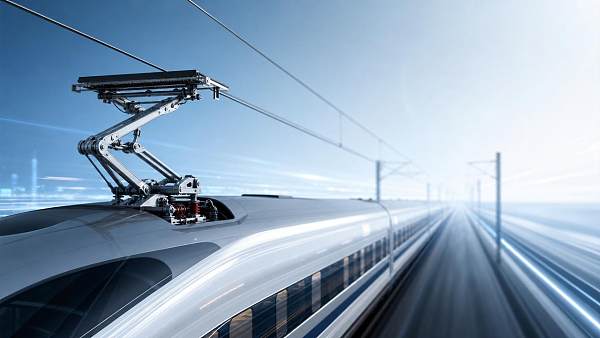
For technical evaluators, pantographs for high-speed rail are far more than rooftop accessories.
They directly influence current collection quality, maintenance intervals, and fleet availability.
When trains operate above 300 km/h, tiny design choices start creating very visible operational consequences.
A stable pantograph can protect contact wire life, reduce unplanned stoppages, and support predictable lifecycle cost.
A weak one can accelerate strip wear, trigger arcing, and increase downtime across the whole traction chain.
That is why pantographs for high-speed rail must be assessed as complete performance systems, not isolated parts.
Why uptime starts at the contact interface
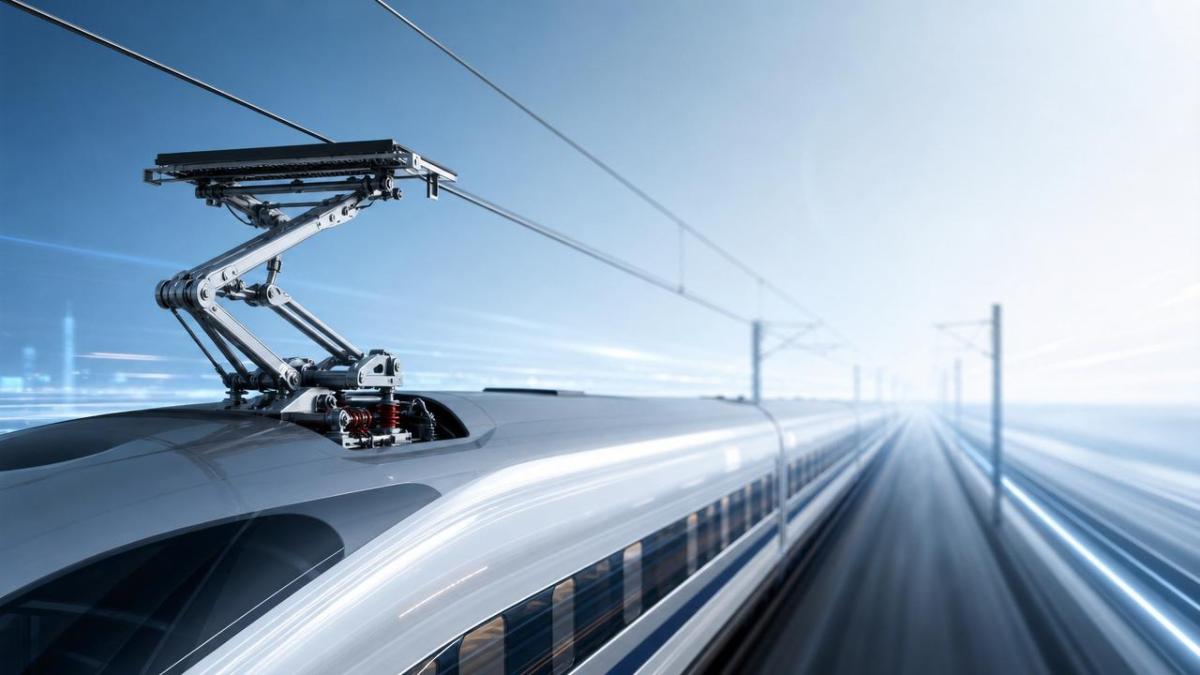
The main job of pantographs for high-speed rail is simple in theory.
They must keep continuous, controlled contact with the overhead catenary under changing speed, wind, and vibration loads.
In practice, this is where uptime is won or lost.
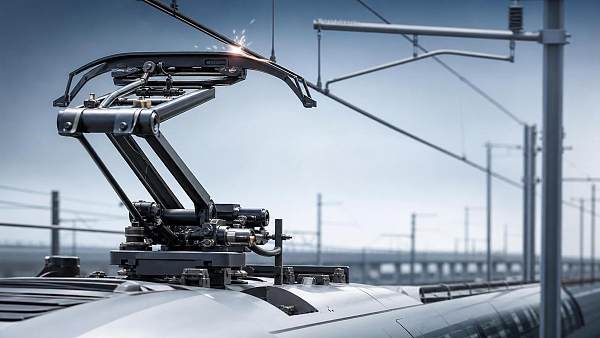
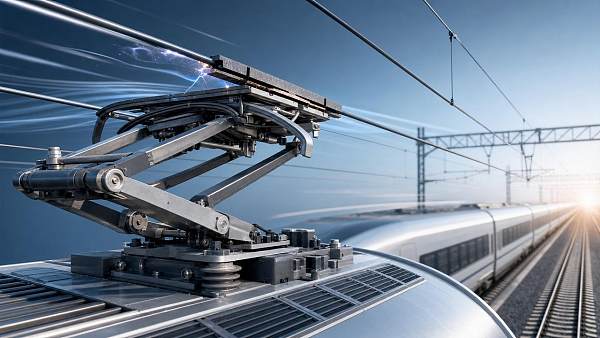
If contact force is too low, the head can bounce, creating intermittent separation and electrical arcing.
If force is too high, both contact strips and overhead wires wear faster than planned.
Either condition raises maintenance frequency and shortens usable asset life.
More importantly, unstable current collection can affect onboard traction performance and train dispatch reliability.
From a standards perspective, evaluators usually focus on dynamic contact force, uplift behavior, and arc rate.
These indicators reveal whether pantographs for high-speed rail will stay reliable outside ideal test conditions.
How wear develops in real operating conditions
Wear is rarely caused by one factor alone.
It usually comes from the interaction of mechanics, electricity, environment, and maintenance discipline.
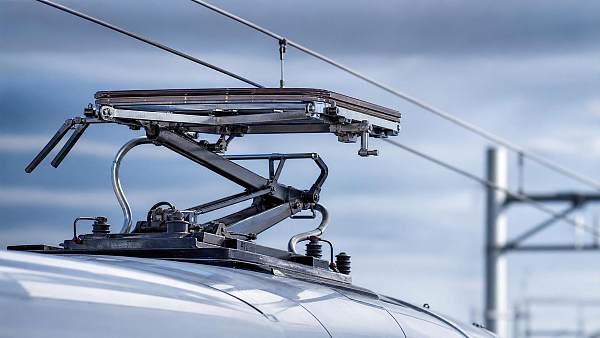
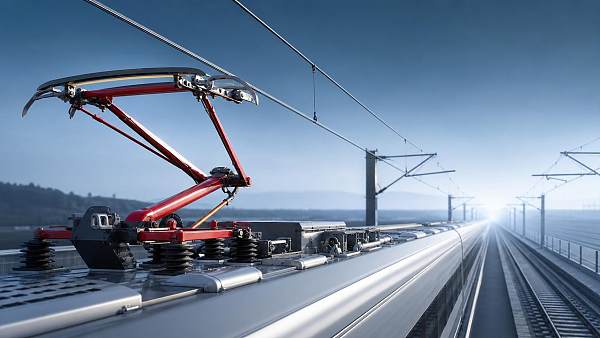
For pantographs for high-speed rail, the most common wear zones are contact strips, horn areas, articulated joints, and pneumatic elements.
Strip wear gets the most attention because it is visible and directly tied to contact quality.
However, hidden wear in linkages or dampers can be just as damaging over time.
As clearances increase, motion becomes less controlled, and the collector head starts responding poorly to track and wire irregularities.
This also means wear data should never be reviewed without operating context.
A route with tunnels, crosswinds, coastal humidity, and frequent acceleration profiles will age components differently.
The same pantograph may perform well on one corridor and struggle on another.
- Mechanical wear grows with poor damping, misalignment, and repeated shock loading.
- Electrical wear rises with arcing, contamination, and unstable contact pressure.
- Environmental wear increases under dust, salt, ice, and temperature cycling.
- Maintenance-related wear appears when inspection timing misses early degradation signals.
This is why lifecycle analysis for pantographs for high-speed rail must combine failure history with route-specific operating data.
Material choice affects both performance and replacement cycles
Material selection is one of the fastest ways to change wear behavior.
For pantographs for high-speed rail, contact strip materials must balance conductivity, friction, thermal resistance, and mechanical durability.
Carbon-based strips remain common because they reduce damage to the contact wire and handle arcing reasonably well.
Even so, not all carbon formulations behave the same way.
Differences in density, impregnation, and reinforcement can change wear rate and current transfer capacity.
Frame materials matter too.
Lighter structures reduce inertial effects and improve dynamic response, especially at very high speed.
But lightweight designs cannot sacrifice stiffness or fatigue resistance.
A collector that looks efficient on paper may create long-term instability if structural tuning is weak.
In real procurement reviews, material decisions should be linked to replacement intervals, wire compatibility, and overhaul labor demand.
Aerodynamics becomes critical above 300 km/h
Once speed climbs, airflow stops being a secondary issue.
It becomes a major force shaping the behavior of pantographs for high-speed rail.
Aerodynamic lift, turbulence, and noise all affect contact stability.
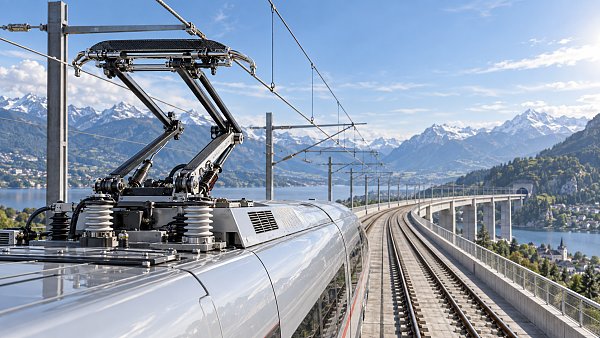
Crosswind sensitivity is especially important on exposed routes, viaducts, and transition zones near tunnels.
If the collector head experiences fluctuating aerodynamic loads, contact force becomes harder to control.
That can drive both wire wear and strip damage upward.
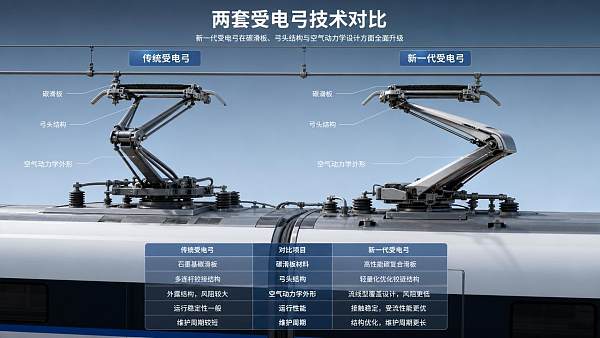
The more advanced designs use streamlined arms, optimized head geometry, and refined damping strategies.
These details reduce oscillation and help the pantograph follow wire movement more consistently.
From a technical assessment angle, wind tunnel data alone is not enough.
The stronger signal comes from validated line performance under realistic weather and infrastructure conditions.
Integration with catenary and traction systems decides real value
Pantographs for high-speed rail should never be evaluated in isolation.
Their performance depends on how well they match the overhead line system and vehicle platform.
Contact wire tension, stagger, registration accuracy, and uplift limits all shape collector behavior.
So do traction harmonics, power demand peaks, and multiple-unit operating patterns.
A technically strong pantograph can still underperform if the system match is poor.
This is particularly relevant in mixed fleets or cross-border corridors with different infrastructure characteristics.
In practical reviews, the best evidence often comes from integrated validation, not component brochures.
- Check compatibility with contact wire material and tension regime.
- Review dynamic interaction data across target speed bands.
- Confirm behavior during regenerative braking and peak traction draw.
- Assess maintainability within the existing depot workflow.
This system view gives a more realistic picture of asset value than unit price alone.
What to examine during technical evaluation
A useful evaluation framework goes beyond catalog specifications.
It should connect test data with service risk, maintenance planning, and whole-life cost.
For pantographs for high-speed rail, five checkpoints tend to separate robust options from risky ones.
- Dynamic stability: Review contact force distribution across speed ranges and route disturbances.
- Wear profile: Compare strip life, joint durability, and wire impact under similar duty cycles.
- Environmental tolerance: Validate performance in wind, ice, dust, humidity, and salt exposure.
- Maintenance access: Check replacement time, tooling needs, and inspection simplicity.
- Data support: Prefer solutions with condition monitoring and traceable service records.
Condition-based maintenance is becoming a stronger differentiator.
Sensors that track uplift behavior, strip thickness, or abnormal vibration can catch early degradation.
That reduces surprise failures and makes overhaul planning more precise.
For operators under tight availability targets, that operational visibility matters almost as much as component quality.
How pantographs for high-speed rail influence long-term asset value
The commercial impact of pantographs for high-speed rail is usually underestimated at first.
A design that lowers arc events and stabilizes wear can protect several linked assets at once.
It helps preserve contact wires, reduces depot interventions, and supports higher fleet readiness.
That also improves timetable resilience, especially on dense corridors where delays spread quickly.
From a lifecycle viewpoint, the right choice is not the lowest initial cost.
It is the option that holds contact quality over time with manageable maintenance effort.
As speed targets rise and networks become more digital, evaluation standards are getting stricter.
That makes disciplined comparison of pantographs for high-speed rail even more important.
A solid review should connect material science, aerodynamics, system compatibility, and service data.
When those factors align, uptime improves, wear slows down, and the asset keeps delivering value longer.
In practical terms, that is the clearest path to selecting pantographs for high-speed rail with confidence.
Recommended News
 Sep 27, 2026How to assess a high speed pantograph supplier in EuropeHigh speed pantograph supplier Europe: learn how to assess technical fit, validation, compliance, and lifecycle support for reliable rail operations.
 Aug 08, 2026How to Evaluate Rail Pantograph Systems for Speed, Contact Stability, and Maintenance LifeRail pantograph systems evaluation made practical: learn how to assess speed performance, contact stability, and maintenance life for safer selection, lower wear, and more reliable rail operations.
 Jul 11, 2026Pantographs for High-Speed Rail: How to Reduce Lifecycle Maintenance CostsPantographs for high-speed rail: learn how smarter design, stable current collection, and serviceable components can cut lifecycle maintenance costs and reduce downtime.
 Jun 30, 2026How to Evaluate High-Speed Rail Pantograph Head Wear and Contact StabilityHigh-speed rail pantograph head evaluation starts with wear patterns, contact stability, and route fit. Learn how to reduce arc risk, prevent failures, and improve replacement decisions.
 Jun 27, 2026How Pantograph Components Affect Current Collection and WearPantograph components directly influence current collection, contact stability, and wear. Learn how strip material, force control, damping, and frame design improve rail reliability and cut maintenance costs.
 Jun 23, 2026How Pantographs for High-Speed Rail Affect Uptime and Maintenance CostsPantographs for high-speed rail directly impact fleet uptime and maintenance costs. Learn how stable contact, smarter inspections, and better design reduce failures and downtime.
 Jun 22, 2026High-Speed Rail Technology: Key Performance Factors Before System SelectionHigh-speed rail technology selection starts with safety, traction, braking, interoperability, and lifecycle value. Discover the key factors that help buyers choose reliable, future-ready systems.
 Jun 13, 2026Pantographs Supplier for Railway Networks: 7 Factors to ComparePantographs supplier for railway networks: compare 7 critical factors including performance, wear life, certification, delivery, service, and total cost to choose a reliable partner.
 Jun 13, 2026How Pantographs for High-Speed Rail Affect Uptime and WearPantographs for high-speed rail directly shape uptime, wear, and lifecycle cost. Learn how contact stability, materials, and aerodynamics impact reliability and maintenance.
 Jun 11, 2026High-Speed Traction Systems: Performance Factors That Affect Rail EfficiencyHigh-speed traction systems drive rail efficiency through better power conversion, thermal control, precision software, and reliability. Learn which upgrades deliver measurable results.
![]() Jun 04, 2026Pantographs for High-Speed Rail: Key Wear Signs to TrackPantographs for high-speed rail: learn the key wear signs to track, from uneven strip wear to arc marks and vibration, to improve safety, uptime, and maintenance decisions.
Jun 04, 2026Pantographs for High-Speed Rail: Key Wear Signs to TrackPantographs for high-speed rail: learn the key wear signs to track, from uneven strip wear to arc marks and vibration, to improve safety, uptime, and maintenance decisions. May 25, 2026Pantographs for High-Speed Rail: Key Performance ChecksPantographs for high-speed rail: discover the key performance checks technical evaluators should review, from contact force and aerodynamics to wear, vibration, and life-cycle reliability.
 May 21, 2026Pantographs for Electric Locomotives: What Affects Contact StabilityPantographs for electric locomotives: discover what affects contact stability, from airflow and catenary dynamics to strip wear and suspension tuning for safer, more reliable rail performance.
 May 20, 2026Pantographs Supplier for Railway Networks: Key Checks Before ShortlistingPantographs supplier for railway networks: learn the key checks for technical fit, compliance, lifecycle support, and reliability before shortlisting the right partner.
 May 07, 2026How to Compare Pantographs for High-Speed Rail UpgradesPantographs comparison for high-speed rail upgrades: learn how to evaluate contact stability, aerodynamics, wear, and lifecycle cost to choose safer, smarter systems.