



Search News
Industry Portal
Popular Tags
High-Speed Traction Systems: Performance Factors That Affect Rail Efficiency
Author
Time
Click Count
High-Speed Traction Systems: Performance Factors That Affect Rail Efficiency
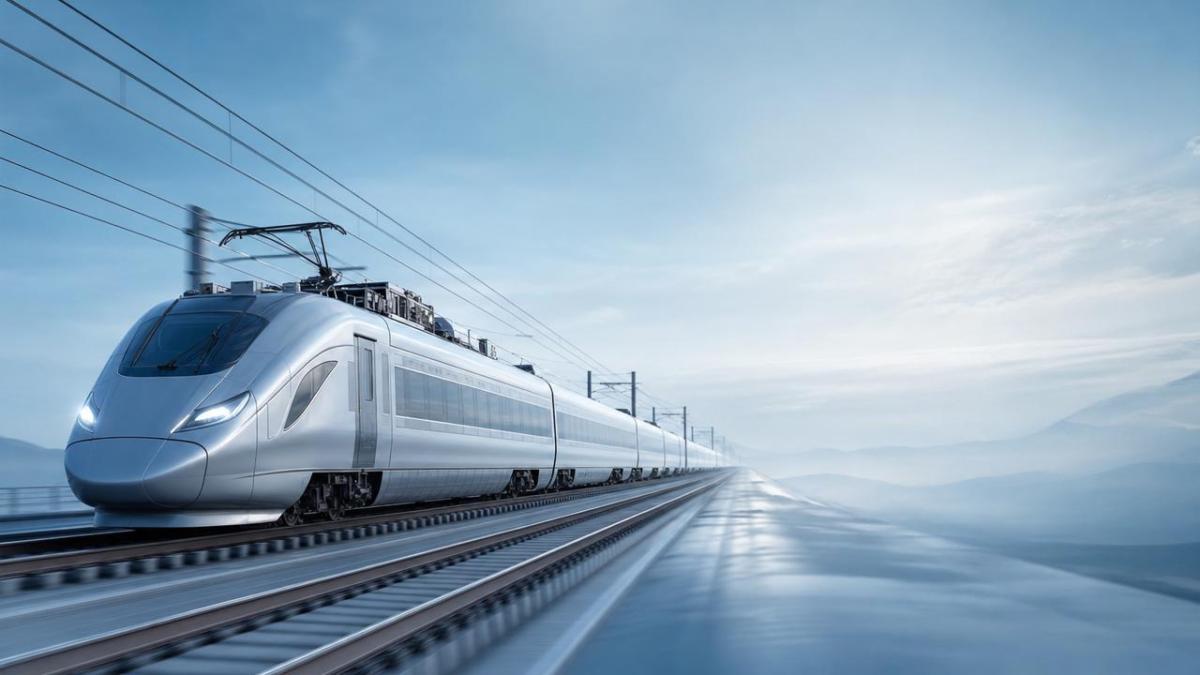
For modern rail programs, speed alone is not the real benchmark.
What matters is how reliably that speed is delivered, repeated, and maintained across the asset lifecycle.
That is why high-speed traction systems sit at the center of rail efficiency discussions.
They determine how electrical energy becomes controlled motion under changing loads, weather, gradients, and timetable pressure.
In practical terms, poor traction performance shows up as wasted energy, unstable acceleration, overheating, and avoidable downtime.
On busy corridors, those issues quickly affect headway, punctuality, maintenance windows, and network confidence.
From a project perspective, the value of high-speed traction systems goes beyond top speed specifications.
The better question is whether the system can support stable operations at scale, with predictable cost and measurable resilience.
That also explains why technical choices made early in design can shape operating results for decades.
The sections below break down the main factors that influence rail efficiency and where upgrades usually create the strongest return.
Why High-Speed Traction Systems Matter to Rail Efficiency
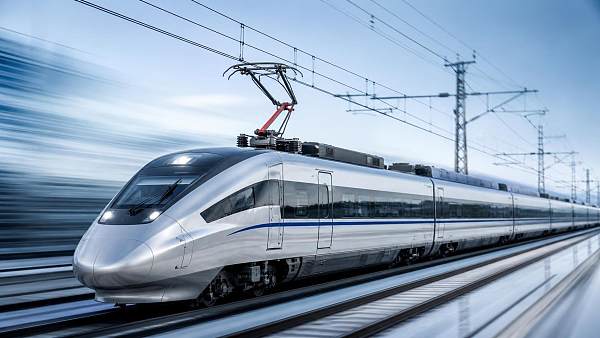
High-speed traction systems affect energy flow, acceleration quality, braking recovery, and operational consistency.
When these systems are well matched to route conditions, trains use less power while keeping tighter schedules.
That creates a direct link between traction design and network capacity.
A rail operator may add rolling stock, but poor traction response can still limit throughput.
In contrast, efficient high-speed traction systems help trains recover speed faster after restrictions or station departures.
That small difference becomes significant on long-distance, high-frequency routes.
- Lower conversion losses reduce energy cost per train-kilometer.
- Stable torque delivery improves ride quality and timetable recovery.
- Reliable regenerative braking supports better overall power efficiency.
- Predictable thermal behavior lowers failure risk during peak duty cycles.
So, when evaluating high-speed traction systems, the real target is not isolated performance. It is repeatable efficiency under real operating stress.
Power Conversion Efficiency Starts the Conversation
One of the first performance factors is how effectively traction equipment converts incoming power into usable propulsion.
Losses in converters, transformers, and inverters may look modest on paper.
Across a fleet, they become a major operating cost.
This is where semiconductor choice matters.
Advanced power electronics, including SiC-based designs in some applications, can improve switching efficiency and reduce cooling demand.
However, higher efficiency only pays off when system integration is equally strong.
Mismatch between converter architecture and route profile can reduce the expected benefit.
In actual procurement, three checks help keep the evaluation grounded.
- Measure efficiency under realistic partial-load conditions, not just peak output.
- Review harmonic performance and its effect on upstream power quality.
- Verify energy recovery rates during regenerative braking cycles.
These points often separate nominally similar high-speed traction systems when whole-life efficiency is the goal.
Thermal Management Protects Continuous Performance
Thermal stress is one of the most underestimated limits in high-speed traction systems.
A traction package may meet speed targets during testing, then lose consistency under summer peaks or repeated acceleration cycles.
That usually points back to cooling design, ventilation paths, and material durability.
Effective thermal management protects converters, traction motors, insulation systems, and control electronics.
More importantly, it supports sustained output without derating.
In project delivery, this matters because derating does not always appear as a dramatic failure.
It may appear as slower acceleration, lower reserve margin, or restricted performance in hot zones.
A practical review should include:
- Cooling performance under seasonal temperature extremes.
- Dust, salt, and vibration resistance for local environmental conditions.
- Temperature monitoring coverage at critical failure points.
- Ease of cleaning filters, ducts, and heat exchange assemblies.
From recent market shifts, the stronger signal is clear: efficient high-speed traction systems must remain stable under harsher duty profiles, not only under ideal benchmarks.
Control Precision Shapes Real-World Efficiency
Power is only useful when it is controlled with precision.
That is why control algorithms are central to modern high-speed traction systems.
Traction control must balance adhesion, torque demand, wheel-rail conditions, and train handling comfort in real time.
Even small control delays can reduce efficiency.
They can also increase wheel wear and make energy usage less predictable.
This becomes more important on mixed routes, where gradients, tunnels, and varying adhesion conditions challenge traction response.
In actual operations, stronger control precision often creates value in three ways.
For this reason, evaluating software maturity is just as important as evaluating hardware ratings in high-speed traction systems.
Mechanical Integration and Power Collection Still Matter
Traction efficiency is not created by onboard electronics alone.
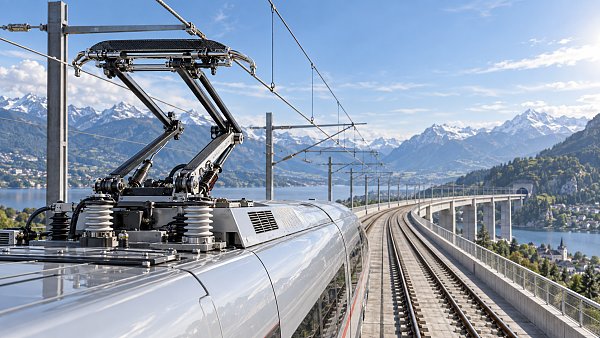
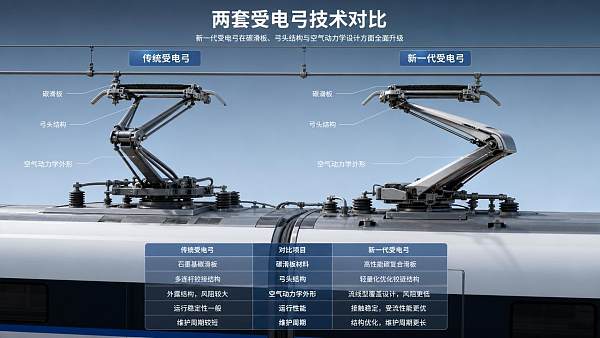
Mechanical integration, bogie behavior, and current collection quality all influence how high-speed traction systems perform.
A train cannot use power efficiently if that power arrives with instability.
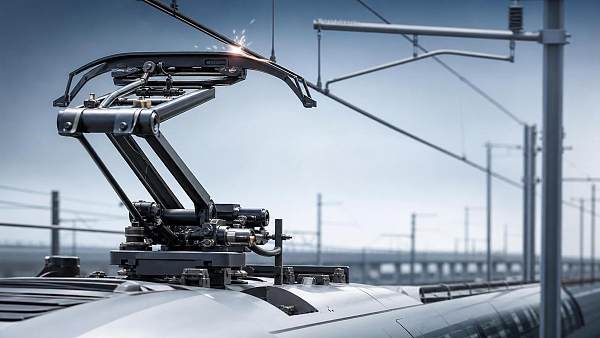
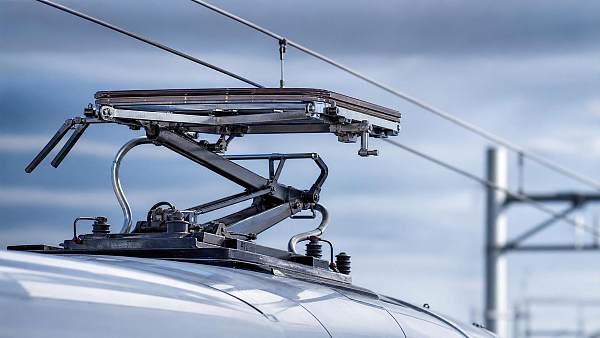
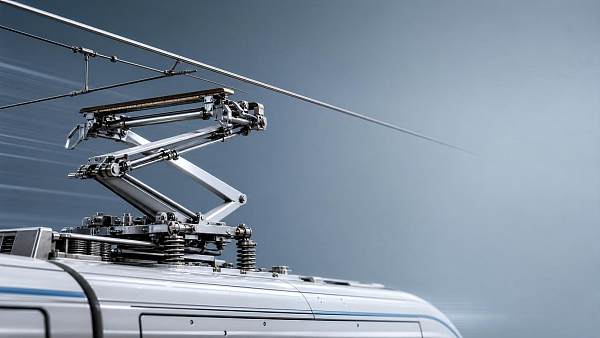
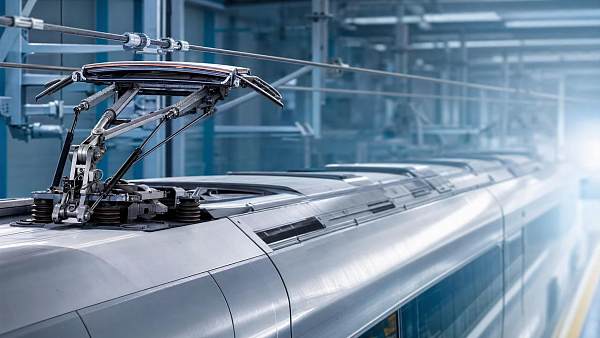
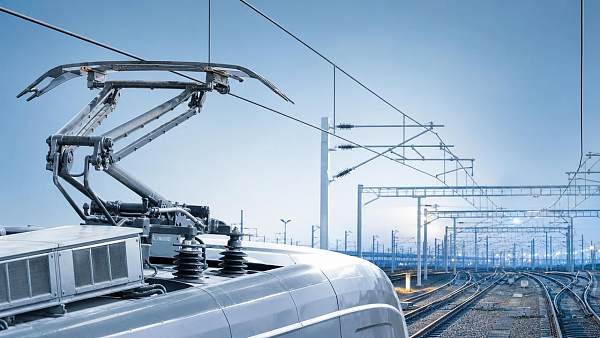
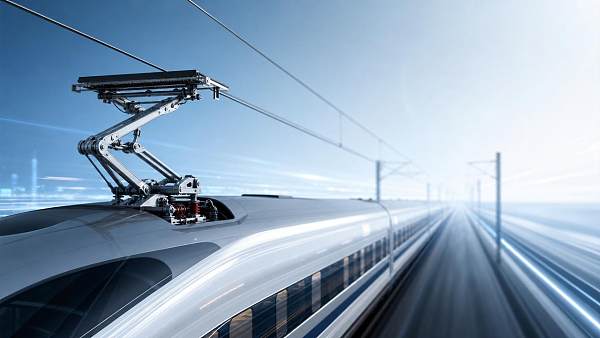
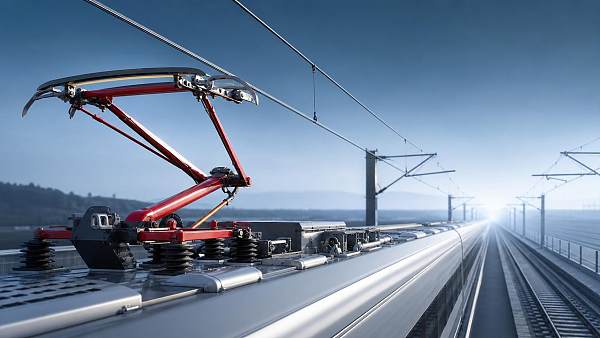
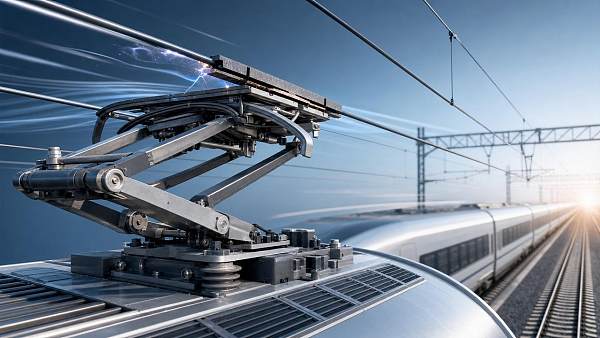
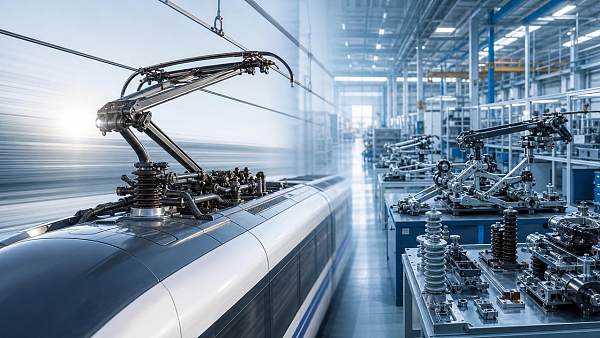
That is why pantograph performance remains closely linked to traction outcomes, especially above 350 km/h.
Contact quality affects voltage stability, arcing risk, and equipment stress.
At the same time, drivetrain alignment and vibration control affect how efficiently torque reaches the rail.
This also means traction decisions should not be isolated from system-level coordination.
The strongest projects usually review traction package, pantograph behavior, braking interface, and signalling constraints together.
Reliability, Maintainability, and Lifecycle Cost Decide Long-Term Value
A technically advanced system is not automatically an efficient one.
If maintenance is difficult or spare support is weak, lifecycle efficiency will suffer.
This is where many high-speed traction systems are judged most honestly.
The question is simple: can the system stay available without excessive intervention?
Condition monitoring now plays a major role.
Sensors and diagnostic software can identify abnormal heat, insulation drift, vibration, or converter stress before service disruption occurs.
That supports planned maintenance instead of reactive recovery.
When comparing suppliers, it helps to focus on these practical points:
- Mean time between failures under comparable duty cycles.
- Replacement time for critical traction modules.
- Local service capability and spare parts responsiveness.
- Diagnostic transparency for operators and maintenance teams.
In business terms, reliable high-speed traction systems protect both service continuity and budget credibility.
How to Prioritize Upgrades That Deliver Measurable Results
Not every rail program needs a full traction redesign.
In many cases, targeted upgrades produce faster and more defensible returns.
The key is to match investment to the real source of inefficiency.
For example, if energy loss is the biggest issue, converter modernization may lead the list.
If service instability is rising, condition monitoring and thermal redesign may bring better value.
A practical upgrade path often follows this sequence:
- Audit energy use, delay patterns, and failure records by route segment.
- Identify whether electrical, thermal, control, or mechanical factors dominate losses.
- Model the performance gain from specific high-speed traction systems upgrades.
- Compare capex against energy savings, availability gains, and maintenance reduction.
- Phase implementation to protect service continuity and budget control.
This approach keeps technical ambition tied to operational evidence.
It also makes supplier conversations more concrete, because performance claims must connect to route-specific outcomes.
Final Takeaway
High-speed traction systems influence far more than train speed.
They shape energy efficiency, operating stability, maintenance demand, and long-term asset value.
The most effective decisions usually come from looking at the full interaction between power conversion, thermal control, software precision, and maintainability.
That broader view is especially important as networks push for higher capacity, lower emissions, and tighter reliability targets.
For any organization reviewing fleet performance or future procurement, the next smart step is clear.
Assess where current high-speed traction systems lose efficiency, then prioritize upgrades that improve measurable service results, not just headline specifications.
Recommended News
 Sep 27, 2026How to assess a high speed pantograph supplier in EuropeHigh speed pantograph supplier Europe: learn how to assess technical fit, validation, compliance, and lifecycle support for reliable rail operations.
 Aug 08, 2026How to Evaluate Rail Pantograph Systems for Speed, Contact Stability, and Maintenance LifeRail pantograph systems evaluation made practical: learn how to assess speed performance, contact stability, and maintenance life for safer selection, lower wear, and more reliable rail operations.
 Jul 11, 2026Pantographs for High-Speed Rail: How to Reduce Lifecycle Maintenance CostsPantographs for high-speed rail: learn how smarter design, stable current collection, and serviceable components can cut lifecycle maintenance costs and reduce downtime.
 Jun 30, 2026How to Evaluate High-Speed Rail Pantograph Head Wear and Contact StabilityHigh-speed rail pantograph head evaluation starts with wear patterns, contact stability, and route fit. Learn how to reduce arc risk, prevent failures, and improve replacement decisions.
 Jun 27, 2026How Pantograph Components Affect Current Collection and WearPantograph components directly influence current collection, contact stability, and wear. Learn how strip material, force control, damping, and frame design improve rail reliability and cut maintenance costs.
 Jun 23, 2026How Pantographs for High-Speed Rail Affect Uptime and Maintenance CostsPantographs for high-speed rail directly impact fleet uptime and maintenance costs. Learn how stable contact, smarter inspections, and better design reduce failures and downtime.
 Jun 22, 2026High-Speed Rail Technology: Key Performance Factors Before System SelectionHigh-speed rail technology selection starts with safety, traction, braking, interoperability, and lifecycle value. Discover the key factors that help buyers choose reliable, future-ready systems.
 Jun 13, 2026Pantographs Supplier for Railway Networks: 7 Factors to ComparePantographs supplier for railway networks: compare 7 critical factors including performance, wear life, certification, delivery, service, and total cost to choose a reliable partner.
 Jun 13, 2026How Pantographs for High-Speed Rail Affect Uptime and WearPantographs for high-speed rail directly shape uptime, wear, and lifecycle cost. Learn how contact stability, materials, and aerodynamics impact reliability and maintenance.
 Jun 11, 2026High-Speed Traction Systems: Performance Factors That Affect Rail EfficiencyHigh-speed traction systems drive rail efficiency through better power conversion, thermal control, precision software, and reliability. Learn which upgrades deliver measurable results.
![]() Jun 04, 2026Pantographs for High-Speed Rail: Key Wear Signs to TrackPantographs for high-speed rail: learn the key wear signs to track, from uneven strip wear to arc marks and vibration, to improve safety, uptime, and maintenance decisions.
Jun 04, 2026Pantographs for High-Speed Rail: Key Wear Signs to TrackPantographs for high-speed rail: learn the key wear signs to track, from uneven strip wear to arc marks and vibration, to improve safety, uptime, and maintenance decisions. May 25, 2026Pantographs for High-Speed Rail: Key Performance ChecksPantographs for high-speed rail: discover the key performance checks technical evaluators should review, from contact force and aerodynamics to wear, vibration, and life-cycle reliability.
 May 21, 2026Pantographs for Electric Locomotives: What Affects Contact StabilityPantographs for electric locomotives: discover what affects contact stability, from airflow and catenary dynamics to strip wear and suspension tuning for safer, more reliable rail performance.
 May 20, 2026Pantographs Supplier for Railway Networks: Key Checks Before ShortlistingPantographs supplier for railway networks: learn the key checks for technical fit, compliance, lifecycle support, and reliability before shortlisting the right partner.
 May 07, 2026How to Compare Pantographs for High-Speed Rail UpgradesPantographs comparison for high-speed rail upgrades: learn how to evaluate contact stability, aerodynamics, wear, and lifecycle cost to choose safer, smarter systems.