



Search News
Industry Portal
Popular Tags
Pantographs Supplier for Railway Networks: 7 Factors to Compare
Author
Time
Click Count
Pantographs Supplier for Railway Networks: 7 Factors to Compare
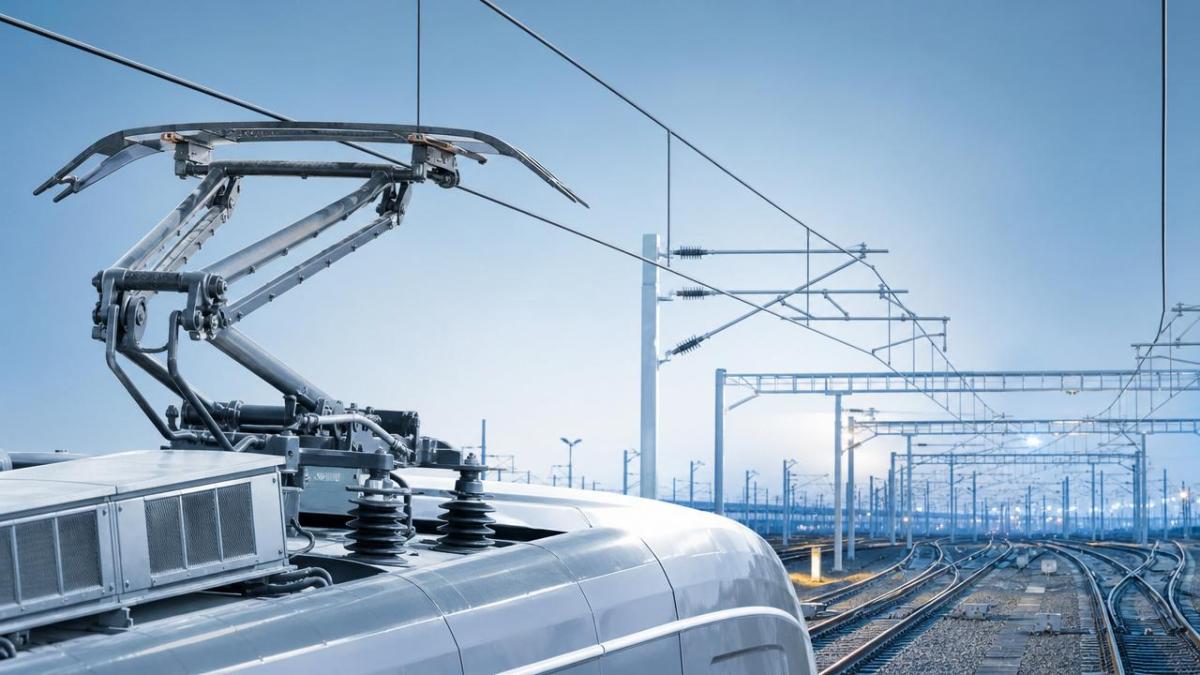
Choosing the right pantographs supplier for railway networks shapes power stability, maintenance cost, safety compliance, and fleet uptime.
That matters even more when tender deadlines are tight and technical risks are expensive.
A weak sourcing decision can trigger arcing, excessive strip wear, delayed approvals, and avoidable service interruptions.
A strong one supports reliable current collection, predictable lifecycle performance, and smoother project delivery.
If you are comparing a pantographs supplier for railway networks, focus on evidence, not promises.
The seven factors below help turn a complex technical review into a practical sourcing framework.
1. Current Collection Performance Under Real Operating Conditions
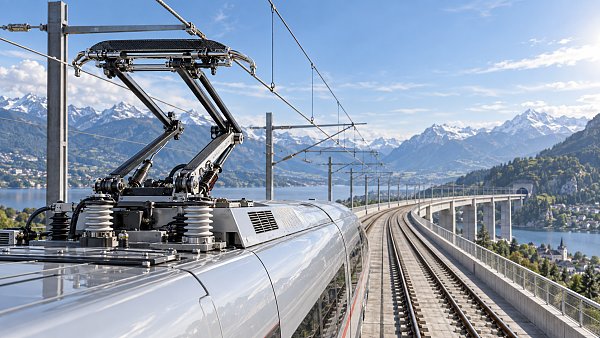
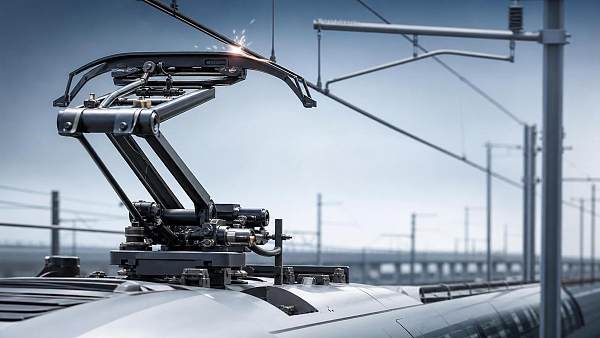
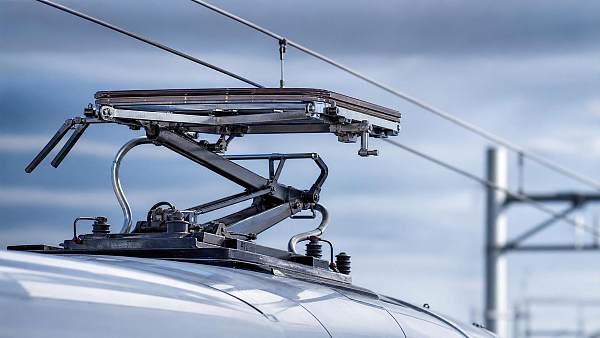
Start with the core job: stable contact between pantograph and overhead line.
A qualified pantographs supplier for railway networks should provide test data from realistic speeds, wind loads, and vibration environments.
Look beyond headline speed ratings.
Ask how contact force remains stable across curves, tunnels, crosswinds, and temperature variation.
In actual railway networks, performance margins matter more than brochure claims.
- Mean contact force and force variation
- Arc rate at target operating speeds
- Performance under ice, dust, and humidity exposure
- Compatibility with existing catenary geometry
From a decision angle, this is the first filter.
If current collection is unstable, every other advantage becomes less valuable.
2. Materials Engineering and Wear Life
The next comparison point is materials quality.
A capable pantographs supplier for railway networks should explain how frame materials, collector head design, and carbon strip formulation affect lifecycle value.
This is where engineering depth becomes visible.
Lightweight structures can reduce dynamic impact, but only if fatigue strength remains high.
Carbon strips also need the right balance between conductivity, wear resistance, and catenary friendliness.
A low initial price often hides faster replacement cycles.
That drives up spare parts demand, labor hours, and train downtime.
Ask suppliers for wear data, fatigue validation, and maintenance intervals from reference fleets.
3. Standards, Certification, and Approval Readiness
Certification strength is often the difference between a smooth tender and a delayed project.
Any pantographs supplier for railway networks should clearly document compliance with relevant EN, IEC, ISO, and local railway standards.
More importantly, check how complete the approval package really is.
A good supplier supports technical files, test reports, traceability records, and validation history.
This reduces the burden during design review and system integration.
Recent market shifts make this even more important.
Cross-border rail projects increasingly demand documented quality consistency, not just a compliant sample unit.
4. Fit With Fleet Design and Network Requirements
Not every strong supplier is the right fit for every fleet.
The best pantographs supplier for railway networks should match your voltage system, roof layout, vehicle envelope, and operational profile.
This includes integration with high-speed EMUs, metro cars, regional fleets, and freight locomotives.
In practice, interface details decide project complexity.
Check mounting dimensions, pneumatic or electric actuation, control logic, and onboard diagnostics support.
Also ask whether the supplier can adapt designs without creating certification delays.
A flexible supplier helps avoid redesign work across the vehicle platform.
5. Manufacturing Capacity and Delivery Reliability
Technical capability is only half the picture.
A dependable pantographs supplier for railway networks must also deliver at the pace your project requires.
This becomes critical during fleet expansion, phased line openings, or spare parts replenishment.
Ask direct questions about lead time, capacity allocation, dual sourcing of key materials, and bottleneck control.
A supplier with weak planning can pass schedule risk to the entire railway network.
More obvious signals include unstable shipment history, inconsistent batch quality, or vague answers on inventory strategy.
Reliable sourcing is not only about price negotiation.
It is about securing operational continuity.
6. After-Sales Support, Spares, and Service Response
Good service support protects the value of the original purchase.
When comparing a pantographs supplier for railway networks, review spare parts planning, field support, training, and failure response procedures.
This is where many offers start to look very different.
Some suppliers sell hardware well but respond slowly after commissioning.
Others build long-term service systems that reduce mean time to repair and improve fleet availability.
- Recommended spare parts list by fleet size
- Response time for urgent technical issues
- Training for depot and maintenance teams
- Root cause analysis process for repeated faults
In real operations, service quality often determines whether a procurement win stays a win.
7. Total Cost of Ownership and Supplier Credibility
The final factor is broader than unit price.
The right pantographs supplier for railway networks should prove long-term value across maintenance, replacements, downtime risk, and technical support.
This is where total cost of ownership becomes the real decision tool.
A lower bid may still cost more over ten or fifteen years.
That is especially true when failure rates, wear cycles, or support limitations are underestimated.
Supplier credibility also matters.
Review installed base, reference projects, engineering team depth, and transparency during technical clarification.
For complex railway networks, dependable expertise reduces hidden procurement risk.
A Practical Comparison Checklist
To make supplier review easier, score each candidate against the same decision matrix.
- Validate current collection data under your real operating profile.
- Compare wear life, strip replacement frequency, and frame durability.
- Review certification files and approval experience in similar railway networks.
- Confirm interface fit with vehicle design and catenary system.
- Check production capacity, lead time, and supply resilience.
- Measure service response strength and spare parts readiness.
- Calculate total cost of ownership, not just purchase price.
This approach keeps vendor discussions grounded in measurable value.
Final Takeaway
Choosing a pantographs supplier for railway networks is not simply a component purchase.
It is a long-term operational decision tied to safety, reliability, maintenance efficiency, and tender success.
The strongest sourcing decisions balance technical proof, lifecycle economics, certification readiness, and service commitment.
If you compare suppliers through these seven factors, your selection process becomes clearer, faster, and far more defensible.
In a market where railway networks demand more uptime and less risk, that is the advantage worth building into every procurement decision.
Recommended News
 Sep 27, 2026How to assess a high speed pantograph supplier in EuropeHigh speed pantograph supplier Europe: learn how to assess technical fit, validation, compliance, and lifecycle support for reliable rail operations.
 Aug 08, 2026How to Evaluate Rail Pantograph Systems for Speed, Contact Stability, and Maintenance LifeRail pantograph systems evaluation made practical: learn how to assess speed performance, contact stability, and maintenance life for safer selection, lower wear, and more reliable rail operations.
 Jul 11, 2026Pantographs for High-Speed Rail: How to Reduce Lifecycle Maintenance CostsPantographs for high-speed rail: learn how smarter design, stable current collection, and serviceable components can cut lifecycle maintenance costs and reduce downtime.
 Jun 30, 2026How to Evaluate High-Speed Rail Pantograph Head Wear and Contact StabilityHigh-speed rail pantograph head evaluation starts with wear patterns, contact stability, and route fit. Learn how to reduce arc risk, prevent failures, and improve replacement decisions.
 Jun 27, 2026How Pantograph Components Affect Current Collection and WearPantograph components directly influence current collection, contact stability, and wear. Learn how strip material, force control, damping, and frame design improve rail reliability and cut maintenance costs.
 Jun 23, 2026How Pantographs for High-Speed Rail Affect Uptime and Maintenance CostsPantographs for high-speed rail directly impact fleet uptime and maintenance costs. Learn how stable contact, smarter inspections, and better design reduce failures and downtime.
 Jun 22, 2026High-Speed Rail Technology: Key Performance Factors Before System SelectionHigh-speed rail technology selection starts with safety, traction, braking, interoperability, and lifecycle value. Discover the key factors that help buyers choose reliable, future-ready systems.
 Jun 13, 2026Pantographs Supplier for Railway Networks: 7 Factors to ComparePantographs supplier for railway networks: compare 7 critical factors including performance, wear life, certification, delivery, service, and total cost to choose a reliable partner.
 Jun 13, 2026How Pantographs for High-Speed Rail Affect Uptime and WearPantographs for high-speed rail directly shape uptime, wear, and lifecycle cost. Learn how contact stability, materials, and aerodynamics impact reliability and maintenance.
 Jun 11, 2026High-Speed Traction Systems: Performance Factors That Affect Rail EfficiencyHigh-speed traction systems drive rail efficiency through better power conversion, thermal control, precision software, and reliability. Learn which upgrades deliver measurable results.
![]() Jun 04, 2026Pantographs for High-Speed Rail: Key Wear Signs to TrackPantographs for high-speed rail: learn the key wear signs to track, from uneven strip wear to arc marks and vibration, to improve safety, uptime, and maintenance decisions.
Jun 04, 2026Pantographs for High-Speed Rail: Key Wear Signs to TrackPantographs for high-speed rail: learn the key wear signs to track, from uneven strip wear to arc marks and vibration, to improve safety, uptime, and maintenance decisions. May 25, 2026Pantographs for High-Speed Rail: Key Performance ChecksPantographs for high-speed rail: discover the key performance checks technical evaluators should review, from contact force and aerodynamics to wear, vibration, and life-cycle reliability.
 May 21, 2026Pantographs for Electric Locomotives: What Affects Contact StabilityPantographs for electric locomotives: discover what affects contact stability, from airflow and catenary dynamics to strip wear and suspension tuning for safer, more reliable rail performance.
 May 20, 2026Pantographs Supplier for Railway Networks: Key Checks Before ShortlistingPantographs supplier for railway networks: learn the key checks for technical fit, compliance, lifecycle support, and reliability before shortlisting the right partner.
 May 07, 2026How to Compare Pantographs for High-Speed Rail UpgradesPantographs comparison for high-speed rail upgrades: learn how to evaluate contact stability, aerodynamics, wear, and lifecycle cost to choose safer, smarter systems.