



Search News
Industry Portal
Popular Tags
Pantographs for High-Speed Rail: Key Performance Checks
Author
Time
Click Count
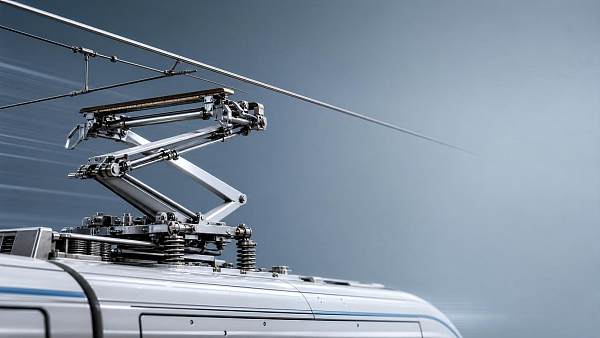
For technical evaluators, pantographs for high-speed rail are more than current collectors—they are critical interfaces that determine power stability, contact quality, and operational safety at extreme speeds. This article outlines the key performance checks that matter most, from aerodynamic behavior and contact force consistency to wear control, vibration response, and system reliability under real-world service conditions.
What should technical evaluators check first in pantographs for high-speed rail?
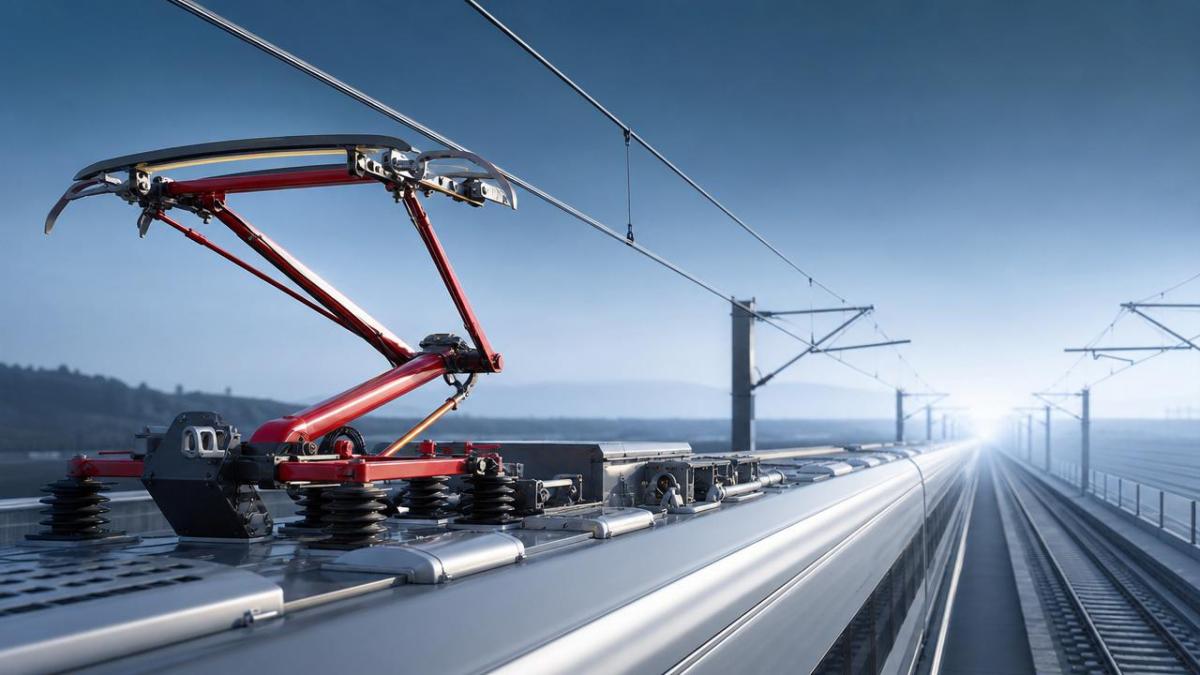
When reviewing pantographs for high-speed rail, the first mistake is treating nameplate data as sufficient proof of service suitability. A pantograph may look compliant on paper, yet still underperform when exposed to crosswinds, tunnel pressure waves, infrastructure variation, and long maintenance intervals.
For technical evaluators, the most useful starting point is a performance logic chain: stable uplift, controlled contact force, low aerodynamic disturbance, acceptable wear, fast fault detectability, and compatibility with the train-set and overhead contact line as one electromechanical system.
In GTOT’s rail intelligence perspective, pantographs cannot be assessed in isolation. They sit between traction power demands, signaling stability, braking coordination, and fleet availability targets. That is why a robust evaluation should combine component data, operating context, and maintenance economics.
- Check whether the rated operating speed matches the real commercial speed range, including degraded conditions rather than only ideal test conditions.
- Confirm contact force stability across speed bands, not just average values, because oscillation often causes the true current collection risk.
- Review aerodynamic and vibration behavior under crosswind, tunnel entry, and pantograph recess or roof equipment interaction.
- Examine strip material wear, arc resistance, and replacement intervals in relation to infrastructure quality and service intensity.
- Assess maintainability, sensor integration, spare parts accessibility, and failure diagnostics before final shortlist decisions.
Why a system-level view matters
A technically acceptable collector head may still generate poor results if the suspension behavior conflicts with roof dynamics or if the control strategy does not fit the catenary quality on the target route. Evaluators should therefore compare line condition, train aerodynamics, and maintenance resources together.
Key performance checks that directly affect power collection quality
The most practical way to assess pantographs for high-speed rail is to break performance into measurable checks. The table below helps technical evaluators connect each parameter with its operational consequence and procurement relevance.
For procurement and technical approval, the most valuable insight is not any single value but the balance among these values. A pantograph optimized only for low force may increase arcing, while one optimized only for robust contact may overload the overhead line and shorten asset life.
Contact force consistency is more important than headline speed
Many tenders emphasize maximum operating speed. In practice, evaluators should pay equal attention to force dispersion, response to catenary height variation, and behavior in the speed range where the fleet spends most of its operating hours. That is where hidden maintenance cost emerges.
Aerodynamics cannot be separated from roof integration
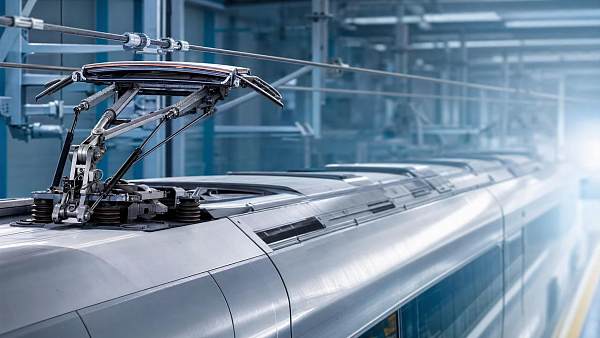
Pantographs for high-speed rail interact with fairings, HVAC equipment, and train nose-to-roof flow development. Even a well-designed unit can produce unstable contact if surrounding roof equipment creates local turbulence. Technical reviews should request train-level integration evidence where available.
How to compare pantograph options for different service scenarios
Selection becomes clearer when evaluators compare pantograph options by route profile, fleet duty cycle, and maintenance strategy rather than by generic product brochures. The following comparison supports scenario-based decision making.
This comparison shows why there is no universal best option. The right pantograph for a new 350 km/h line may not be the best fit for a mixed-traffic network with uneven overhead line quality and limited depot labor capacity.
Questions evaluators should ask suppliers
- What operating envelope has been validated: speed, wind, temperature, tunnel frequency, and catenary variation?
- Which wear assumptions support the maintenance interval, and how sensitive are they to infrastructure condition?
- How is dynamic contact quality monitored or inferred during service?
- What are the critical spare parts, and what lead times are typical for replacement items?
- How easily can the pantograph integrate with the fleet’s existing control, diagnostic, and maintenance workflow?
Which standards, tests, and compliance checks deserve attention?
Technical evaluators often face a difficult gap between formal compliance and real operational confidence. Standards remain essential, but they should be read as baseline evidence, not the end of assessment. For pantographs for high-speed rail, review both design conformity and practical validation scope.
- Confirm alignment with relevant railway current collection and rolling stock interface standards commonly used in the target market.
- Check whether dynamic behavior has been validated through simulation, bench testing, and on-track testing rather than by static inspection only.
- Review insulation, electrical safety, and fault response logic under realistic transient conditions.
- Verify that maintenance instructions define measurable rejection criteria for strips, springs, dampers, and articulation points.
- For international projects, ensure documentation quality is strong enough for operator approval, EPC review, and tender clarification rounds.
GTOT’s value in this stage is intelligence stitching across component, route, and tender logic. In restricted procurement environments, technical credibility depends on connecting the pantograph’s test language with the operator’s actual risk concerns: power continuity, infrastructure wear, safety margin, and whole-life cost.
Do not confuse laboratory success with fleet-readiness
A strong test profile is useful, but evaluators should still ask how repeatable the result is under degraded wire geometry, contamination, seasonal wind patterns, and varying train formations. Fleet-readiness means performance remains manageable when conditions are no longer ideal.
Common procurement risks and how to avoid costly misjudgment
In high-speed rail projects, poor pantograph decisions rarely fail on day one. More often, they create creeping losses through abnormal strip wear, unexpected wire maintenance, unstable current collection events, and spare parts pressure. Technical evaluators can reduce these risks by focusing on the gaps below.
Frequent misjudgments
- Selecting mainly by maximum speed rating without validating dynamic contact quality across the full operating profile.
- Ignoring the condition of the existing overhead contact line and assuming the new pantograph can compensate for infrastructure weakness.
- Underestimating maintenance burden, especially where depot windows are short and skilled labor is limited.
- Comparing purchase price only, without accounting for strip consumption, wire wear contribution, and parts lead times.
- Treating diagnostics as optional, even though fault traceability is increasingly important in modern fleet availability management.
A practical review workflow
- Define route conditions: speed bands, tunnel density, climate, catenary quality, and utilization profile.
- Shortlist technically compatible pantographs for high-speed rail based on interface and operating envelope.
- Compare dynamic performance evidence, wear assumptions, and maintenance logic.
- Evaluate life-cycle implications, not just procurement cost, including downtime exposure and spare strategy.
- Prepare clarification questions early for supplier meetings, tender negotiations, or engineering approval rounds.
FAQ: what do buyers and evaluators ask most about pantographs for high-speed rail?
How do I know whether contact force is acceptable?
Do not look only at nominal force. Ask for force behavior across speed ranges, fluctuation amplitude, and response to route irregularities. Acceptability depends on the relationship between stable contact, limited arcing, and controlled wear on both the strip and the contact wire.
Which service scenarios require stricter pantograph review?
Dedicated high-speed corridors, routes with frequent tunnel passages, crosswind exposure, and mixed corridors with variable catenary quality all demand deeper review. In these cases, dynamic behavior and aerodynamic sensitivity deserve more attention than brochure-level current ratings.
Is lower purchase price usually a good sign of better value?
Not necessarily. A lower initial price may be offset by faster strip replacement, greater wire wear, more frequent inspection, or longer downtime for maintenance. Value should be judged by the total operating burden over the planned fleet life, not by the unit cost alone.
What documentation should technical evaluators request before approval?
Request interface drawings, operating envelope data, dynamic test evidence, wear assumptions, maintenance criteria, spare parts lists, and compliance references relevant to the target network. If the project is international, documentation clarity for tender review and operator acceptance is especially important.
Why work with GTOT when evaluating high-speed rail current collection systems?
GTOT supports technical evaluators who need more than fragmented product information. Our strength lies in connecting pantograph performance with the broader macro-transport logic of traction power, railway control, fleet safety, and asset efficiency. That perspective is especially useful in complex tenders and cross-border supply decisions.
Because GTOT also tracks adjacent pillars such as railway signal control systems, braking systems, smart vessels, and LNG carriers, our intelligence method is built around high-consequence equipment evaluation. We focus on operational realism, interface discipline, and commercially relevant technical clarity.
- We help clarify which pantographs for high-speed rail fit your route conditions, fleet targets, and tender language.
- We can support parameter confirmation, selection comparison, and risk-focused technical review points.
- We can help frame questions around delivery timeline, spare strategy, maintenance expectations, and documentation readiness.
- We can guide discussions on certification expectations, sample evaluation logic, and quotation communication priorities.
If you are screening suppliers, preparing a restricted tender response, or validating a replacement strategy, contact GTOT with your operating speed range, route profile, catenary conditions, maintenance window, and approval requirements. That information allows a more targeted discussion on parameter review, option selection, delivery considerations, and technical risk control.
Recommended News
 Sep 27, 2026How to assess a high speed pantograph supplier in EuropeHigh speed pantograph supplier Europe: learn how to assess technical fit, validation, compliance, and lifecycle support for reliable rail operations.
 Aug 08, 2026How to Evaluate Rail Pantograph Systems for Speed, Contact Stability, and Maintenance LifeRail pantograph systems evaluation made practical: learn how to assess speed performance, contact stability, and maintenance life for safer selection, lower wear, and more reliable rail operations.
 Jul 11, 2026Pantographs for High-Speed Rail: How to Reduce Lifecycle Maintenance CostsPantographs for high-speed rail: learn how smarter design, stable current collection, and serviceable components can cut lifecycle maintenance costs and reduce downtime.
 Jun 30, 2026How to Evaluate High-Speed Rail Pantograph Head Wear and Contact StabilityHigh-speed rail pantograph head evaluation starts with wear patterns, contact stability, and route fit. Learn how to reduce arc risk, prevent failures, and improve replacement decisions.
 Jun 27, 2026How Pantograph Components Affect Current Collection and WearPantograph components directly influence current collection, contact stability, and wear. Learn how strip material, force control, damping, and frame design improve rail reliability and cut maintenance costs.
 Jun 23, 2026How Pantographs for High-Speed Rail Affect Uptime and Maintenance CostsPantographs for high-speed rail directly impact fleet uptime and maintenance costs. Learn how stable contact, smarter inspections, and better design reduce failures and downtime.
 Jun 22, 2026High-Speed Rail Technology: Key Performance Factors Before System SelectionHigh-speed rail technology selection starts with safety, traction, braking, interoperability, and lifecycle value. Discover the key factors that help buyers choose reliable, future-ready systems.
 Jun 13, 2026Pantographs Supplier for Railway Networks: 7 Factors to ComparePantographs supplier for railway networks: compare 7 critical factors including performance, wear life, certification, delivery, service, and total cost to choose a reliable partner.
 Jun 13, 2026How Pantographs for High-Speed Rail Affect Uptime and WearPantographs for high-speed rail directly shape uptime, wear, and lifecycle cost. Learn how contact stability, materials, and aerodynamics impact reliability and maintenance.
 Jun 11, 2026High-Speed Traction Systems: Performance Factors That Affect Rail EfficiencyHigh-speed traction systems drive rail efficiency through better power conversion, thermal control, precision software, and reliability. Learn which upgrades deliver measurable results.
![]() Jun 04, 2026Pantographs for High-Speed Rail: Key Wear Signs to TrackPantographs for high-speed rail: learn the key wear signs to track, from uneven strip wear to arc marks and vibration, to improve safety, uptime, and maintenance decisions.
Jun 04, 2026Pantographs for High-Speed Rail: Key Wear Signs to TrackPantographs for high-speed rail: learn the key wear signs to track, from uneven strip wear to arc marks and vibration, to improve safety, uptime, and maintenance decisions. May 25, 2026Pantographs for High-Speed Rail: Key Performance ChecksPantographs for high-speed rail: discover the key performance checks technical evaluators should review, from contact force and aerodynamics to wear, vibration, and life-cycle reliability.
 May 21, 2026Pantographs for Electric Locomotives: What Affects Contact StabilityPantographs for electric locomotives: discover what affects contact stability, from airflow and catenary dynamics to strip wear and suspension tuning for safer, more reliable rail performance.
 May 20, 2026Pantographs Supplier for Railway Networks: Key Checks Before ShortlistingPantographs supplier for railway networks: learn the key checks for technical fit, compliance, lifecycle support, and reliability before shortlisting the right partner.
 May 07, 2026How to Compare Pantographs for High-Speed Rail UpgradesPantographs comparison for high-speed rail upgrades: learn how to evaluate contact stability, aerodynamics, wear, and lifecycle cost to choose safer, smarter systems.