



Search News
Industry Portal
Popular Tags
Pantographs for High-Speed Rail: How to Reduce Lifecycle Maintenance Costs
Author
Time
Click Count
Why do pantographs for high-speed rail deserve a lifecycle cost discussion?
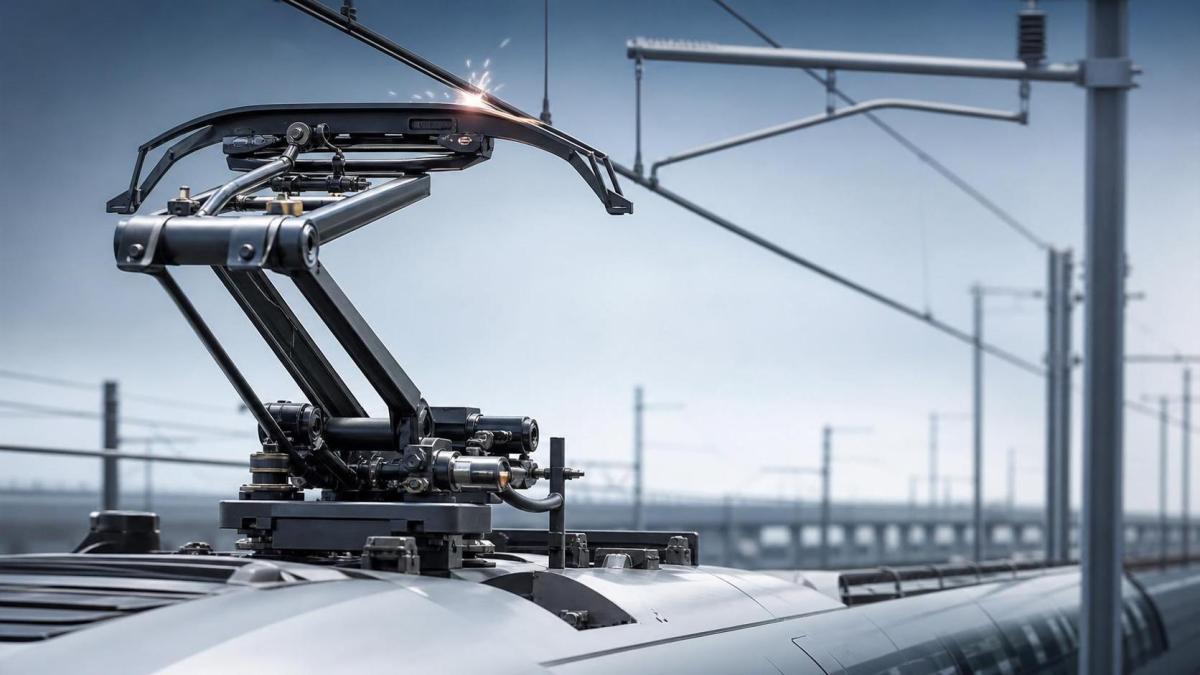
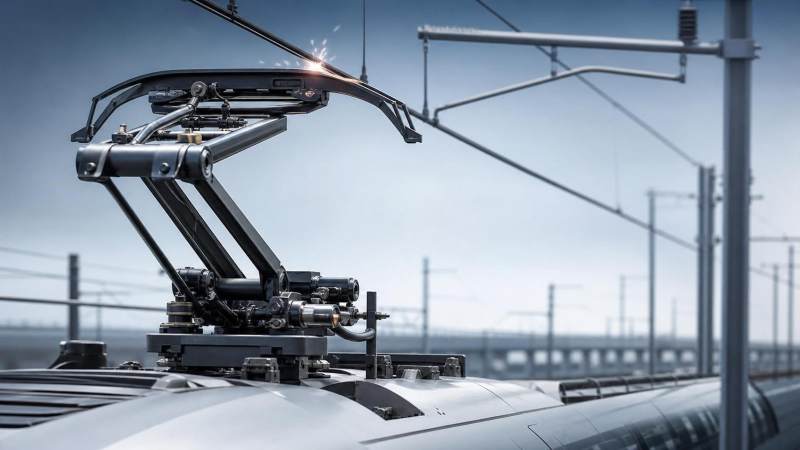
When teams compare pantographs for high-speed rail, purchase price is only the visible layer. The harder cost sits in wear, downtime, inspections, and parts replacement over many service years.
That matters even more on fleets running above 300 km/h. At that speed, small instability in contact force can turn into accelerated strip wear, overhead line damage, and avoidable service interruptions.
In practical terms, a cheaper unit can become expensive if it needs frequent carbon strip changes, special tooling, or long depot windows. Total cost of ownership is the real comparison point.
This is why industry intelligence platforms such as GTOT keep linking component performance with wider transport economics. A pantograph is not an isolated accessory. It sits inside a system shaped by energy efficiency, network reliability, and cross-border asset utilization.
A good sourcing decision usually answers one question clearly: will this design keep stable current collection while reducing maintenance events across the operating cycle?
Which design choices usually reduce maintenance costs the most?
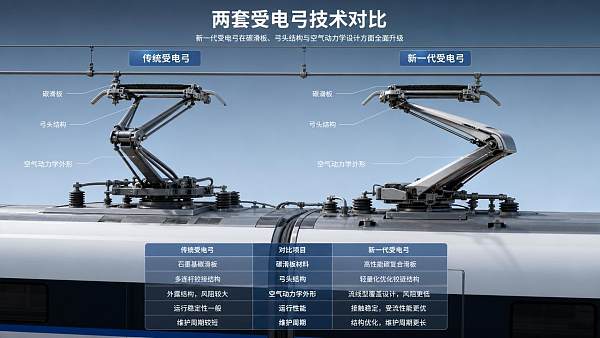
The biggest savings often come from design details that look ordinary on a datasheet. Material selection, head geometry, and damping behavior usually matter more than cosmetic feature lists.
For pantographs for high-speed rail, the following items deserve close attention:
- Contact strip material compatibility with the catenary system.
- Aerodynamic stability under crosswind and tunnel pressure changes.
- Lightweight frame construction without sacrificing stiffness.
- Reliable actuation and low-failure pneumatic or electromechanical control.
- Modular replacement of head, strips, springs, and sensors.
Contact strip wear is often the fastest-moving expense. If strip hardness, conductivity, or profile do not match line conditions, replacement intervals shrink quickly.
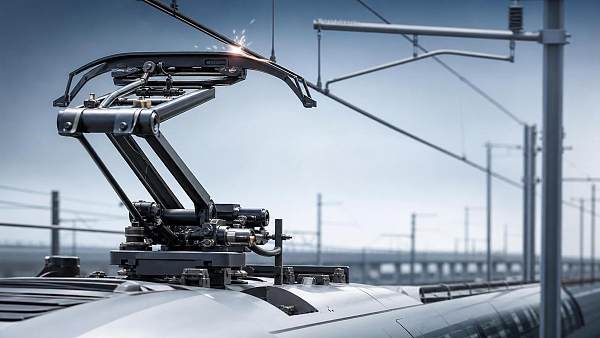
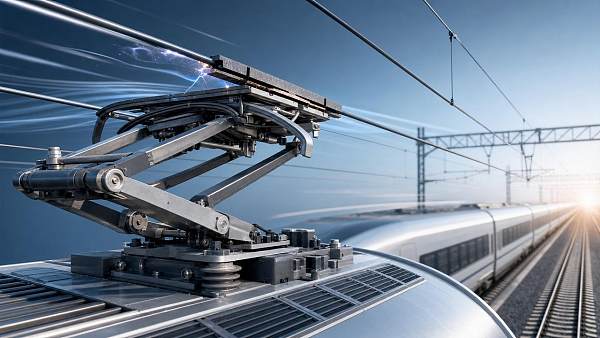
Aerodynamics are equally important. A stable collector head reduces arcing and uneven uplift. That lowers both maintenance labor and the risk of secondary damage to overhead infrastructure.
More advanced units also simplify service access. When inspection points are easy to reach and consumables are standardized, workshop time drops in a measurable way.
A quick judgment table for specification reviews
A useful way to compare options is to link each technical feature to a cost outcome, not just a performance claim.
How can you tell whether a lower bid will cost more later?
This is one of the most common buying questions. A low initial quote becomes risky when it hides shorter service intervals or limited support depth.
A practical review should look beyond headline speed rating. Many suppliers can state compatibility with high-speed service. Fewer can document long-term wear behavior under real operating cycles.
Ask for evidence in four areas:
- Validated strip life under similar line voltage and current demand.
- Mean time between failures for actuation and head components.
- Time required for standard maintenance tasks.
- Availability and lead time of critical spare parts.
More revealing still is the supplier’s service model. If technical support, root-cause analysis, and parts forecasting are weak, the maintenance burden often shifts back to the operator.
For pantographs for high-speed rail, poor documentation is another warning sign. Without clear manuals, inspection tolerances, and wear criteria, maintenance becomes inconsistent across depots.
In GTOT-style market tracking, that difference matters. Mature suppliers usually combine product data with field history, retrofit logic, and supply chain transparency. That lowers commercial uncertainty as much as technical uncertainty.
What operating conditions should shape the specification from the start?
A strong specification begins with line reality, not with a generic component catalog. The same pantograph can perform differently across climate zones, tunnel density, and network voltage regimes.
In actual use, the most important inputs are usually these:
- Maximum operating speed and acceleration profile.
- Catenary design, stiffness, and registration quality.
- Crosswind exposure, ice, dust, and humidity.
- Trainset roof geometry and aerodynamic interaction.
- Maintenance philosophy, depot interval, and workforce skill level.
Tunnel-rich routes often require extra attention to pressure pulses and uplift behavior. Coastal routes may demand stronger corrosion control. Cold regions may shift the priority toward de-icing resilience and actuator reliability.
This is where broader transport intelligence becomes useful. GTOT’s land-and-sea perspective is relevant because both rail and marine assets face the same capital question: which design survives harsh environments with predictable maintenance effort?
When that operating context is written clearly into the tender, bid comparison becomes more disciplined and lifecycle cost estimates become more credible.
Where do buyers often misjudge maintenance risk?
The most common mistake is treating maintenance as a downstream workshop issue. In reality, most maintenance cost is locked in during specification and contract design.
Another frequent error is focusing only on component durability while ignoring system matching. Even robust pantographs for high-speed rail can wear quickly if the contact strip and overhead line are poorly paired.
There is also a tendency to underestimate spare-parts strategy. One specialized item with a long replenishment cycle can extend train downtime far beyond the actual repair time.
The following checklist helps catch the usual blind spots:
- Confirm whether wear limits are measurable with standard tools.
- Check whether strips, springs, and sensors are fleet-standardized.
- Review whether software or monitoring interfaces are open enough for local diagnostics.
- Ask how failures are analyzed after arcing, uplift instability, or entanglement events.
- Verify training scope for routine inspection and emergency replacement.
A useful contract question is simple: which maintenance assumptions were used to justify the offered lifecycle cost? If that answer is vague, the cost model probably is too.
What should the final decision package include before award?
Before selecting pantographs for high-speed rail, the final file should combine technical fit, service evidence, and commercial resilience. Looking at only one dimension usually creates expensive surprises later.
A balanced decision package often includes a scored comparison of lifecycle inputs:
The best outcomes usually come from aligning technical parameters with service strategy early. That means checking line conditions, wear expectations, depot capability, and supplier support in one evaluation flow.
In the end, reducing lifecycle maintenance costs is less about chasing the lowest quote and more about specifying the right reliability profile. For complex fleets, the next step is to build a comparison matrix around strip life, stability, serviceability, and parts assurance, then test every offer against those same criteria.
That approach gives pantographs for high-speed rail a fair commercial assessment and turns maintenance cost control into a purchasing decision, not a repair problem discovered later.
Recommended News
 Sep 27, 2026How to assess a high speed pantograph supplier in EuropeHigh speed pantograph supplier Europe: learn how to assess technical fit, validation, compliance, and lifecycle support for reliable rail operations.
 Aug 08, 2026How to Evaluate Rail Pantograph Systems for Speed, Contact Stability, and Maintenance LifeRail pantograph systems evaluation made practical: learn how to assess speed performance, contact stability, and maintenance life for safer selection, lower wear, and more reliable rail operations.
 Jul 11, 2026Pantographs for High-Speed Rail: How to Reduce Lifecycle Maintenance CostsPantographs for high-speed rail: learn how smarter design, stable current collection, and serviceable components can cut lifecycle maintenance costs and reduce downtime.
 Jun 30, 2026How to Evaluate High-Speed Rail Pantograph Head Wear and Contact StabilityHigh-speed rail pantograph head evaluation starts with wear patterns, contact stability, and route fit. Learn how to reduce arc risk, prevent failures, and improve replacement decisions.
 Jun 27, 2026How Pantograph Components Affect Current Collection and WearPantograph components directly influence current collection, contact stability, and wear. Learn how strip material, force control, damping, and frame design improve rail reliability and cut maintenance costs.
 Jun 23, 2026How Pantographs for High-Speed Rail Affect Uptime and Maintenance CostsPantographs for high-speed rail directly impact fleet uptime and maintenance costs. Learn how stable contact, smarter inspections, and better design reduce failures and downtime.
 Jun 22, 2026High-Speed Rail Technology: Key Performance Factors Before System SelectionHigh-speed rail technology selection starts with safety, traction, braking, interoperability, and lifecycle value. Discover the key factors that help buyers choose reliable, future-ready systems.
 Jun 13, 2026Pantographs Supplier for Railway Networks: 7 Factors to ComparePantographs supplier for railway networks: compare 7 critical factors including performance, wear life, certification, delivery, service, and total cost to choose a reliable partner.
 Jun 13, 2026How Pantographs for High-Speed Rail Affect Uptime and WearPantographs for high-speed rail directly shape uptime, wear, and lifecycle cost. Learn how contact stability, materials, and aerodynamics impact reliability and maintenance.
 Jun 11, 2026High-Speed Traction Systems: Performance Factors That Affect Rail EfficiencyHigh-speed traction systems drive rail efficiency through better power conversion, thermal control, precision software, and reliability. Learn which upgrades deliver measurable results.
![]() Jun 04, 2026Pantographs for High-Speed Rail: Key Wear Signs to TrackPantographs for high-speed rail: learn the key wear signs to track, from uneven strip wear to arc marks and vibration, to improve safety, uptime, and maintenance decisions.
Jun 04, 2026Pantographs for High-Speed Rail: Key Wear Signs to TrackPantographs for high-speed rail: learn the key wear signs to track, from uneven strip wear to arc marks and vibration, to improve safety, uptime, and maintenance decisions. May 25, 2026Pantographs for High-Speed Rail: Key Performance ChecksPantographs for high-speed rail: discover the key performance checks technical evaluators should review, from contact force and aerodynamics to wear, vibration, and life-cycle reliability.
 May 21, 2026Pantographs for Electric Locomotives: What Affects Contact StabilityPantographs for electric locomotives: discover what affects contact stability, from airflow and catenary dynamics to strip wear and suspension tuning for safer, more reliable rail performance.
 May 20, 2026Pantographs Supplier for Railway Networks: Key Checks Before ShortlistingPantographs supplier for railway networks: learn the key checks for technical fit, compliance, lifecycle support, and reliability before shortlisting the right partner.
 May 07, 2026How to Compare Pantographs for High-Speed Rail UpgradesPantographs comparison for high-speed rail upgrades: learn how to evaluate contact stability, aerodynamics, wear, and lifecycle cost to choose safer, smarter systems.