



Search News
Industry Portal
Popular Tags
How to assess a high speed pantograph supplier in Europe
Author
Time
Click Count
How to Assess a High Speed Pantograph Supplier in Europe
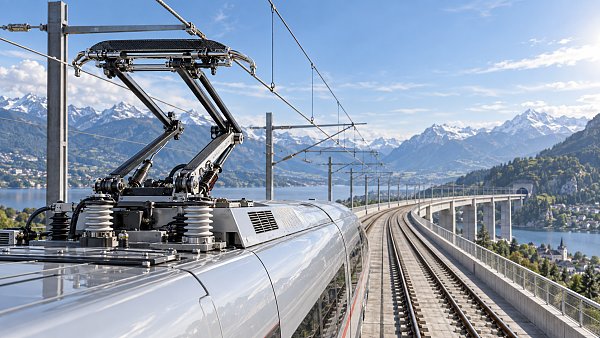
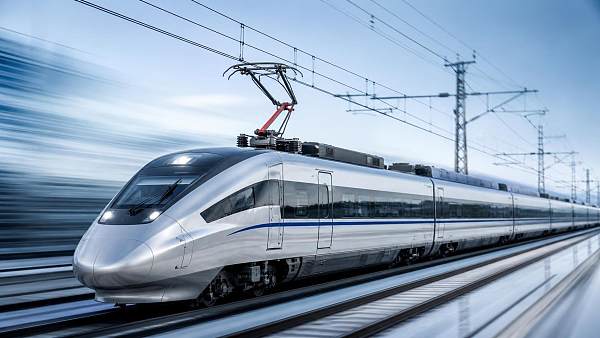
Selecting a high speed pantograph supplier Europe procurement teams can trust requires more than comparing price and delivery terms. For rail operators, rolling-stock OEMs, and EPC contractors, pantograph performance directly affects power collection stability, service availability, and safety at speeds above 350 km/h. A poor fit may not fail immediately; it may instead appear as accelerated contact-strip wear, recurring overhead-line damage, nuisance alarms, limited operating margins, or difficult maintenance planning years after commissioning.
That is why the buying decision should begin with the train–pantograph–catenary interface, not with the pantograph catalogue. European projects vary substantially in electrification systems, infrastructure age, winter exposure, tunnel conditions, cross-border operating requirements, and maintenance philosophy. A supplier with a credible product for one route is not automatically qualified for another.
The right assessment process connects technical compatibility, documented validation, manufacturing discipline, supply-chain resilience, and lifecycle support. It also requires procurement teams to distinguish between a supplier that can build a pantograph and one that can support stable current collection across the full operating envelope of a demanding rail network.
Start with the operating envelope, not the nominal speed
“High speed” is often treated as a single requirement, but a pantograph operating at 320 km/h on a relatively uniform electrified route faces a different set of conditions from one designed for 350 km/h-plus service across wind-exposed viaducts, tunnels, transition zones, and mixed national networks. Nominal maximum speed is only one line in a much larger technical picture.
Before approaching suppliers, establish a project-specific requirements pack. It should define the intended speed profile, voltage systems, expected current demand, number and positioning of raised pantographs, roof geometry, allowable aerodynamic envelope, catenary characteristics, environmental range, and depot maintenance constraints. If the fleet will cross borders, requirements also need to account for route-specific infrastructure rules and interfaces rather than assuming one configuration will be universally acceptable.
The key question is not simply whether the supplier has supplied equipment for “high-speed rail.” Ask whether its proposed architecture has been assessed under conditions comparable to the intended service. Comparable means more than a similar top speed. It includes contact-wire interaction, vehicle body shape, head geometry, pneumatic or electromechanical actuation, uplift characteristics, and environmental exposure.
For example, aerodynamic loading can alter contact force as train speed rises. Crosswinds, pressure changes in tunnels, and wake effects around trainsets can further disturb the interface. A pantograph supplier should be able to explain how these effects were considered during design and validation, and which assumptions remain dependent on the final vehicle and catenary system.
Evaluate current collection as a system-level capability
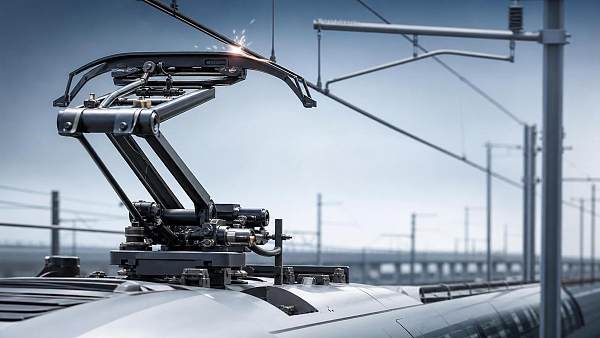
A pantograph is often called the power throat of a high-speed train because it is where traction demand meets the overhead contact line. Yet its performance cannot be judged in isolation. The collector head, suspension, frame stiffness, damping, control logic, roof installation, and overhead line all influence contact quality.
Procurement reviews should therefore request evidence that the supplier understands pantograph–catenary interaction rather than merely supplying a mechanical assembly. In European rail projects, technical assessment may refer to applicable interoperability requirements, national rules, customer specifications, and standards such as EN 50367 where relevant to the project. The exact acceptance route must be confirmed for the target network, but the supplier should be comfortable working within this validation framework.
Useful discussion points include contact-force management, uplift limits, dynamic response, sensitivity to vehicle pitch and bounce, arcing behaviour, and the impact of multiple pantographs operating on coupled trainsets. Suppliers do not need to disclose proprietary design details in an early tender stage, but they should provide a credible engineering method, clear input requirements, and a defined path to simulation, test, and acceptance.
Be cautious when performance claims are presented without a boundary condition. “Suitable for 400 km/h” is not enough by itself. Ask at what voltage, with which contact-strip material, on what vehicle profile, against what catenary assumptions, and under which climatic and aerodynamic conditions. A technically mature supplier will usually welcome these questions because vague claims create risk for both sides.
Look beyond the frame: collector heads and carbon strips deserve scrutiny
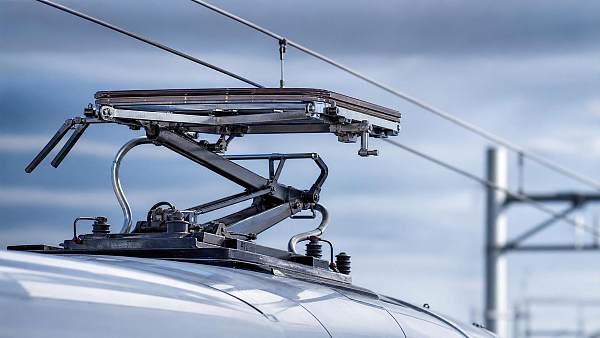
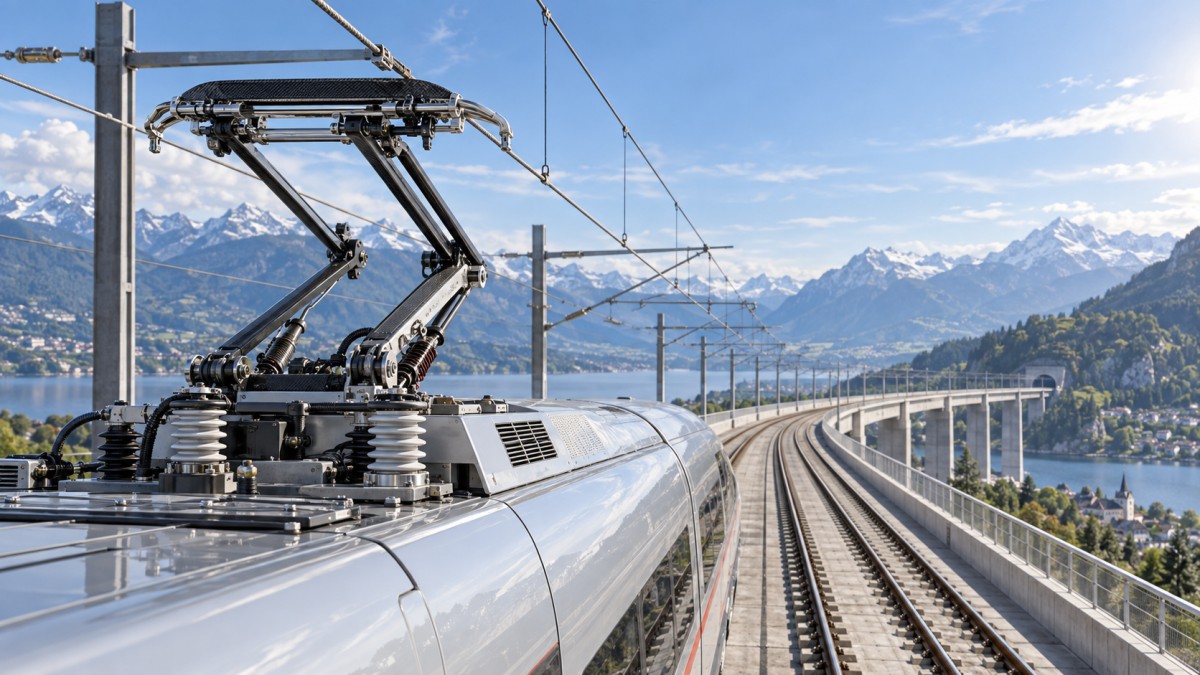
Many procurement reviews devote most of their attention to the pantograph frame, actuator, and lifting mechanism. In service, however, the collector head and contact strips are often where operational consequences become visible first. Their material properties, geometry, mounting method, wear characteristics, and replacement process affect both vehicle availability and the condition of the contact wire.
The proposed contact-strip solution must match the local infrastructure and operating regime. Carbon-based strips are widely used, but material grade and embedded features can vary by application. The assessment should consider electrical conductivity, resistance to wear, behaviour during short-duration abnormal events, compatibility with monitoring arrangements, and the risk of damaging the contact wire if a strip becomes cracked or detached.
Ask practical maintenance questions. How is strip wear measured? Can the operator inspect it from a standard depot platform? Are wear limits clearly defined in the maintenance documentation? How quickly can a trained technician replace a strip, and what special tooling is required? A supplier that can explain the service process in operational terms is usually more valuable than one offering only a high-level technical drawing.
Condition monitoring deserves similar attention. Depending on the train architecture, projects may require or benefit from monitoring of uplift, contact-strip wear, head condition, air pressure, actuator status, or fault events. The important issue is not whether a supplier markets a “smart” pantograph. It is whether the available data can be integrated into the vehicle’s diagnostic architecture and translated into useful maintenance decisions without creating excessive false alerts.
Check compliance evidence, configuration control, and traceability
European rail procurement can involve a layered compliance environment. Technical specifications for interoperability may apply to the vehicle and its subsystem interfaces; national technical rules, infrastructure manager requirements, and contract specifications can add further obligations. A competent supplier should not promise universal compliance before the project is defined. Instead, it should show a disciplined process for identifying applicable requirements, documenting evidence, and managing deviations.
Assess whether the supplier can provide controlled drawings, bills of materials, inspection records, test reports, material declarations where required, maintenance instructions, and revision histories. These records matter when a fleet enters service, when an assessor requests clarification, or when a component is modified after several years of operation.
Configuration control is especially important where a supplier offers several variants that look similar externally. Changes in collector head design, dampers, insulators, sensors, actuators, or contact-strip mounts may have consequences for qualification and spares commonality. Procurement teams should ask how the supplier prevents undocumented substitutions, how engineering changes are approved, and how customers are notified when an installed configuration is affected.
Quality-system certification can be a useful screening point, but it should never be the entire quality assessment. More revealing evidence includes non-conformance handling, supplier quality controls for critical parts, final inspection methods, serial-number traceability, and the response process for field failures. A certificate indicates that a management system exists; it does not by itself demonstrate that the proposed pantograph has been built and supported consistently.
Test the supplier’s engineering depth before contract award
The strongest technical indicator is often the quality of the supplier’s questions. A capable engineering team will ask for roof layout, vehicle dynamics, catenary data, duty cycles, current profiles, weather exposure, maintenance intervals, and applicable route approvals. It may identify missing inputs early rather than quietly pricing an unrealistic assumption.
During technical clarification, request a proposed validation plan. Depending on the project stage, this may include design review, interface analysis, simulation, bench tests, static tests on the vehicle, and dynamic testing on representative infrastructure. The supplier should distinguish clearly between evidence already available from comparable configurations and validation still needed for the specific train and route.
It is also worth examining the interfaces between the pantograph and the wider vehicle system. These include mounting points, roof insulation, earthing arrangements, pneumatic supply or electrical power, control signals, emergency lowering, diagnostic communications, and vehicle software. Interface ambiguity often becomes expensive late in the programme, when design changes affect roof equipment, cable routes, or commissioning schedules.
Compare lifecycle support, not just unit price
A lower purchase price can be quickly outweighed by unavailable spares, difficult overhaul procedures, long technical response times, or frequent service interventions. High-speed fleets are planned around tight availability targets, so the pantograph supplier’s support model should be assessed alongside the equipment itself.
Ask for the proposed spare-parts structure: consumables, recommended on-board or depot stock, long-lead components, repairable assemblies, and obsolescence management. Request realistic lead-time assumptions rather than generic statements about stock availability. If the supplier relies on a concentrated manufacturing base, understand what contingency arrangements exist for disruption, qualification changes, or constrained materials.
Training should be specific enough for the operator’s maintenance model. Depot teams may need support for inspection, fault isolation, strip replacement, adjustment checks, safe isolation, and post-incident examination. Engineering teams may need access to failure-analysis support and periodic review of operating data. The supplier’s willingness to define escalation paths and response responsibilities is often more useful than a broad promise of “after-sales service.”
For long-term projects, assess repair capability as carefully as new-build capacity. A supplier may have an impressive production line yet lack a practical process for overhaul, component refurbishment, or return analysis. The better partner is usually the one that can keep the installed fleet understood and supportable as it ages.
Use a weighted decision model, but leave room for engineering judgement
A structured scorecard helps procurement teams compare offers without reducing the decision to price. Technical fit, validation maturity, compliance documentation, quality controls, manufacturing capacity, lifecycle support, commercial terms, and programme risk can each be scored against agreed criteria. The weighting should reflect the project: a cross-border high-speed fleet may place greater emphasis on interoperability evidence and support coverage, while a new domestic train programme may focus more heavily on integration capability and commissioning resources.
Scores should not replace technical judgement. A bid can look strong on paper while relying on optimistic integration assumptions, incomplete route data, or a support model that does not match the operator’s maintenance capability. A cross-functional review involving vehicle engineering, operations, maintenance, quality, and commercial teams is more likely to expose those gaps before they become contractual disputes.
Make the supplier prove the path from design to service
A reliable high speed pantograph supplier in Europe should offer more than a compliant-looking product. It should demonstrate how the pantograph will be engineered around the vehicle and route, how performance will be validated, how configuration will be controlled, and how the fleet will be supported once it enters daily operation.
For procurement teams, the most useful next step is often a technical clarification workshop built around real project inputs rather than a generic supplier presentation. GTOT’s work across railway control components, high-speed traction systems, and wider transport infrastructure highlights the same lesson repeatedly: asset reliability is decided at the interfaces. Confirm those interfaces early, require evidence for every major performance claim, and treat lifecycle support as part of the engineering decision—not an appendix to the purchase order.
Recommended News
 Sep 27, 2026How to assess a high speed pantograph supplier in EuropeHigh speed pantograph supplier Europe: learn how to assess technical fit, validation, compliance, and lifecycle support for reliable rail operations.
 Aug 08, 2026How to Evaluate Rail Pantograph Systems for Speed, Contact Stability, and Maintenance LifeRail pantograph systems evaluation made practical: learn how to assess speed performance, contact stability, and maintenance life for safer selection, lower wear, and more reliable rail operations.
 Jul 11, 2026Pantographs for High-Speed Rail: How to Reduce Lifecycle Maintenance CostsPantographs for high-speed rail: learn how smarter design, stable current collection, and serviceable components can cut lifecycle maintenance costs and reduce downtime.
 Jun 30, 2026How to Evaluate High-Speed Rail Pantograph Head Wear and Contact StabilityHigh-speed rail pantograph head evaluation starts with wear patterns, contact stability, and route fit. Learn how to reduce arc risk, prevent failures, and improve replacement decisions.
 Jun 27, 2026How Pantograph Components Affect Current Collection and WearPantograph components directly influence current collection, contact stability, and wear. Learn how strip material, force control, damping, and frame design improve rail reliability and cut maintenance costs.
 Jun 23, 2026How Pantographs for High-Speed Rail Affect Uptime and Maintenance CostsPantographs for high-speed rail directly impact fleet uptime and maintenance costs. Learn how stable contact, smarter inspections, and better design reduce failures and downtime.
 Jun 22, 2026High-Speed Rail Technology: Key Performance Factors Before System SelectionHigh-speed rail technology selection starts with safety, traction, braking, interoperability, and lifecycle value. Discover the key factors that help buyers choose reliable, future-ready systems.
 Jun 13, 2026Pantographs Supplier for Railway Networks: 7 Factors to ComparePantographs supplier for railway networks: compare 7 critical factors including performance, wear life, certification, delivery, service, and total cost to choose a reliable partner.
 Jun 13, 2026How Pantographs for High-Speed Rail Affect Uptime and WearPantographs for high-speed rail directly shape uptime, wear, and lifecycle cost. Learn how contact stability, materials, and aerodynamics impact reliability and maintenance.
 Jun 11, 2026High-Speed Traction Systems: Performance Factors That Affect Rail EfficiencyHigh-speed traction systems drive rail efficiency through better power conversion, thermal control, precision software, and reliability. Learn which upgrades deliver measurable results.
![]() Jun 04, 2026Pantographs for High-Speed Rail: Key Wear Signs to TrackPantographs for high-speed rail: learn the key wear signs to track, from uneven strip wear to arc marks and vibration, to improve safety, uptime, and maintenance decisions.
Jun 04, 2026Pantographs for High-Speed Rail: Key Wear Signs to TrackPantographs for high-speed rail: learn the key wear signs to track, from uneven strip wear to arc marks and vibration, to improve safety, uptime, and maintenance decisions. May 25, 2026Pantographs for High-Speed Rail: Key Performance ChecksPantographs for high-speed rail: discover the key performance checks technical evaluators should review, from contact force and aerodynamics to wear, vibration, and life-cycle reliability.
 May 21, 2026Pantographs for Electric Locomotives: What Affects Contact StabilityPantographs for electric locomotives: discover what affects contact stability, from airflow and catenary dynamics to strip wear and suspension tuning for safer, more reliable rail performance.
 May 20, 2026Pantographs Supplier for Railway Networks: Key Checks Before ShortlistingPantographs supplier for railway networks: learn the key checks for technical fit, compliance, lifecycle support, and reliability before shortlisting the right partner.
 May 07, 2026How to Compare Pantographs for High-Speed Rail UpgradesPantographs comparison for high-speed rail upgrades: learn how to evaluate contact stability, aerodynamics, wear, and lifecycle cost to choose safer, smarter systems.