



Search News
Industry Portal
Popular Tags
Pantographs Manufacturers for Urban Rail: Key Checks Before Shortlisting
Author
Time
Click Count
Shortlisting pantographs manufacturers for urban rail is rarely a routine procurement exercise. It shapes traction reliability, timetable resilience, maintenance planning, and even the credibility of a rolling stock or retrofit bid. When urban networks push for higher availability, lower lifecycle cost, and safer automated operations, the quality of pantograph evaluation becomes a commercial control point rather than a back-office formality.
That is why discussions around pantographs manufacturers for urban rail now sit within a broader transport intelligence context. Platforms such as GTOT track how core rail components, signalling systems, braking technologies, and cross-border logistics infrastructure connect. In that wider picture, the pantograph is not a minor roof-mounted assembly. It is the power interface that determines whether design performance can survive real operating conditions.
Why pantograph selection now carries more weight
Urban rail systems are becoming denser, faster, and more digitally managed. Service intervals are tighter, overnight maintenance windows are shorter, and operators expect rolling stock components to perform consistently across varying weather, voltage, and route geometry.
In this setting, pantographs manufacturers for urban rail are judged on much more than catalog specifications. The real question is whether their products maintain stable contact, limit wear, reduce arcing, and support predictable operating costs over years of duty.
This matters even more where urban projects are linked to wider supply-chain and infrastructure strategies. GTOT’s industry lens is useful here because it treats rail components as part of a larger performance ecosystem, not as isolated purchase items.
What commercial teams should understand first
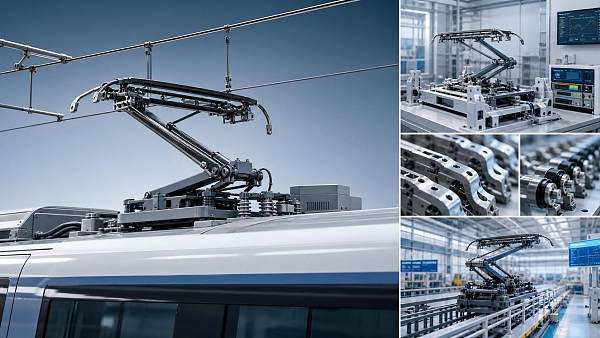
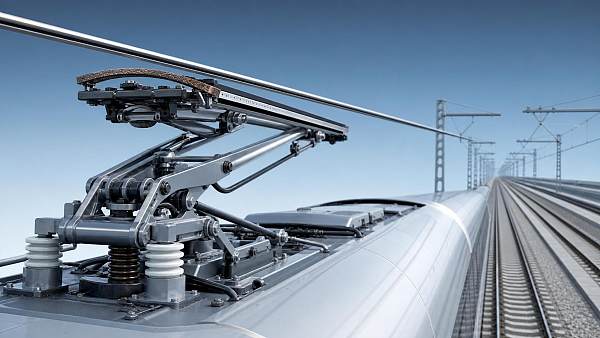
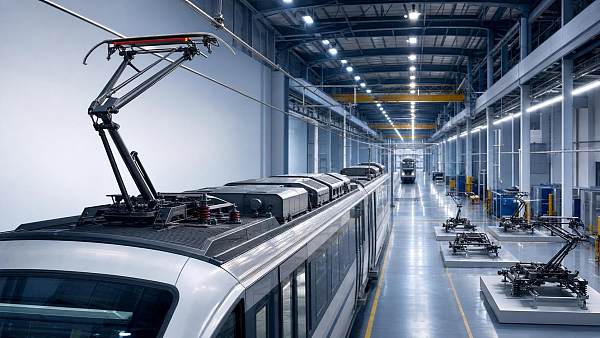
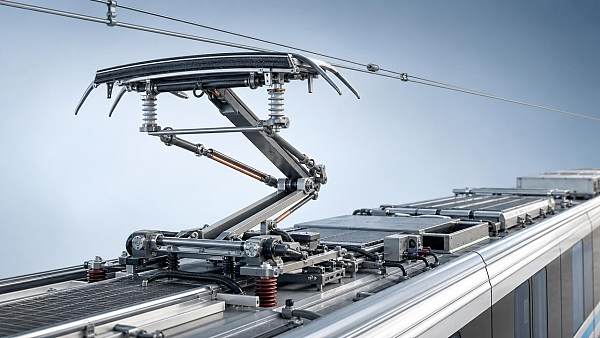
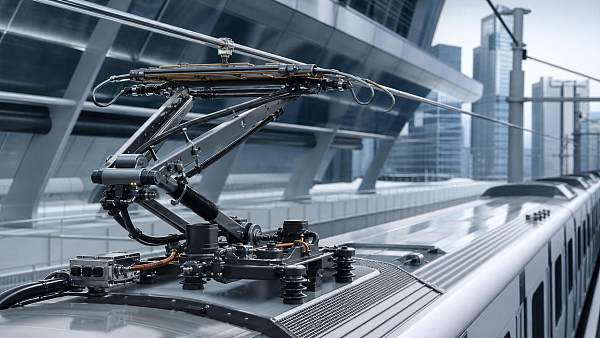
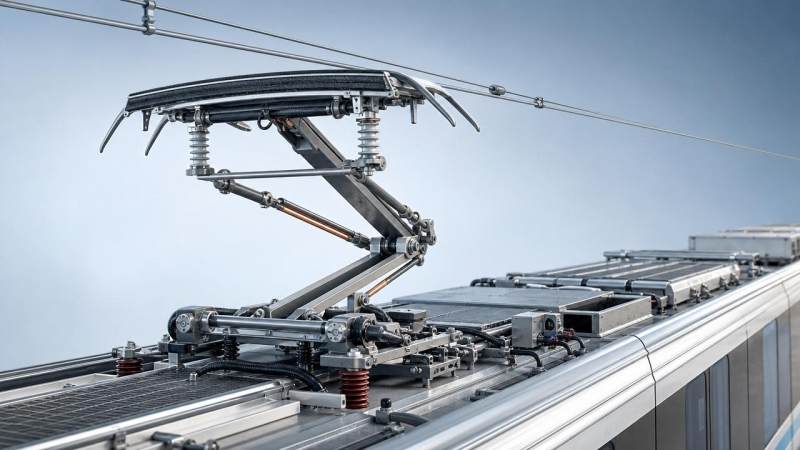
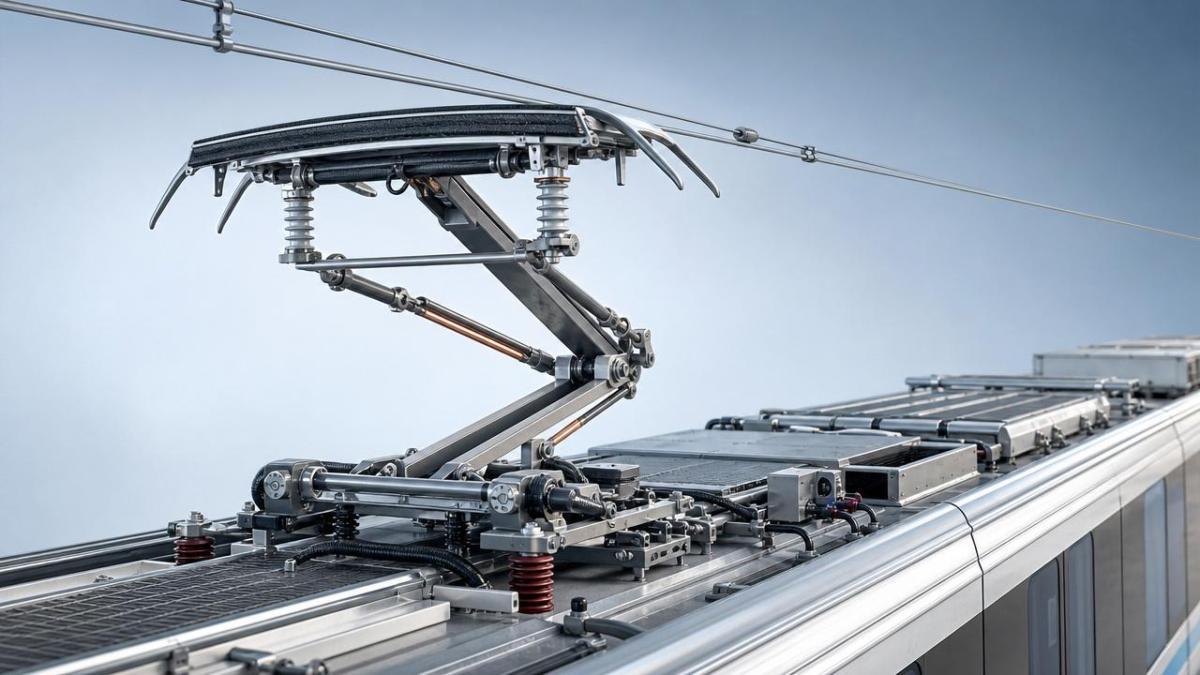
A pantograph collects electricity from the overhead contact line and transfers it to the train’s traction system. That simple definition hides a demanding job. The unit must keep smooth, stable contact despite vibration, aerodynamic forces, speed changes, line irregularities, and repeated raising and lowering cycles.
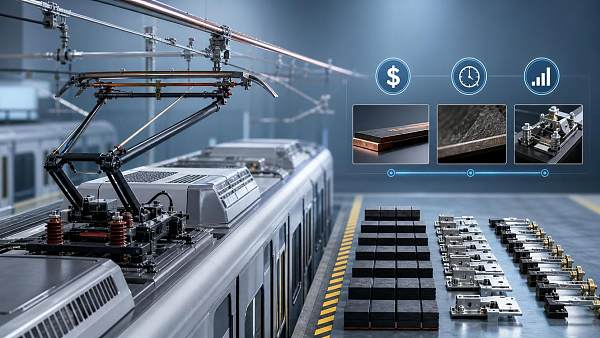
For commercial comparison, this means two suppliers can appear similar on paper while presenting very different risk profiles in service. Contact strip material, head geometry, actuation response, uplift control, frame stiffness, and carbon wear behavior all influence long-term performance.
That is why pantographs manufacturers for urban rail should be assessed as systems partners. Their value lies not only in supply, but in the way they align mechanical design, electrical performance, compliance documentation, and maintenance support.
The checks that deserve early attention
Before building a shortlist, several filters should be applied early. They help remove technically weak or operationally risky options before pricing discussions distort the decision.
1. Technical fit with the target network
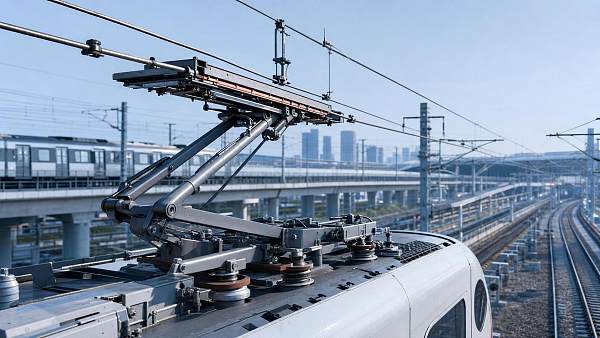
Urban rail fleets do not share identical operating conditions. Voltage system, top speed, tunnel sections, depot layouts, catenary profile, and carbody integration all affect suitability.
The first technical check is simple: can the supplier prove fit for the intended duty cycle rather than offering a general-purpose model with broad claims?
2. Compliance and certification depth
Serious pantographs manufacturers for urban rail should present clear evidence of conformity with relevant rail standards, test procedures, material controls, and quality systems.
Certification alone is not enough. The key issue is traceability. Test scope, lab credibility, validation conditions, and change-control records should all be visible.
3. Operating stability under real conditions
Bench data can look excellent while field performance tells another story. Shortlisting should therefore include evidence from comparable metro, suburban, or light rail environments.
The most useful proof includes contact stability, strip wear rates, fault frequency, and response under vibration, contamination, and temperature variation.
4. Delivery and after-sales readiness
A technically strong supplier can still create project risk through weak industrial capacity. Lead times, spare parts planning, local support coverage, and repair turnaround deserve the same attention as design features.
A practical comparison framework
A useful shortlist usually combines technical, operational, and commercial signals. The table below helps structure a first-round comparison without overcomplicating the process.
Where weak shortlists usually go wrong
Many evaluations fail not because the criteria are missing, but because they are weighted poorly. A low unit price can hide a high maintenance burden. A strong certification pack can mask limited field experience. A known brand can still be a weak fit for a specific network.
Several warning signs appear repeatedly when assessing pantographs manufacturers for urban rail:
- Reference projects are not comparable in speed, voltage, or operating environment.
- Test reports are old, partial, or unsupported by configuration control.
- Lifecycle assumptions rely on ideal maintenance conditions.
- Critical wear parts have long replenishment lead times.
- Local technical response depends on distant headquarters approval.
These issues are especially relevant in urban rail because service disruption costs are immediate and visible. Reliability failures affect not just repair budgets, but passenger confidence and operational reputation.
Why broader transport intelligence improves the decision
Pantograph sourcing may seem highly specialized, yet it benefits from a wider industry reading. GTOT’s approach is valuable because it links rolling stock component decisions with signalling evolution, braking performance, digital operations, and cross-border infrastructure investment.
That broader perspective matters when judging supplier resilience. A company that understands safety-critical rail ecosystems, industrial quality discipline, and long-cycle transport assets is often better positioned to support demanding urban rail contracts.
In practical terms, pantographs manufacturers for urban rail should be viewed through both a component lens and a systems lens. The first checks product fitness. The second checks whether the supplier can sustain performance across the asset lifecycle.
How to move from longlist to shortlist
A disciplined next step is to convert broad market awareness into a structured screening file. This does not require a heavy process at the beginning, but it does require consistency.
- Define the operating envelope before contacting suppliers.
- Separate mandatory technical thresholds from preference-based scoring.
- Request comparable evidence, not marketing brochures.
- Check reference fleets with similar duty intensity.
- Map spares, service, and warranty support into total cost review.
- Flag any gap between certification claims and field experience.
From there, the strongest shortlist usually contains fewer names, but better data. That improves negotiation quality and reduces the chance of late-stage technical surprises.
For any team comparing pantographs manufacturers for urban rail, the most useful next move is to build a clear matrix around compatibility, proof, reliability, and support. Once those checks are visible, pricing becomes easier to interpret, and the final decision becomes more defensible.
Recommended News
 Jul 30, 2026How to Specify Traction Power Equipment Switchgear for Urban Rail ProjectsTraction power equipment switchgear selection for urban rail starts with system duty, fault levels, maintainability, and lifecycle cost. Learn how to specify the right solution with confidence.
 Jul 15, 2026How to Evaluate an Urban Rail Pantograph Manufacturer for Long-Term ReliabilityUrban rail pantograph manufacturer selection affects safety, uptime, and lifecycle cost. Learn how to assess engineering, testing, production control, and support for long-term reliability.
 Jul 09, 2026Urban Rail Pantograph Price: What Drives Lifecycle CostUrban rail pantograph price is only the starting point. Discover what really drives lifecycle cost, from wear and downtime to reliability, maintenance, and supplier support.
 Jul 04, 2026How to Evaluate Railway Pantograph Components for EMU ReliabilityRailway pantograph components for EMU reliability: learn how to assess contact stability, wear, dynamics, and lifecycle risk to improve fleet performance and reduce maintenance costs.
 Jul 01, 2026How to Evaluate Pantographs for Tram Systems by Wear, Noise, and UptimePantographs for tram systems: learn how to evaluate wear, noise, and uptime with practical metrics that reduce risk, improve reliability, and support smarter fleet decisions.
 Jun 27, 2026Pantograph Components Checklist for Retrofit and ReplacementPantograph components checklist for retrofit and replacement: learn how to assess compatibility, wear, climate, and lifecycle cost to improve rail reliability and reduce downtime.
 Jun 26, 2026Urban Rail Pantographs: Selection Factors for Stable Current CollectionUrban rail pantographs are key to stable current collection. Learn the selection factors that improve reliability, reduce wear, and support efficient metro and light rail operations.
 Jun 26, 2026Urban Rail Pantographs: Common Wear Problems and FixesUrban rail pantographs face wear from arcing, contamination, and mechanical looseness. Learn the common problems, practical fixes, and maintenance tips to boost reliability and cut downtime.
 Jun 17, 2026How to Compare Pantographs Manufacturers for Urban Rail ProjectsPantographs manufacturers for urban rail: learn how to compare technical performance, lifecycle cost, certifications, and service support to choose lower-risk suppliers for transit projects.
 Jun 11, 2026How to Compare Pantographs Manufacturers for Urban Rail ProjectsPantographs manufacturers for urban rail should be compared on technical fit, lifecycle cost, quality control, and support. Learn how to choose a reliable supplier with confidence.
 Jun 06, 2026Pantographs Manufacturers for Urban Rail: Key Checks Before ShortlistingPantographs manufacturers for urban rail: discover the key checks for technical fit, compliance, reliability, and after-sales support before shortlisting suppliers.
 May 27, 2026How to Compare Urban Rail Pantographs Manufacturers in 2026Pantographs manufacturers for urban rail: learn how to compare suppliers in 2026 by performance, compliance, lifecycle cost, and support to reduce risk and choose with confidence.
 May 19, 2026Pantographs Manufacturers for Urban Rail: What Impacts Lifecycle Value?Pantographs manufacturers for urban rail: discover what drives lifecycle value beyond price, from contact stability and maintenance to compatibility, testing, and long-term fleet reliability.
 May 07, 2026Traction Power Issues Behind Repeated Rail System DowntimeTraction power issues often hide behind repeated rail downtime. Learn the key fault triggers, fast-check methods, and maintenance insights to restore reliability and cut recurring failures.